Are You Picking the Wrong Shoulder Muscles to Workout?
I used to think more was better. I would spend forty-five minutes in my garage, sweating over five different pressing variations, convinced I was building 'boulder shoulders.' Instead, I just built a nagging case of tendonitis and a front delt that looked like a golf ball glued to a pancake.
The hard truth? Most lifters pick the wrong shoulder muscles to workout on any given day. We prioritize the stuff we can see in the mirror and ignore the mechanics that actually create that thick, 3D look. If your 'shoulder day' is just three types of overhead pressing, you are leaving gains on the table and begging for an impingement.
- Front delts are usually overtrained by heavy chest pressing.
- Side delts need direct isolation to create actual width.
- Rear delts are the secret to shoulder health and that 'capped' pop.
- Quality over quantity: three smart movements beat six redundant ones.
The Day I Realized My 'Shoulder Day' Was a Scam
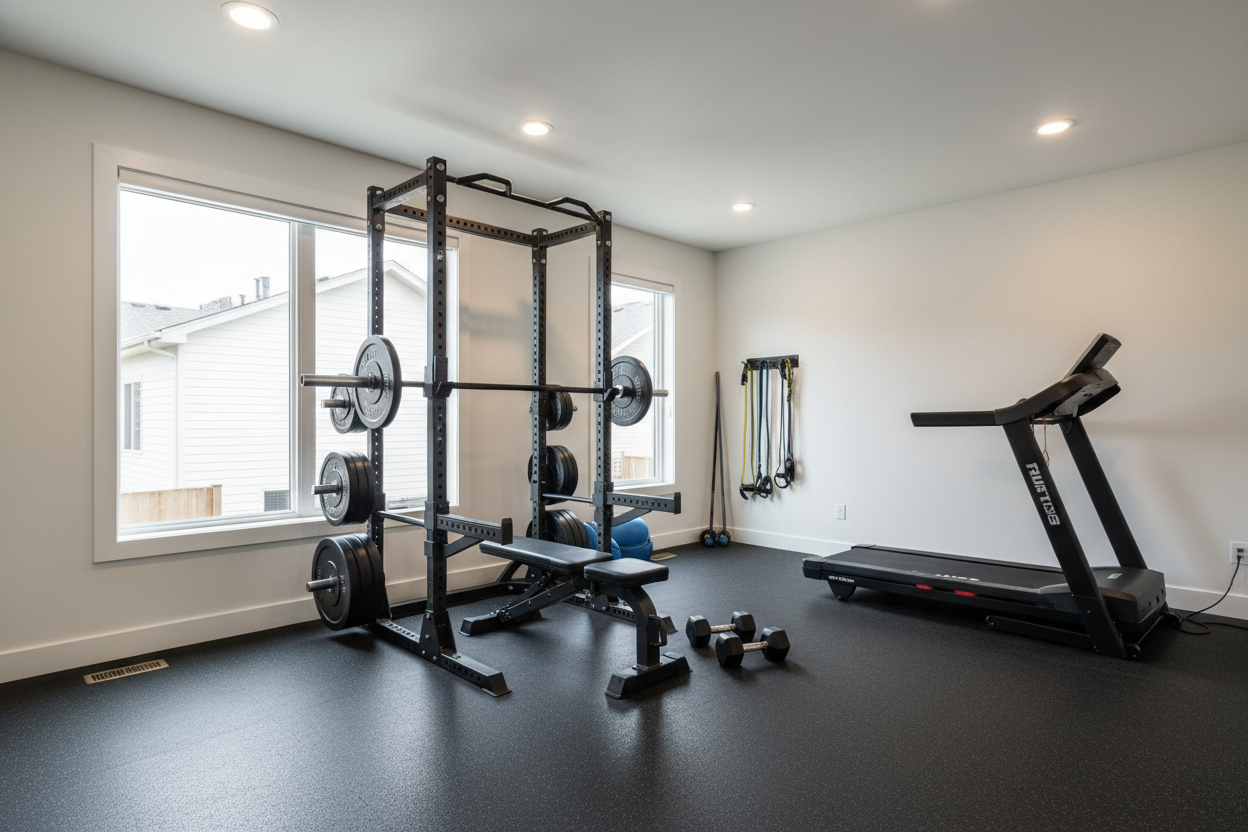
There I was, staring at my power rack, about to start my fourth pressing movement of the hour. I had already done heavy barbell military presses and Arnold presses. Now, I was lining up for seated dumbbell presses. My front delts were screaming, but the sides of my shoulders looked like they had not even been to the gym.
I realized I was not training my shoulders; I was just training my ability to push things upward. By doing three variations of the same movement pattern, I was hammering the anterior delt while the lateral and posterior heads stayed dormant. It was a classic mistake of thinking variety in equipment equals variety in muscle stimulus. It does not.
Learning which specific shoulder muscles to workout changed everything. I stopped chasing a pump and started chasing balance. My joints stopped aching, and for the first time, my shoulders actually started to round out instead of just getting thicker from front to back.
Breaking Down the Deltoid (Without the Textbook Jargon)
Your shoulder—the deltoid—is split into three distinct heads. You have the anterior (front), the lateral (side), and the posterior (rear). If you want that capped look, you have to hit all three. Most people treat the shoulder like a single muscle, but you need to understand the different parts of shoulder to workout if you want real results.
The front delt handles pressing. If you are doing heavy bench presses or incline work, your front delts are already getting plenty of love. The side delt is what gives you width; it is responsible for raising your arm out to the side. The rear delt pulls the arm back and stabilizes the joint. If you ignore the rear, your shoulders will eventually roll forward, giving you that 'caveman' posture.
Stop Overlapping: The Best Shoulder Muscle Group Exercises
The biggest mistake in home gym programming is redundant volume. You do not need five shoulder muscle group exercises. You need three high-yield movements that do not step on each other's toes. If you start with a heavy overhead press, you have checked the box for your front delts. Doing a front raise after that is just wasting energy.
For the side delts, nothing beats a strictly performed lateral raise. For the rear delts, I am a huge fan of face pulls or bent-over rear delt flies. You can find video breakdowns of these movements in our Workout Hub to make sure your form is not shifting the load back to your traps.
My current philosophy is simple: one heavy press, one lateral isolation, and one rear delt pull. That is it. If you cannot get a stimulus from those three, you are not lifting heavy enough or your form is sloppy. Stop adding more sets and start adding more intent.
A Minimalist Garage Gym Routine That Actually Works
You do not need a commercial gym's worth of cable machines to hit the right shoulder muscle groups to workout. I do 90% of my shoulder work with a pair of adjustable dumbbells and a flat bench. It is about efficiency, not equipment variety.
Start with Seated Dumbbell Presses. Sit tall, keep your core tight, and press. Next, move to Standing Lateral Raises. Keep the weight light—I see too many guys swinging 50s when they should be using 20s. Finally, hit the floor for Chest-Supported Rear Delt Flies. Having a solid gym flooring for home workout helps here, especially when you are dropping weights between sets of rear delt work.
- Seated DB Press: 3 sets of 6-8 reps
- DB Lateral Raise: 3 sets of 12-15 reps
- Rear Delt Fly: 3 sets of 15-20 reps
Why More Volume Isn't the Answer for 3D Caps
The 'more is better' trap is hard to escape, especially when you are training at home and feel like you should be doing more. But shoulder workouts for each muscle should be surgical, not exhaustive. Your shoulders are relatively small muscles; they do not need 20 sets to grow. They need heavy tension and enough recovery time to actually repair the tissue.
When I cut my shoulder volume in half, my overhead press numbers actually went up. My shoulders felt 'fuller' because they were not constantly inflamed. If you are looking for a different approach or do not have weights yet, you might even consider a calisthenics shoulder workout to build that baseline stability before moving to heavy iron.
FAQ
Can I workout all shoulder muscles in one day?
Absolutely. In fact, it is the most efficient way to do it. Just make sure you are not doing three exercises for the same part of the shoulder. One for front, one for side, one for rear is the gold standard.
Why do my shoulders hurt when I press?
Usually, it is either poor form (flaring your elbows too wide) or an imbalance. If your front delts are way stronger than your rear delts, your humerus won't sit properly in the socket during heavy lifts.
Do I really need to do front raises?
Probably not. Most lifters get more than enough front delt stimulation from bench pressing and overhead pressing. Your time is better spent on side and rear delt isolation.