Are You Building True Muscular Strength or Just Getting Tired?
I remember the first time I tried to 'get strong' in my garage. I was doing sets of 15 reps with a pair of rusty 25-pound dumbbells until my arms felt like noodles. I was sweating, my heart was racing, and I felt accomplished. But three months later, my max bench hadn't budged an inch. I wasn't actually building muscular strength; I was just getting really good at being tired.
The fitness industry loves to muddy the waters with complex terms, but if you want to move heavy objects, you need to understand the mechanics of force. Real strength isn't about the burn or the sweat—it is about the raw output of your nervous system and muscle fibers working in unison.
Quick Takeaways
- Muscular strength is the ability of a muscle to exert force against maximal resistance in a single effort.
- Strength and endurance are not the same; one is about intensity, the other is about duration.
- To get strong, you must prioritize high intensity (heavy weight) and low repetitions.
- A basic barbell and a sturdy rack are the most efficient tools for developing musculoskeletal strength.
Let's Define Muscle Strength (Without the Textbook Jargon)
If you look at a medical dictionary, the muscle strength definition usually sounds like a physics lecture. To keep it simple: muscular strength is the amount of force a muscle can produce in a single maximal effort. It is the 'one-rep max' mentality. When we define muscular strength in fitness, we are talking about your ceiling, not your floor.
What is musculoskeletal strength? It is the combined effort of your bones, tendons, and muscles to move a load. When you describe muscular strength, think of it as the 'engine torque' of your body. It is what allows you to lift a heavy box, move a fridge, or squat double your body weight. Meaning of muscular strength isn't found in how many reps you can do, but in the heaviest weight you can move once.
Many people ask, 'what is the meaning of muscular strength compared to just being fit?' Being fit is broad. Muscular strength is specific. It is the foundation that makes everything else—running, jumping, and even daily chores—feel easier because your sub-maximal efforts now require a smaller percentage of your total capacity.
The Gritty Difference Between Muscle Strength and Muscle Endurance
This is where most home gym owners mess up. The difference between muscle strength and muscle endurance is the difference between a drag racer and a Prius. Muscular endurance depends on your muscle's ability to perform repeated contractions against resistance over time. If you are doing 20 push-ups, you are testing endurance. If you are doing a bench press at 95% of your limit, you are testing strength.
Muscular strength is best described by the total load moved. When you define muscle strength vs. endurance, look at the energy systems. Strength relies on the ATP-CP system (short, explosive bursts), while endurance leans on glycolytic and aerobic pathways. If your goal is to increase muscular strength, doing high-rep sets to 'feel the tone' is actually counterproductive because you aren't recruitment those high-threshold motor units.
Why is muscular strength and endurance important? You need both, but they require different programming. To work on muscular strength you should use heavier weights and longer rest periods. If you confuse the two, you end up in the 'middle zone'—not quite strong enough to move mountains, and not quite conditioned enough to run a marathon.
Wait, Is Bodyweight Training Enough to Build Serious Power?
I get asked this constantly: what is an example of muscular strength if I don't have a barbell? Can you build it with just your body? The answer is yes, but it gets complicated fast. A standard push-up is actually an exercise of muscular strength only if the resistance is high enough that you can only manage a few reps. Once you can do 20, it’s an endurance move.
To keep increasing muscular strength and endurance helps to understand progressive overload. In calisthenics, you have to change the leverage—moving from a regular push-up to a handstand push-up or a one-arm version. However, for most people, the simplest way to define muscular strength in a sentence is 'adding weight to the bar.'
The ability of a muscle to exert force is easiest to measure and scale when you have external resistance. While bodyweight moves are a great starting point, they eventually hit a ceiling for raw force production unless you are an elite gymnast.
The Bare Minimum Garage Setup for Max Force Production
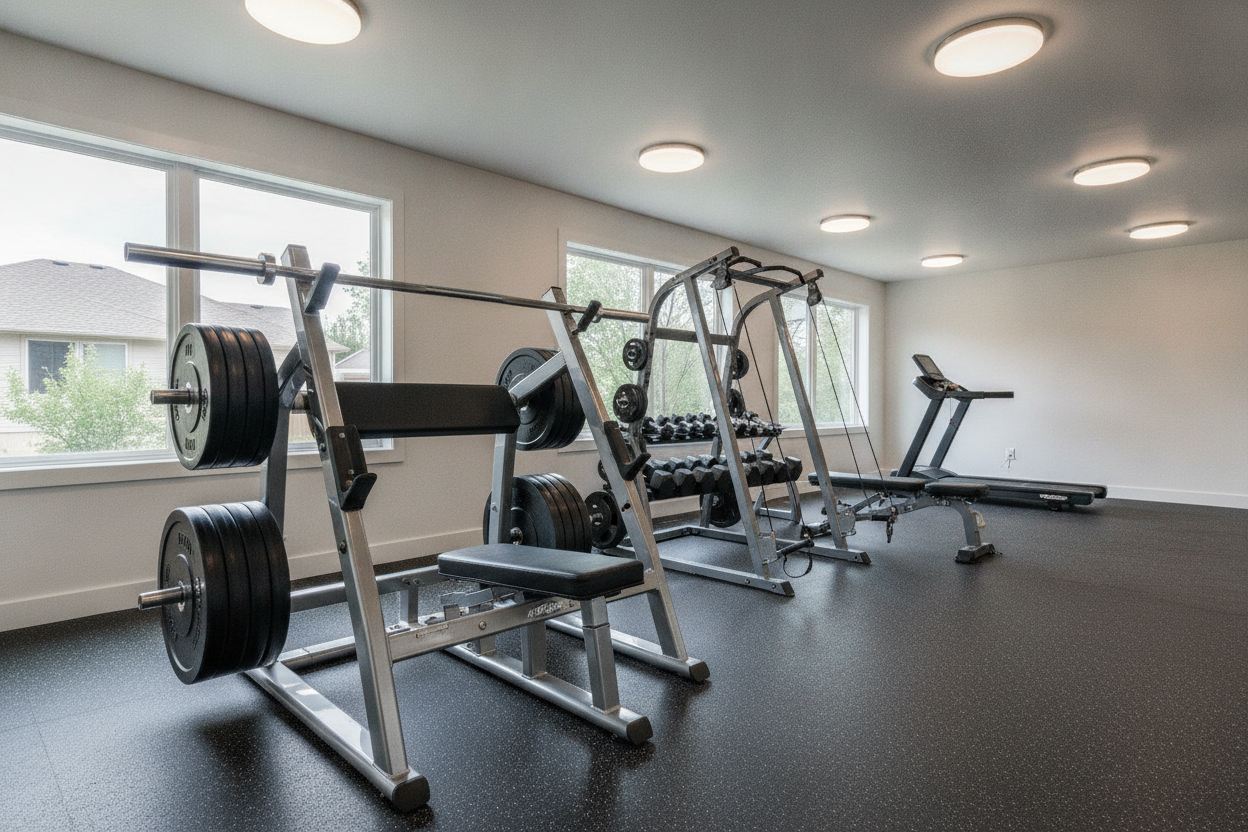
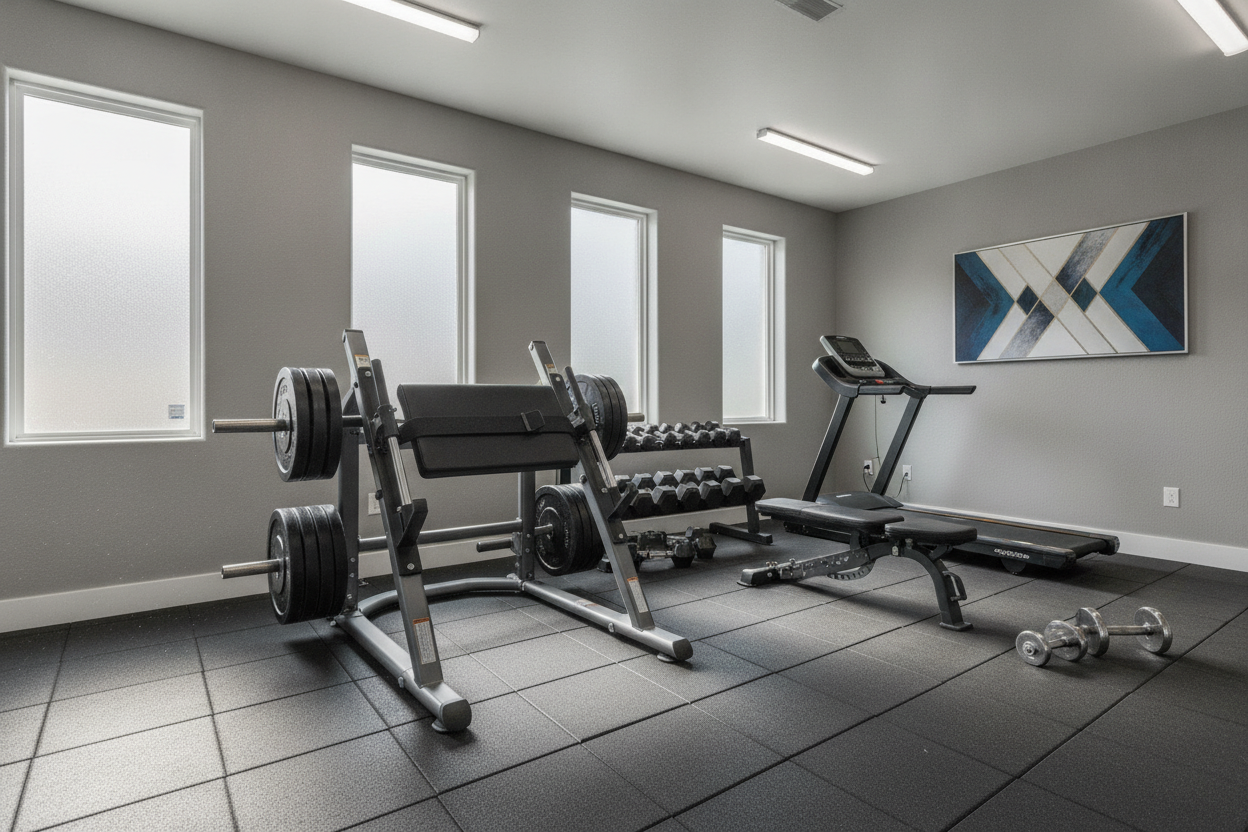
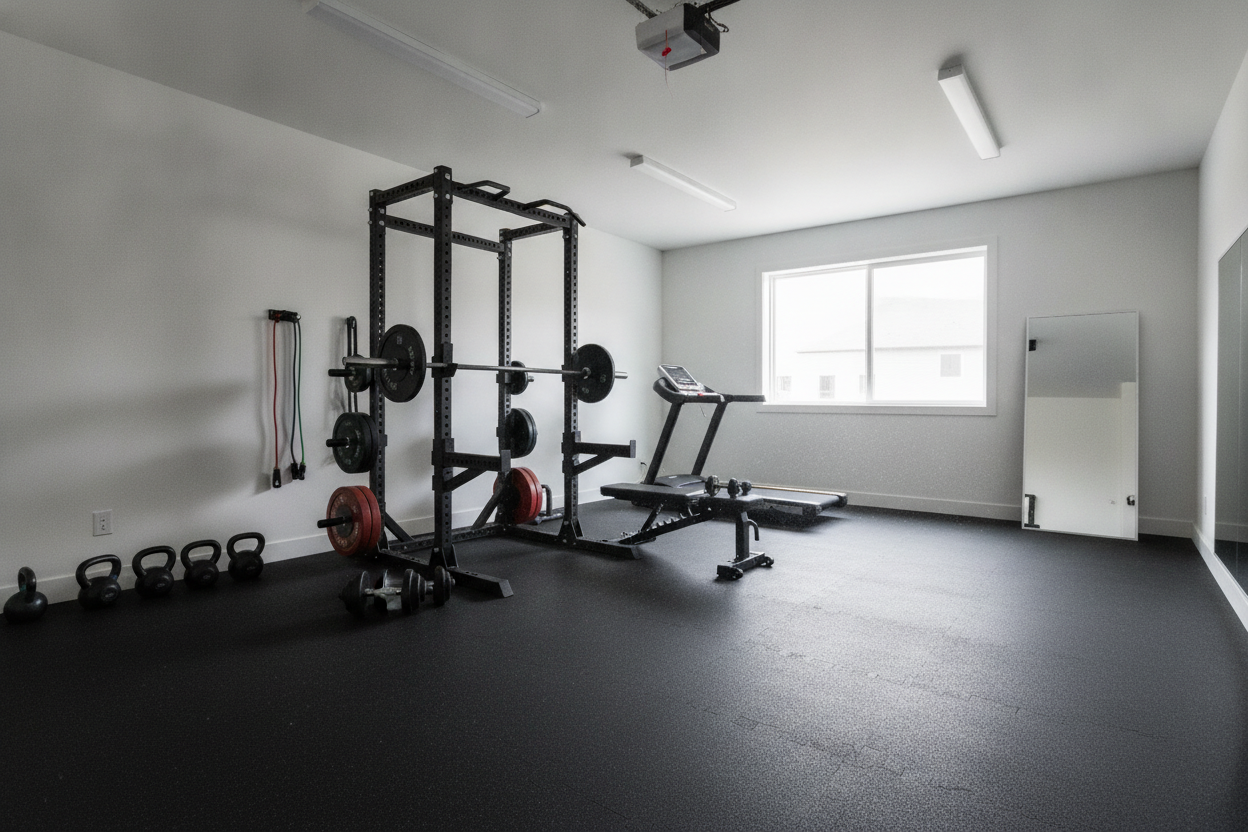
You don't need a 20-piece circuit of machines. In fact, machines often limit your strength because they stabilize the weight for you. To build real-world strength, you need to stabilize the load yourself. This starts with a solid power rack and a barbell. This is the core of any strength equipment stash.
I’ve wasted money on 'functional' cables and shaky folding benches. Don't do that. If the rack wobbles when you're re-racking 225 pounds, it’s a liability, not a tool. You want a rack with at least 11-gauge steel and a barbell with a decent knurling so it doesn't slip out of your hands during heavy deadlifts. Speaking of grip, don't overlook strength training accessories like lifting belts and chalk. A good belt isn't a crutch; it’s a tool to help you create more intra-abdominal pressure, which directly increases the force your muscles can exert.
The goal is to load the musculoskeletal system safely. Cast iron plates are fine—they don't need to be pretty, they just need to be heavy. If you're training for raw power, the noise of iron clanking is just part of the process.
Three Non-Negotiable Rules for Moving Heavier Weight
If you want to stop spinning your wheels, follow these three rules. First, the rep range for strength is typically 1 to 5 reps. If you can do 8, it’s too light. Second, rest periods must be long. I’m talking 3 to 5 minutes. You need your nervous system to fully recover so you can exert 100% effort on the next set. Third, you must track your lifts. If you aren't adding a pound or two every week or two, you aren't getting stronger.
Ignoring the principles of strength and conditioning is the fastest way to plateau. Muscular strength is best developed by consistent, incremental increases in load. This is called progressive overload. Increasing muscular strength helps protect your joints, improves bone density, and makes you more resilient to injury. It’s not just about looking big; it’s about being capable.
Personal Experience: The 400-Pound Mistake
A few years ago, I bought a 'bargain' barbell from a big-box store. It looked fine, but the first time I loaded it over 400 pounds for a set of deadlifts, it developed a permanent smile. It bent and never went back. Not only was it a waste of $150, but it was dangerous. The sleeves didn't spin, which meant the rotational force of the plates was yanking on my wrists. I learned the hard way that when you're training for serious strength, your gear has to be as tough as your goals. Buy once, cry once.
FAQ
What is muscular strength in simple terms?
It is the maximum amount of weight you can lift for one repetition. Think of it as your body's peak power output.
What is the difference between muscular strength and muscular endurance?
Strength is how much weight you can move (intensity), while endurance is how many times you can move a weight (volume/duration).
How do I improve my muscular strength?
Lift heavy weights (80-95% of your max) for low repetitions (1-5), and ensure you rest long enough between sets to stay explosive.
Why is muscle strength important as you age?
It prevents sarcopenia (muscle loss), maintains bone density, and ensures you stay mobile and independent by keeping your 'physical ceiling' high.