Are Weight Training Machines for Women Actually Worth It?
I remember walking into a 'women-only' fitness boutique a few years back and seeing rows of purple, plastic-wrapped machines that looked more like toys than tools. The sales rep talked about 'toning' and 'avoiding bulk' while I stared at a leg extension machine that felt like it would snap if I loaded more than 40 pounds. If you are scrolling through listings for weight training machines for women, you have probably seen the same thing: overpriced gear that prioritizes aesthetics over actual engineering.
Quick Takeaways
- Most 'ladies gym machines' are just lower-quality versions of standard gear with a higher price tag.
- Prioritize adjustability (seat height and handle reach) over gendered branding.
- A functional trainer is the single most versatile piece of equipment you can own.
- Don't ignore the floor—heavy machines require serious subfloor protection.
The 'Shrink It and Pink It' Marketing Trap
The fitness industry has a long history of 'shrinking and pinking' equipment. They take a standard gym machines for women design, use thinner 14-gauge steel instead of 11-gauge, paint it a pastel color, and call it a 'ladies exercise machine.' It is a scam. These machines often have lower weight capacities and use plastic pulleys that start to grind after three months of use.
You do not need a machine built for a 'woman's strength.' You need a machine built to last. When I am testing gear, I am looking for commercial-grade bearings and a frame that does not wobble when I am hitting a heavy set. If a machine looks like it belongs in a playroom rather than a garage, skip it.
Why Your Anatomy Doesn't Need Special Hardware
Biometrically, women do not need fundamentally different workout machines for women than men do. A squat is a squat. A row is a row. The only real difference is the physical scale of the machine. At 5'4', I often find that some commercial chest press machines have a starting position that is too wide, which puts my shoulders in a vulnerable spot.
Instead of looking for 'women's exercise machines,' look for equipment with high adjustability. You want seats that move on a gas shock and cable arms that have at least 15 different height positions. This ensures the machine fits your specific limb length, which is what actually matters for safety and muscle engagement.
The Only 3 Machines Worth Your Floor Space
If you are building a home setup, you cannot afford to waste space on single-use gimmicks. I have seen too many people buy a dedicated inner-thigh machine that ends up serving as a laundry rack. When looking for the best weight training machines for every home gym, focus on multi-functional heavy hitters.
Functional Trainers (The Ultimate Multi-Tasker)
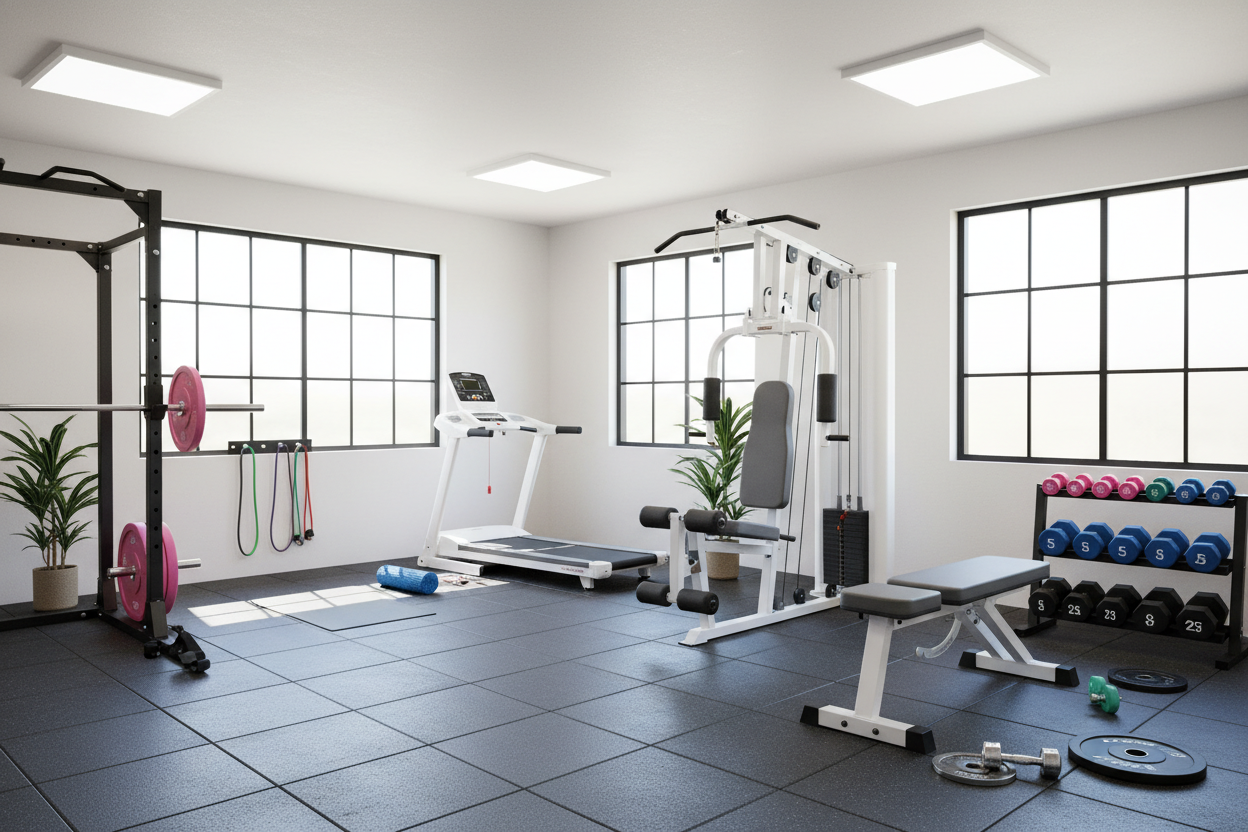
A dual-cable functional trainer is the undisputed king of gym machines for ladies. With a 2:1 pulley ratio, you get a smooth travel that is perfect for isolation work. I use mine for everything from face pulls to glute kickbacks. Look for a unit with at least 160-lb stacks per side—anything less and you will outgrow it within a year.
Leg Press and Hack Squat Combos
Building lower body mass without crushing your spine is a huge win. A 45-degree leg press is a much better investment than those flimsy 'total body' glute machines you see on late-night TV. These units are heavy—often weighing over 400 lbs—but they provide the stability you need to actually push your limits safely.
Protecting Your Floors from Heavy Iron
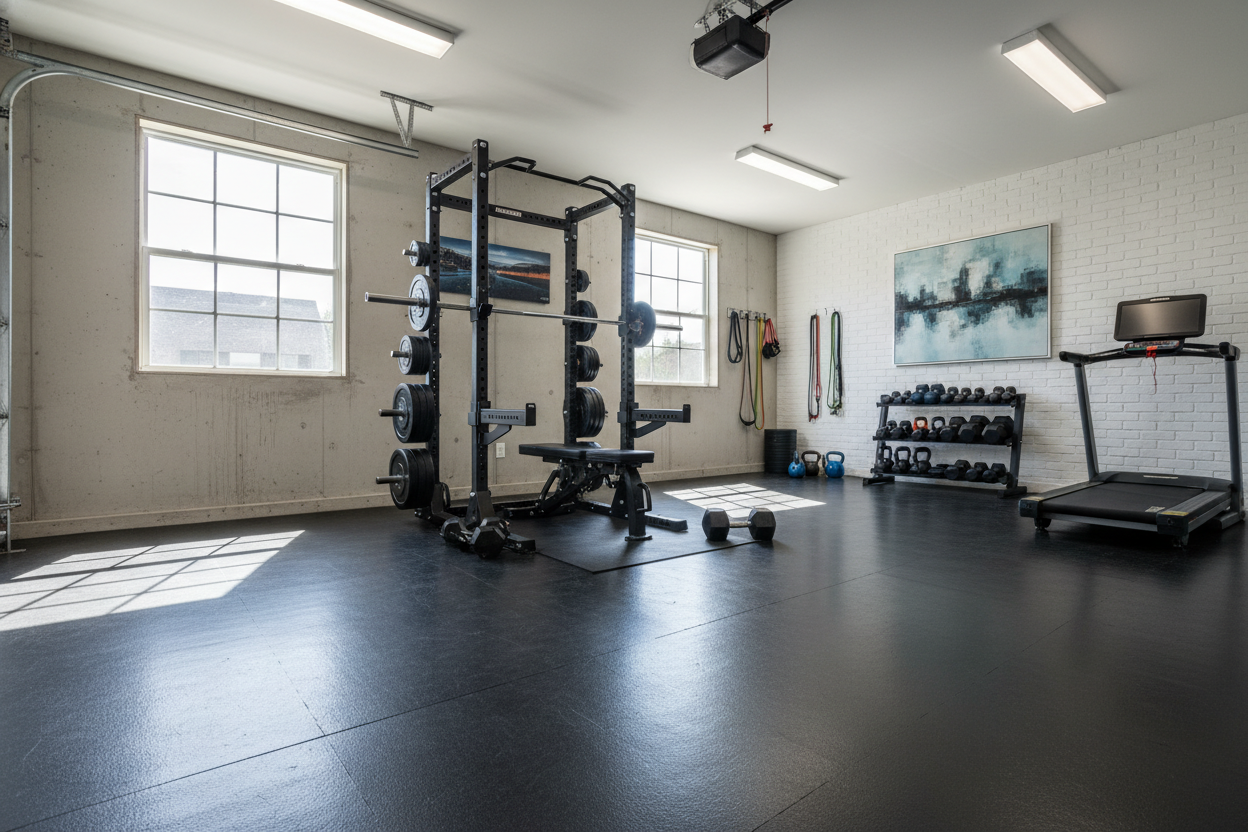
One mistake I made early on was bolting a cable tower directly onto my garage concrete. Within six months, the vibration and static weight had caused hairline cracks. Before you install any heavy plate-loaded equipment, you need a commercial-grade foundation. I highly recommend laying down a large exercise mat for home gym setups to absorb the impact and protect your subfloor from the immense pressure of the machine's feet.
Red Flags When Shopping for Equipment
When you are hunting for gym machines for women, keep an eye out for 'red flag' specs. If the product description does not list the steel gauge, it is probably thin and cheap. If the maximum weight capacity is under 250 lbs, it is a glorified paperweight. Wobbly frames and nylon pulleys are also deal-breakers.
Before you commit, check out a guide on the best at home workout machines to compare specs. You want to see words like 'linear bearings,' 'aircraft-grade cables,' and 'powder-coated finish.' If the marketing focuses more on the color than the cable tension, keep moving. Real results come from real iron, not pretty plastic.
FAQ
Do I need a different barbell than a man?
Most women prefer a 15kg 'women's bar' because it has a 25mm diameter, which is easier to grip if you have smaller hands. However, it still fits standard Olympic plates. Don't buy a bar just because it is pink; buy it because the knurling is high-quality.
Are cable machines better than free weights for women?
Neither is 'better,' but cables provide constant tension which is incredible for hypertrophy (muscle growth). A mix of both is ideal for a well-rounded home gym.
How much space do I actually need for a machine?
Most functional trainers need at least a 5x5 ft footprint, plus another 3 feet of 'working space' in front of them. Always measure your ceiling height too—many towers are 80-84 inches tall.