Are We Exercising the Elderly Too Gently to Actually Help Them?
I was at a local community center last week and saw a group of seniors doing 'arm circles' with one-pound plastic weights. It felt like watching someone try to put out a forest fire with a water pistol. When it comes to exercising the elderly, we have developed a collective fear of intensity that is actually accelerating the very frailty we are trying to prevent.
I’ve spent fifteen years in the trenches of strength coaching, and I’ve seen 80-year-olds pull 200 pounds off the floor and 90-year-olds regain the ability to climb stairs without help. The secret isn't some magic pill; it’s treating them like athletes with a lower baseline, not like porcelain dolls. If we want real results for fitness older adults, we have to stop babying them.
Quick Takeaways
- Muscle loss (sarcopenia) requires resistance, not just movement, to reverse.
- Seated 'busywork' rarely translates to real-world independence or fall prevention.
- Safety comes from proper form and progressive load, not from avoiding effort.
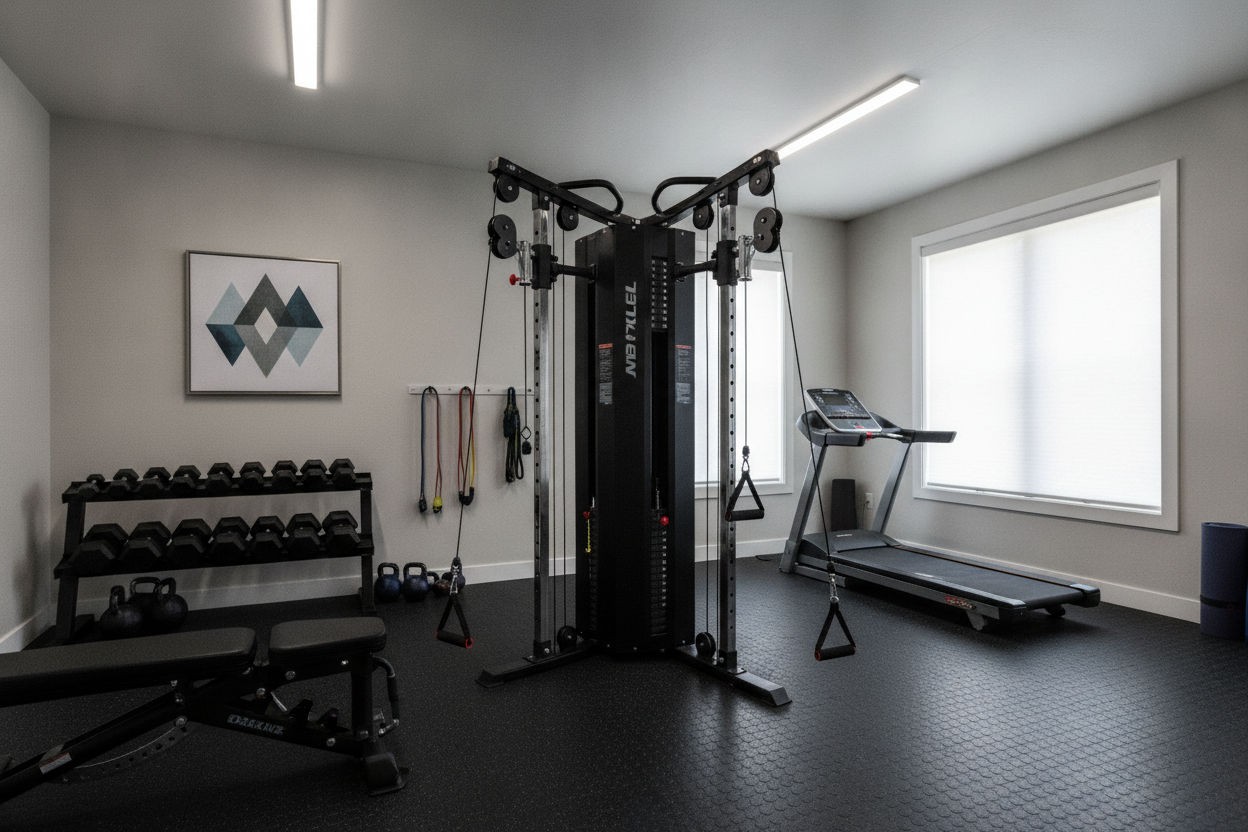
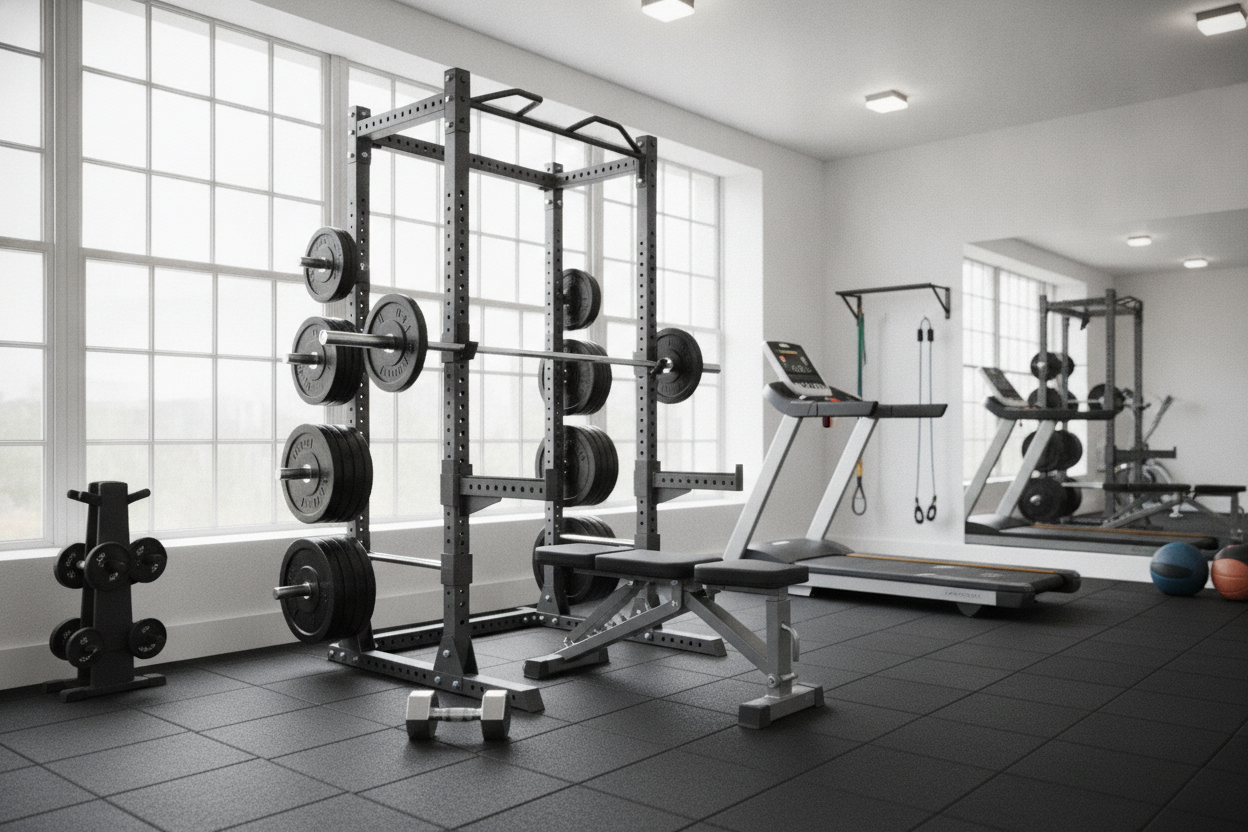
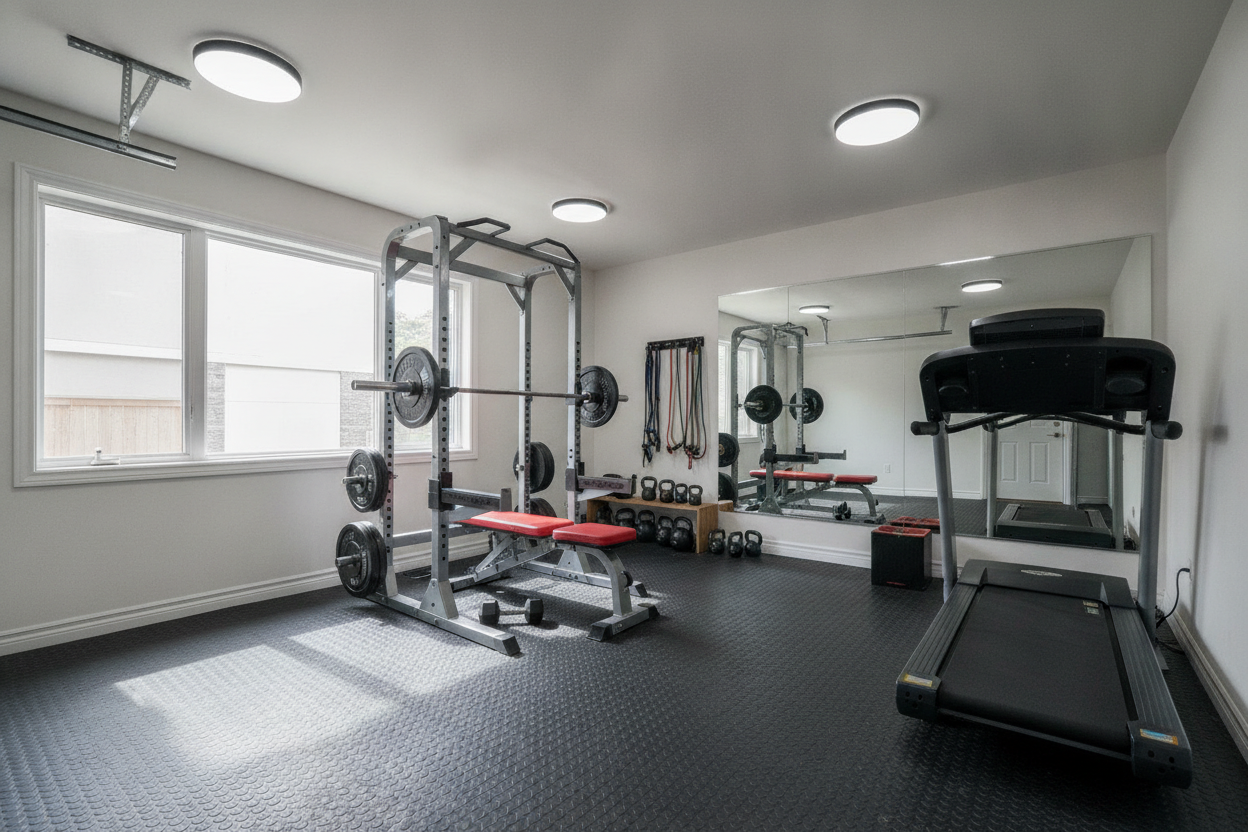
- A dedicated, non-slip space is the most important piece of 'equipment' you can provide.
The Problem With Playing It Safe As We Age
Most exercise precautions for older adults focus entirely on what they *can't* do. We are told to avoid high heart rates, avoid heavy weights, and definitely avoid anything that looks like a real workout. This 'safety first' mentality is a trap. When we under-dose exercise, we fail to trigger the biological adaptation necessary to keep bones dense and muscles functional.
Exercise for older seniors needs to be challenging enough to cause a sweat and a bit of heavy breathing. If an exercise program for 80-year-olds doesn't involve some form of resistance that makes the last few reps difficult, it’s just social hour. Socializing is great, but it won't help you get off the toilet or carry your own groceries. We need to shift the focus from 'don't get hurt' to 'get strong enough to survive a fall.'
What Actually Happens to Joints Without Load
There is a persistent myth that exercise for over 65 years should be 'low impact' to save the joints. Science says the opposite. Joints are like sponges; they need the compression and decompression of weight-bearing movement to pull in nutrients and flush out waste. Without load, cartilage thins and joints become stiff and brittle.
For exercises for active older adults, we need to stop fearing the squat and the hinge. Loading the hips and knees properly—with a straight back and controlled descent—is how you keep those joints lubricated. This is exactly why the box squat is the best exercise for building lower body power without the fear of falling backward. It teaches the body to use the glutes and hamstrings rather than just grinding away at the kneecaps.
Setting Up a Safe Space for Real Work
You don't need a $5,000 multi-gym to start a serious exercise program for 90 year olds. You need a flat, stable surface. Most falls in the elderly happen because of 'micro-slips' on tile or carpet. If you're setting up a home space, get rid of the area rugs and the rolling chairs. You want a surface that bites back when you push against it.
I always tell my clients to invest in a large exercise mat for home gym use. Hard concrete in a garage is too unforgiving on the joints if someone does lose their balance, and standard yoga mats are too small and thin. A thick, high-density mat provides the traction needed for standing movements and the cushion needed for floor-to-standing transitions. It’s about building a 'zone of confidence' where they know their feet won't slide.
Building a Routine: From 75 to 90 Years Old
The best daily exercise for seniors isn't walking—it's a combination of balance and strength. Whether you're looking at exercises for 75 year olds or workouts for 80 year olds, the template is the same: push, pull, hinge, and carry. We just change the 'volume' knob based on their current health. For a 75-year-old, that might be a goblet squat with a 15-pound kettlebell. For a 90-year-old, it might be a sit-to-stand from a high chair using only body weight.
When people ask best exercise for the elderly, I point them toward the deadlift—or at least a modified version of it. Picking something up from the floor is a fundamental human requirement. If we stop doing it, we lose the ability to live independently. Start with light dumbbells or even a laundry basket, and focus on the hip hinge. That is how you turn 'elderly doing exercise' into 'seniors building resilience.'
Ditching the Chair: Standing Movements That Matter
Too many types of exercise classes for seniors involve sitting in a chair and waving ribbons. Unless the person is physically unable to stand, this is a waste of time. Slow exercise for seniors should still be standing exercise. Standing forces the core to engage and the ankles to stabilize. It’s the ultimate 'functional' move.
If you have the space, a 6x8ft exercise mat is the gold standard for these standing routines. It gives enough room to take lateral steps or perform 'monster walks' with a resistance band without stepping off the edge. This kind of dynamic movement is what actually prevents falls in the real world—not seated bicep curls. We need to give them exercise ideas for elderly folks that actually mimic the challenges of a trip to the park or a walk through a crowded store.
My Personal Experience with 'Old Man Strength'
I tried to coach my own father when he hit 82. At first, I fell into the trap of being too gentle. I gave him bird-dogs and light bands. He got bored, and he didn't get any stronger. One day, he told me, 'I used to carry 80-pound bags of cement, I think I can handle a dumbbell.' I gave him a pair of 15s and we started doing real rows and squats. Within three weeks, his posture improved and his chronic lower back pain vanished. My mistake was assuming his age was his identity. It wasn't—it was just his current state of deconditioning.
FAQ
What is the best exercise for elderly people with bad knees?
The box squat. It allows you to sit back into your hips, taking the shear force off the knees while still strengthening the quads and glutes. It’s a literal life-saver for maintaining mobility.
Are fun physical activities for older adults better than gym workouts?
They are different. Picklingball or dancing is great for the heart and soul, but they don't provide the structured resistance needed to fight bone density loss. You need both for a complete life.
How to exercise elderly clients who are afraid of falling?
Start in a corner. Having two walls nearby provides a 'safety net' they can touch for balance. Use a high-traction mat and start with movements where their feet stay planted before moving to walking patterns.
What are some good elderly exercise ideas for small spaces?
Wall push-ups, chair squats, and 'farmer carries' (walking while holding heavy bags) are incredibly effective and require almost zero square footage. Just make sure the path is clear of tripping hazards.