Are Most Workouts for Elderly Men Actually Making Us Weaker?
I spent twenty years training in commercial gyms before building my own garage setup. The most depressing sight in those big-box gyms isn't the guy ego-lifting until his face turns purple; it's the 70-year-old veteran being told by a trainer to squeeze a stress ball or walk on a treadmill for twenty minutes. Most workouts for elderly men are designed for liability insurance purposes, not for building real-world longevity.
- Sarcopenia (muscle loss) is the primary threat to your independence, not 'overexertion.'
- Slippery home floors create a fear of falling that sabotages your strength gains.
- Loading the spine safely is actually better for bone density than avoiding weights.
- Consistency and floor traction are more important than fancy machines.
The Danger of 'Playing It Safe' in Your Seventies
The medical community often treats aging like a disease that requires constant bed rest. They push guys toward zero-resistance bands and two-pound plastic weights. This 'rehab mindset' actually accelerates muscle loss because it never challenges the central nervous system. If you want to keep your ability to get out of a car or carry your own luggage, you have to stop the chair aerobics and start moving real weight.
Finding effective exercises for men over 70 isn't about doing less; it's about doing the right things with more intent. You aren't fragile. You're just undertrained. Replacing the 'safety first' mentality with a 'strength first' approach is the only way to counteract the natural decline of muscle mass that happens every decade after fifty.
Why Your Living Room Floor is Public Enemy Number One
I’ve seen it a dozen times: a guy wants to start lifting at home, so he grabs some old dumbbells and tries to squat on his hardwood living room floor. Halfway down, his feet start to drift. His brain panics, his core goes soft, and he decides 'lifting isn't for me.' The fear of heavy lifting is often just your nervous system reacting to a lack of friction.
You cannot train for strength on a slippery surface or a shifting area rug. A 7mm thick large 6x8ft exercise mat creates a 'lock-down' foundation. When your feet feel glued to the floor, your brain finally gives you permission to actually push your muscles to failure without the fear of a catastrophic slip.
The Big Three Movements for Aging Guys
You don't need a complex bodybuilding split. You need three movements that mimic real life. First, the loaded carry. Pick up a heavy dumbbell in each hand and walk for 30 seconds. This builds grip strength and core stability. Second, the goblet squat. Hold one weight against your chest and sit back into a chair. This keeps your hips mobile and your legs powerful.
Third, the floor press. Instead of a bench, lie on your back on the floor and press dumbbells upward. The floor acts as a natural 'stop,' preventing you from overextending and wrecking your shoulders. These workouts for men over 70 focus on functional utility. While the best exercises for men over 50 still apply here, we prioritize the floor press over the bench press to keep the rotator cuffs from screaming the next morning.
Setting Up a Fall-Proof Lifting Zone
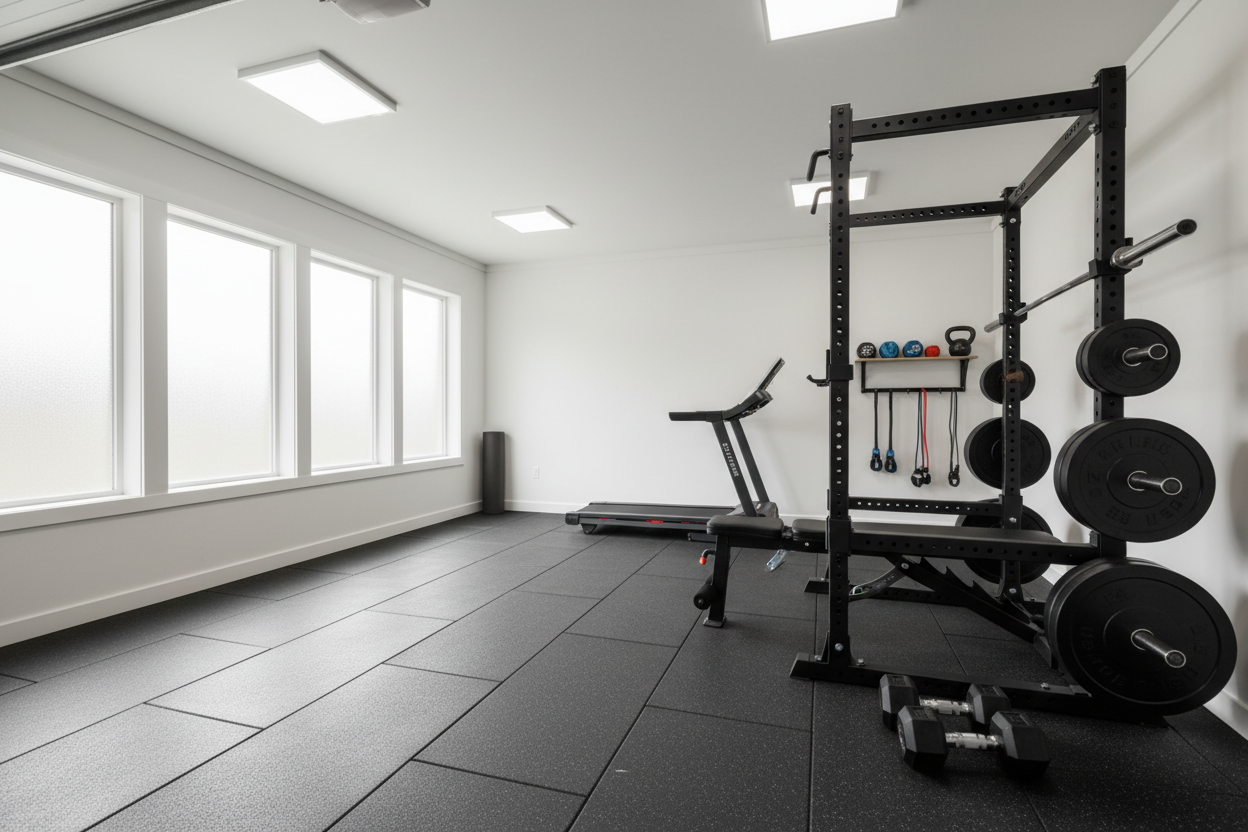
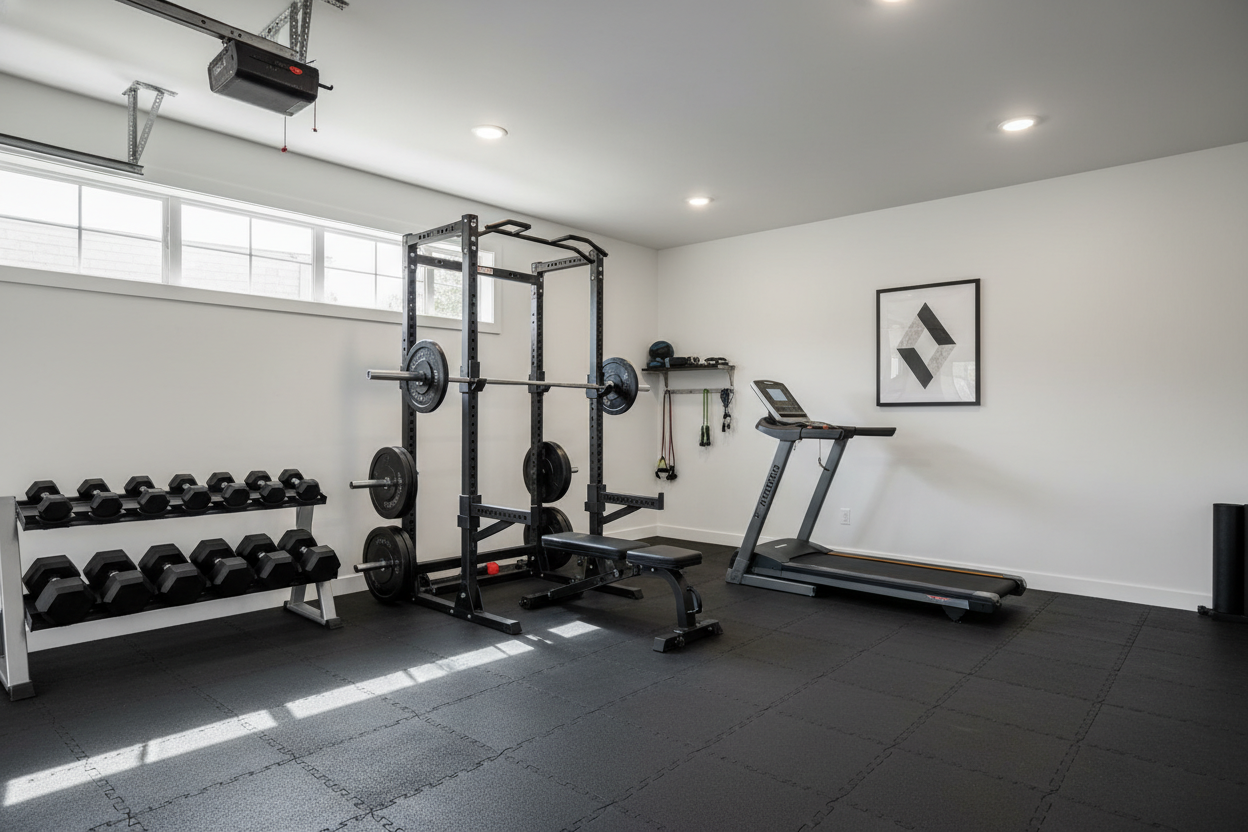
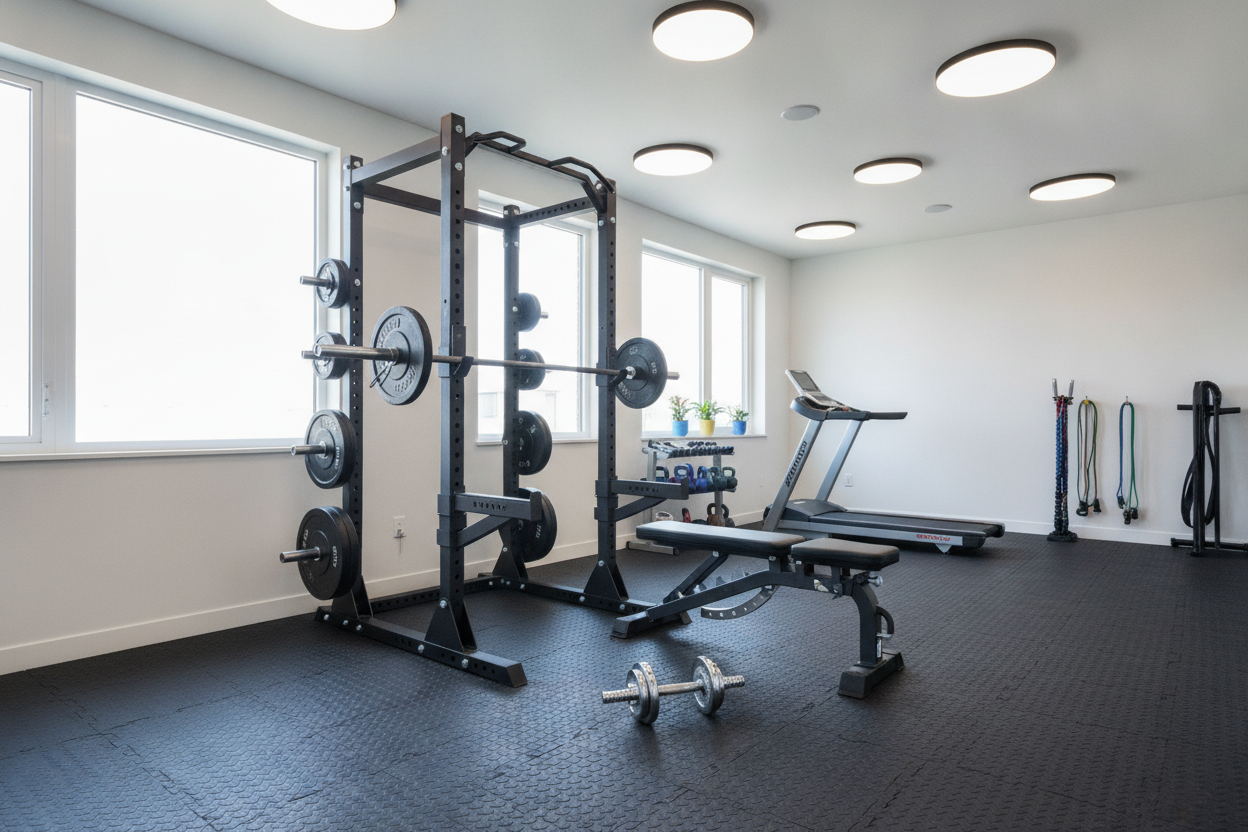
You don't need a massive power rack that takes up the whole garage. A safe workout 70 years into your life requires a minimum viable setup: dense flooring and a set of weights. Clear out a 6x8 foot corner of a spare room. This isn't just about aesthetics; it's about safety. Having a dedicated space means you aren't tripping over coffee tables or dodging the cat while holding 30 pounds.
The anchor of this zone is a large exercise mat for home gym use. It needs to be thick enough to dampen the sound if you drop a weight and grippy enough that it doesn't bunch up. Once the floor is set, add a pair of adjustable dumbbells that go up to at least 50 pounds. That’s all you need to be stronger than 90% of the guys your age.
How to Add Weight Without Wrecking Your Joints
Progressive overload is the law of the gym, regardless of age. But at seventy, you don't add weight every session. You add it every three or four sessions. Listen to your joints—if a movement feels 'crunchy,' reduce the range of motion or the load. Recovery is where the muscle is actually built, and you likely need 48 to 72 hours between heavy sessions now.
The goal isn't to hit a new one-rep max for Instagram. The goal is to make sure that when you're eighty, you're still the guy who doesn't need help getting out of his favorite chair. Build the habit of moving under tension, and the longevity benefits will follow.
My Honest Mistake
A few years back, I thought I could skip the gym flooring and just lift on my garage concrete. I was doing lunges, my back foot slipped on a patch of dust, and I pulled my groin so badly I couldn't walk right for a month. It was a stupid, preventable injury. I bought a high-traction mat the next day and haven't trained on bare concrete since. Don't be stubborn like I was.
FAQ
Is lifting heavy weights dangerous for my heart?
If you have a pre-existing condition, talk to a doctor. But for most, the temporary rise in blood pressure during a lift is far less dangerous than the chronic weakness that leads to a sedentary lifestyle.
How many days a week should I train?
Three days a week is plenty. Your body needs those off-days to repair the micro-tears in the muscle. Walking on your off-days is a great supplement.
Do I need a spotter for these exercises?
Not if you stick to dumbbells and floor-based movements. If a weight gets too heavy, you just set it down. There's no bar to get pinned under.