Are Home Gyms Effective? The Honest Truth About Garage Gains
You are staring at a heavy rack of dumbbells in a crowded commercial facility, waiting for the guy scrolling through Instagram to finish his set. It makes you wonder if there is a better way. But then the doubt creeps in. Without the fancy machines, the endless rows of cardio equipment, and the motivating atmosphere of other lifters, are home gyms effective enough to get real results?
This is the most common mental roadblock for anyone considering the switch. We are conditioned to believe that fitness requires a monthly subscription and a key fob. The reality is quite different, but it requires a shift in how you view progressive overload and discipline.
Key Takeaways
- Muscle Blindness: Your muscles cannot tell the difference between a weight lifted in a garage and a weight lifted in a luxury club; they only recognize tension.
- Consistency is King: Eliminating travel time often leads to higher workout frequency, which drives better results.
- Cost Efficiency: While the upfront cost is higher, home gyms usually pay for themselves within 2-3 years.
- Environment Control: You control the music, temperature, and equipment availability, removing external distractions.
What is a Home Gym?
Before analyzing effectiveness, we need to define the terms. When people ask "what is a home gym," they often picture a dusty treadmill in a basement or a solitary Bowflex from the late 90s. That is an outdated view.
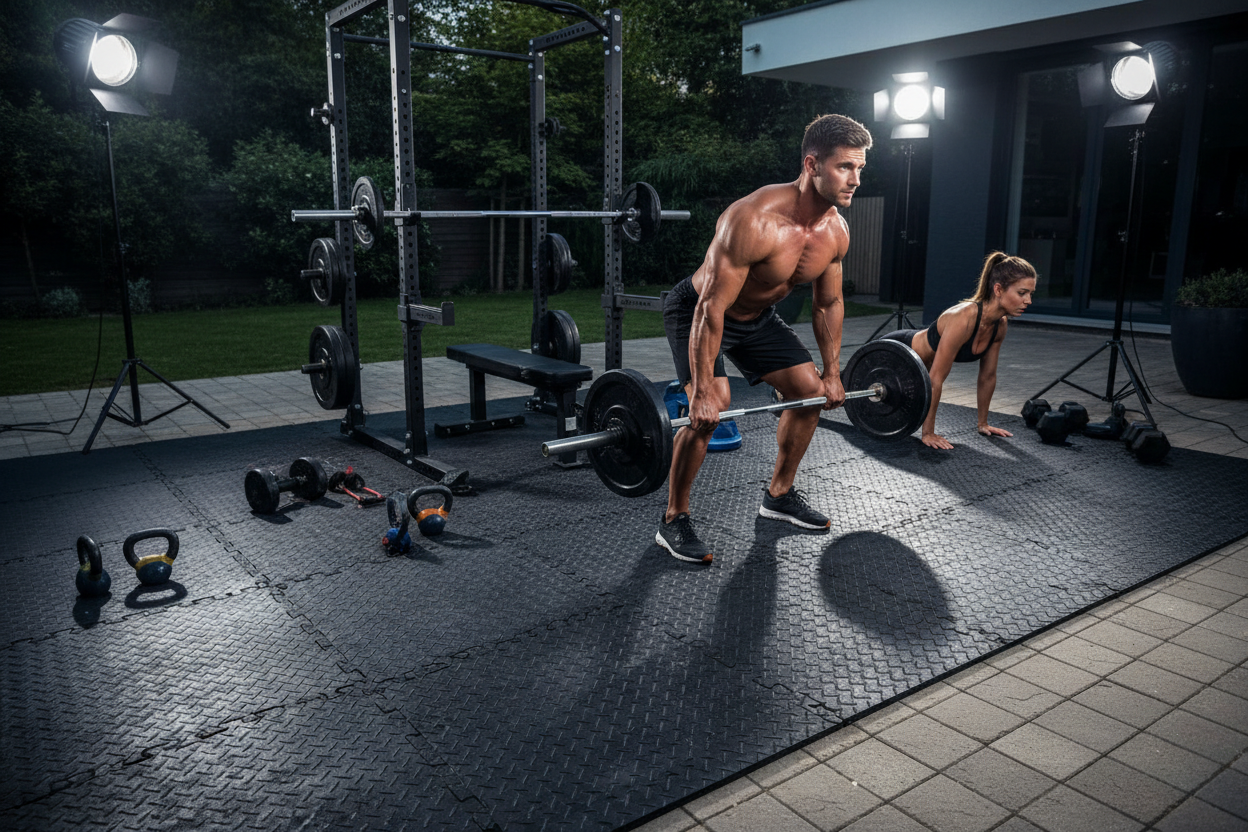
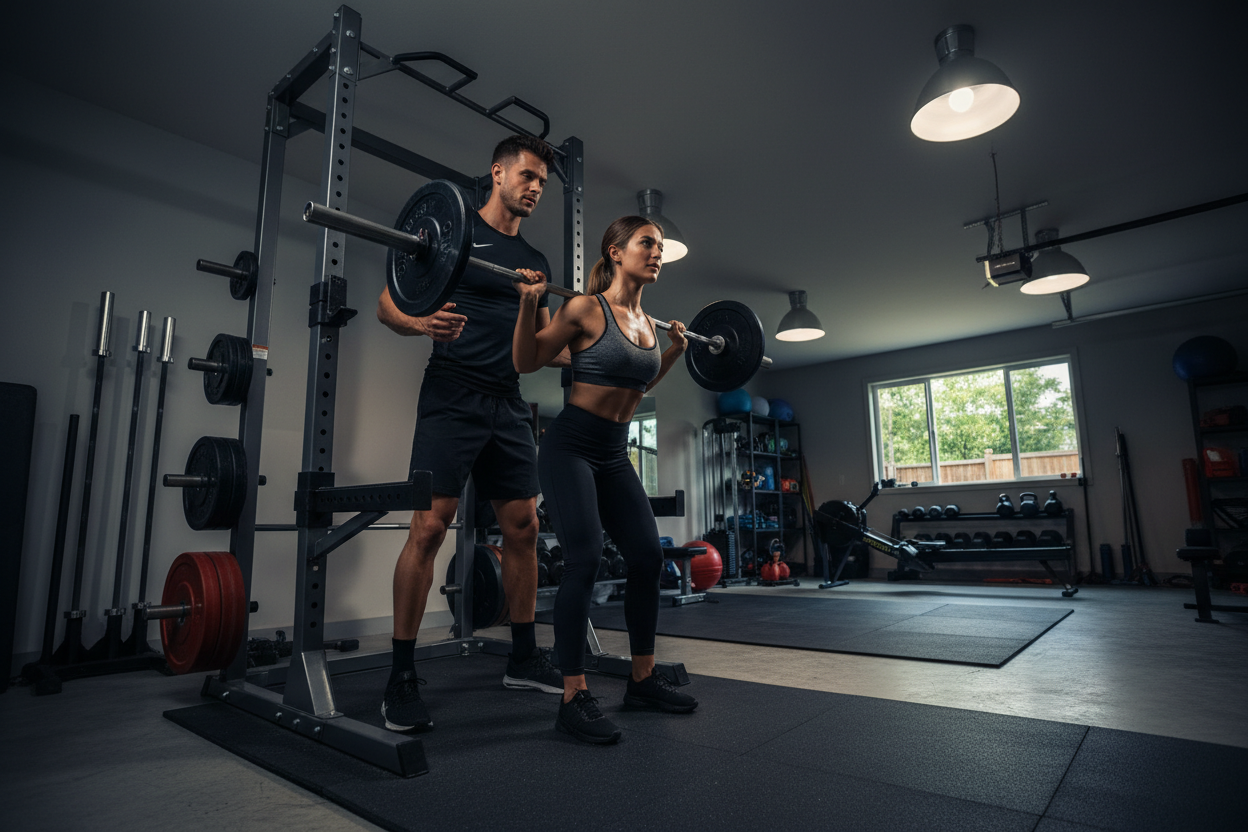
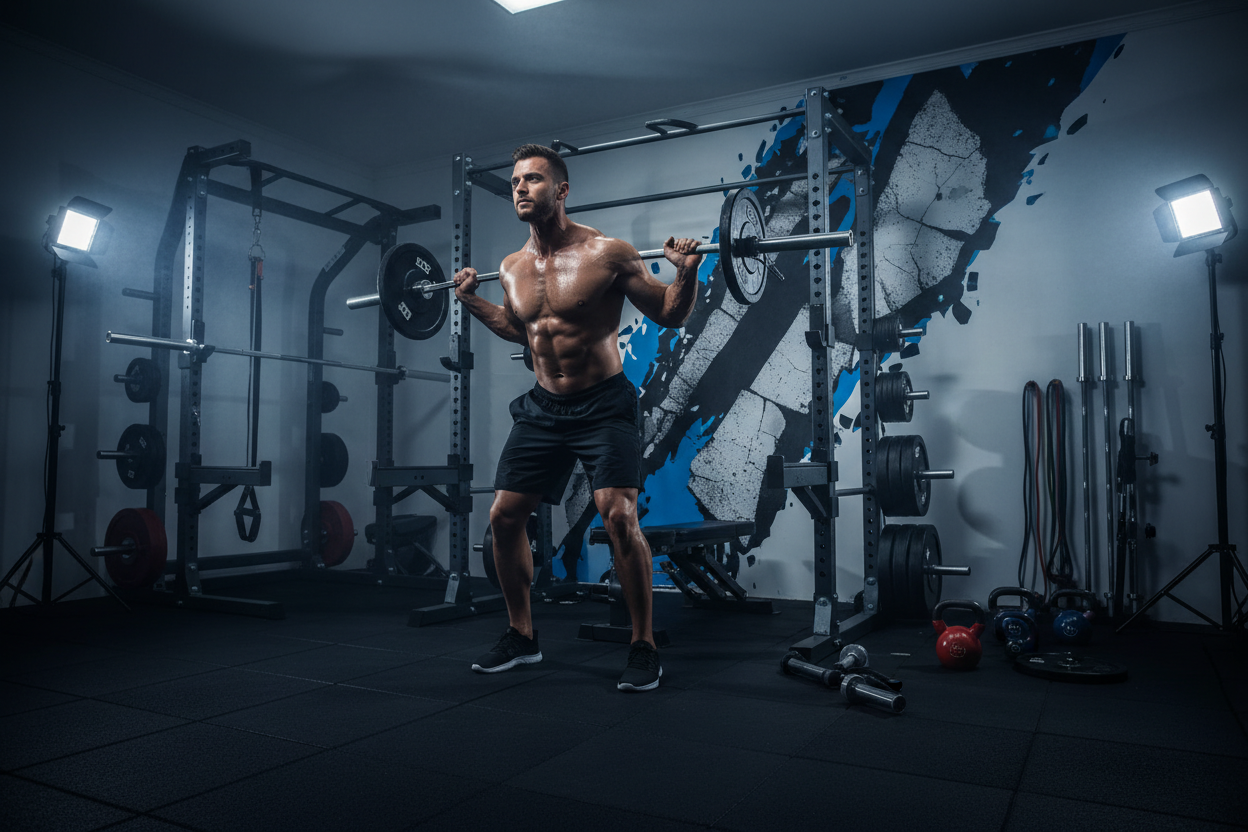
A modern home gym is simply a dedicated space optimized for resistance training or cardiovascular health. This ranges from a minimalist setup with adjustable dumbbells and a bench to a full garage conversion featuring a power rack, Olympic platform, and cable systems. The definition isn't about the square footage; it is about the capability to perform compound movements safely.
The Science: Why Location Doesn't Matter
Physiologically speaking, the venue of your training is irrelevant. Hypertrophy (muscle growth) and strength gains are driven by mechanical tension, metabolic stress, and muscle damage.
If you can squat 315 pounds in your garage, your quads receive the exact same stimulus as they would squatting 315 pounds at a Gold’s Gym. The effectiveness of a home gym comes down to one variable: Equipment Selection.
The Minimalist Trap
Where home gyms fail is when the equipment doesn't allow for progressive overload. If you only buy a pair of 20-pound dumbbells, you will plateau within months. To make a home gym effective, you need tools that allow you to increase resistance over time. This usually means investing in a barbell, plates, or high-quality adjustable dumbbells.
The "Friction" Factor
The strongest argument for home training is the removal of friction. In behavioral psychology, friction is anything that makes a habit harder to perform.
Going to a commercial gym involves packing a bag, driving, parking, changing, and waiting for equipment. That is a lot of friction. A home gym reduces the commute to ten seconds. This accessibility often salvages workouts that would otherwise be skipped due to a busy schedule. A mediocre workout done consistently beats a perfect workout done sporadically.
My Training Log: Real Talk
I want to be transparent about the unpolished reality of training at home because it isn't always Instagram-worthy. I remember a specific deadlift session last January. My garage isn't insulated, and it was about 35 degrees inside.
I grabbed the barbell, and the aggressive knurling on the rogue bar felt like it was biting straight into my bones because the steel was so cold. It hurt more than usual. I could see my breath fogging up between reps, and the plates made a deafening, hollow clank that echoed differently in the empty garage than in a packed gym.
There was no one there to spot me or hype me up. It was just me, the freezing cold steel, and the silence. That specific isolation forced a level of mental grit I never developed in a heated commercial gym. The effectiveness wasn't just physical; it hardened my mindset in a way that air-conditioned comfort never could.
Conclusion
So, are home gyms effective? Absolutely, but they require you to be your own source of motivation. The equipment will work if you do. If you can embrace the solitude and invest in gear that allows for heavy loading, you can build a physique that rivals anything built in a commercial facility. The iron weighs the same everywhere.
Frequently Asked Questions
Can you actually build muscle at home?
Yes. As long as you have equipment that allows for progressive overload (increasing weight or reps over time), you can build significant muscle mass at home. Muscles respond to tension, not the location of the workout.
Is a home gym cheaper than a membership?
In the long run, yes. A decent home setup might cost $1,000 to $2,000 upfront. Compared to a $50/month gym membership plus initiation fees and gas money, a home gym typically breaks even around the two or three-year mark.
How much space do I really need?
You need less than you think. An effective workout area can fit in a 10x10 foot space. If you are using dumbbells or kettlebells, you can get by with even less. A full power rack setup usually requires a standard one-car garage bay or a dedicated spare room.