Are Classic Cast Iron Dumbbells Actually Better Than Rubber?
I remember standing in a big-box sporting goods store ten years ago, staring at a wall of shiny, smelling-of-old-tires rubber hex weights. I almost bought them. But then I saw a dusty pair of cast iron dumbbells tucked in the corner. They looked like they belonged in a 1970s Gold's Gym, not a suburban garage. I bought the metal ones, and they’re still sitting in my rack today, while most of my buddies have seen their rubber coatings crack and peel.
There is a specific kind of satisfaction that comes from the 'clack' of metal hitting metal. If you are building a home gym, you are likely stuck between the modern aesthetic of urethane and the raw, utilitarian vibe of iron cast dumbbells. It is a choice between something that looks good on Instagram and something that will literally outlast your house.
You do not need a fancy showroom to get strong. You need weight that stays heavy and handles that do not slip when you are sweating through your third set of presses. Let’s get into why bare metal is still the king of the basement.
- Longevity: Cast iron does not rot, peel, or smell like a chemical factory.
- Compact Size: Metal dumbbells are typically smaller than rubber-coated ones of the same weight.
- Cost: You will almost always pay less per pound for iron dumbbells for sale.
- Maintenance: They require a little oil, but they handle abuse better than plastic.
The Undeniable Appeal of Cold, Hard Metal
When you pick up a cast iron dumbbell, you feel the history of lifting. These are not toys. A cast hex dumbbell is a solid chunk of gray or black iron designed for one purpose: being heavy. Unlike rubber-encased weights, which use a thick layer of padding to hide often inferior cores, metal dumbbells are honest. What you see is what you get.
The profile of a steel dumbbell is usually slimmer than its rubber counterpart. This matters more than you think. When you are doing heavy rows or presses, a bulky rubber head can limit your range of motion or clank against your thighs. With a cast iron dumbbell set, the weight is more concentrated, giving you a tighter, more controlled feel during your lifts. It is the difference between swinging a sledgehammer and swinging a foam bat.
Plus, there is the aesthetic. A rack full of iron hex dumbbells looks like a place where work gets done. It does not look like a playroom. If you appreciate the raw, industrial look of weight plates steel and exposed bolts, bare metal is the only way to go.
Durability: Will Bare Iron Actually Survive Your Garage?
I have seen rubber dumbbells literally split in half after being dropped on a cold garage floor. The bond between the handle and the rubber head is a common failure point. With a solid iron dumbbell set, that is almost never an issue. These things are built to be dropped, though your floor might disagree.
The real enemy of iron dumbbells is not impact—it is moisture. If you live in a humid climate, bare metal dumbbells for sale will eventually develop a fine layer of surface rust. It is not a death sentence. A quick wipe-down with a wire brush and a coat of 3-in-One oil once or twice a year keeps them looking new. Compare that to rubber, which eventually 'off-gasses' a nasty smell or becomes sticky as the material breaks down. You cannot fix rotting rubber, but you can always clean up steel dumbbells.
I have owned a metal weight set for a decade. A few chips in the paint? Sure. But the structural integrity is exactly the same as the day I bought them. They are the ultimate 'buy once, cry once' investment for any serious lifter.
The Price Tag: Why Iron Always Wins the Budget War
Let’s talk numbers. Outfitting a full gym with premium dumbbells or stainless steel dumbbells can cost a small fortune. Usually, you are looking at $2.50 to $3.00 per pound for the high-end stuff. Basic cast iron dumbbells for sale frequently hover around $1.00 to $1.50 per pound, especially if you buy them in a set.
When you are buying a full run from 5 lbs to 50 lbs, that price difference is enough to buy a high-quality barbell or a decent squat rack. A metal dumbbell set allows you to stretch your budget further without sacrificing the actual weight you are lifting. 50 pounds of iron is just as heavy as 50 pounds of urethane, but it leaves more cash in your pocket for other gear.
Even if you find a cast iron dumbbell set with rack included, the shipping is often the biggest hurdle. However, because metal is so durable, you can often find a used steel weights set on local marketplaces for pennies on the dollar. People move and realize they don't want to haul 500 lbs of iron with them. That is where you win.
Grip and Odor: The Unspoken Realities of Bare Metal
One thing nobody tells you about metal hand weights is the smell. After a heavy session, your hands will smell like a handful of loose change. It is that distinct metallic scent of iron reacting with your sweat. To me, it is the smell of progress, but some people hate it. If you want a scent-free experience, go with a stainless dumbbell, but prepare to pay a massive premium.
Then there is the grip. Most iron hand weights feature a knurled steel handle. This knurling is vital. It bites into your skin just enough to keep the weight from sliding when your palms are slick. When I am doing a high-rep shoulder dumbbell routine, I want that aggressive texture. Rubber-coated handles often feel 'mushy' or slick by comparison.
The knurling on a solid steel dumbbell is usually more consistent than the cheap chrome handles found on budget rubber sets. If the knurling is too sharp, a little sandpaper can dull the edges. If it is too flat, you are stuck. Bare metal gives you the most authentic 'barbell feel' in a dumbbell format.
Storage and Floor Protection (Don't Skip This)
If you drop a 25 lb cast iron dumbbells set on your bare concrete floor, something is going to break, and it probably won't be the dumbbell. Metal is unforgiving. You absolutely need horse stall mats or some kind of thick rubber flooring if you plan on using metal weights set in your home.
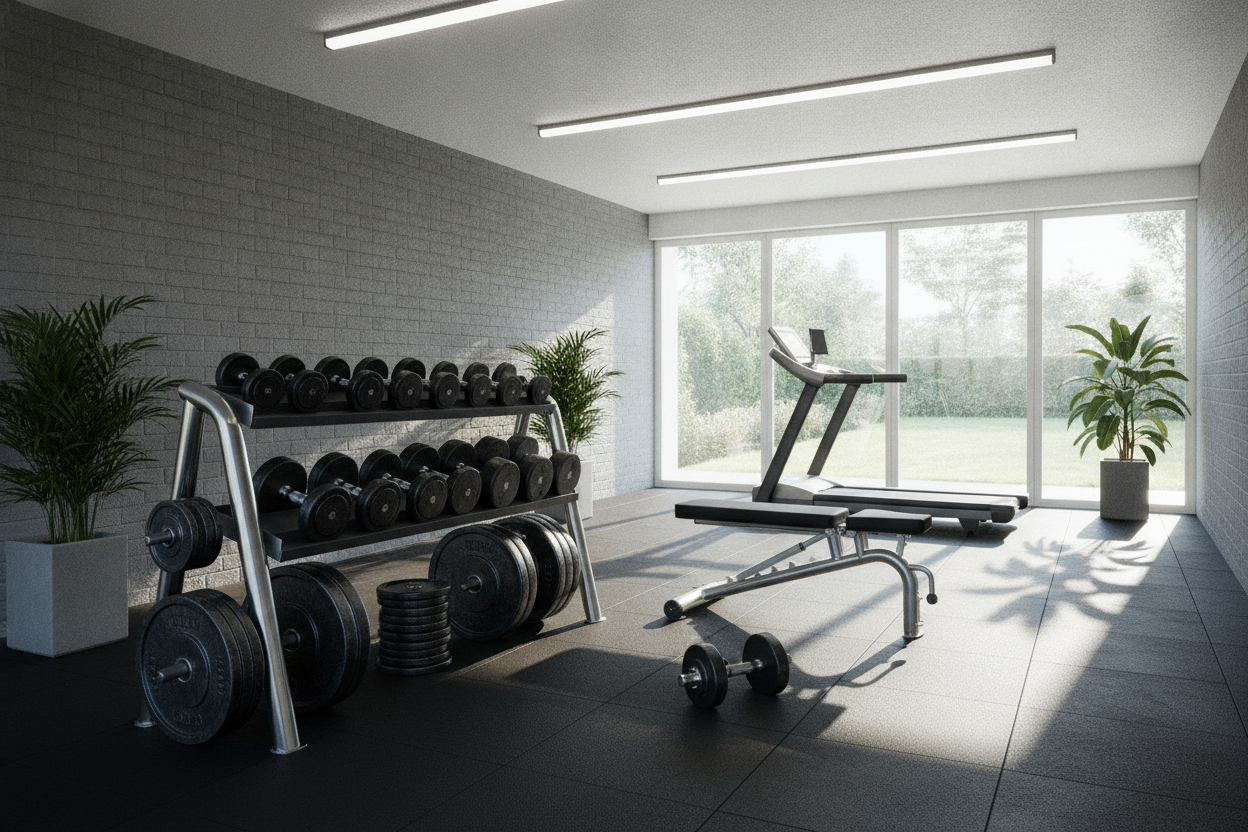
Storage is the next hurdle. Because they don't have a protective coating, stacking them in a pile will lead to chipped paint and more rust. You need a dedicated rack. If you are handy, you can save some cash by building a DIY dumbbell rack for under $50. This keeps your steel hex dumbbells off the floor and organized by weight.
Proper storage also prevents you from stubbing your toe on a piece of solid iron in the middle of the night. Trust me, the iron wins that fight every single time. Keeping your metal dumbbell weight organized makes your transitions between sets faster and keeps your gym space from looking like a scrap yard.
The Verdict: Should You Go Old School?
If you want gear that your grandkids can use, buy cast iron. They are rugged, affordable, and provide a better grip than almost any rubber-coated option on the market. While they require a tiny bit of maintenance to prevent rust, the trade-off in durability and cost is worth it for most home lifters.
If you are just starting out, I recommend looking for a cast iron hex dumbbell set. The hex shape prevents them from rolling across the floor, which is a safety must. Once you have your weights, you can pair them with a solid weight set and bench combination to handle 90% of your training needs. You don't need a gym membership when you have a pile of iron and a plan.
For the lifter who values function over fashion, the choice is clear. Get the metal. Embrace the clank. Get to work.
Is the rust on cast iron dumbbells dangerous?
Surface rust is mostly cosmetic. It won't hurt you, but it can stain your clothes or your gym floor. A quick scrub with a wire brush and a light coat of oil or spray paint fixes it in ten minutes.
Do metal dumbbells weigh exactly what they say?
Standard cast iron can have a weight tolerance of about 3% to 5%. This means a 50 lb dumbbell might actually be 48 lbs or 52 lbs. If you need perfection, you have to pay for machined steel dumbbell weights, which are much more expensive.
Are hex-shaped dumbbells better than round ones?
For home gyms, yes. Hex dumbbells won't roll away when you set them down, and they are much more stable for floor-based exercises like renegade rows or push-ups on the handles.