A 20-Minute Beginner Cardio Workout at Gym (That Isn't Running)
I remember my first day back at a big-box commercial gym after a long hiatus. I walked in, saw fifty people staring blankly at overhead TVs while trudging away on treadmills, and almost walked right back out. It felt like a factory for human hamsters. Most people fail their new year's resolutions because they try to 'run' their way into shape, despite hating every second of it. If your idea of a beginner cardio workout at gym is surviving 45 minutes of boredom on a single rubber belt, you are setting yourself up for a burnout.
- Stop the 45-minute treadmill slog.
- Rotate machines every 5 minutes to keep the brain engaged.
- Focus on form and heart rate, not maxing out the resistance.
- Build a baseline engine without the joint pain of constant running.
The 'Death March' Trap Ruining Your First Week
The biggest mistake I see rookies make is what I call the 'Death March.' You walk in, pick the first machine you recognize, hit 'Quick Start,' and then stare at that red digital clock like it’s a countdown to your execution. By minute twelve, your knees hurt, your lower back is tight, and you’re wondering why anyone does this for fun. This is why most people quit. A successful cardio gym plan for beginners shouldn't be a test of your mental misery; it should be about building a baseline.
When you stay on one machine for too long as a beginner, you’re hitting the same movement pattern over and over. If your form is slightly off—which it usually is when you're starting—you’re just hammering an impending injury into your joints. Breaking your session into smaller chunks isn't 'cheating.' It's a strategic way to keep your heart rate up while giving your brain and your connective tissues a much-needed break from repetitive stress.
Why We Are Going to 'Station Hop' Instead
Psychologically, five minutes is nothing. You can do anything for five minutes. By the time you start getting bored or your form starts to slip, you’re moving to a completely different piece of equipment. This 'station hopping' approach turns a 20-minute slog into four quick sprints. It keeps the workout moving fast and ensures you’re using different muscle groups, which is the hallmark of a high-quality beginner gym cardio workout.
I’ve used this exact method to get friends back into the gym who haven't worked out in a decade. It works because it removes the intimidation factor. You aren't 'the person on the treadmill'; you're an athlete moving through a circuit. If you’ve historically struggled to stay consistent because you find aerobic work mind-numbingly dull, check out My 3-Day Gym Home Workout Plan (For People Who Hate Cardio) for more ways to trick yourself into getting fit.
The 20-Minute Protocol (Print This Out)
Here is your exact gym cardio routine for beginners. No thinking required—just find the machines and go.
- 0:00-5:00: The Rower. Sit tall, drive with your legs, and keep the damper (the lever on the side) between 3 and 5. Focus on a smooth rhythm rather than pulling as hard as you can.
- 5:00-10:00: The Bike. Move to a stationary or AirBike. Keep a steady cadence where you can still breathe through your nose. If you're gasping, slow down.
- 10:00-15:00: Incline Treadmill Walk. No running! Set the incline to 3.0 or 4.0 and walk at a brisk pace (around 3.0 to 3.5 mph). This hits your glutes and calves differently than the bike or rower.
- 15:00-20:00: Floor Cooldown. Drop to the floor. Do some light stretching, cat-cow stretches, or just a slow walk around the gym floor to let your heart rate settle.
How to Actually Set the Resistance on These Machines
One of the most common sights in a gym is a beginner cranking the rower damper to 10 or the bike resistance to 'Mountain' because they think harder is always better. It’s not. Cranking the resistance too high before you have the aerobic base is like trying to drive a car in fifth gear at 10 miles per hour. You’ll stall out. When you're learning cardio exercises for beginners at gym, your goal is 'conversational pace.'
If you can’t say a full sentence without gasping for air, you’ve gone too far. For the rower, a damper setting of 3 to 5 actually mimics the feel of a boat on water. For the bike, find a resistance where you can maintain 80-90 RPMs without your hips rocking side to side. Don't worry about the person next to you going 100 mph; they’ve likely been doing this for years, or they're about to burn out in three minutes.
Taking This Mentality Back to Your House
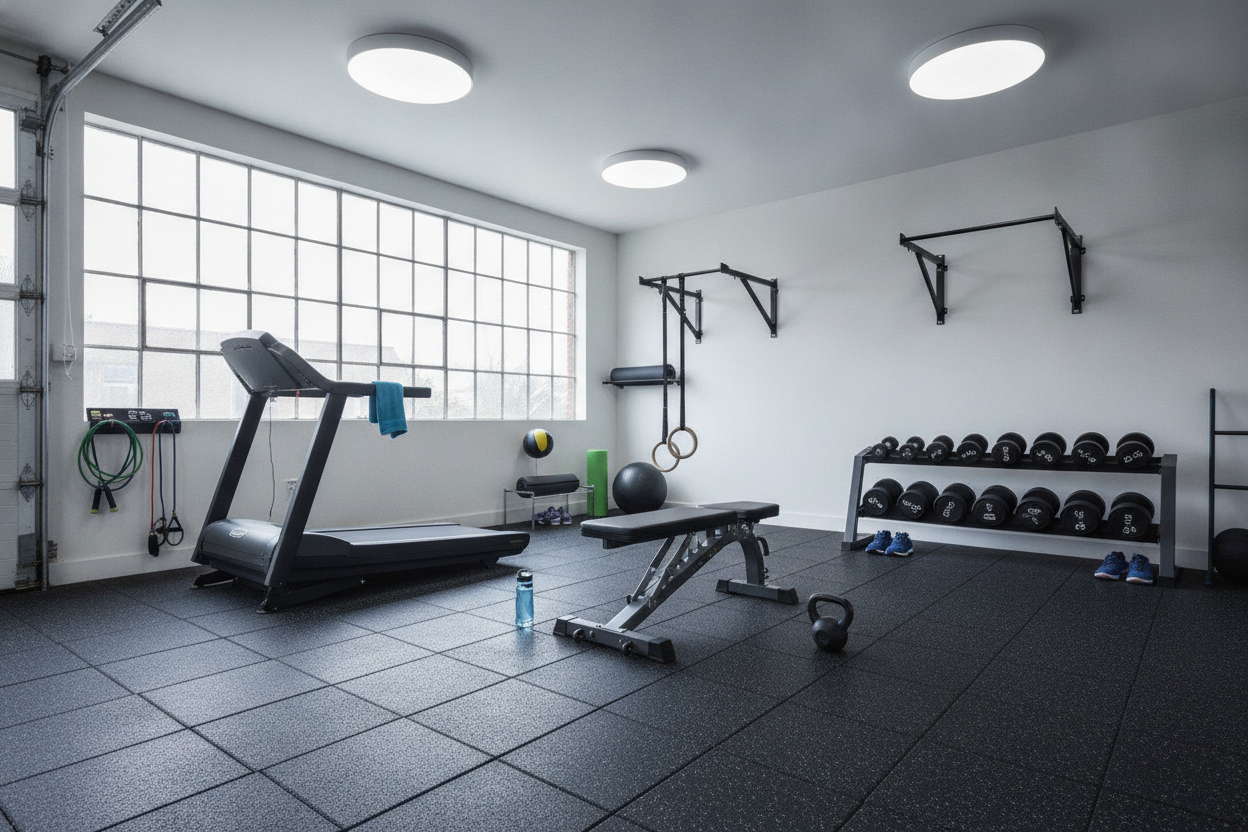
Eventually, you might get tired of the commute to the gym. The beauty of this cardio training plan for beginners is that it’s easily adaptable to a home setup. You don't need a $2,000 treadmill. You can swap the rower for a jump rope, the bike for high knees, and the incline walk for some basic bodyweight lunges or stepping onto a sturdy box.
If you do decide to train at home, stop doing burpees on your hardwood or concrete floor—your knees will thank you later. I always suggest using a Large Exercise Mat For Cardio 6X12 to give yourself a dedicated, padded space for those floor-based movements and cooldowns. It makes the transition from 'gym member' to 'garage athlete' much more comfortable.
What to Do When You Are Ready for Iron
Cardio is the foundation—it's the engine that keeps the lights on. But once you've spent two or three weeks hitting this 20-minute circuit and you realize you aren't dying after the first five minutes, it’s time to think about durability. Aerobic fitness is great, but strength is what protects your joints and keeps you moving well into your 80s.
Once you’ve mastered this cardio workout program for beginners, don't be afraid to wander over to the weight rack. If the idea of barbells still feels a bit much, I wrote a guide on how I Swapped Endless Cardio for This Workout for Beginners with Weights that can help you bridge the gap. Build the engine first, then build the chassis.
FAQ
Do I need special shoes for this?
Not really. Any decent pair of cross-trainers or running shoes will work. Just avoid lifting-specific shoes with a wooden heel, as they’re too stiff for the rowing and walking portions.
How many times a week should I do this?
Start with three days a week. Give yourself a day of rest in between to let your legs recover. Consistency beats intensity every single time.
What if the gym is crowded and I can't get the next machine?
Don't sweat it. If the bike is taken, stay on the rower for another five minutes or do five minutes of bodyweight squats and jumping jacks in the corner. The goal is to keep moving, not to follow the list perfectly.