7 Brutal Facts About Weight Lifting No One Tells Beginners
I remember standing in my garage at 5 AM, the temperature hovering just above freezing, staring at a barbell that felt like an icicle. I’d just dropped three hundred bucks on a 'beginner' set that turned out to have the structural integrity of a wet noodle. We’ve all been there—scrolling through feeds of shredded influencers and thinking a new pair of shoes or a shiny chrome rack is the secret sauce. The reality of facts about weight lifting is much less glamorous, but a whole lot more rewarding if you can stomach the truth.
- Consistency beats intensity every single day of the week.
- Your central nervous system will give up before your muscles do.
- Rest days are not 'lazy' days; they are growth days.
- The best equipment is the stuff you actually use until the paint chips off.
The Fitness Industry Sells Magic, But Lifting Is Blue-Collar Work
If you scroll through social media, you’d think building a physique is all about neon lights, high-energy soundtracks, and 'secret' hacks. It’s not. These weight lifting facts are boring: it’s about moving heavy objects from point A to point B, over and over, for years. My garage gym isn't a sanctuary of perfection; it’s a place where I’ve bled on the knurling and failed more reps than I’ve made. Building muscle is blue-collar work. You punch the clock, you do the sets, and you go home. There are no shortcuts, just the slow accumulation of strength facts earned through sweat.
Fact 1: You Cannot Program-Hop Your Way to Strength
The biggest mistake I see is 'shiny object syndrome.' You find a program, run it for two weeks, see a guy on YouTube doing something else, and switch. Stop it. These facts about strength training are clear: your body needs repeated exposure to a specific stimulus to adapt. If you’re constantly changing your movements, you never master the technique or the load. Stick to a boring linear progression for at least six months. You don't need a 'new' stimulus; you need to get better at the one you already have. These weightlifting facts don't sell magazines, but they build 400-pound deadlifts.
Fact 2: The Barbell Doesn't Care About Your Ego
I’ve seen guys walk into a gym, load up three plates on a bench, and do two-inch 'reps' just to look tough. That’s a fast track to a torn pec and six months of physical therapy. One of the most vital lifting facts is that the weight is just a tool. If you can’t control the descent or hit a full range of motion, the weight is too heavy. You need to find the right weights for strength training that allow you to maintain form while still hitting that RPE 8 or 9. The barbell is an objective judge; it doesn't care about your Instagram caption.
Fact 3: Recovery Is Where the Actual Growth Happens
You don't get stronger in the gym. You get weaker in the gym. You’re literally tearing muscle fibers apart. The resistance training facts most people ignore is that growth happens while you’re sleeping or eating steak. If you’re training six days a week on four hours of sleep, you aren't 'hardcore'—you're just stalling your progress. Systemic fatigue is real. These facts about weight training prove that your nervous system needs a break. If your grip starts failing on warm-up sets, your body is telling you to take a day off. Listen to it.
Fact 4: Fancy Gear Won't Save a Bad Work Ethic
I love gear. I’ve got a rack that cost more than my first car. But I’ve also seen guys get jacked in a basement with nothing but a rusty bar and some concrete plates. While certain strength training accessories like a solid leather belt or some chalk can help you push past a plateau, they are supplements to effort, not replacements for it. Don't spend six months researching the 'perfect' sleeve if you haven't even spent six weeks consistently squatting. These facts about lifting weights remind us that the work is the constant; the gear is the variable.
Fact 5: You Have to Earn the Right to Use Machines
Machines are great for isolation, but they shouldn't be your foundation. When you use weight lifting machines, the equipment handles the stabilization for you. That’s fine if you’re a pro bodybuilder chasing a pump, but as a beginner, you need to build those stabilizer muscles through free weights. Master the goblet squat before you live on the leg press. These strength training facts emphasize that a strong core and stable joints are built by controlling a weight in free space, not just pushing a lever on a fixed path.
Building a No-BS Home Gym Around These Truths
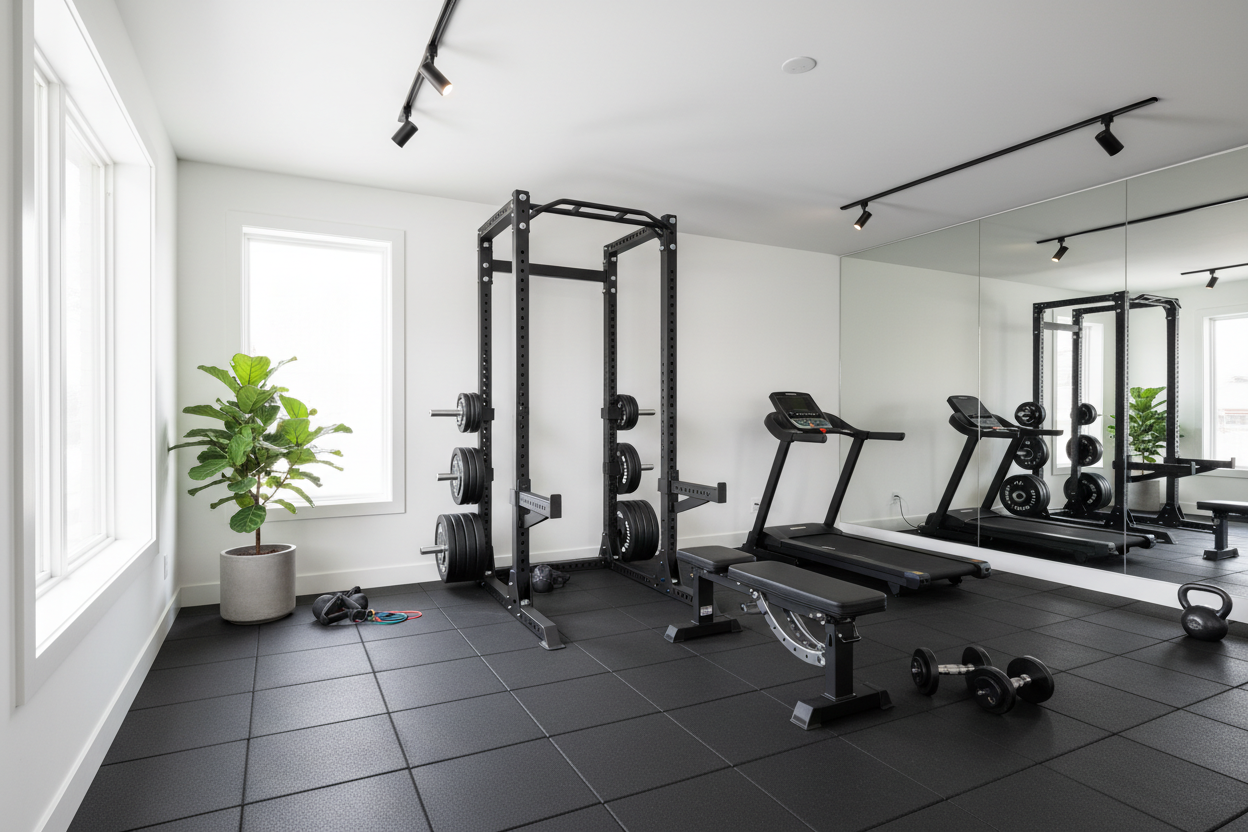
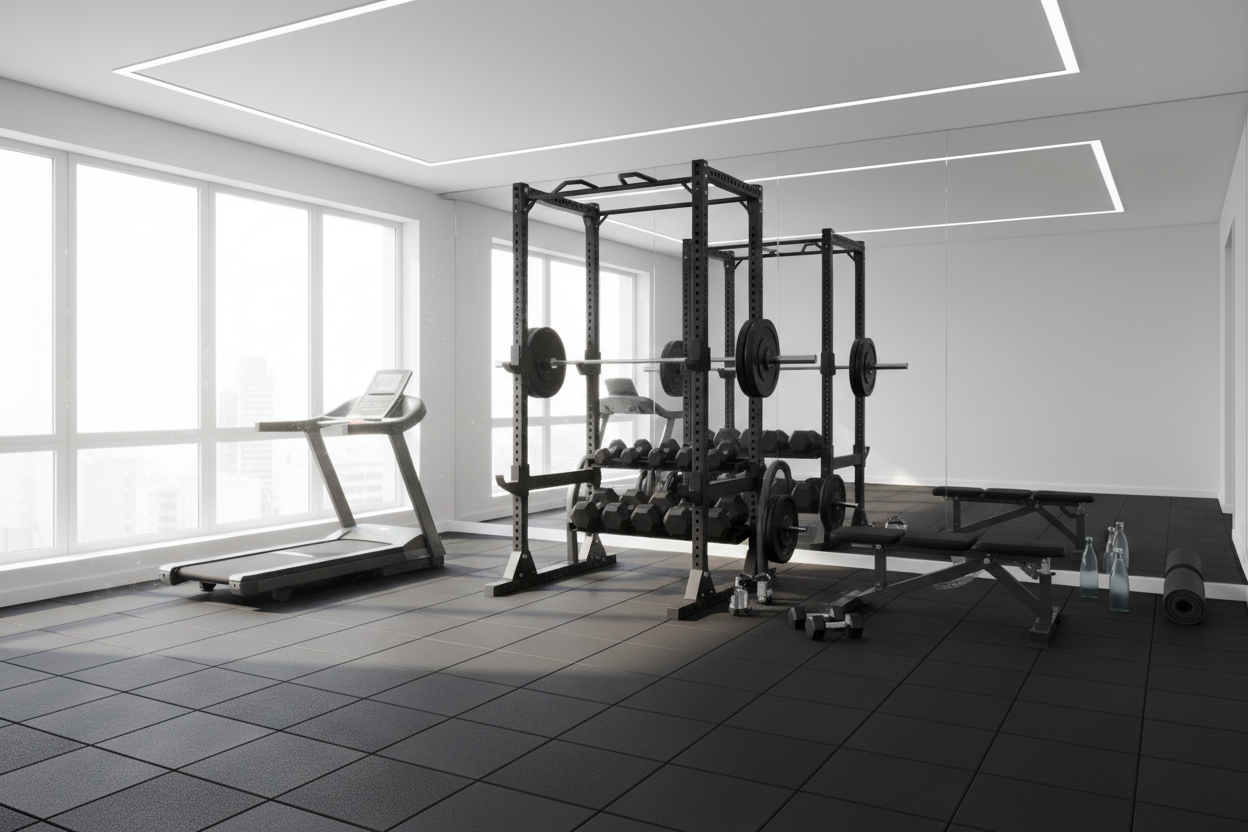
If you’re tired of the commercial gym crowds, building a home setup is the move. But don't buy a 20-piece circuit. Focus on choosing the best strength and weight training equipment that covers the basics: a rack, a bar, and plates. A foundational piece like a heavy-duty adjustable weight bench will get you through 90% of your training needs. Spend your money on things that won't break when you drop them. These facts about strength show that simplicity always wins in the long run. My best workouts happen when it's just me, a heavy bar, and a plan I've stuck to for twelve weeks straight.
My Personal Lesson in Hubris
Years ago, I bought a cheap squat rack off a discount site because it looked 'good enough' in the photos. The first time I tried to re-rack 275 lbs, the uprights swayed like a palm tree in a hurricane. I had to bail the bar and ended up putting a hole in my drywall. I learned that 14-gauge steel has no business holding heavy loads. I spent more money fixing the wall and buying a real rack than if I’d just bought the quality 11-gauge steel version from the start. Buy once, cry once.
FAQ
How many days a week should I lift?
For most people, 3 to 4 days is the sweet spot. It allows for high intensity while leaving enough room for systemic recovery. Quality over quantity always wins.
Do I really need supplements?
No. Creatine and protein powder are convenient, but they won't fix a bad diet. Eat real food first, then worry about the powders.
What's the most important lift?
There isn't one. However, the 'Big Three' (Squat, Bench, Deadlift) are the most efficient ways to move the most weight and trigger the most growth. Master those first.