4 Heavy Glutes Weight Exercises You Can Do With Just a Rack and Bench
I spent years waiting in line for that one beat-up hip thrust machine at my local commercial gym. It was usually covered in someone else's sweat, and the pivot point felt like it was designed for a toddler. I finally realized that my best glutes weight exercises were happening in my garage with the most basic tools available: a rack, a bar, and a bench.
- Forget single-use machines; a rack and bench are far more versatile for a glutes weight workout.
- Stability is king for glute recruitment—if you are wobbling, you are not growing.
- Rack-assisted movements allow for heavier loading without balance issues.
- Always check your bench height; a few inches can change the entire leverage of a lift.
Why Specialized Glute Machines Are Mostly Overrated
Commercial gyms love those massive, single-purpose weight lifting machines because they look impressive to new members and justify high monthly fees. In reality, they take up a massive footprint and often force your joints into a fixed path that might not fit your specific femur length or hip anatomy.
Free weights offer a superior range of motion. When you use a barbell or dumbbell, your stabilizing muscles have to fire to keep the weight on track. This leads to better overall development than just pushing a lever from point A to point B. Plus, you won't have to wait twenty minutes for someone to finish scrolling on their phone while sitting on the machine you need.
The Core Setup: Maximizing a Simple Rack and Bench
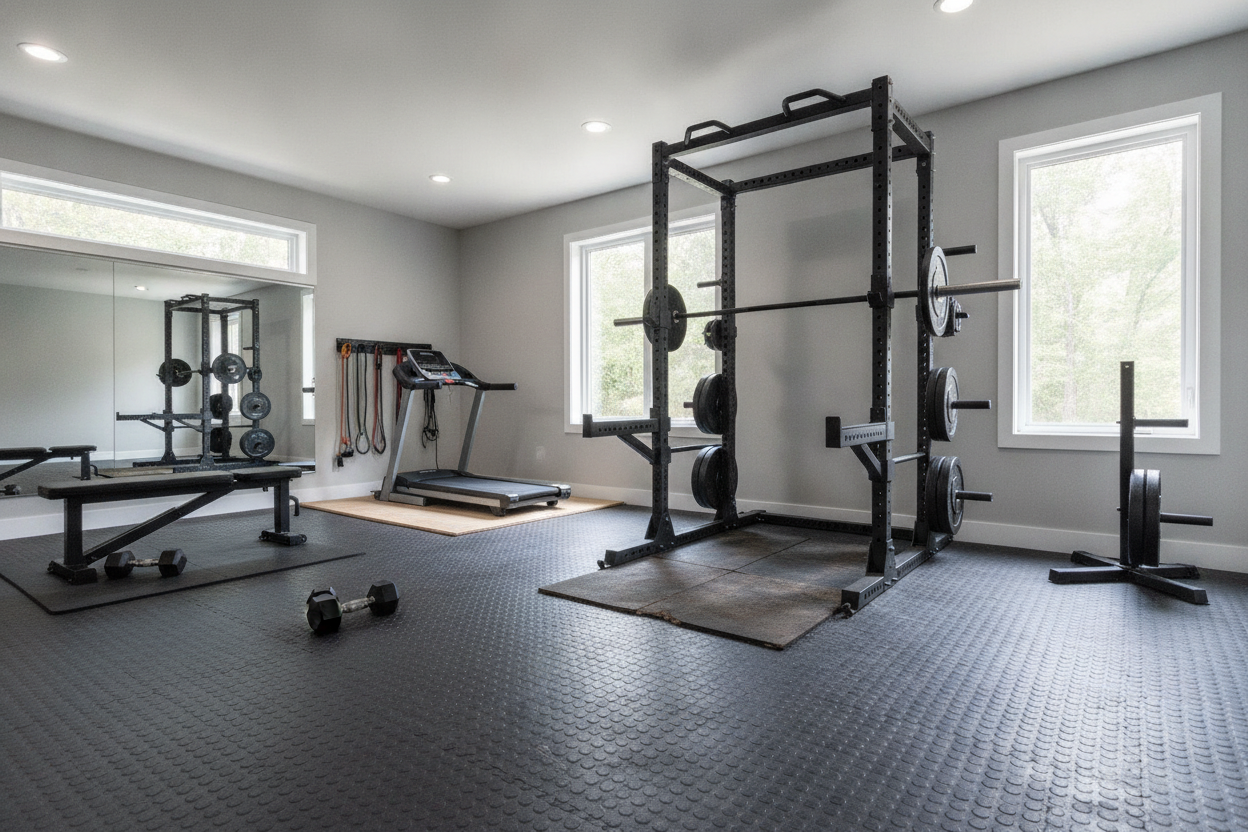
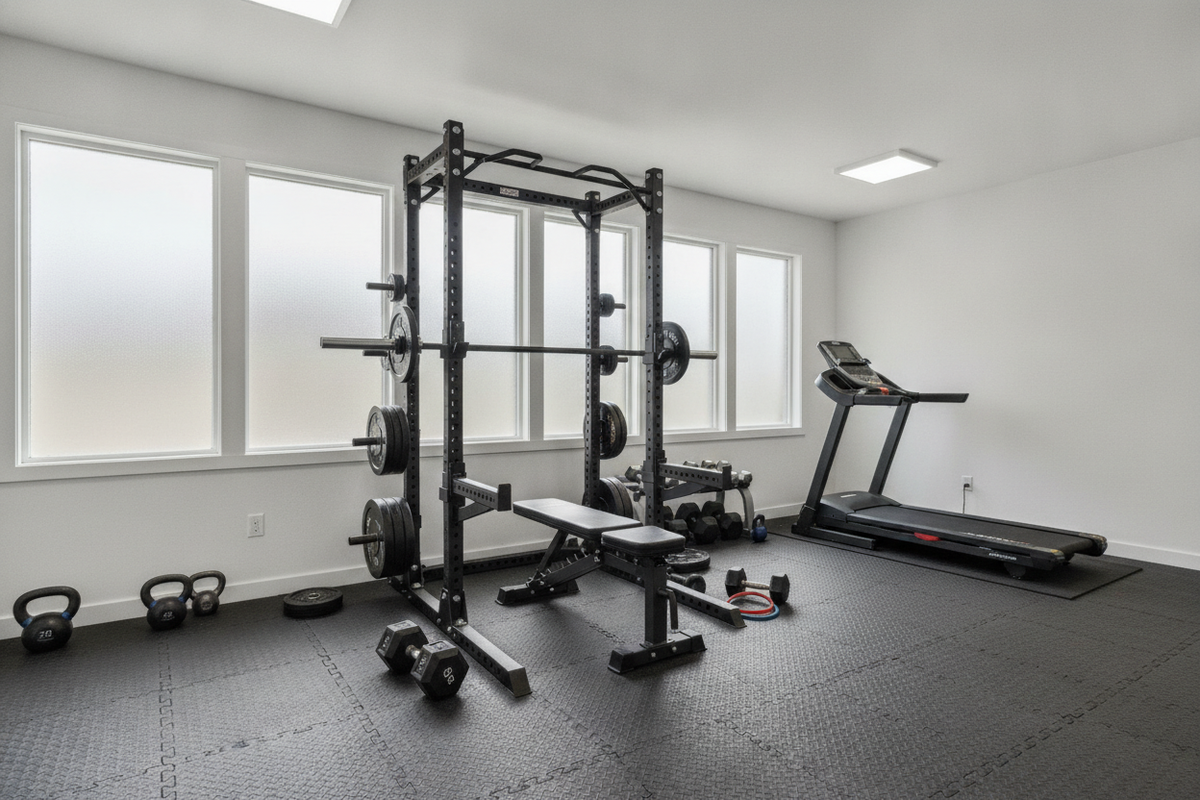
If you are building a home gym, don't overcomplicate the floor plan. A solid power rack weight bench package gives you everything you need for a brutal leg day without needing a spotter. You want uprights that do not wobble when you re-rack 315 lbs and a bench that does not feel like a pool noodle under load.
A rack with 2x3 or 3x3 steel is the gold standard for stability. When you are performing a weight workout for glutes, you need to feel anchored. If the equipment moves, your brain will subconsciously cut power to your muscles to prevent injury. Secure gear equals more weight moved.
Dialing in Your Bench for Proper Leverage
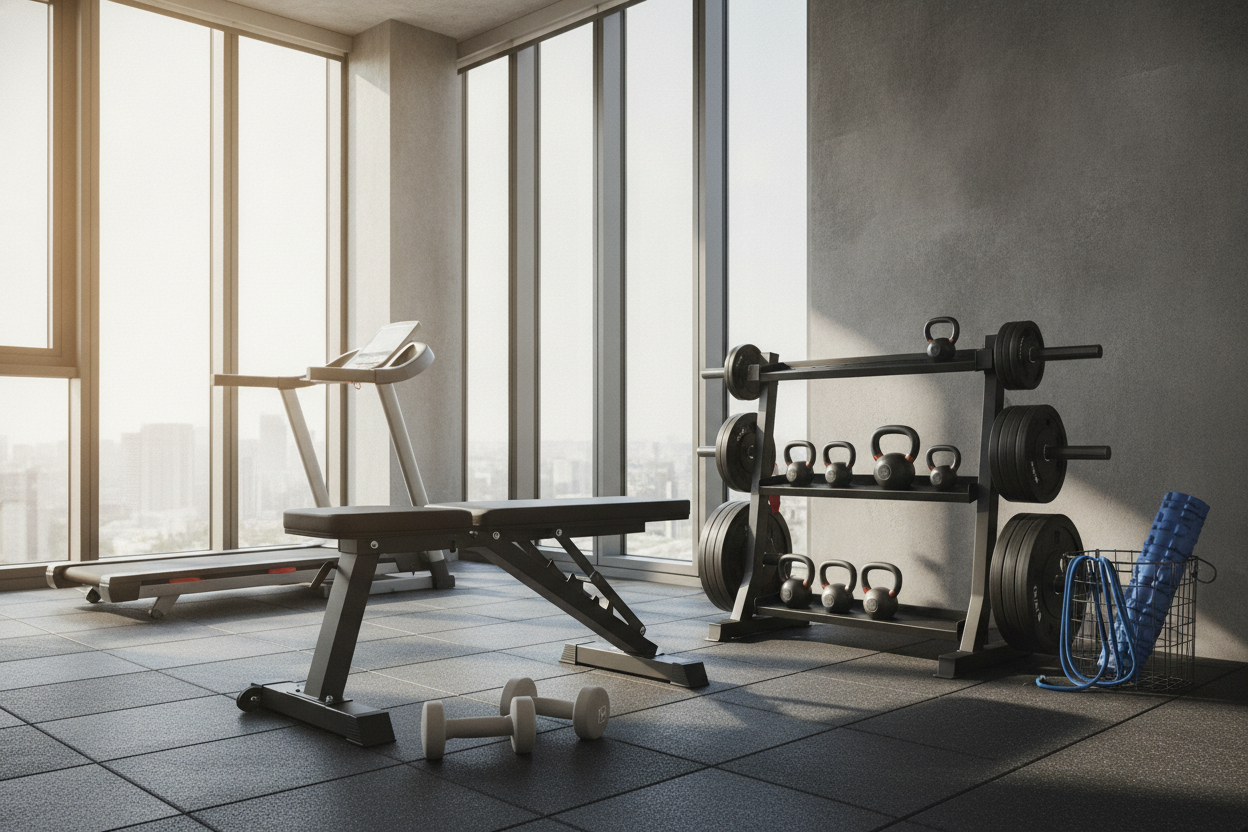
The bench is your anchor for half of these movements. I recommend using a sturdy adjustable weight bench that features a grippy vinyl pad. If the material is too slick, your shoulder blades will slide right off during a heavy hip thrust.
Height matters too. Ideally, your bench should sit about 16 to 18 inches off the ground. If it is too tall, you will struggle to get your hips high enough to reach full lockout. If it is too short, you lose the stretch at the bottom of the movement. I often wedge my bench against the rack's crossmember so it literally cannot slide backward while I drive my heels into the floor.
The 4 Glutes Weight Exercises You Actually Need
Stop doing endless sets of bodyweight kickbacks. If you want a stronger posterior chain, you need to move heavy iron. These four movements are the staples of my routine because they allow for progressive overload—the only real way to see results over time.
1. The Rack-Supported Romanian Deadlift (RDL)
The RDL is the king of the hip hinge. By setting your rack safety pins just below the knee, you can start the lift from the top down. This saves your lower back from the initial pull off the floor and lets you focus entirely on the eccentric stretch. Push your hips back until you feel a deep tug in the hamstrings, then squeeze your glutes to stand back up. Don't let the bar drift away from your shins.
2. Bench-Supported Heavy Hip Thrusts
This is the gold standard for glute isolation. Position your shoulder blades against the long edge of the bench. With the barbell nestled in your hip crease (use a pad, trust me), drive through your heels until your torso is parallel to the floor. Your shins should be vertical at the top. Hold that peak contraction for a second before lowering. This is where a heavy-duty bench proves its worth; you do not want a cheap frame creaking under 400 lbs.
3. Rack-Assisted Bulgarian Split Squats
Bulgarians are notorious for being a balance nightmare. Fix this by setting up next to your power rack. Hold a heavy dumbbell in one hand and lightly grip the rack upright with the other for stability. This removes the balance variable and allows you to load the movement much heavier than you could otherwise. Lean your torso slightly forward to put more emphasis on the glute rather than the quad.
4. The Heavy Dumbbell Step-Up
Use your flat bench for this. Place one foot on the bench and lean forward. The key here is to not 'cheat' by pushing off with your bottom foot. All the work should be done by the leg on the bench. Focus on a slow, three-second descent. That eccentric control is what builds serious muscle density and strength.
Structuring Your Weight Workout for Glutes
You do not need to do twenty exercises. Pick two of these movements per session and rotate them. For example, Monday could be Rack RDLs and Bulgarian Split Squats. Thursday could be Hip Thrusts and Step-Ups. Aim for 3 to 4 sets of 8 to 12 reps. If you can easily hit 12 reps, the weight is too light. Add five pounds next time.
Rest periods should be at least two minutes. Big compound movements drain your central nervous system. If you rush back into the next set while you are still gasping for air, your lungs will give out before your glutes do. Give yourself time to recover so every rep is high quality.
Don't Skip the Blood Flow Before You Lift
Heavy posterior training requires primed hips and knees to prevent injury. I have made the mistake of jumping straight into a 3-plate RDL and my lower back paid for it for a week. Do a quick 10-minute low impact hiit warm up to elevate your core temperature and lubricate the joints before you touch the barbell.
Personal Experience: The 'Cheap Bench' Lesson
A few years back, I tried to save $100 by buying a generic bench from a big-box store. During a set of 315-lb hip thrusts, the backrest adjustment pin sheared off. The bench collapsed, the bar rolled onto my shins, and I was lucky I didn't break a leg. Since then, I only train on equipment with a weight capacity that is at least 20% higher than what I plan to lift. Buy once, cry once—your safety is worth the extra investment.
FAQ
Can I do these with just dumbbells?
Yes, but you will eventually hit a ceiling. A barbell allows for much heavier loading, which is necessary for long-term glute growth. However, dumbbells are great for the split squats and step-ups.
How high should my bench be?
Standard height is 17 inches. If you are shorter, you might need a 16-inch bench or a small riser under your feet to get the proper mechanics for hip thrusts.
Is it okay to hold the rack for balance?
Absolutely. For unilateral work like split squats, holding the rack allows you to focus 100% on the muscle contraction rather than trying not to fall over. It is a smart training tool, not a crutch.