30 Min Full-Body Workout Gym Guide: Equipment Staging, Compound Architecture, and Floor Foundations
The Efficiency Imperative: Structuring a 30 Min Full-Body Workout Gym Routine
Executing an effective resistance session under a tight schedule requires moving away from isolated single-joint movements and fragmented station hopping. When training time is limited, structuring a 30 min full-body workout gym routine around compound multi-joint movements provides balanced physical stimulus while managing energy expenditure and workflow.
Compound exercises engage multiple muscle groups and articulation points simultaneously. Pairing opposing movement patterns—such as a horizontal press with a horizontal row, or a knee-dominant squat with a hip-dominant hinge—allows one muscle group to recover while its antagonist performs work. This structure maintains training density without requiring prolonged rest periods between sets.
When selecting versatile tools for tight training sessions, consulting a comprehensive equipment full body guide helps identify multi-purpose gear that supports several movement patterns without frequent station changes. Eliminating the need to navigate crowded gym floors keeps heart rates elevated and ensures strict adherence to the session timeframe.
Single-Station Equipment Staging for 30 Minute Full Body Workouts at Gym with Equipment
A major bottleneck during peak gym hours is waiting for machines or wandering between distant weight racks. A successful 30 minute full body workout at gym with equipment relies on a single-station staging strategy: claiming a dedicated footprint and consolidating all necessary implements before starting the clock.
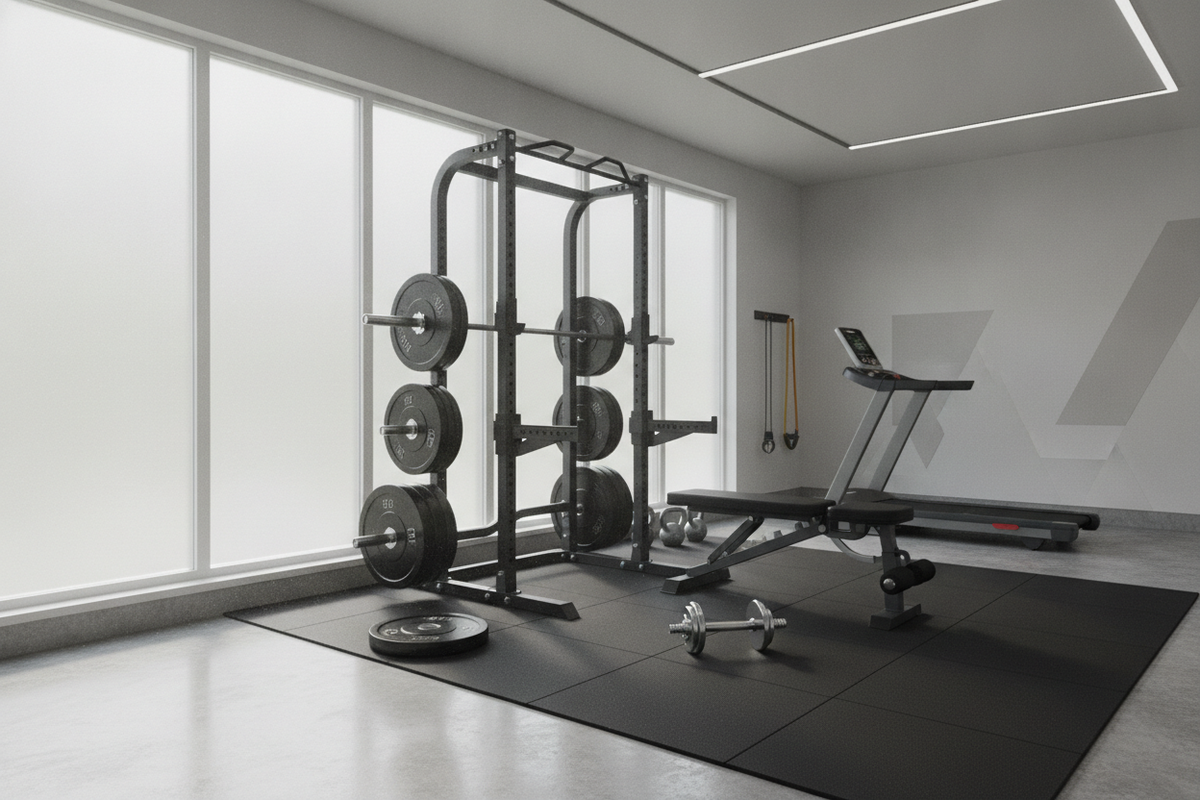
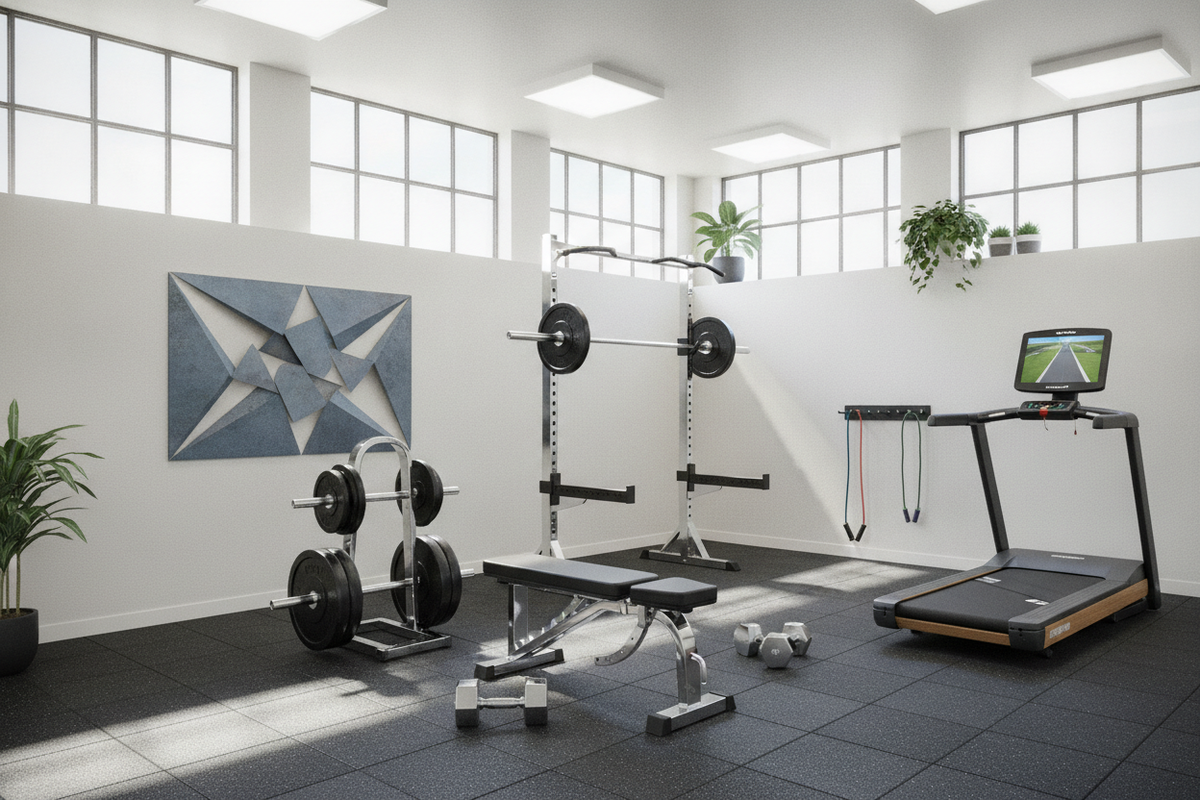
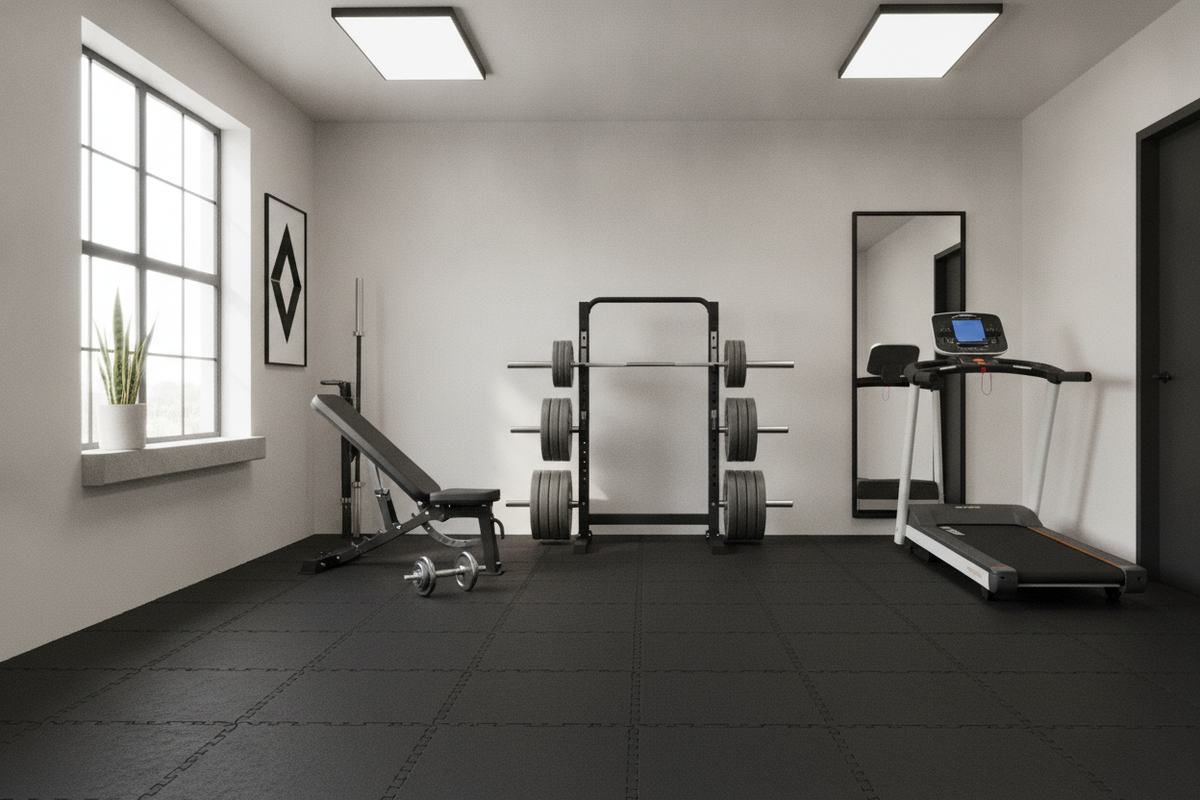
A versatile single station typically revolves around an adjustable utility bench, a selection of moderate-to-heavy dumbbells, and an exercise mat. With this compact arrangement, lifters can perform presses, rows, split squats, hinges, and core work from one central position.
- Dumbbell Selection: Select one lighter pair for overhead pressing or isolation movements and one heavier pair for squats, rows, and deadlifts.
- Adjustable Bench Positioning: Set the bench angle to flat or low incline to accommodate diverse pressing and pulling variations.
- Supportive Flooring Footprint: Place an exercise mat adjacent to the bench to demarcate your zone, support floor exercises, and protect underlying surfaces from equipment contact.
Setting up a streamlined personal training space often involves reviewing a curated gym equipment resource to acquire modular gear that fits compact workout zones.
The 30-Minute Full-Body Gym Blueprint: Block-by-Block Movement Pairing
To maximize output within a half-hour window, divide the workout into three distinct movement blocks. Each block pairs non-competing exercises performed as a superset or paired set, alternating back and forth with controlled rest periods.
Block 1: Lower-Body Push and Upper-Body Pull
Begin the session with high-output movement patterns while physical and mental energy levels are highest. Pair a knee-dominant lower body movement with an upper-body pulling exercise.
- Primary Exercise: Goblet Squats or Dumbbell Front Squats. Emphasize full depth, steady eccentric descent, and upright torso mechanics.
- Antagonist Pairing: Chest-Supported Dumbbell Rows or Bent-Over Rows. Focus on driving elbows past the torso and achieving a thorough squeeze at peak contraction.
- Cadence: Perform continuous sets back and forth with minimal rest between movements, resting briefly upon completing each full pair.
Block 2: Lower-Body Hinge and Upper-Body Push
Transition directly into posterior chain loading paired with an upper-body pressing movement. This combination sustains whole-body tension while shifting primary muscular demands.
- Primary Exercise: Romanian Deadlifts (RDLs). Maintain a soft knee bend and initiate movement by pushing hips backward, keeping dumbbells close to the shins.
- Antagonist Pairing: Incline Dumbbell Bench Press or Overhead Dumbbell Press. Focus on joint alignment and controlled lowering.
- Cadence: Alternate movements with deliberate tempo, maintaining steady breathing throughout.
Block 3: Core Stability and Loaded Conditioning Finisher
Conclude the session with integrated trunk stability and dynamic movements that challenge rotational control and posture.
- Primary Exercise: Alternating Renegade Rows, Plank Knee Drives, or Deadbugs on a stable mat surface.
- Secondary Movement: Farmer’s Carries or Suitcase Carries across the perimeter of your workout zone.
For athletes who enjoy combining conditioning intervals with resistance blocks, exploring a hybrid workout full body guide offers alternative pacing strategies.
Surface Stability, Subfloor Protection, and Mat Foundations for Heavy Loading
Lifting heavy implements in tight footprints places unique mechanical demands on the floor beneath you. Standing on bare concrete, slippery tiles, or excessively soft foam can compromise footing and destabilize joint stacking during loaded squats and overhead presses.
A firm, high-density mat provides reliable traction for athletic footwear, preventing foot sliding during wide-stance lifts or unilateral lunges. Furthermore, dedicated gym mats distribute point-load forces when dumbbells or kettlebells are grounded between sets, reducing acoustic reverberation and shielding subfloors from potential chips or dents.
Creating a reliable foundation for dynamic lifts requires a heavy-duty gym workout product that provides anti-slip traction and impact absorption.
Zone Maintenance and Mat Care in High-Throughput Training Spaces
Dense training routines generate significant sweat and surface friction in a concentrated area. Maintaining clean gym surfaces and properly storing mats ensures long-term performance and hygiene for both commercial facilities and dedicated home gym spaces.
After completing high-intensity intervals or floor-based core sets, wipe down workout surfaces using a non-abrasive cleaner and microfiber cloth. Avoid harsh chemical solvents that can degrade textured rubber or vinyl top layers over time.
For multi-use home spaces requiring rapid transitions between lifting and floor work, a large gym workout product with easy wipe-down surfaces simplifies daily maintenance.
Summary and Practical Progression Framework
A focused 30-minute gym session proves that workout effectiveness depends more on structure, movement quality, and uninterrupted cadence than on total elapsed time. By establishing a dedicated single-station footprint, pairing complementary compound exercises, and relying on a stable mat foundation, lifters can achieve comprehensive full-body training within a constrained schedule.
To progress over time without expanding session duration, gradually increase dumbbell resistance, improve movement tempo control, or reduce intra-set transition pauses. Maintaining structured staging habits ensures each minute in the gym is used efficiently.