You're Overthinking How to Weight Train Properly (Do This)
I remember standing in the middle of a big-box gym at 6:00 PM, surrounded by fifty different machines, feeling absolutely paralyzed. I had a phone full of saved Instagram workouts featuring guys doing 'creative' cable variations that looked more like Cirque du Soleil than actual lifting. If you're currently scrolling through YouTube trying to figure out how to weight train properly, I have some good news: you can ignore 90% of that noise.
Quick Takeaways
- Focus on foundational movements (Squat, Hinge, Push, Pull) instead of isolation machines.
- Track every set and rep; if you aren't tracking, you aren't training.
- Stop doing 'junk volume'—more sets do not always equal more muscle.
- Consistency beats 'muscle confusion' every single day of the week.
The Junk Volume Trap Keeping You Weak
Most beginners fall into the trap of thinking more is better. They do four types of bicep curls and six different chest flyes because a guy with a six-pack on TikTok said it 'hits the muscle from every angle.' That is junk volume. It generates fatigue without creating the necessary stimulus for growth. The best way to weight train isn't about chasing a pump until your arms feel like noodles; it's about forcing your nervous system and skeletal structure to adapt to a specific, heavy stress.
When I started, I thought a 2-hour workout was better than a 45-minute one. I was wrong. I was just doing 'garbage reps'—sets that were too light to matter but heavy enough to make me tired. Real structural adaptation happens when you focus on high-quality, high-effort sets on movements that use multiple joints at once.
The Proper Way to Weight Train Is Actually Boring
If your workout routine feels like a circus act, you're doing it wrong. The proper way to weight train is actually incredibly repetitive. You need to get really good at four things: squatting, hinging at the hips, pushing things away from you, and pulling things toward you. That is it. That is the whole secret.
Mastering the basic barbell squat or the Romanian deadlift beats 'muscle confusion' routines every single time. Your body doesn't need to be 'confused'—it needs to be challenged. When you stick to the same five or six movements for months at a time, you actually learn how to move. You develop the mind-muscle connection that people talk about, and you give your tissues a reason to get stronger. If you change your routine every week, you're just practicing being a beginner at twenty different exercises.
Stop Guessing Your Weights: The Rule of Progressive Overload
Don't just walk up to a bar and guess what you're lifting today. If you did 135 lbs for 8 reps last week, you need to aim for 135 lbs for 9 reps or 140 lbs for 8 reps this week. We need to stop overcomplicating how to weight train and start carrying a notebook or using a simple app. This is called progressive overload, and it is the only law of lifting that matters.
I recommend using Reps in Reserve (RIR) to gauge your intensity. You don't need to go to absolute failure on every set—that’s a fast track to injury. Instead, leave one or two reps 'in the tank.' If you feel like you could have done two more clean reps, you're in the sweet spot. If you could have done five more, the weight is too light. If you're shaking so hard the plates are rattling, you've gone too far.
You Don't Need a Commercial Gym for Real Gains
There is a massive misconception that you need a $100-a-month membership to a facility with fifty different weight lifting machines to see progress. In reality, most of those machines are designed to keep you seated and stable, which actually does less for your overall strength than free weights. A room full of expensive chrome machines often provides less utility than a single piece of heavy-duty iron.
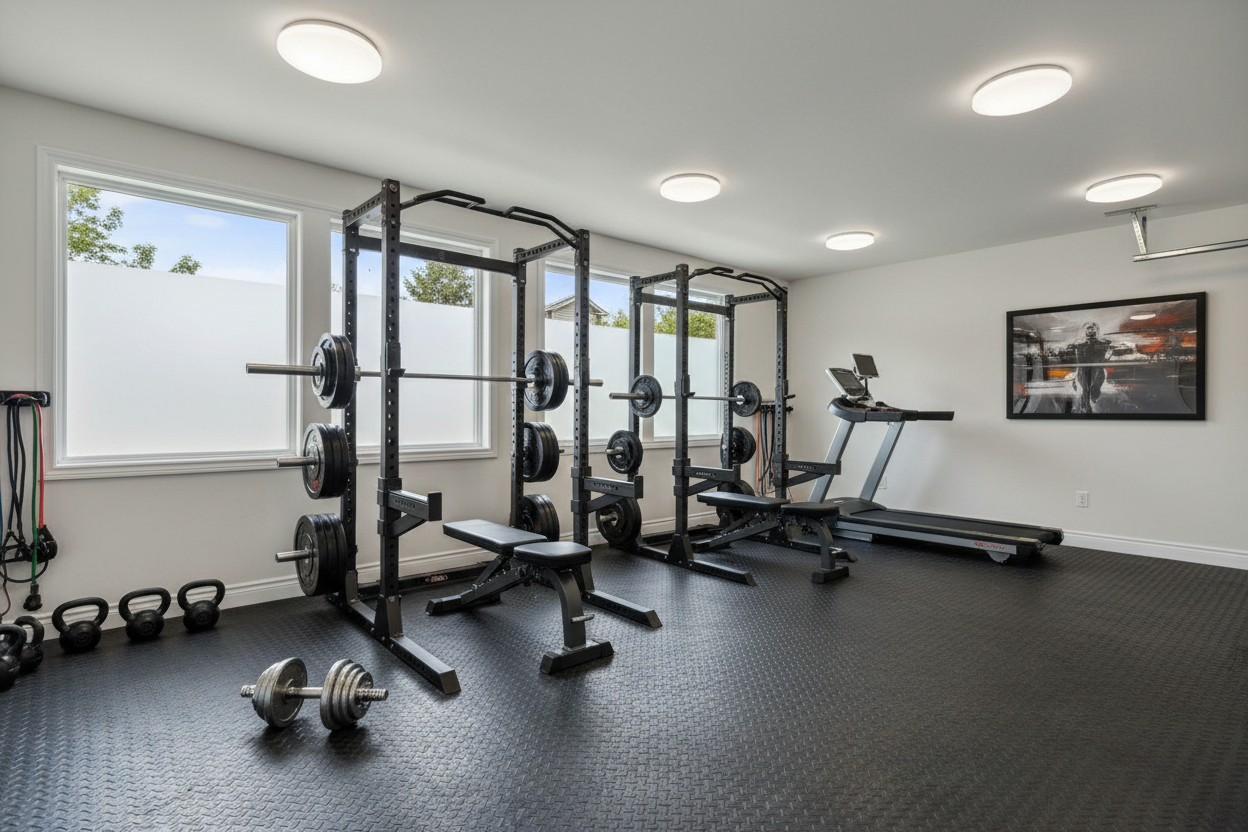
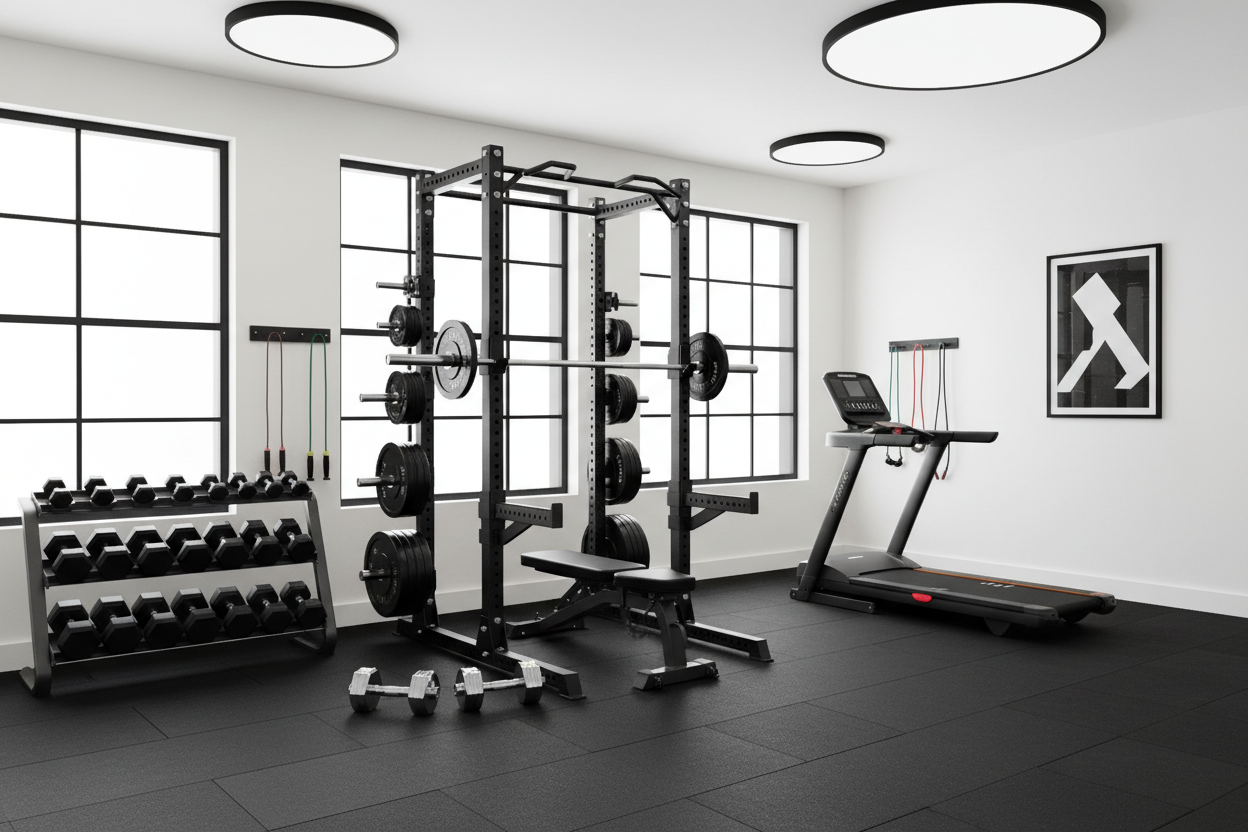
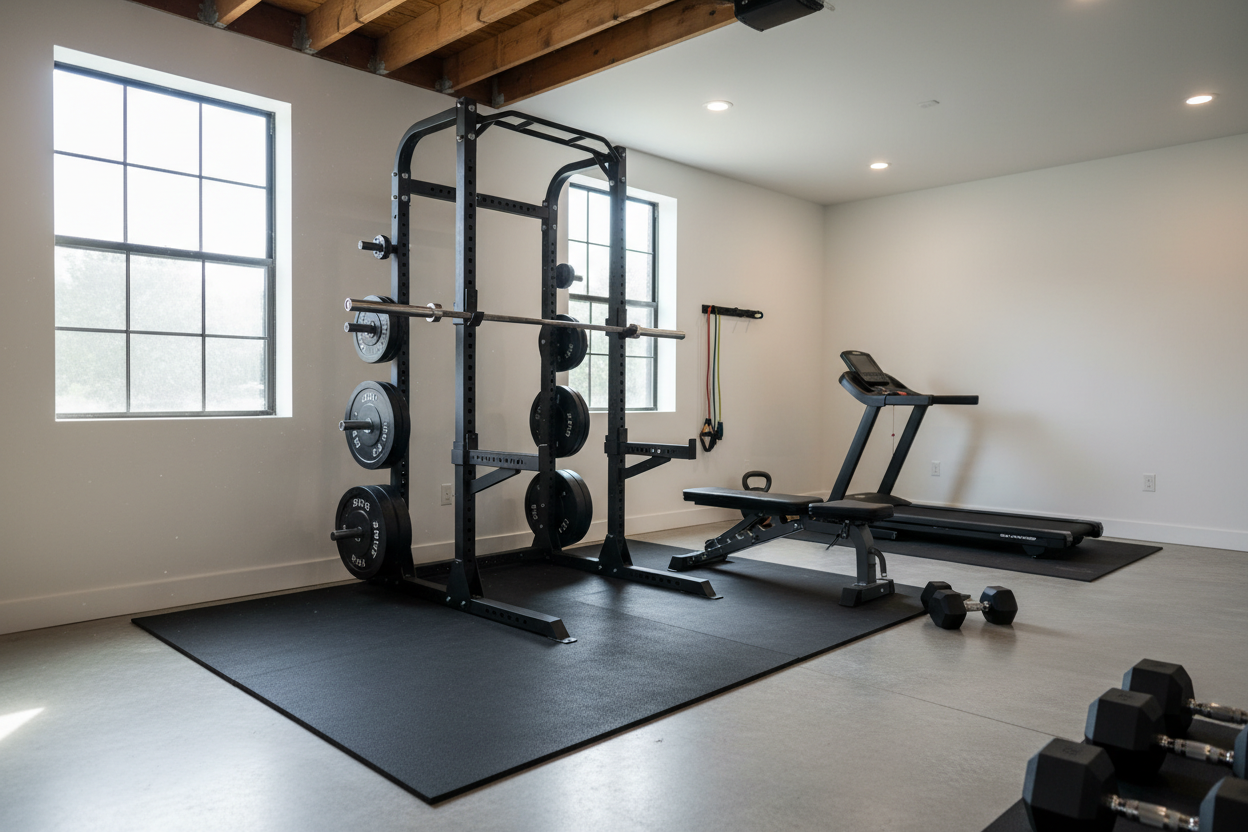
I’ve built more muscle in a 10x10 garage space than I ever did in a 20,000-square-foot commercial gym. For most of us, a heavy-duty power rack weight bench package is the only true non-negotiable. It gives you a safe place to squat, a stable surface to press, and the ability to lift heavy without a spotter. Free weights require you to stabilize the load yourself, which recruits more muscle and builds 'real-world' strength that machines simply can't touch.
Your First 30 Days: A Bare-Bones Routine
If you are looking for what is the best way to weight train as a beginner, keep it to three days a week. This gives your central nervous system time to recover. Try this simple alternating A/B split:
- Day A: Barbell Squats (3x8), Bench Press (3x8), Barbell Rows (3x10).
- Day B: Deadlifts (2x5), Overhead Press (3x8), Pull-ups or Lat Pulldowns (3x10).
That's it. No fancy cable crossovers, no seated calf raises. Just move heavy metal, eat enough protein, and sleep. Consistency over thirty days on this 'boring' routine will do more for your physique than six months of random influencer workouts.
Personal Experience: My Biggest Mistake
I once spent three months doing a high-volume bodybuilding split I found on a forum. I was in the gym six days a week for two hours. My joints hurt, my bench press didn't move an inch, and I looked exactly the same. I was so focused on 'hitting every angle' that I forgot to actually get stronger. It wasn't until I stripped everything back to a basic 3-day barbell program that I actually put 50 lbs on my squat and finally saw my shoulders widen. I was doing too much of the wrong stuff and not enough of the hard stuff.
FAQ
How heavy should I start?
Start with a weight that allows you to complete all your reps with perfect form, but feels challenging on the last two reps. If your form breaks down, the weight is too heavy.
Do I need to lift every day?
No. For most people, 3 to 4 days a week is plenty. Your muscles grow while you are resting, not while you are in the gym.
Can I lose weight and weight train at the same time?
Absolutely. Lifting weights helps preserve muscle while you're in a calorie deficit, which ensures the weight you lose comes from fat, not lean tissue.