Your Search for the Best Strength Programs Is Keeping You Weak
I spent three years of my lifting life scrolling through forums at 2 AM, looking for the 'perfect' spreadsheet while my squat stayed stuck at 225. I would download a PDF, run it for two weeks, decide the volume was 'sub-optimal,' and start over with something else. I was an expert on the best strength programs but I couldn't pull four plates to save my life.
The truth is, searching for the best program for strength is often just a sophisticated way of procrastinating. Real strength isn't found in a secret rep scheme; it is found in the boring, repetitive work of adding five pounds to the bar and doing it again next week. If you are more worried about your 'optimal' RPE than you are about actually straining under a heavy bar, you are doing it wrong.
Quick Takeaways
- Consistency for 12 weeks beats a 'perfect' program for 3 weeks every time.
- The best lifting programs focus on compound movements and progressive overload.
- Stop adding extra accessory work; the program designer knew what they were doing.
- Check your gear before starting a heavy cycle—safety is non-negotiable.
- Pick one template, log off the internet, and finish the block.
The 'Program Hopping' Disease Killing Your Progress
Program hopping is the fastest way to stay small and weak. We live in an era of information overload where you can find a thousand different lifting programs with a single click. This creates the illusion that if you aren't seeing massive gains every week, the program must be flawed.
You hit a plateau, get bored, and start searching for new top strength programs. You tell yourself you need 'more variety' or 'functional hypertrophy.' In reality, you just need to stick to the plan. Strength is a skill, and you can't master a skill if you change the rules of the game every twenty days. Consistency is the only variable that actually matters in the long run.
What the Top Strength Programs Actually Have in Common
Whether you are looking at Westside, 5/3/1, or a basic 5x5, the best strength building programs all share the same DNA. They prioritize the big four: squat, bench, deadlift, and overhead press. They don't waste time on three different types of cable flyes when you still can't bench your bodyweight.
The secret is the math of progressive overload. These routines force you to do more over time—more weight, more sets, or less rest. When you focus on the best exercises for a full body workout, you are hitting the largest muscle groups and triggering the most systemic fatigue. That fatigue is what forces your body to adapt and grow stronger.
3 Templates That Actually Work in a Bare-Bones Setup
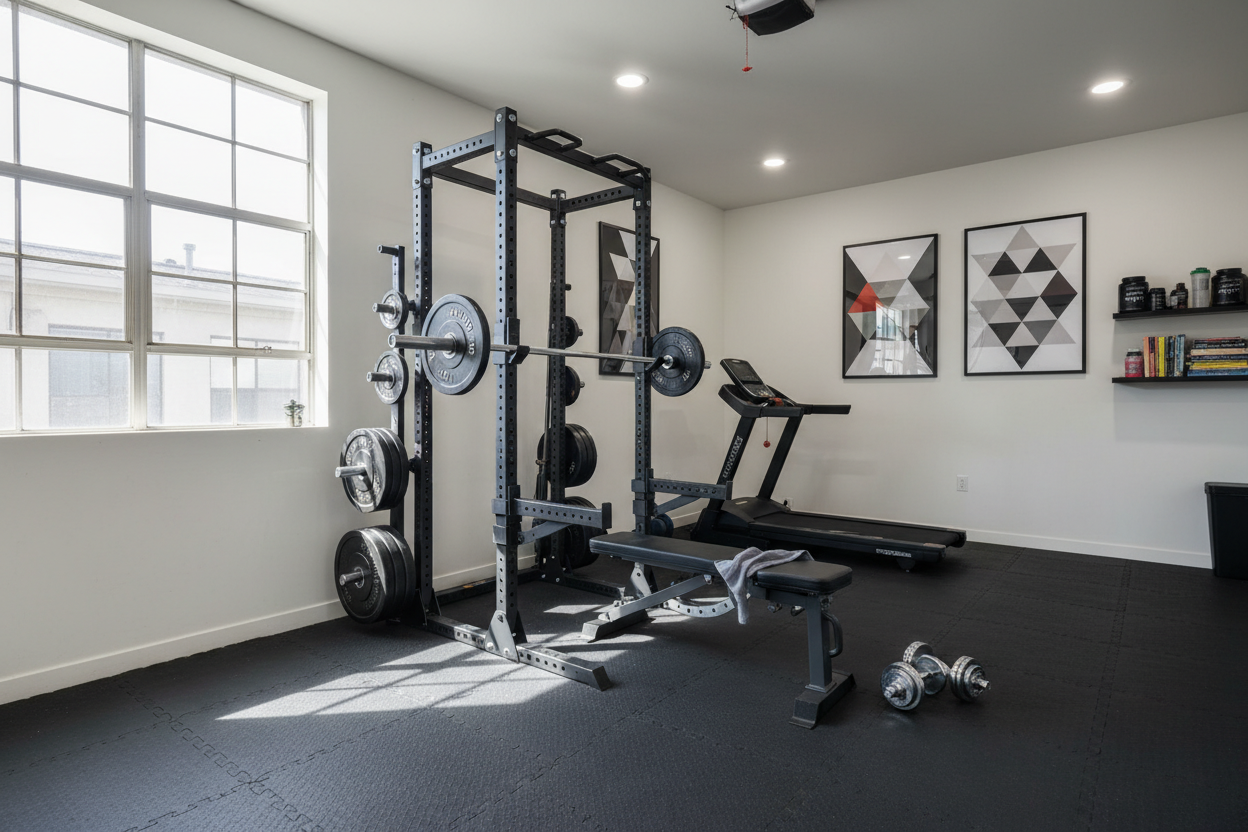
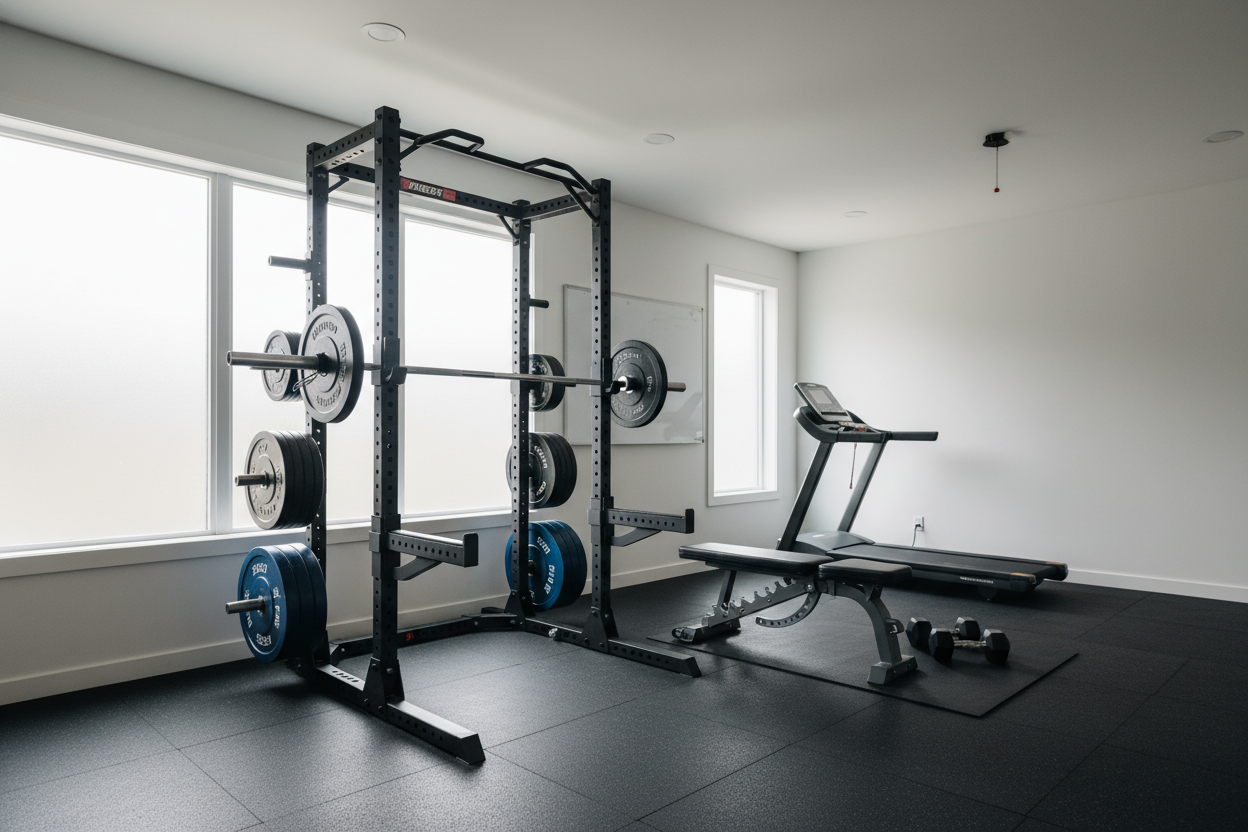
You don't need a $50,000 commercial facility to get strong. If you have a rack, a bar, and enough iron, these popular strength training programs will do more for you than any fancy machine ever could.
Linear Progression: The Novice Cheat Code
If you haven't been lifting consistently for a year, the best workout program for strength is a simple Linear Progression (LP). You add five pounds to the bar every single session. It sounds too simple to work, but for a beginner, it is the fastest way to build a base. Don't overthink it—just add the weight until you physically cannot complete the reps.
Wave Periodization: Surviving the Intermediate Slump
Once you can no longer add weight every session, you need wave periodization. Programs like Jim Wendler’s 5/3/1 use submaximal weights to build momentum. It’s the best program for strength for the long haul because it builds in recovery. You aren't redlining every workout, which means you won't burn out by week six.
Stop Tweaking Your Routine Before You Even Start
The most common mistake I see in garage gyms is the 'Franken-program.' Someone takes one of the top strength training programs and decides it needs six different types of bicep curls and three tricep extensions. They think they are 'customizing' it, but they are actually ruining the fatigue management.
If you are constantly tired and your main lifts are stalling, it is probably because you added too much junk volume. While quality strength training accessories like a good 10mm lever belt or solid wrist wraps can help you move more weight safely, they cannot fix a program that you have overloaded with unnecessary fluff. Trust the template.
Equipping Your Space for a Heavy Cycle
Before you commit to a 12-week block of heavy triples, you need to audit your environment. If your rack has a 300-lb weight capacity and you’re planning to squat 315, you are asking for a trip to the ER. You need to ensure your strength and weight training equipment is up to the task.
I’ve seen guys try to pull heavy deadlifts on cheap, thin mats that offer zero floor protection, or use bars with bushings that have completely seized up. If you want to run the best strength routine, you need reliable strength equipment. A stiff power bar with aggressive knurling and a rack with 11-gauge steel should be your baseline. Don't let a equipment failure be the reason you miss a PR.
The Bottom Line: Pick a Plan and Go Dark for 12 Weeks
Stop looking for a shortcut. There is no 'secret' program that the elites are hiding from you. The best strength routine is the one you actually follow for three months without changing a single set or rep. Pick a proven template, buy the extra plates you know you're going to need, and put in the work. Strength is earned in the silence of your own gym, not in a comment section.
My Own Programming Disaster
A few years ago, I decided I was 'advanced' enough to run a Smolov squat cycle while also training for a local 10k. It was a disaster. Within two weeks, my knees felt like they were filled with broken glass and my squat numbers actually went down. I was trying to do too much because I wanted results 'now.' I learned the hard way that the best programs only work if you respect the recovery they require. I stripped everything back to a basic 5/3/1 template and finally hit my 405 squat goal six months later. Patience is a requirement, not an option.
FAQ
How do I know if I'm a beginner or intermediate?
It’s not about how long you’ve been in the gym; it’s about how fast you can recover. If you can add weight to the bar every workout, you’re a beginner. If you need a week or a month to see progress, you’re an intermediate.
Can I lose weight while running a strength program?
Yes, but it's harder. Strength requires fuel. If you're in a massive calorie deficit, don't be surprised if your numbers stall. Aim for a slight deficit or maintenance for the best results.
What if I miss a workout?
Don't double up the next day. Just pick up where you left off. One missed session won't ruin a 12-week block, but trying to do two workouts in one day might.