Your Muscles Are Dumb: How Does Strength Training Work, Really?
I remember staring at my first 300-lb Olympic set, wondering if the rust on the plates would somehow stop me from getting jacked. It didn't. Most of what you read about how does strength training work is buried under layers of marketing fluff designed to sell you overpriced supplements or flashy apps that track 'muscle confusion.'
The truth is much simpler and, frankly, a bit more boring. Your muscles aren't smart; they are just survival-focused meat cables. They respond to stress because they think you're trying to survive a crisis, not because you bought the latest carbon-fiber-wrapped adjustable dumbbells.
Quick Takeaways
- Muscles respond to mechanical tension, not the price tag of your gear.
- Neural adaptations (brain-to-muscle connection) happen long before you see a bigger bicep.
- Soreness is a poor indicator of a productive workout.
- Recovery is the actual 'building' phase; the gym is just the 'demolition' phase.
Your Body Only Understands One Thing: Tension
Your biceps have no idea if you're holding a $900 specialty bar or a heavy bag of dog food. When we talk about strength training what is it at a biological level, we are talking about the application of mechanical tension. This tension stretches the muscle fibers, signaling to your cells that the current hardware isn't sufficient for the task at hand.
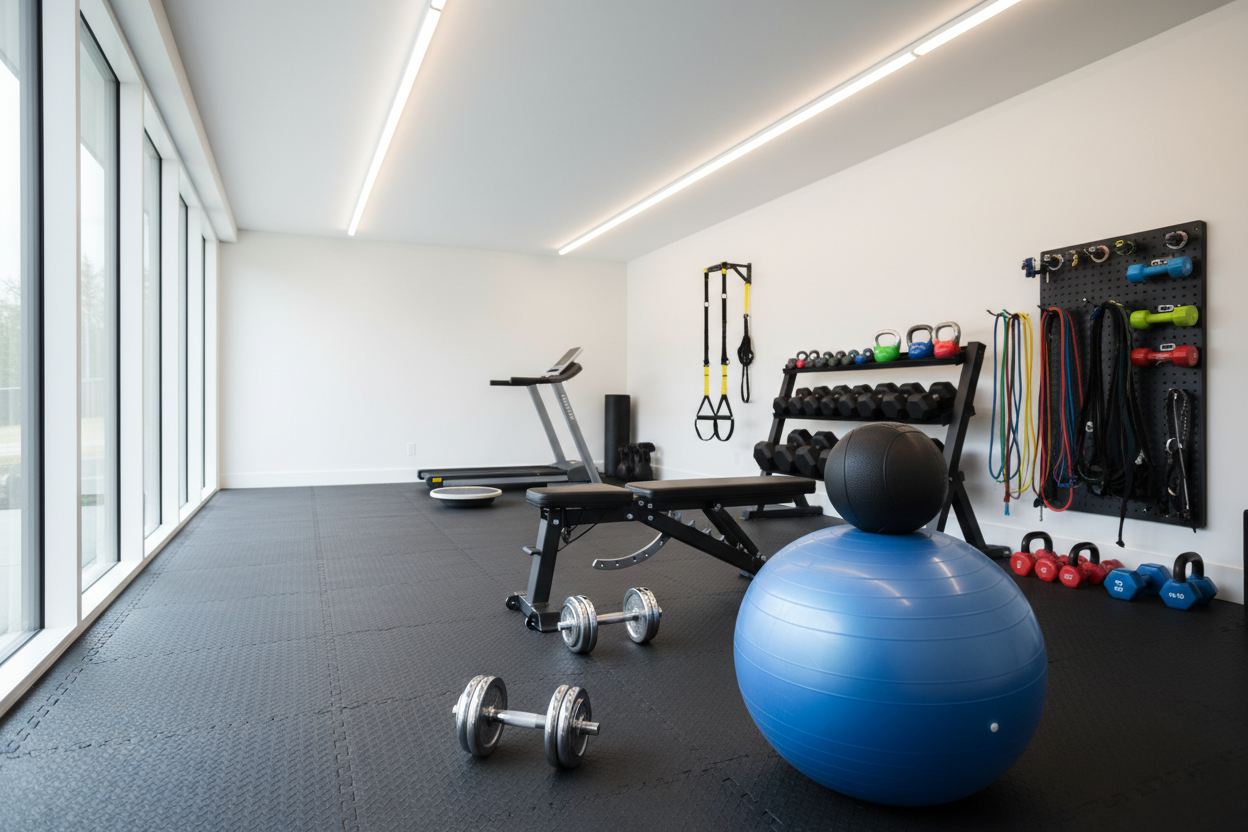
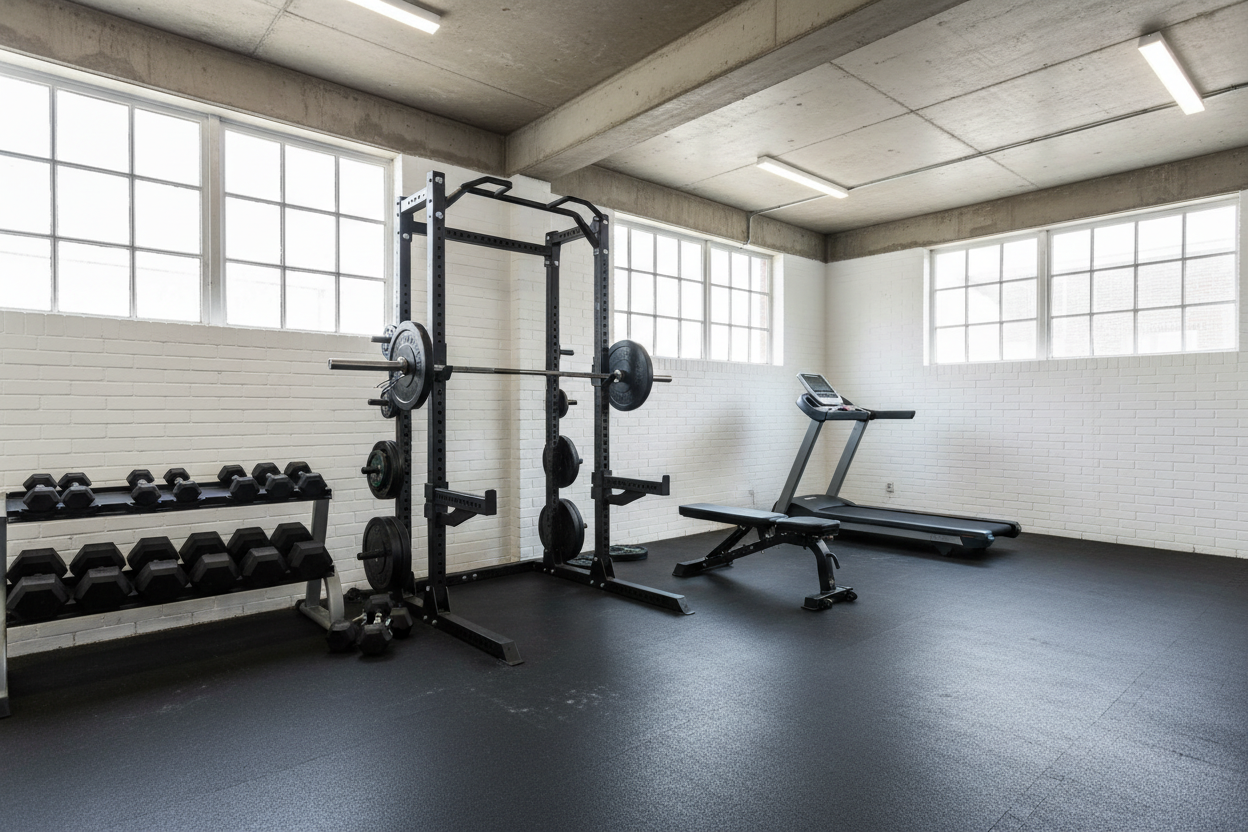
You don't need a warehouse full of fancy strength equipment to create this tension. You just need enough resistance to challenge the muscle near its limit. Whether that's a kettlebell, a barbell, or a heavy stone in your backyard, the biological response is the same: the body realizes it needs to adapt or fail next time.
The Micro-Tear Myth vs. Actual Biological Adaptation
We've all heard the old saw that you 'tear' your muscles and they grow back bigger. That's a massive oversimplification of how strength training works. While some structural damage occurs, the real magic happens through metabolic stress and cellular swelling. When you lift, waste products like lactate build up in the muscle, triggering a hormonal cascade that tells your body to reinforce the area.
If you're chasing 'the pump,' you're actually feeling that cellular swelling in action. Don't mistake crippling soreness for progress, though. If you can't walk for three days after leg day, you haven't 'won'—you've just created so much inflammation that your body has to spend all its energy fixing damage instead of building new tissue.
Why You Get Way Stronger Before You Get Bigger
In the first month of training, you might see your bench press jump by 20 pounds, but your chest looks exactly the same in the mirror. This isn't a glitch. It's your central nervous system (CNS) waking up. Your brain is essentially learning how to 'fire' more muscle fibers at the same time and in the right order.
This is why it's so important to learn How to Find the Right Weights for Strength Training Without Guessing. If you're constantly lifting weights that are too light, your CNS never feels the need to recruit those high-threshold motor units. You're basically leaving your strongest muscle fibers on the bench because the brain hasn't been forced to put them in the game yet.
The Part Where You Actually Build Muscle (Recovery)
Lifting weights is the stimulus, but it's a catabolic process—it breaks you down. You actually get weaker during a workout. The 'strength' part happens while you're eating a steak and getting eight hours of sleep. This is where protein synthesis ramps up to repair the fibers and thicken them to handle future stress.
Ignore the '30-minute anabolic window' nonsense. Your body is sensitized to protein for 24 to 48 hours after a hard session. As long as you're hitting your total protein numbers and not staying up until 2 AM scrolling through gym memes, you're going to grow. Consistency in the kitchen and the bedroom matters more than the specific brand of protein shake you use.
How to Use This Science in Your Own Garage Gym
If you want to see results, stop program-hopping. Pick a few big movements—squats, presses, pulls—and focus on progressive overload. That just means doing a little more than you did last time. Add 2.5 lbs to the bar, or do one more rep with the same weight. That incremental increase in tension is the only language your muscles speak.
The fitness industry loves to make this complicated because simple doesn't sell subscriptions. Honestly, I Hate How We Teach Strength Training for Overweight Beginners because we often bury these basic biological truths under 'fat-burning' circuits that don't actually build the muscle mass needed for long-term metabolic health. Stick to the basics, move heavy stuff, and let biology do the rest.
Personal Experience: The Rusty Barbell Lesson
I once spent a whole winter training in an unheated garage with a barbell that had so much rust on the sleeves they didn't even spin. I was convinced I was 'missing out' on gains because I didn't have a needle-bearing bar or a fancy power rack. I eventually bought the high-end gear, and guess what? My progress didn't speed up. The fancy gear made the workout more comfortable, but my muscles didn't care. They only cared that I was adding weight to the bar every two weeks. My biggest mistake was thinking the equipment was the 'how' when the 'how' was actually my own consistency.
FAQ
How long does it take to see muscle growth?
You'll feel stronger within 2 weeks due to nervous system changes. Visible muscle thickness usually takes 8 to 12 weeks of consistent training and proper nutrition to become noticeable.
Do I have to lift heavy weights to get stronger?
Strength is specific to the load. To get 'strong' at moving heavy things, you must lift heavy things. However, you can build muscle size with lighter weights if you take the sets close to failure.
Is it okay to work out if I'm still sore?
Light soreness is fine and often improves with movement. If the soreness is sharp or limits your range of motion, give that muscle group another day of rest. Overtraining is just under-recovering.