Your Daily Walk Isn't Enough: The Truth About Aging Exercises
I remember watching my neighbor, a fit guy in his late 60s, do his daily three-mile walk every single morning for a decade. He looked the part of a healthy retiree until he tried to help me move a 40-pound bag of salt for my water softener. His legs buckled, his back arched, and he barely got it off the ground. That was the moment I realized that most aging exercises recommended by mainstream media are a house of cards. If you aren't loading your skeleton, you're just treading water while the tide of muscle loss goes out.
Quick Takeaways
- Walking is great for your heart, but it does almost nothing to stop sarcopenia (muscle wasting).
- Lower body power is the #1 predictor of independence as you get older.
- Real resistance training—even just twice a week—is non-negotiable for bone density.
- Safety starts at the floor; training on plush carpet or slippery hardwood is a recipe for a fall.
Why We Get 'Exercise for Aging Well' Completely Wrong
The standard advice for 'active seniors' is usually a mix of gardening, brisk walking, and maybe some light stretching. While those are fine for general health, they fail the most critical test: resistance. To keep your bones from becoming brittle and your muscles from melting away, you need to lift things that feel heavy to you. This is the core of any effective exercise for aging well.
Sarcopenia—the age-related loss of muscle mass—starts as early as your 30s and accelerates after 60. You can't walk your way out of it. You need mechanical tension. When you lift a weight, you aren't just building a bicep; you're sending a chemical signal to your body to keep its mineral stores in your bones. Without that signal, your body decides those expensive muscles and dense bones are 'too costly' to maintain and starts breaking them down for parts.
The Independence Muscle: Why Your Quads Dictate Your Future
If you want to know how long you'll live independently, look at your quads. Your ability to get off a toilet, stand up from a low sofa, or climb a flight of stairs without pulling yourself up by the handrail depends entirely on lower body strength. These are the real age exercises that matter. When your quads go, your world gets smaller. You stop going upstairs. You stop taking the long way to the car. Eventually, you stop leaving the house.
I’ve spent years testing racks and bars, but the most important piece of 'equipment' is the strength in your legs. To keep that pop in your step, you need to focus on movements that target the front of your thighs. Incorporating the best exercises for strengthening quads isn't about vanity; it's about making sure you can still get out of a chair when you're 85. I personally prefer goblet squats because they keep the weight in front of you, which naturally fixes your posture and keeps the stress off your lower back.
The 3 Best Exercises for Aging (That Aren't Seated)
Most 'best exercises for aging' lists are full of seated leg extensions and bicep curls. Forget those. You live your life standing up; you should train standing up. My 'Big Three' for longevity are the Goblet Box Squat, the Farmer’s Carry, and the Elevated Push-up. These aren't just movements; they are survival skills. The Goblet Box Squat teaches you to sit and stand under control. The Farmer’s Carry—literally just walking with heavy weights in your hands—builds grip strength and core stability. The Elevated Push-up maintains your upper body push power without the shoulder strain of a flat bench press.
Don't be afraid to use a weight that actually challenges you. We are looking for hypertrophy and quad growth because muscle mass is literally a 'longevity currency.' I usually recommend people start with a weight they can move for 8 to 10 reps, where the last two reps feel like a struggle. If you're just going through the motions with a 2-pound pink dumbbell, you're wasting your time. These are super aging exercises because they force the body to adapt and stay resilient.
Why Your Living Room Rug is a Massive Safety Hazard
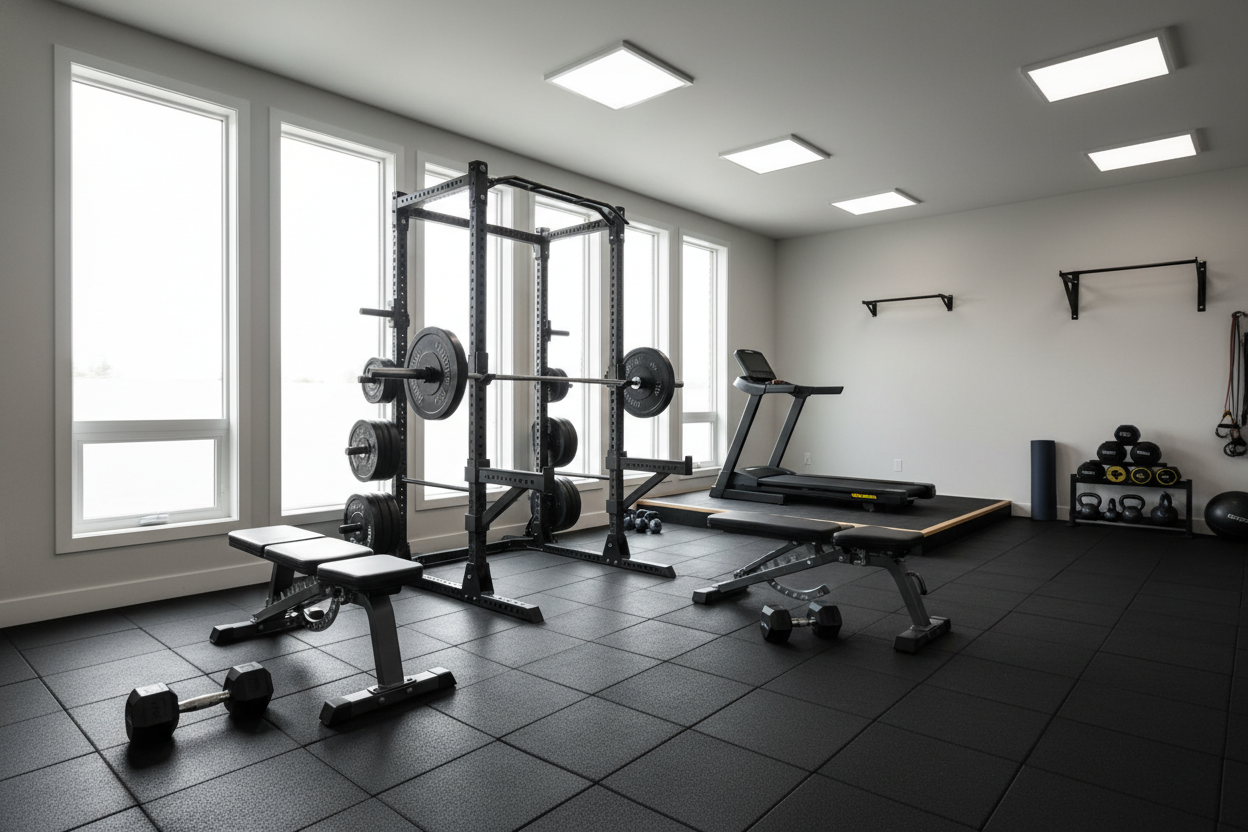
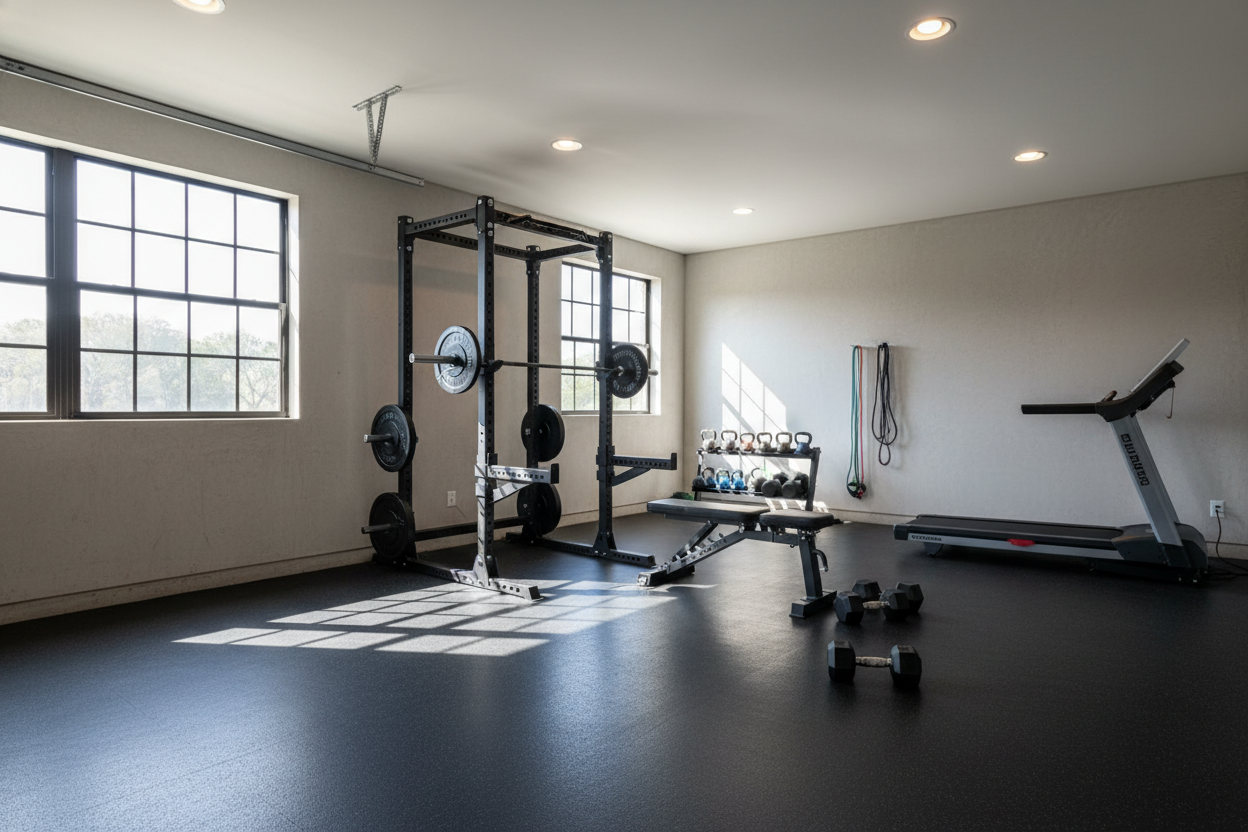
Here is something the 'fit-fluencers' won't tell you: the surface you train on is just as important as the weights you lift. I’ve seen too many people try to do their best exercise for aging on a plush living room rug or a slippery hardwood floor. One slip mid-squat can set you back six months. You need a surface that offers 'bite'—something that grips your shoes and provides a stable, non-compressible base.
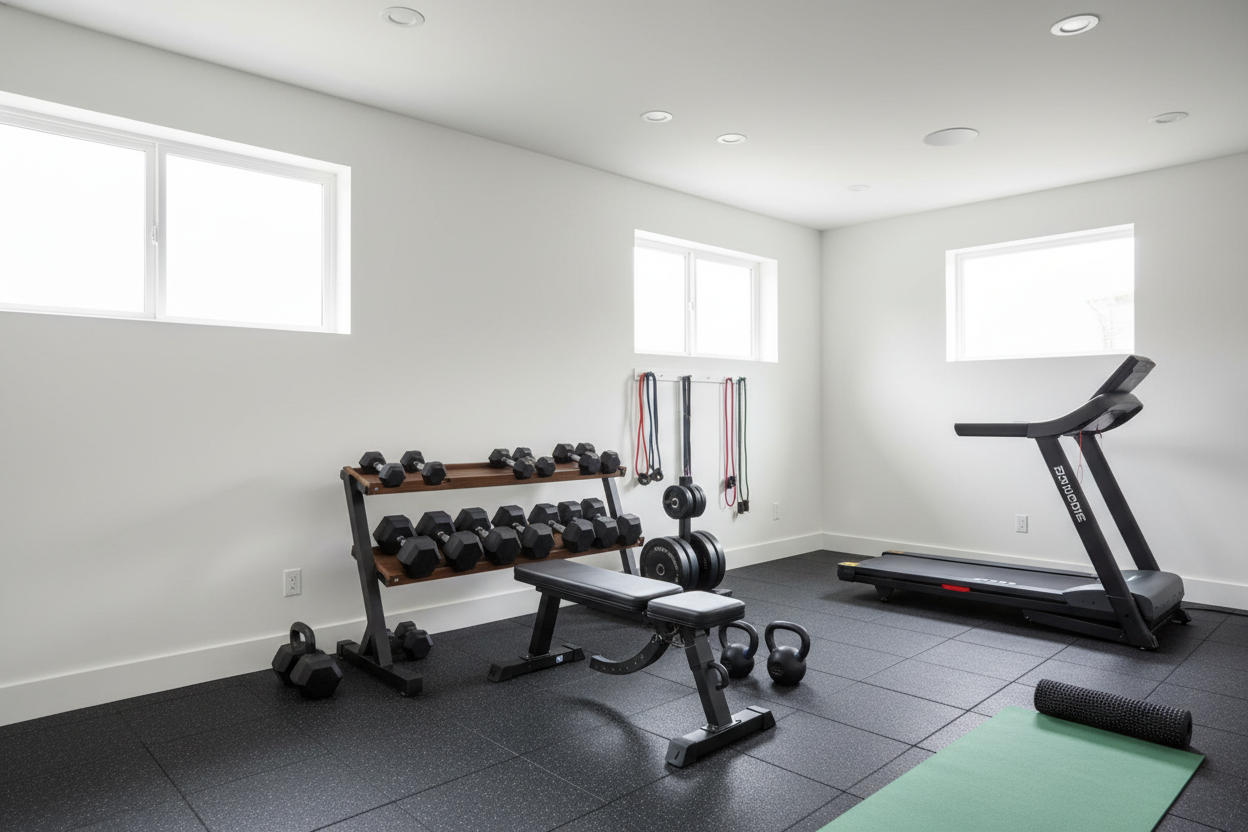
I personally use a heavy-duty 6x8ft exercise mat in my training space. It’s thick enough to protect the floor but firm enough that my ankles don't wobble when I'm holding a kettlebell. If you have the room, putting down a large exercise mat creates a dedicated 'no-slip zone' where you can focus on your form rather than your footing. A good mat is the cheapest insurance policy you'll ever buy for your hips and knees.
How to Integrate These Age Exercises Without Wrecking Your Week
You don't need to live in the gym. For most people over 50, a 2-day-a-week full-body routine is the sweet spot. This allows for 48 to 72 hours of recovery between sessions, which is when the actual muscle building happens. Start every session with a 5-minute dynamic warm-up—arm circles, leg swings, and some bodyweight squats. Then, hit your three main movements. Focus on 'progressive overload,' which is just a fancy way of saying 'do a little more than last time.' Maybe that’s one extra rep or five more pounds.
My Personal Experience
A few years ago, I thought I could skip the 'boring' strength stuff and just hike. I ended up with a knee tracking issue that made walking down stairs feel like someone was stabbing my patella with an ice pick. I had to swallow my pride and go back to basics—slow, controlled goblet squats on a stable mat. Within six weeks, the pain was gone. The lesson? You can't out-cardio a structural weakness. I now prioritize my leg days more than my trail runs, and my joints have never felt quieter.
Frequently Asked Questions
Is walking enough exercise as I get older?
No. Walking is excellent for cardiovascular health and mental well-being, but it does not provide the resistance needed to prevent muscle loss or increase bone density. You need to add some form of weight-bearing strength training at least twice a week.
What if I have bad knees?
Most 'bad knees' are actually the result of weak quads and glutes. By doing box squats—where you sit back onto a chair or bench—you can strengthen the muscles around the joint without the shearing force that often causes pain.
Do I need a lot of expensive equipment?
Not at all. A single kettlebell or a pair of adjustable dumbbells and a solid, non-slip mat are all you need to perform the most effective longevity exercises at home.