Your Best exercise for slim upper body Is Just a Posture Fix
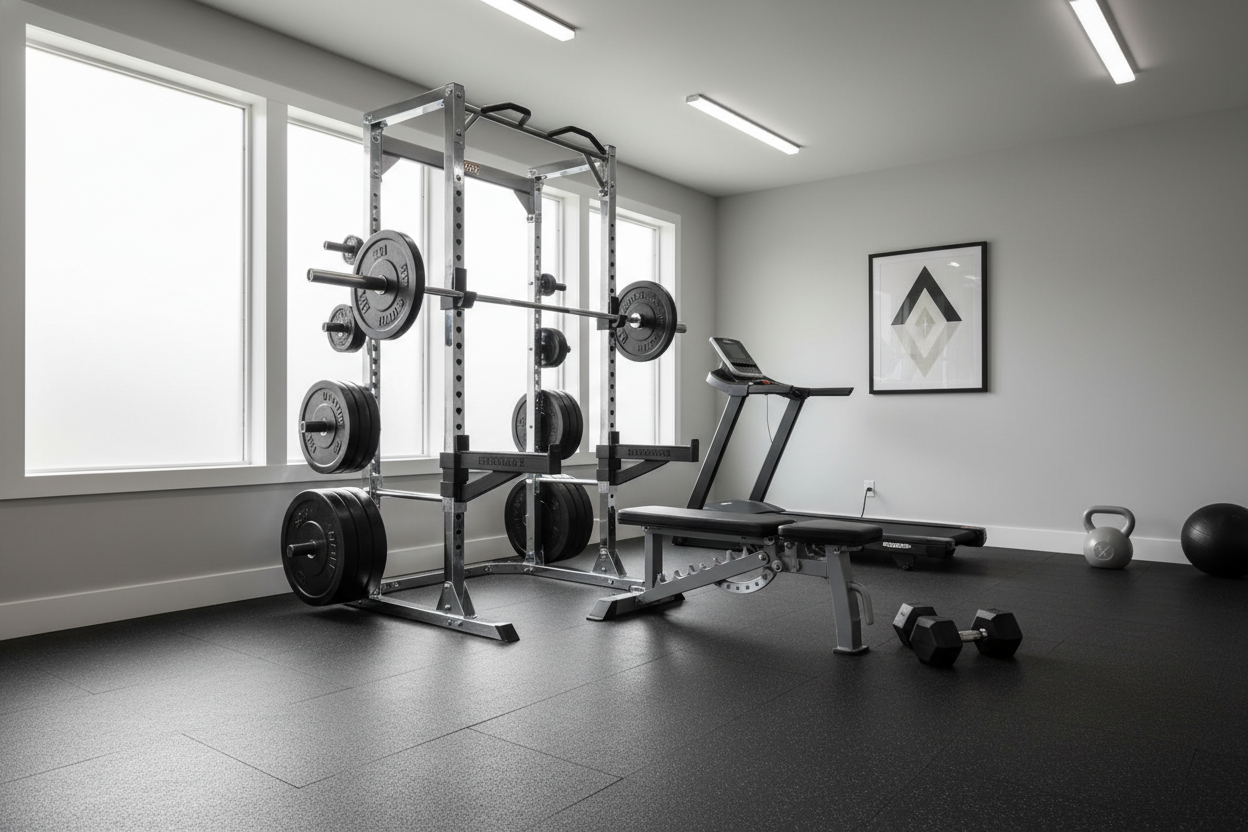
I remember staring at my reflection in the glass of my squat rack after a heavy chest day, wondering why I still looked 'soft.' I had the weights, the 1.25-lb micro-plates for incremental gains, and the sweat equity, but my silhouette was off. It turns out, the best exercise for slim upper body results isn't a high-rep circuit—it's fixing the way you carry your frame.
Quick Takeaways
- Posture creates an immediate visual 'slim' effect that fat loss alone cannot match.
- Forward-rolled shoulders compress the torso, making the midsection appear wider.
- A 2:1 ratio of pulling-to-pushing exercises is the gold standard for structural alignment.
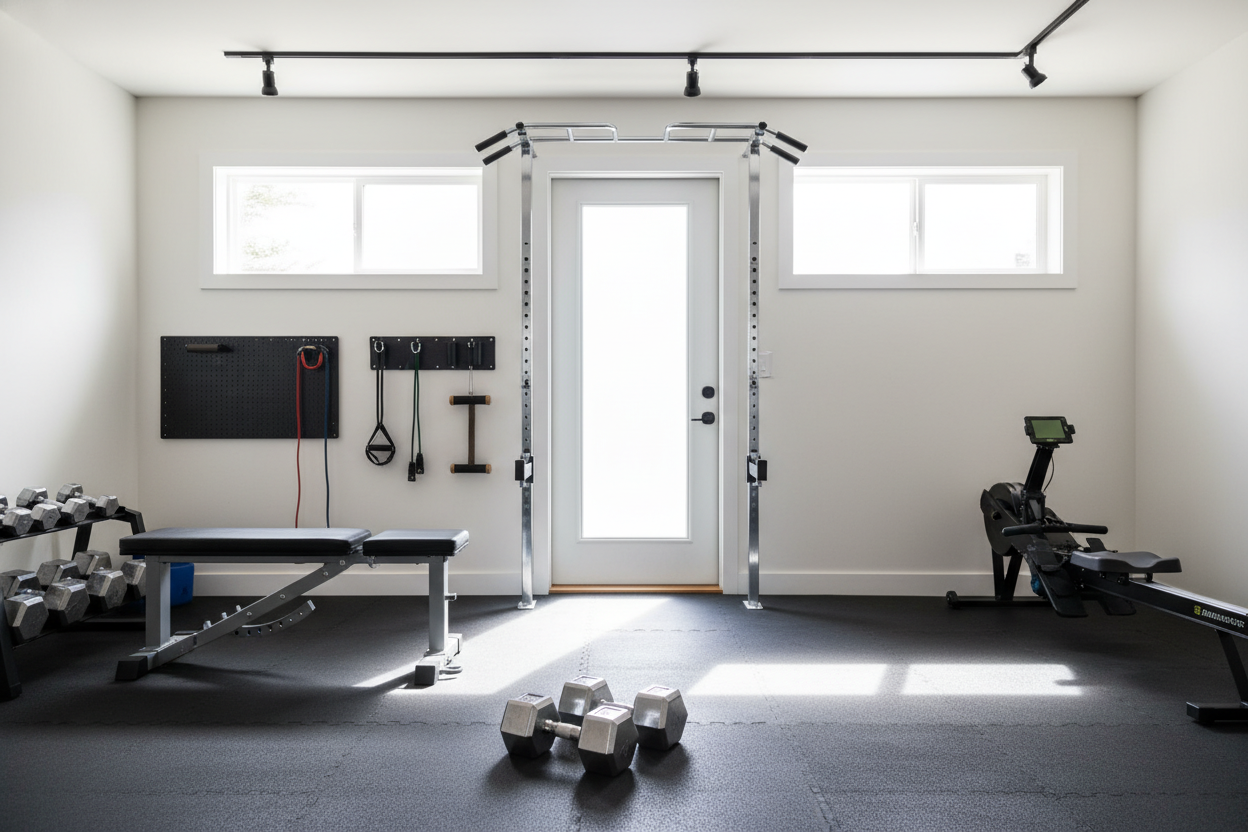
- Your garage floor is your enemy; use a high-density mat for corrective floor work.
Why Your Shoulders Are Hiding Your Progress
Most of us spend eight hours a day typed over a keyboard or staring at a phone. This creates a physical 'collapse' in the upper body. Your shoulders roll forward, your head shifts past your collarbones, and your ribcage drops. This isn't just a health issue; it's an aesthetic disaster. When your shoulders cave, your chest looks sunken and your stomach has nowhere to go but out.
I’ve seen guys with 10% body fat look 'pouchy' simply because their thoracic spine was locked in a rounded position. You can do all the cardio you want, but if your frame is compressed, you’ll never achieve that lean, tapered look. You aren't just fighting body fat; you're fighting gravity and bad habits that physically shorten the muscles on the front of your body.
The Illusion of Toning vs. Real Structural Alignment
We need to kill the idea of 'toning' right now. You can't spot-reduce fat off your triceps by doing a thousand kickbacks. However, you can change how the muscle sits on your skeleton. Pulling the scapula back and down instantly tightens the appearance of the torso. It creates width at the top and a natural taper toward the waist.
If you're constantly hitting the bench press without equal attention to your upper back, you’re sabotaging your muscle exercise for upper body gains. Overdeveloped pecs pull the shoulders forward even more, exacerbating the 'slouch' look. A slim upper body is about balance, not just reduction. You want the muscles that pull you open to be stronger than the ones that pull you closed.
My Go-To slim upper body workout for Fixing Forward Slouch
To fix this, I stop focusing on the mirror muscles and start attacking the rear delts, rhomboids, and thoracic extensors. My preferred slim upper body workout involves a heavy dose of Face Pulls and Y-W-T raises. These aren't ego lifts. You don't need a 300-lb stack; you need control and a massive mind-muscle connection. I usually grab a light resistance band or 5-lb plates and focus on the 'squeeze' at the back of the movement.
If you have the space, I highly recommend looking into upper body workout machines for home that feature a high-quality cable system. A smooth cable row or a lat pulldown station allows for constant tension that dumbbells just can't replicate for postural work. I’ve found that high-rep sets (15-20 reps) of face pulls do more for my physique's 'tightness' than any amount of incline pressing ever did.
Creating a Comfortable Base for Floor Work
A lot of the best corrective movements, like the Superman or the Prone Cobra, require you to be face-down on the ground. If you’re training in a garage, laying your chest and hips directly on cold, dusty concrete is a great way to talk yourself out of doing the work. I’ve made that mistake—trying to do Y-raises on a hard floor leads to bruised hip bones and a rushed set.
You need a dedicated surface that offers enough cushion to protect your joints but enough density that you don't sink and lose your range of motion. Upgrading to a professional-grade gym flooring for home workout setup changed my consistency. When the floor isn't actively punishing you, you're more likely to spend those extra ten minutes at the end of a session working on your thoracic mobility and prone extensions.
How to Measure Actual Progress (Hint: It's Not the Scale)
Stop obsessing over the scale. If you fix your posture, you might stay the exact same weight but look five pounds leaner. The real metric is how your clothes hang. Are your t-shirts tight across the back and shoulders but loose around the midsection? Does your chest stay 'up' when you walk past a store window, or do you see a rounded silhouette? Take photos from the side—that's where the real truth lives. When your ears line up with your shoulders, you've won.
Personal Experience: The Bench Press Trap
I spent my early twenties obsessed with my bench press numbers. I hit 275 lbs, but I looked like a caveman. My shoulders were so tight I couldn't even reach behind my back to scratch an itch. I looked 'thick' in the wrong way—bulky and hunched. I had to swallow my pride, drop the heavy weights, and spend three months doing nothing but face pulls, rows, and mobility work. My 'slim' look didn't come from a diet; it came from finally standing up straight.
FAQ
Can I do these posture exercises every day?
Absolutely. Postural muscles are meant for endurance. You can do Y-W-T raises or band pull-aparts daily without overtraining, as long as you aren't going to absolute failure.
Do I need heavy weights for a slim upper body look?
No. For the postural 'fix,' light resistance is actually better. It prevents your larger, dominant muscles (like the traps) from taking over the movement.
How long until I see a visual difference?
You’ll see an immediate difference the moment you pull your shoulders back. To make that look permanent through muscle memory, expect about 4 to 6 weeks of consistent corrective work.