Your Accessory Obsession Is Killing Your Mass and Strength
I remember scrolling through Marketplace at 2 AM, convinced that a $400 pec deck was the missing piece to my chest development. My garage was already cramped, my shins were bruised from walking around my power rack, and yet I was looking for another single-use paperweight. We’ve all been there—thinking the next piece of shiny chrome will finally unlock mass and strength.
Quick Takeaways
- Compound movements are the most efficient way to build size and power simultaneously.
- Isolation machines often take up too much floor space for the minimal stimulus they provide.
- Mechanical tension, not just 'the burn,' is the primary driver of growth.
- A high-quality rack, barbell, and plates should comprise 90% of your budget.
The Trap of the Commercial Gym Mentality
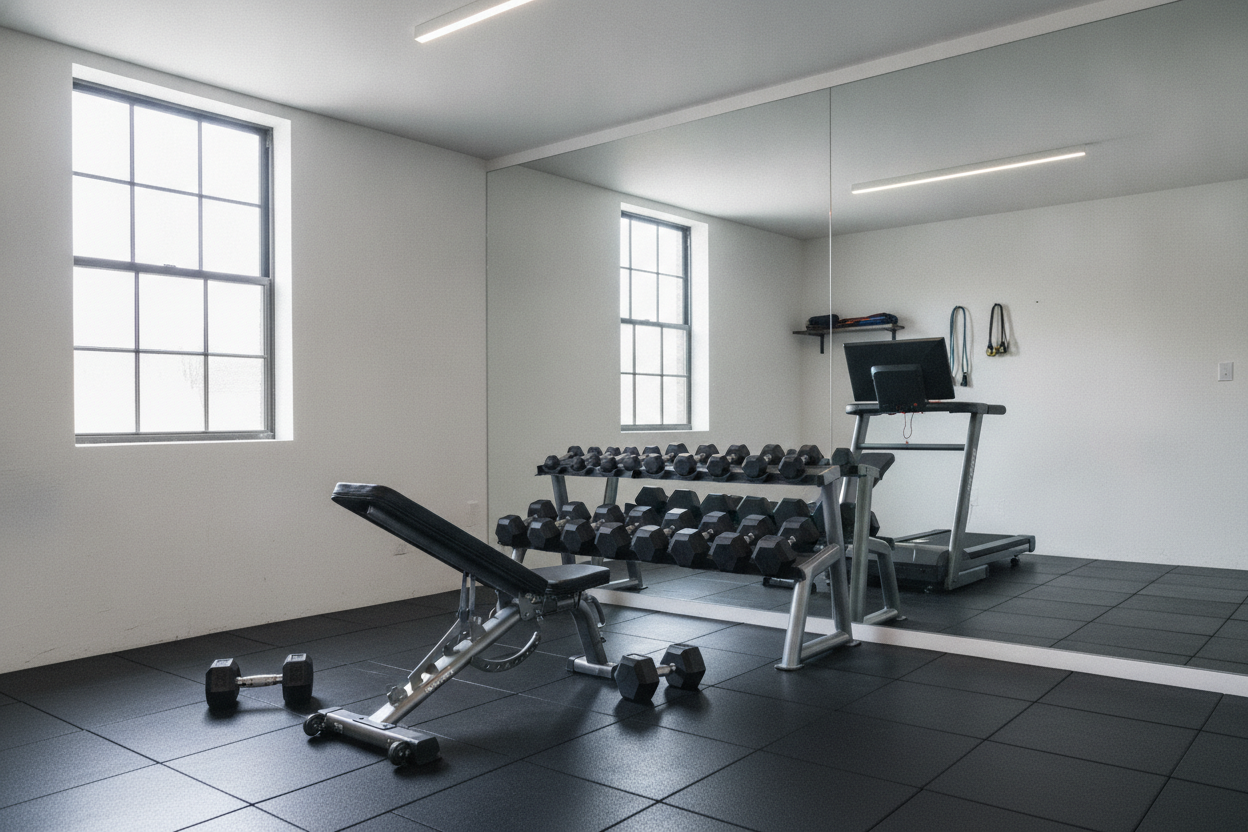
Commercial gyms have thousands of square feet to fill. They buy 20 different machines for 20 different muscle groups because it makes the floor look 'complete.' When you try to replicate that circuit in a 200-square-foot garage, you're making a massive mistake. You end up with a cluttered mess that forces you to spend more time moving gear than lifting it.
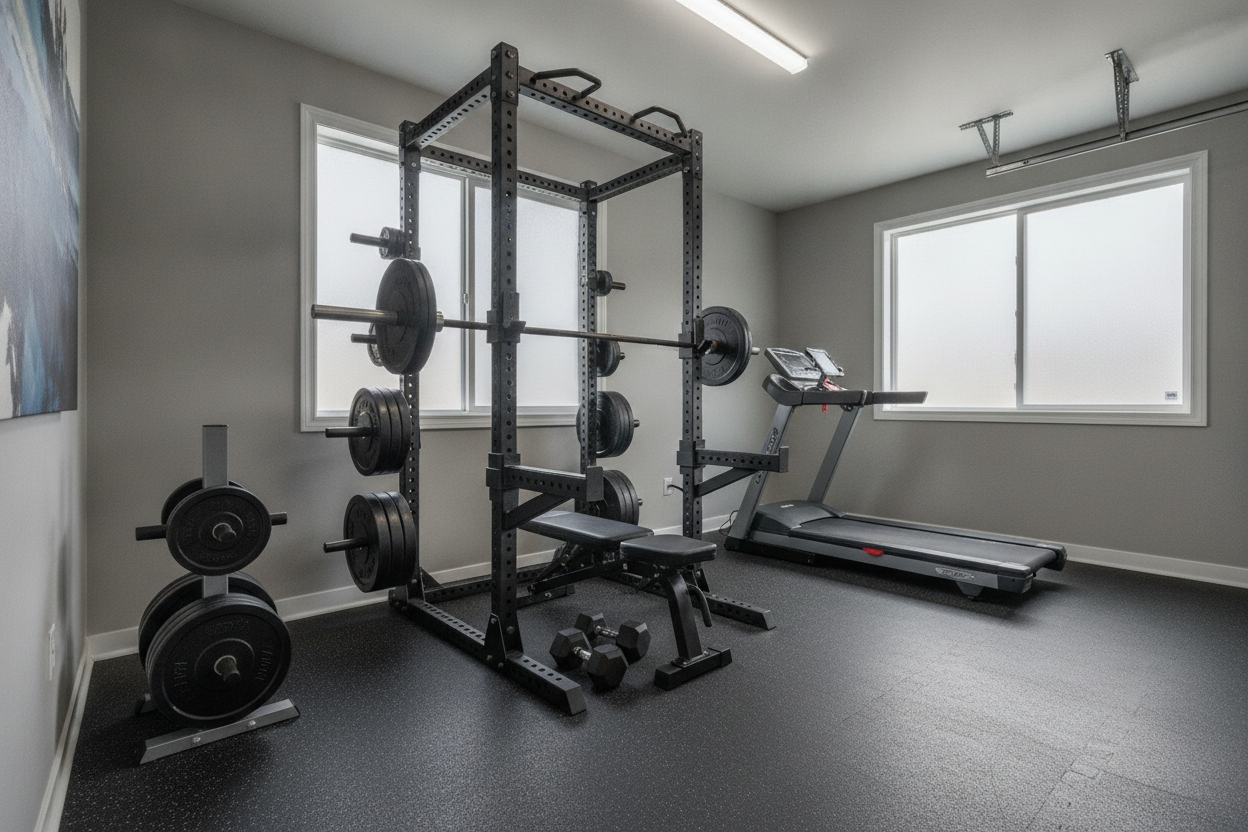
I've seen guys buy a dedicated leg extension machine before they even own a decent set of bumper plates. That machine takes up 15 square feet and works exactly one muscle group. A power rack takes up 20 square feet and allows you to squat, press, pull, and lung. If you want real strength mass, you need to stop thinking like a gym manager and start thinking like a lifter.
The Biological Link Between Muscle Mass and Strength
There is a persistent myth that you can choose between being 'big' or being 'strong.' In reality, a larger muscle has a higher potential for force production. You cannot separate the two indefinitely. The most effective way to trigger growth is through mechanical tension—lifting heavy stuff through a full range of motion.
Many lifters fall into the trap of chasing the pump for muscle mass while ignoring the load on the bar. While metabolic stress has its place, it’s a secondary driver. If you aren't adding weight to your primary lifts over time, your muscle mass and strength will eventually plateau. You need the structural integrity that only heavy compound work provides.
Why Tension Matters More Than Exhaustion
Getting sweaty isn't the same as getting better. I can get a 'burn' by doing 100 reps with a soup can, but it won't make my shoulders grow. Mechanical tension happens when you force a muscle to produce high levels of force. This is why a 400-lb squat builds more leg mass than three different isolation machines ever could. It forces the entire system to adapt or fail.
The Bare-Bones Gear Needed for Muscle Mass Strength
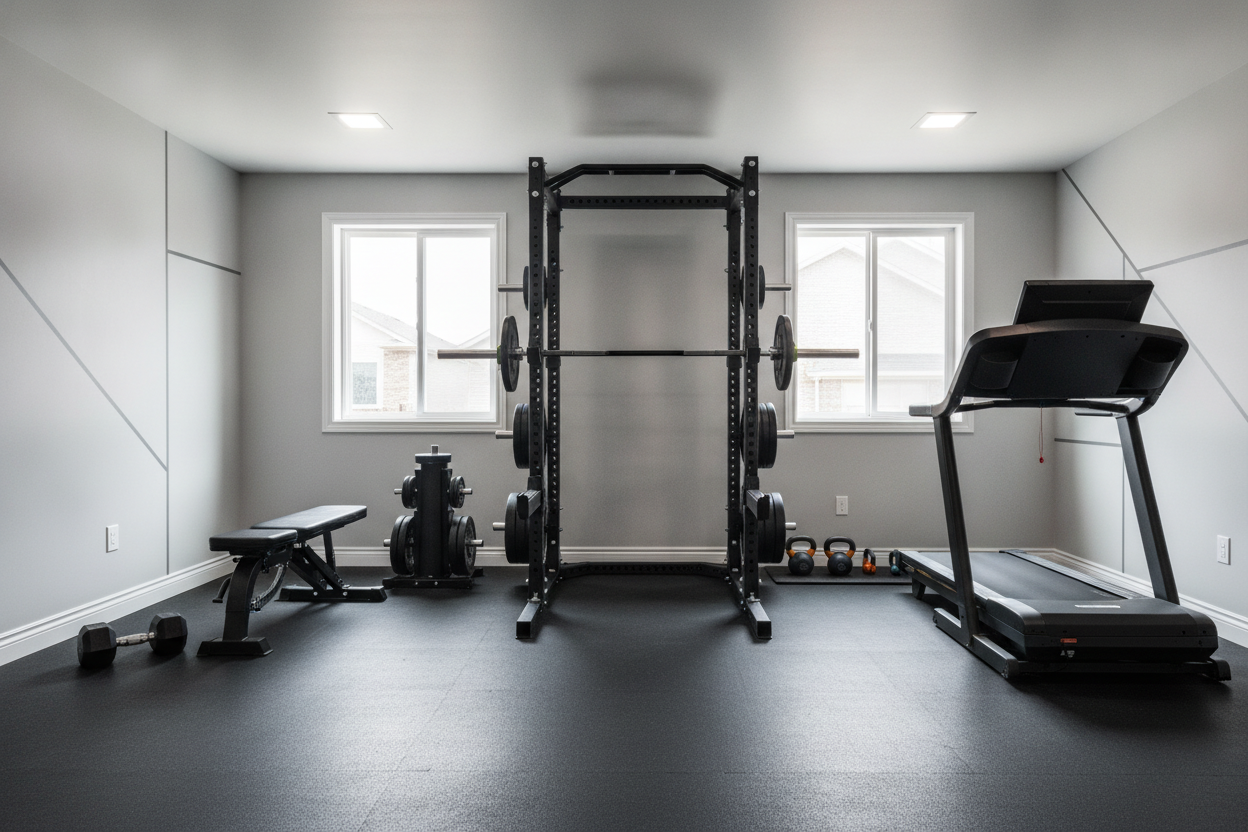
If you want to build serious muscle mass strength, you need to be ruthless with your equipment choices. You don't need a 12-station cable crossover. You need a 3x3-inch 11-gauge steel power rack with 1-inch hardware that won't wobble when you re-rack 400 pounds. You need a barbell with a 190,000 PSI tensile strength and knurling that actually bites into your palms.
Invest in bare-bones strength equipment that lasts a lifetime. A solid flat bench (rated for at least 1,000 lbs) and enough iron plates to actually challenge yourself are the only 'must-haves.' I’ve spent thousands on specialty bars and fancy attachments, but my best gains always come back to the basics: the rack, the bar, and the floor.
Programming for True Strength Mass Without the Fluff
Stop doing 4 sets of 12 on six different machines. If you want to maximize both hypertrophy and power, stick to a 'Heavy-Light-Medium' or a standard 5x5 framework. Start your session with a heavy compound movement—squat, bench, or deadlift. This is where you build your foundation. Keep your rest periods long enough to move the weight with intent.
After the heavy work, you can add 1-2 'fluff' movements if you must, but keep them focused. Use dumbbells or a simple pulley system for high-rep accessory work. The goal is to spend 80% of your energy on the 20% of movements that actually drive the needle. This is how you build a physique that looks powerful because it actually is.
Stop Buying Gear to Solve a Training Problem
Buying a new specialty bar won't fix a weak squat. Buying a cable row machine won't fix a weak back. Most of the time, we buy gear because it's easier than pushing through a plateau. We want the 'new toy' dopamine hit to replace the grind of adding five pounds to the bar. Focus on the muscle mass and strength you can build with what you already have.
That said, I’m not a monk. A few choice strength training accessories like a 10mm lever belt or a pair of versatile lifting straps can help you push past grip or core limitations. But if your gym is so full of 'stuff' that you can't comfortably drop a deadlift, it's time to sell the accessories and get back to the iron.
My Personal Experience: The Cable Crossover Mistake
A few years ago, I bought a cheap, bolt-together cable crossover from a big-box store. I thought it would 'finish' my chest. The pulleys felt like they were filled with wet sand, the cables frayed within six months, and it took up nearly half of my single-car garage. I used it for three weeks before I realized I was getting better results from simple weighted dips. I sold it for half what I paid and bought more 45-lb plates. Best trade I ever made.
FAQ
Do I really need a power rack for mass?
Technically, no, but for safety and versatility, yes. A rack allows you to push to failure on squats and presses without a spotter, which is essential for building mass in a home gym environment.
Can I build strength with just dumbbells?
You can, but you'll hit a ceiling eventually. Dumbbells are great for hypertrophy, but for raw power, the barbell allows for much heavier loading and finer increments of progression.
How many days a week should I train?
For most people, 3-4 days of heavy lifting is the sweet spot. Recovery is when the actual mass is built; if you're in the gym 7 days a week, you're likely just spinning your wheels.