You Don't Need Machines for Heavy Glute Weight Exercises
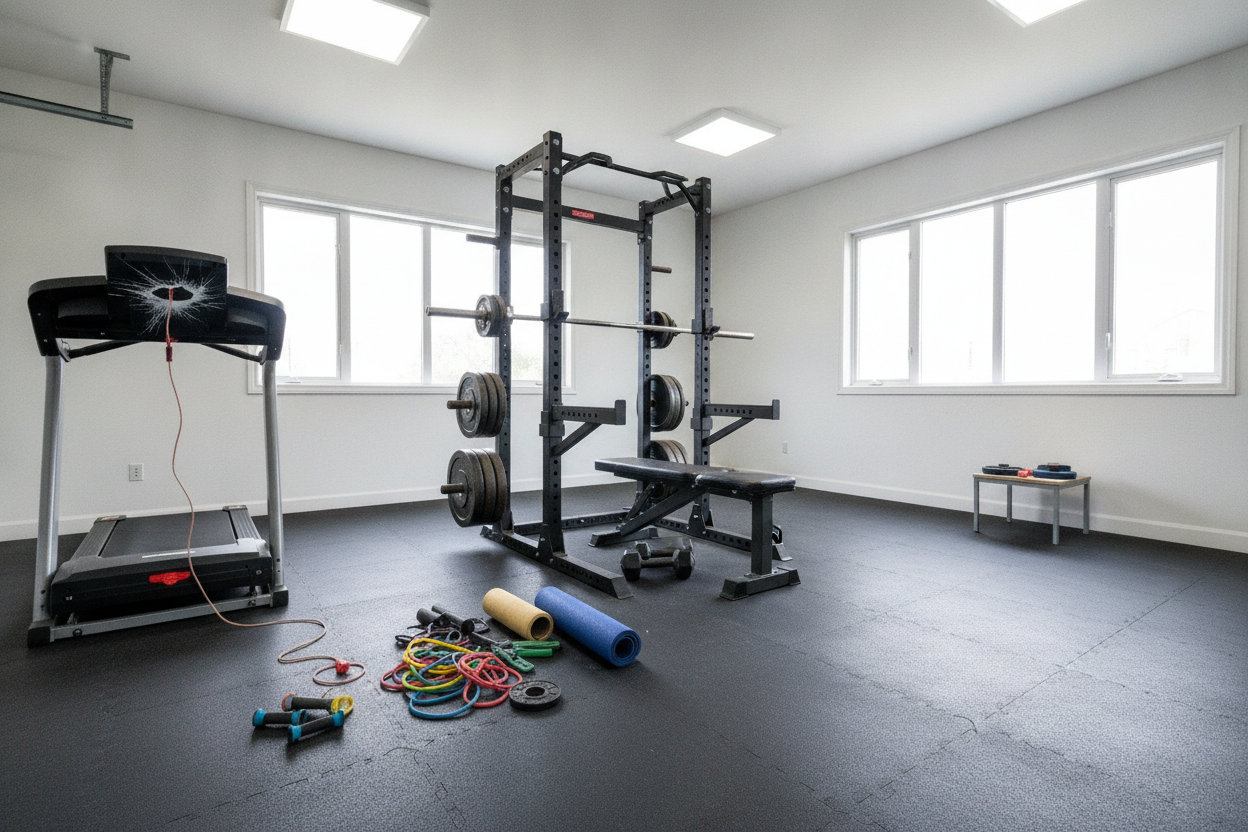
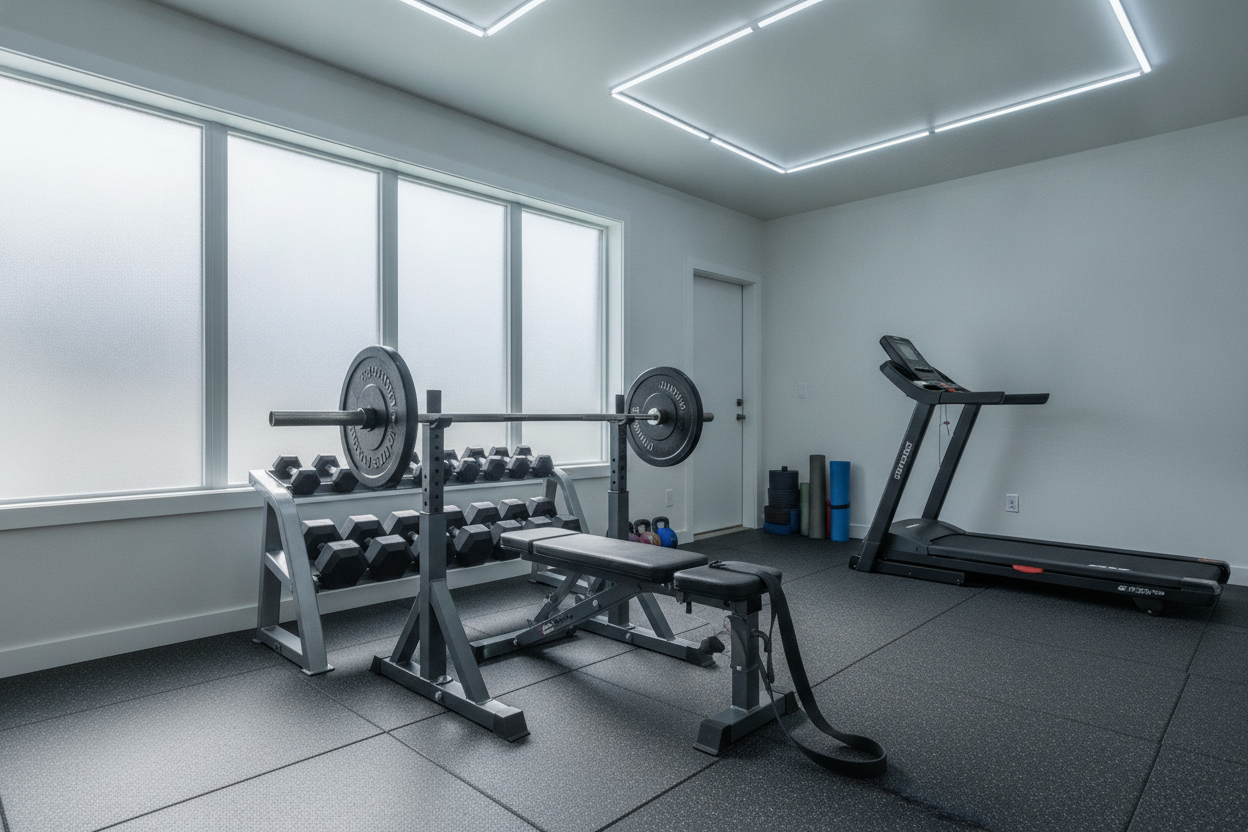
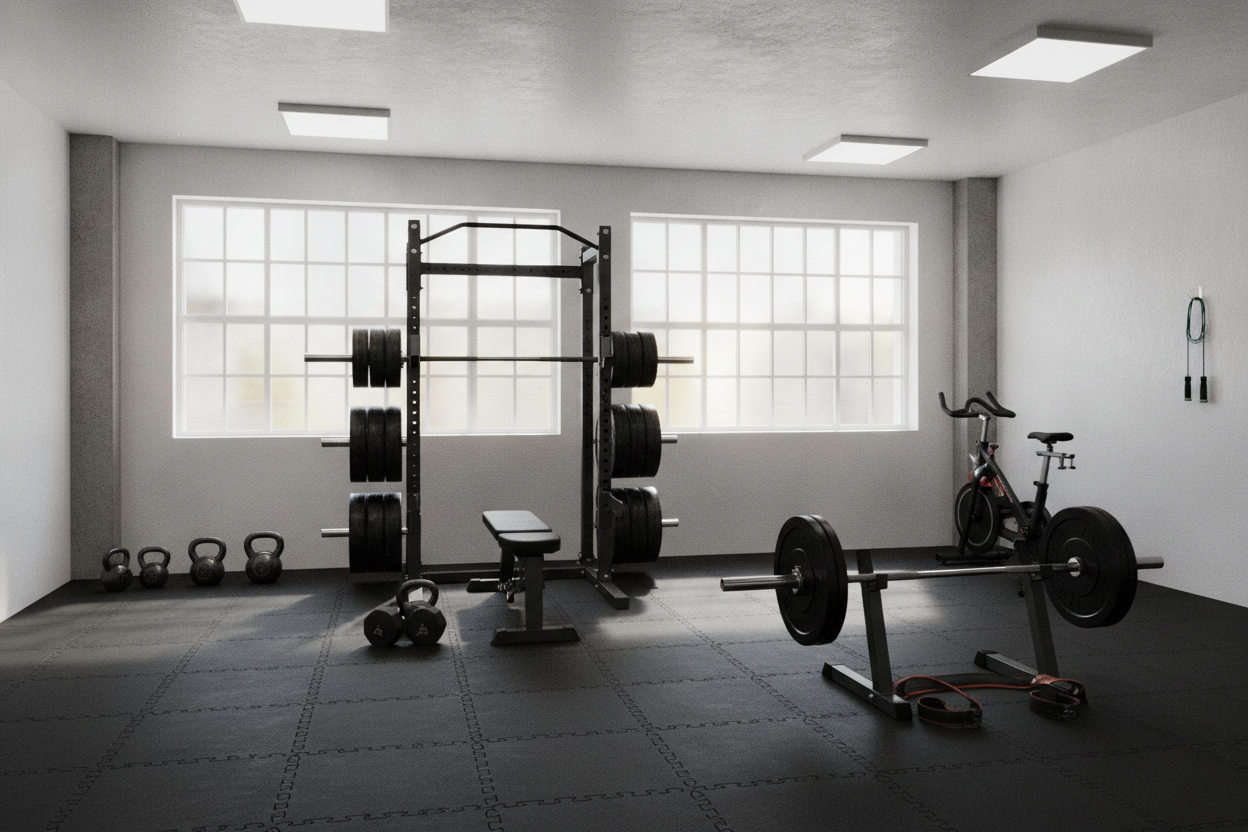
I remember walking into a big-box gym and seeing a line three people deep for the specialized hip thrust machine. People were literally waiting fifteen minutes to sit in a padded contraption that took up 30 square feet of floor space. It hit me then that my garage setup—a simple rack and a pile of iron—was actually more efficient for glute weight exercises than any commercial floor could ever be.
- Free weights allow for natural movement patterns that fixed-path machines can't replicate.
- Stabilization muscles fire significantly more when you aren't locked into a seat.
- You can build a world-class posterior chain with just a barbell, a bench, and a rack.
- Mind-muscle connection and tempo are more important than the total number of plates on the bar.
The Commercial Gym Equipment Illusion
Big-box gyms love weight lifting machines because they look impressive on a sales tour and require zero coaching. But here is the truth: those machines are built for the 'average' person, and almost nobody is actually average. If your legs are long or your torso is short, a fixed machine often puts the load on your joints instead of your glutes.
Building a home gym allows you to ditch the fluff. When you are doing weight training for glutes in a garage, you aren't limited by a machine's lever arm. You are using gravity and physics. A barbell doesn't care how tall you are; it just provides resistance through whatever range of motion your body actually allows.
The 4 Free-Weight Movements You Actually Need
You don't need twenty different variations of cable kickbacks to see growth. You need heavy, compound movements that put the glutes under high tension. Lifting for glutes effectively comes down to two things: a heavy hinge and a heavy push. These four movements cover both.
Barbell Hip Thrusts (Off a Standard Bench)
This is the king of glute weight lifting exercises. You don't need a $600 thrust machine. You need a barbell and a sturdy adjustable weight bench. The secret is the setup. If your bench slides, the set is ruined. I always shove my bench against the wall or the uprights of my rack to keep it locked in place.
Position the bottom of your shoulder blades against the edge of the bench. Use a thick bar pad—don't try to be a hero without one, or the bruising on your hip bones will stop your training for a week. Focus on a hard squeeze at the top and a controlled two-second eccentric on the way down. If you aren't pausing at the peak, you are just using momentum.
Romanian Deadlifts (The Ultimate Stretch)
RDLs are the best weight lifting glutes movement for hitting the 'underside' of the muscle. The key here is the hinge. Think about trying to touch a wall behind you with your butt while keeping the bar as close to your shins as possible. Stop when your hips stop moving backward; going lower just stresses your spine.
Bulgarian Split Squats (Torso Angle Matters)
Most people do these with an upright torso, which turns it into a quad exercise. To make this one of the best weight training exercises for glutes, you need a slight forward lean—about 30 degrees. This puts the glute in a stretched position at the bottom of the rep. Use a pair of heavy dumbbells and hold them at your sides like suitcases.
Heavy Weighted Step-Ups
Step-ups are often treated like cardio, but they are incredible for glute weight lifting exercises when done heavy. I like to use the safety spotter arms on my power rack as a platform because they are more stable than most wooden boxes. The trick is to not 'cheat' with the bottom foot. Keep your toes pulled up on the trailing leg so you can't push off the floor.
Stop Ego Lifting and Fix Your Mind-Muscle Connection
I see it every day: people loading up four plates on a hip thrust and only moving the bar three inches. That isn't weight training exercises for glutes; that's just an ego trip. If you can't hold the peak contraction for a full second, the weight is too heavy. You need to master the posterior pelvic tilt—tucking your tailbone—to actually engage the muscle.
For those just starting out, this is one of the best weight lifting exercises for beginners to focus on: the bodyweight glute bridge. If you can't feel your glutes firing without weight, adding a 45-lb bar isn't going to help. Slow down, control the weight, and stop worrying about what the person next to you is lifting.
A Simple 3-Day Home Gym Routine
You don't need to train glutes every day. They need recovery just like any other muscle. A simple split might look like this:
- Monday: Barbell Hip Thrusts (4 sets of 8-10) + Bulgarian Split Squats (3 sets of 12).
- Wednesday: Romanian Deadlifts (4 sets of 8) + Heavy Step-Ups (3 sets of 10).
- Friday: Glute-Focused Squats (Low bar) + Glute Bridges (3 sets of 15-20).
Personal Experience: My Biggest Mistake
When I first started lifting for glutes at home, I used a bench that was too high. I'm 5'10", and using a standard 17-inch bench for hip thrusts meant I couldn't get a full range of motion without my ribcage flaring. I eventually bought a lower 14-inch block, and the difference in muscle soreness the next day was night and day. Equipment height matters more than you think.
FAQ
Do I need a specialized bar for glute exercises?
No. A standard 20kg Olympic bar is perfect. If you find the knurling too aggressive on your shins during RDLs, you can wear long socks or sleeves, but a basic bar is all you need.
Can I build glutes with just dumbbells?
Yes, but you will eventually hit a ceiling. Glutes are the strongest muscle group in the body; you'll likely outgrow a 50-lb dumbbell set for hip thrusts within a few months. Barbells are better for long-term loading.
Should I wear a lifting belt?
For heavy RDLs or squats, a belt can help with intra-abdominal pressure. For hip thrusts, it's usually just in the way. Focus on your internal bracing first.