Wirecutter Rowing Machine Picks: The Honest Truth Before You Buy
You are ready to invest in a home gym, and naturally, you turn to the experts. You search for the wirecutter rowing machine recommendation, expecting a simple answer. Usually, you find the Concept 2 RowErg sitting at the top of their list, often followed by a high-tech option like the Hydrow.
But blindly following a review site—even one as reputable as the New York Times’ Wirecutter—can be a mistake if you don't understand the context. Their testing protocols are rigorous, but they don't always account for your specific living situation, noise tolerance, or biomechanics. This guide breaks down the reality behind those top-tier recommendations.
Key Takeaways: The Verdict in Brief
If you are short on time, here is the breakdown of the current landscape regarding the best rowing machine wirecutter picks and the industry consensus:
- The Universal Standard: The Concept 2 RowErg is the top pick because it is virtually indestructible and holds resale value, not because it is the quietest or prettiest.
- The Subscription Factor: Connected rowers (like Hydrow) are often runners-up but require expensive monthly fees to function properly.
- Resistance Matters: Wirecutter favors air resistance over magnetic for accuracy, but air rowers are significantly louder.
- Data Integrity: Budget knock-offs often fail to track meters accurately, making them useless for comparing times with others.
Why the Concept 2 Dominates the Rankings
If you look at any wirecutter best rowing machine list from the last decade, the Concept 2 (formerly Model D) is the king. There is a specific reason for this that goes beyond paid sponsorships or affiliate links.
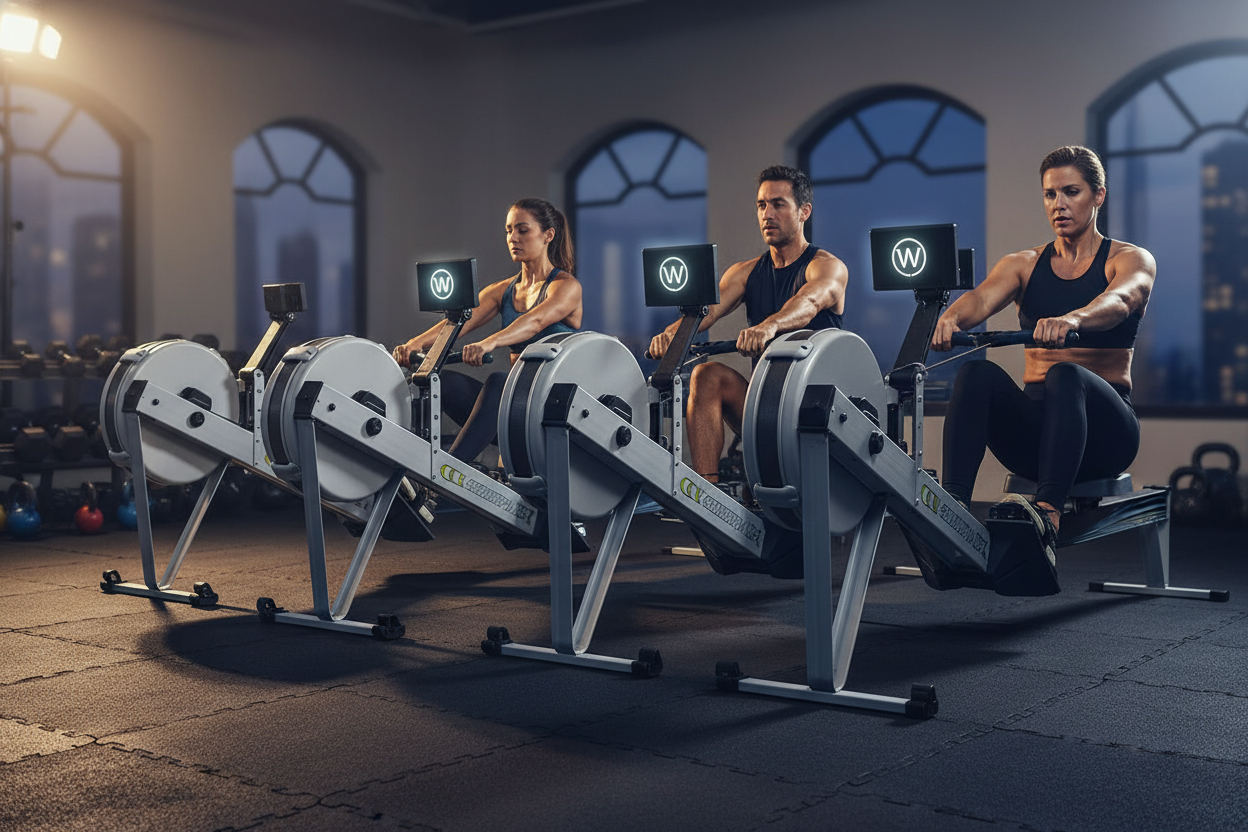
It comes down to the "drag factor." Unlike cheap magnetic rowers that lose tension over time or vary wildly between machines, a Concept 2 is standardized. The effort required to row a 2:00/500m split on a machine in New York is exactly the same as one in London. This standardization makes it the only choice for serious athletes or anyone participating in CrossFit.
The Durability Factor
Wirecutter praises this machine because it is essentially a tank. You can abuse it daily for ten years, change the batteries in the monitor once in a while, and oil the chain, and it will run like new. From a consumer advice standpoint, it is the safest recommendation to make because it rarely breaks.
The Connected Rower Dilemma
Often, the rowing machine wirecutter runner-up is a "smart" rower, such as the Hydrow or Peloton Row. These machines offer a sleek aesthetic and near-silent magnetic resistance, which solves the noise problem of air rowers.
However, the hardware is often a paperweight without the software. When buying these based on a review, you aren't just buying a machine; you are signing a contract for a monthly membership ($38-$44/month). If you cancel the subscription, many of these machines lose their primary functionality. The screen becomes a brick, and you are left with a very expensive manual rower.
The Problem with Budget Magnetic Rowers
You might wonder why budget magnetic rowers (the $300 options on Amazon) rarely crack the top tier of expert reviews. It is not elitism; it is biomechanics.
Cheap magnetic rowers often suffer from a "dead spot" at the catch (the beginning of the stroke). When you push with your legs, there is a millisecond of lag before the resistance kicks in. Over thousands of strokes, this can cause lower back strain because you are snapping your legs without immediate load. High-quality recommendations avoid this by using air (Concept 2) or advanced electromagnetic drag (Hydrow) to ensure instant engagement.
My Personal Experience with wirecutter rowing machine Picks
I have spent hundreds of hours on the Concept 2 RowErg—the darling of every review site—and I want to share the unpolished reality that a spec sheet won't tell you.
The first thing you realize isn't the smooth glide; it's the handle. The standard hard plastic handle is brutal on beginner hands. If you don't hold it correctly (fingers hooked, thumbs loose), you will develop blisters at the base of your fingers within the first 20 minutes. I actually had to sand down a callous that tore mid-workout once.
Another detail the reviews gloss over is the "fan breeze." On a Concept 2, the air from the flywheel shoots out the side. In the winter, if you are rowing in an unheated garage like I do, that cold air hitting your sweaty neck can be miserable unless you rig up a plastic diverter. However, the reliability is real. I have dropped my handle against the chain guard more times than I can count, and the machine doesn't care. It just works, every single time.
Conclusion
The wirecutter rowing machine suggestions are generally sound, but they favor longevity and data accuracy over comfort and silence. If you want a machine that will last a lifetime and holds its value, the Concept 2 is the answer. If you need silence and motivation from an instructor, look at the Hydrow, but be prepared for the ongoing cost. Don't compromise on a cheap magnetic rower just to save money upfront; your back will pay for it later.
Frequently Asked Questions
Why does Wirecutter always recommend air rowers over magnetic?
Air rowers provide dynamic resistance, meaning the harder you pull, the more resistance you feel. This mimics water rowing perfectly. Simple magnetic rowers have static resistance, which can feel unnatural and limit your workout intensity.
Is the Concept 2 too loud for an apartment?
It depends on your walls. The Concept 2 generates noise similar to a loud washing machine or a large box fan. It isn't a banging noise, but a "whooshing" wind noise. If you have thin walls and row at 5 AM, your neighbors might hear it.
Can I use the Peloton app with a Concept 2 rower?
Yes. Many people buy the Concept 2 (because it is cheaper and more durable) and simply prop an iPad on the monitor arm to run the Peloton or Apple Fitness+ rowing classes. This is often considered the most cost-effective "hybrid" setup.