Why Your Workout for Strength Training Shouldn't Leave You Puking
I remember my first garage setup. It was a pair of rusty spin-lock dumbbells and a bench that wobbled every time I breathed. Back then, I thought a workout for strength training was only successful if I was crawling out of the garage, drenched in sweat and fighting the urge to lose my lunch. I was wrong.
Real strength isn't about how much you suffer; it's about how much you can move. If you're chasing 'the burn' until you collapse, you aren't building a powerhouse—you're just doing expensive cardio in a lifting rack. True progress happens when you stop treating your gym like a torture chamber and start treating it like a lab.
Quick Takeaways
- Fatigue is not a proxy for progress.
- Strength is a skill that requires a fresh Central Nervous System (CNS).
- Rest intervals are just as important as the lifting itself.
- Quality gear like a 20kg Olympic bar beats a pile of light dumbbells every time.
The 'Sweat Equals Success' Myth Is Killing Your Gains
We’ve been conditioned by social media montages to think that if we aren't gasping for air, we aren't working. That's fine for a metabolic finisher, but it’s poison for a building strength workout. When your goal is to add 50 pounds to your squat, your priority is mechanical tension, not caloric expenditure.
Feeling destroyed after a strength training session usually means you've overshot your RPE (Rate of Perceived Exertion). If your form breaks down because you're too tired to hold your brace, you aren't getting stronger; you're just practicing bad habits. I learned this the hard way after a month of 'no days off' led to a shoulder impingement that kept me off the bench for eight weeks.
What a Real Workout for Strength Training Actually Looks Like
A legitimate strength session is surprisingly quiet. It’s heavy loads, low repetitions (usually in the 1-5 range), and a lot of standing around. This is the complete opposite of a high-intensity strength training challenge where the clock is your enemy.
In a pure strength block, the clock is your ally. You want your nervous system to fully recover between sets so you can produce maximum force. If you're rushing into your next set while still huffing, you’re training your endurance, not your top-end power. You might get 'ripped,' but you won't get strong.
Rest Periods: The Hardest Part of Lifting Heavy
Sitting on your bench for three to five minutes feels like an eternity when you're used to circuit training. But it is scientifically mandatory. Your muscles use ATP-CP (adenosine triphosphate-creatine phosphate) for these explosive movements, and that system takes a few minutes to recharge. If you cut your rest short during a heavy strength training session, you’re leaving pounds on the platform.
The Hardware You Need to Push Real Weight
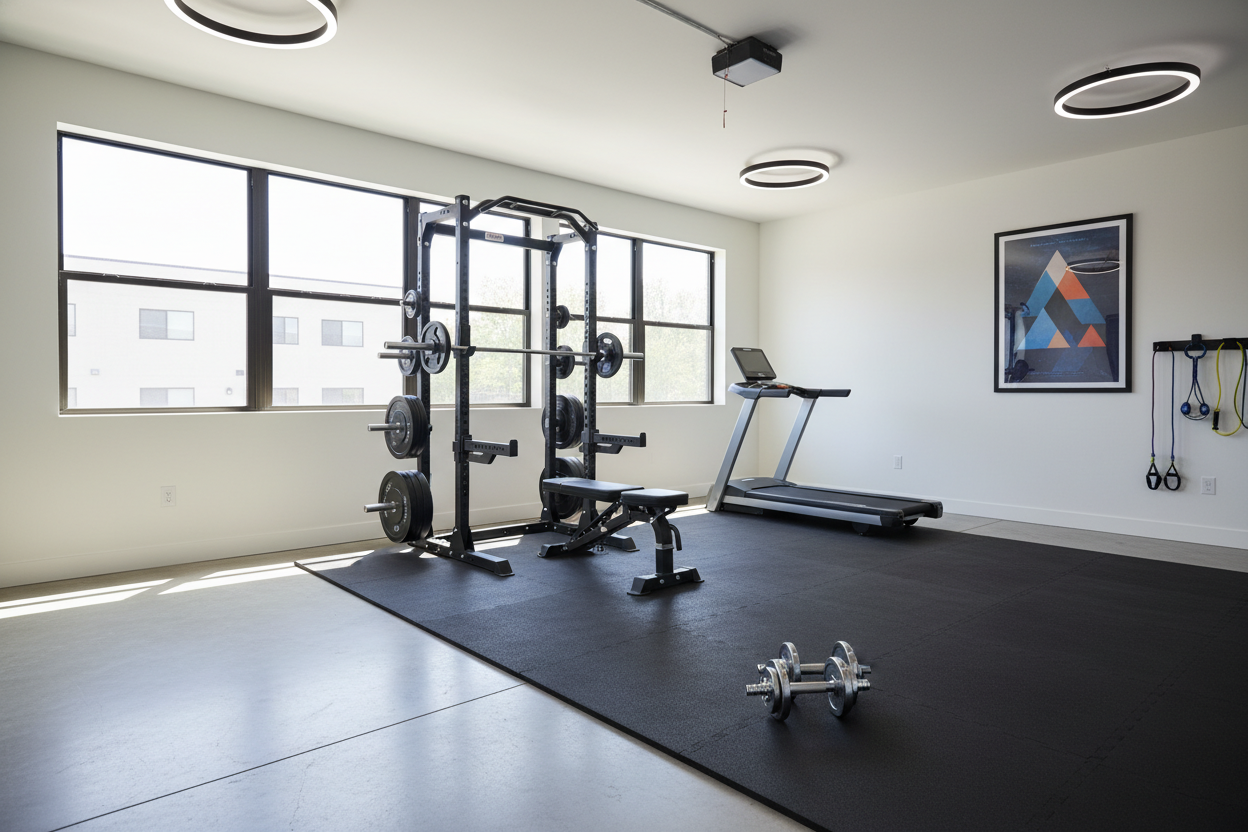
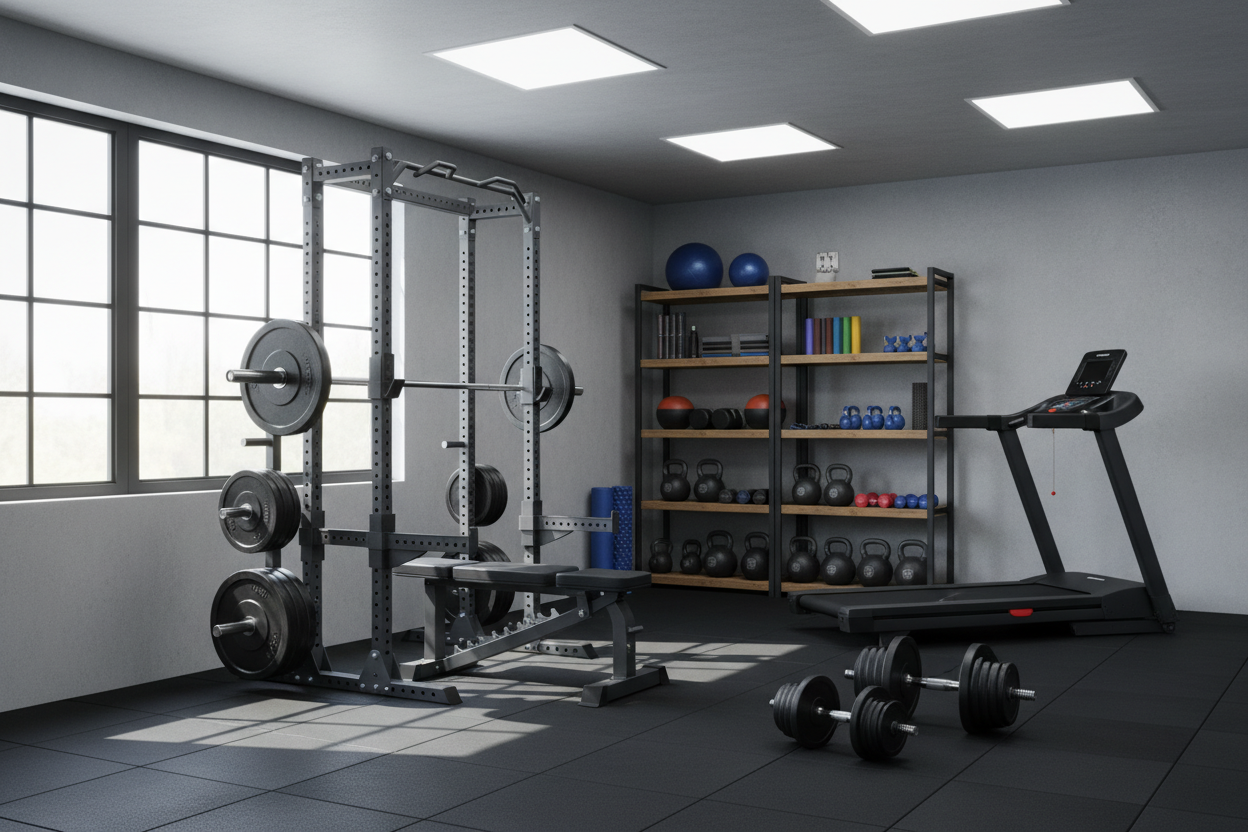
You eventually reach a point where the 'entry-level' gear doesn't cut it. To move real weight, you need dedicated strength equipment—specifically a power rack with 11-gauge steel and a barbell that won't turn into a permanent 'U' shape after a heavy deadlift session. I’ve seen cheap bars snap their snap-rings under 300 lbs; it isn't pretty.
As you progress, the little things matter. Once you're pulling 2x your body weight, strength training accessories like a stiff leather belt or liquid chalk become essential safety tools. They allow you to create more internal pressure and grip security, ensuring the bottleneck is your muscle, not your sweaty palms.
Structuring Your Weekly Strength Training Sessions
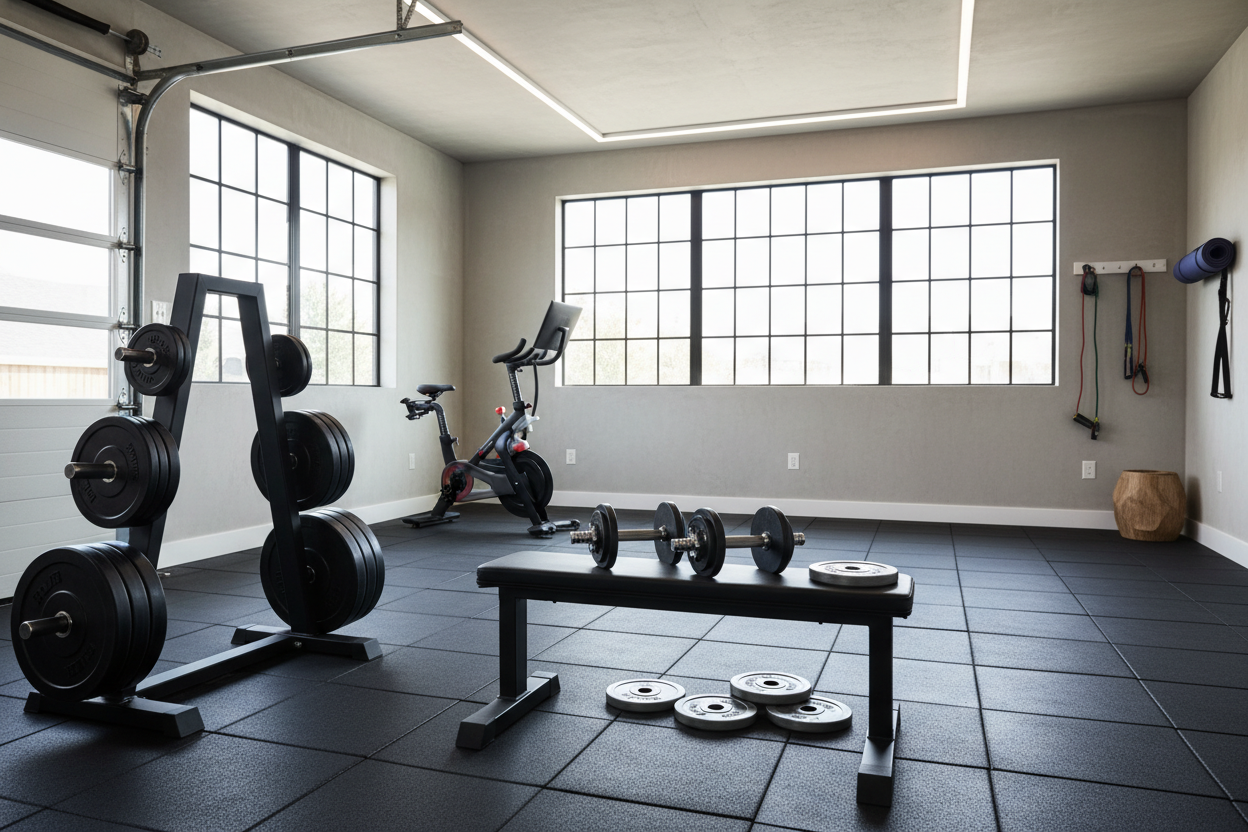
You can't go 100% every day. I like to split my week into four distinct strength training sessions: Squat, Bench, Deadlift, and Overhead Press. This gives each movement pattern the respect it deserves while allowing for CNS recovery. If you're lifting in a garage, make sure you have solid gym flooring for home workout spaces to protect your concrete and your joints from the impact of heavy triples.
Volume management is the secret sauce. If your total weekly volume is too high, you'll stop seeing the bar move up. Sometimes, doing less—but doing it heavier—is exactly what your body needs to break a plateau.
A 45-Minute Blueprint You Can Steal Today
The best workouts strength training veterans swear by are usually the simplest. Pick one main lift (like the Deadlift). Do 2 warm-up sets, then 3 sets of 5 reps at 80% of your max. Follow that with two 'accessory' movements like pull-ups or dips for 3 sets of 8. That’s it. It’s unglamorous, it’s boring, and it works better than any 'extreme' program I've ever tried.
Personal Experience: The Ego Trap
I spent two years trying to 'out-work' my bad programming. I thought if I just added more sets and more sweat, the strength would come. All I got was a 225-lb bench that stayed stuck for 18 months. It wasn't until I started resting more and focusing on bar speed that I finally hit 315. I had to learn that being 'tired' isn't a trophy.
FAQ
How often should I do a strength training session?
For most people, 3 to 4 times a week is the sweet spot. This allows for 48 hours of recovery between sessions, which is vital for your nervous system.
Do I need to do cardio if I'm training for strength?
Yes, but don't overdo it. Low-intensity steady-state (LISS) cardio like walking is great for recovery. Avoid high-impact sprints on the same day as heavy squats.
Is it okay to lift if I'm still sore?
Muscle soreness (DOMS) is fine to work through, but sharp joint pain is a red flag. If your 'soreness' feels like it's inside the joint, take an extra rest day.