Why Your Women Gym Results Suddenly Stalled Out at Day 90
You know the feeling. Day 1, you’re hyped. Day 30, you’re seeing definition in your shoulders. Day 60, you’ve finally mastered the form on your goblet squat. But then Day 90 hits, and suddenly, the women gym results you were bragging about just... stop. The scale doesn’t move, the mirror looks the same, and that 20-pound kettlebell feels just as heavy as it did three weeks ago.
I’ve spent thousands of hours in my own garage gym, and I’ve seen this exact wall hit dozens of lifters. It’s not that your body is 'broken' or that you’ve reached your genetic limit. It’s usually because your training hasn't evolved past the 'beginner' phase. You're still using the same intensity you used when you didn't know a snatch from a squat.
- Newbie gains are neurological: Your brain got better at the movements, but you haven't built significant muscle yet.
- The 15-lb trap: If you aren't increasing the weight, your body has no reason to change.
- Home gym bottlenecks: You can't reach your potential if your equipment limits your safety at higher weights.
- Protein is fuel: You can't build a house without bricks; stop under-eating.
The Honeymoon Phase is Officially Over
Those initial weight training results women experience are intoxicating. In those first eight to twelve weeks, your central nervous system is essentially 'waking up.' You aren't necessarily growing massive amounts of new muscle fiber; your brain is just learning how to recruit the fibers you already have more efficiently. It’s like upgrading the software on an old computer.
But software updates only go so far. Eventually, you need better hardware. Once your nerves are firing correctly, the 'easy' progress disappears. If you keep doing the same three sets of ten with the same dumbbells, you’re just maintaining. To keep seeing women weight lifting results, you have to force a new adaptation by making the work harder than it was last Tuesday.
You're Doing the Work, But Not the Math
I see it all the time: people grinding for 60 minutes, drenched in sweat, but lifting the exact same loads they used a month ago. Sweat is a thermoregulation response, not a metric of muscle growth. If you want weight training results female lifters actually maintain long-term, you need to understand progressive overload. It’s simple: you must do more over time.
This doesn't mean you have to add 10 pounds every session. It might mean doing 12 reps instead of 10 with the same weight, or shortening your rest periods from 90 seconds to 60. But if you're just chasing a 'burn' through endless cardio or strength training hybrids without tracking your numbers, you're spinning your wheels. Buy a notebook. Record every set. If the numbers aren't going up, your results won't either.
The Problem with Staying Comfortable
There is a psychological safety net in lifting weights that feel 'manageable.' But strength training women results come from the 'uncomfortable' zone. If you finish a set of 10 and feel like you could have done 15, you didn't actually do a set of 10—you did a warm-up. You need to be within 1-2 reps of technical failure to signal your body that it needs to grow stronger.
Is Your Equipment Bottlenecking Your Gains?
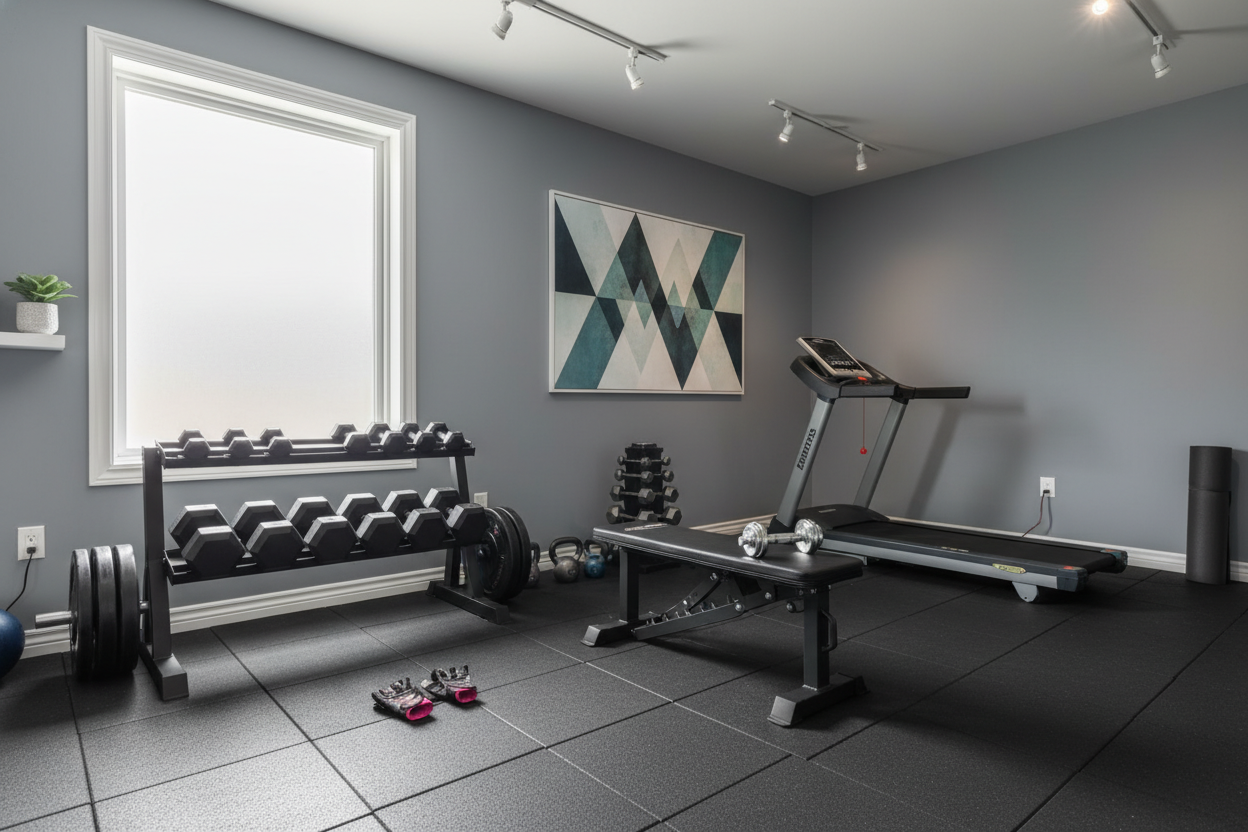
This is the hard truth for home gym owners: your 25-lb adjustable dumbbell set is going to fail you eventually. You can only do so many lunges with light weights before your cardiovascular system gives out before your glutes do. To keep the progress coming, you eventually have to move toward heavy compound lifts—squats, deadlifts, and presses.
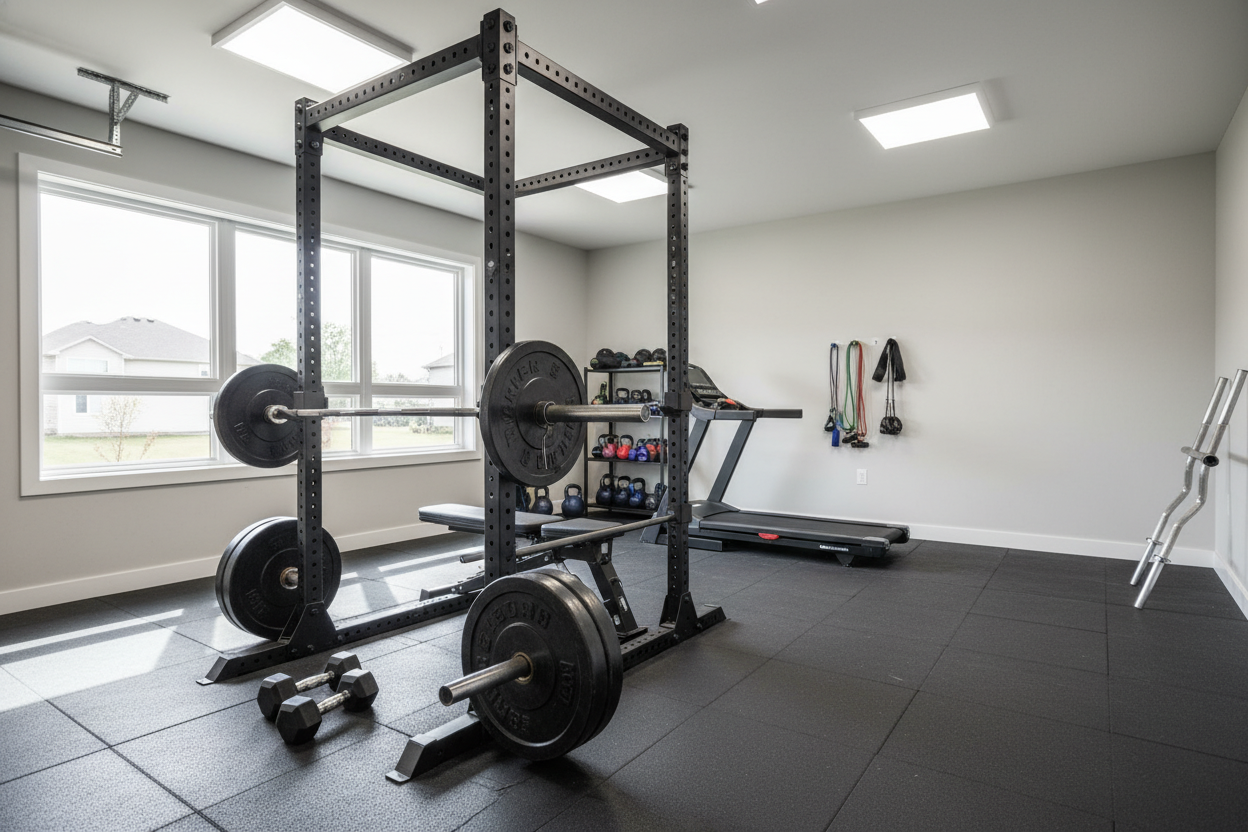
If you're training alone in a garage, safety is the biggest mental barrier to lifting heavy. This is where a power rack weight bench package becomes a necessity. Having spotter arms means you can actually find your limit on a back squat without fear of ending up on the floor. When you know you're safe, you lift heavier. When you lift heavier, you grow.
Sometimes, though, your joints just need a break from the barbell. Supplementing your heavy work with weight lifting machines or cable towers allows you to isolate specific muscles and create mechanical tension without the systemic fatigue of a heavy squat. It’s about having the right tool for the specific phase of your training.
The Invisible Plateaus: Food and Sleep
You can have the best 11-gauge steel rack in the world, but if you’re sleeping five hours a night and eating 1,200 calories, you will fail. The weight training results female athletes want—that 'toned' look—is actually just muscle mass paired with low enough body fat to see it. You cannot build that muscle in a chronic caloric deficit.
Aim for at least 0.7 to 1 gram of protein per pound of body weight. If you're 150 lbs, that’s 120-150g of protein. Most people I talk to are barely hitting 60g. Also, stop scrolling your phone until 1 AM. Your growth hormone peaks while you sleep. If you cut your sleep short, you’re literally cutting your gains short.
Your Blueprint for the Next 90 Days
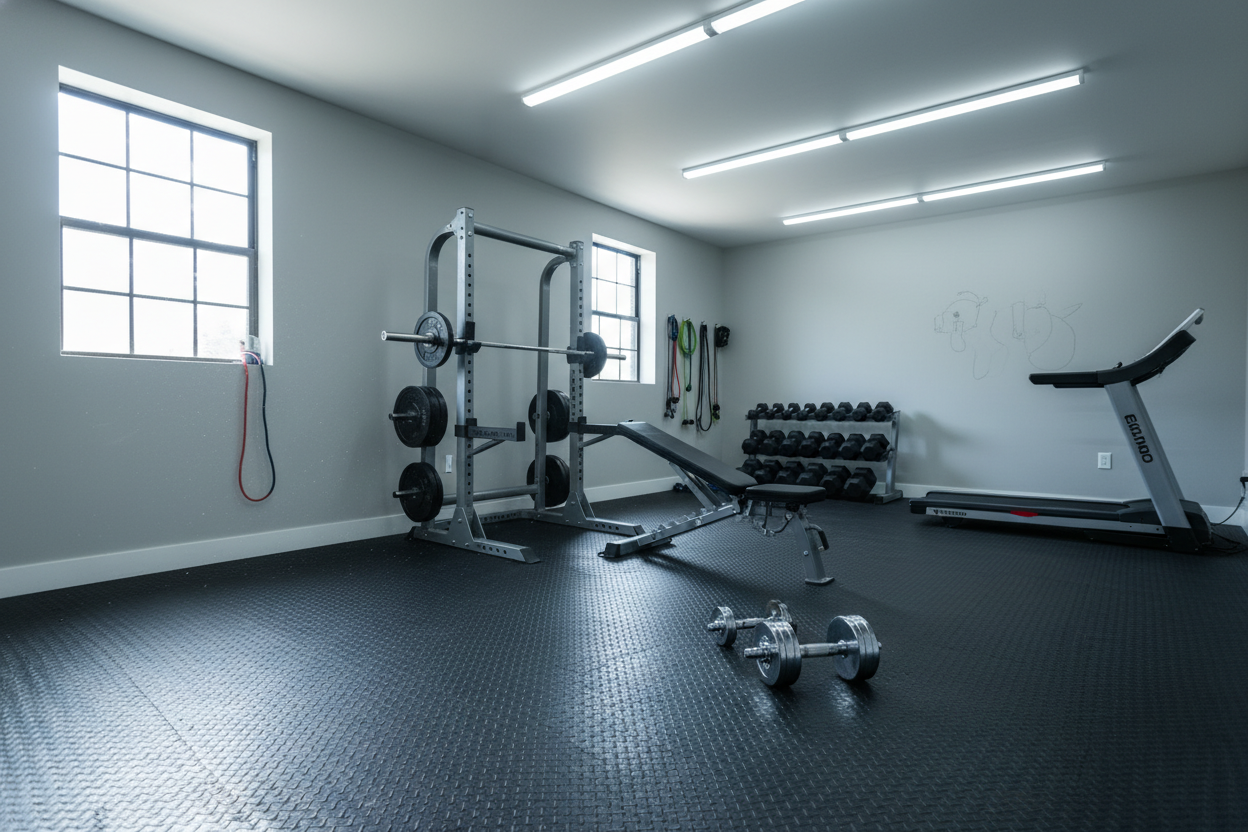
First, audit your gear. Are you limited by your weights? If you've maxed out your current setup, it's time to look for better weight training equipment for your goals. You need a path to lift 100, 150, or 200 pounds eventually.
Second, pick a proven program. Stop 'making it up' as you go. Follow a linear progression or a 5/3/1 variation that forces you to add weight to the bar. Third, track your protein like it’s your job for two weeks just to see where you actually stand. Usually, the 'plateau' isn't a mystery—it's just a lack of data.
Personal Experience: My 20-lb Mistake
I spent my first year of home training using a single 20-lb dumbbell for everything. I thought if I just did more reps and moved faster, I’d get the 'athletic' look I wanted. I got leaner, sure, but I didn't look any different in clothes. It wasn't until I bought a real Olympic barbell and started failing reps at 135 lbs that my body actually changed shape. I wasted a year being 'busy' instead of being 'strong'. Don't make that mistake.
FAQ
How often should I change my workout?
Don't change the exercises; change the intensity. Stick to the same core movements for at least 8-12 weeks, but keep trying to add weight or reps every single week.
Why am I gaining weight but getting smaller?
Muscle is much denser than fat. If the scale is creeping up but your jeans are looser, congratulations—you're achieving body recomposition. This is exactly what you want.
Do I really need a power rack?
If you plan on squatting or pressing anything near your body weight, yes. It’s not just about the weight; it’s about the safety of the catch bars so you can train with 100% effort without a human spotter.