Why Your Resistance Exercises for Women Over 50 Feel Useless
I was at a local commercial gym last week and saw a trainer handing a woman in her mid-50s a pair of 2lb pink dumbbells for 'toning.' I almost dropped my own barbell in frustration. We’ve been lied to for decades about what resistance exercises for women over 50 should actually look like, and it’s costing us our bone density and metabolic health.
If you're tired of doing endless reps that feel like cardio rather than strength, you're not alone. I’ve spent the last decade testing racks, bars, and plates in my own garage gym, and I’ve learned that the only way to move the needle after 50 is to stop treating yourself like you're made of glass. You need mechanical tension, not just movement.
- Heavy lifting is the most effective way to combat osteoporosis.
- Compound movements (squats, hinges, presses) provide the best ROI for your time.
- Recovery takes longer at 50, so three heavy days a week is the sweet spot.
- Quality equipment beats a room full of light weights every time.
The 'Bone Density' Lie We're Sold at 50
The fitness industry loves to tell women that once they hit menopause, they should stick to yoga and light walking. That is dangerous advice. While walking is great for your heart, your bones require a specific amount of mechanical load to stay dense. When estrogen levels drop, bone resorption outpaces bone formation. To stop that slide, you need to lift weights that actually feel heavy to your central nervous system.
Lifting a 3lb weight for 30 reps won't trigger the osteoblasts (bone-building cells) to do their job. You need to be working in a rep range where the last few reps are genuinely difficult—usually between 5 and 10 reps. This isn't about becoming a bodybuilder; it's about maintaining a skeleton that won't shatter if you trip on a sidewalk. Strength training over 50 female athletes is about survival as much as it is about aesthetics.
What Real Resistance Exercises for Women Over 50 Look Like
The best strength training routines for women over 50 don't require a specialized 'senior' program. They need the basics. We are talking about the best weight lifting exercises for women: the squat, the deadlift, the press, and the row. These are the foundational patterns that translate to real-world capability, like picking up a grandkid or hauling a 40lb bag of mulch without throwing your back out.
The secret isn't finding new, fancy exercises; it's mastering the old ones with better form and consistent progression. You don't need a 50-move circuit. You need four or five movements that you perform with intensity. If you can do 20 reps of an exercise without breaking a sweat, it’s not a strength exercise; it’s a waste of your valuable time.
Lower Body: Squatting Without Wrecking Your Knees
Many women avoid weight lifting exercises for women over 50 because they’re afraid of knee pain. I get it—my own left knee has been cranky since a skiing accident in the 90s. But the answer isn't to stop squatting; it's to change how you do it. The box squat is my go-to recommendation. By sitting back onto a bench or box, you keep the shins more vertical and take the shearing force off the patella while still loading the hamstrings and glutes.
A goblet squat is another winner for strength training over 50 women. Holding a single heavy dumbbell or kettlebell against your chest acts as a counterbalance, allowing you to stay upright and engage your core more effectively. It’s a safer way to build serious leg strength without needing a massive squat rack right away.
Upper Body: Yes, You Still Need to Press
Don't skip the overhead work. Weight training for over 50 female lifters often neglects the shoulders and chest, leading to that 'rounded' posture we all want to avoid. If a standing overhead press feels too unstable for your back, take a seat. Using a stable surface like the Gxmmat adjustable weight bench allows you to focus entirely on the push without worrying about your balance or your lower back arching excessively.
Incline chest presses are also significantly more shoulder-friendly than flat benching for many of us. They target the upper pec and front delt while keeping the humerus in a more natural track. This kind of weight lifting routine for women over 50 builds the functional strength needed to reach for things on high shelves and maintain a confident, upright posture as the years go by.
How to Build Your Setup Without Overcomplicating It
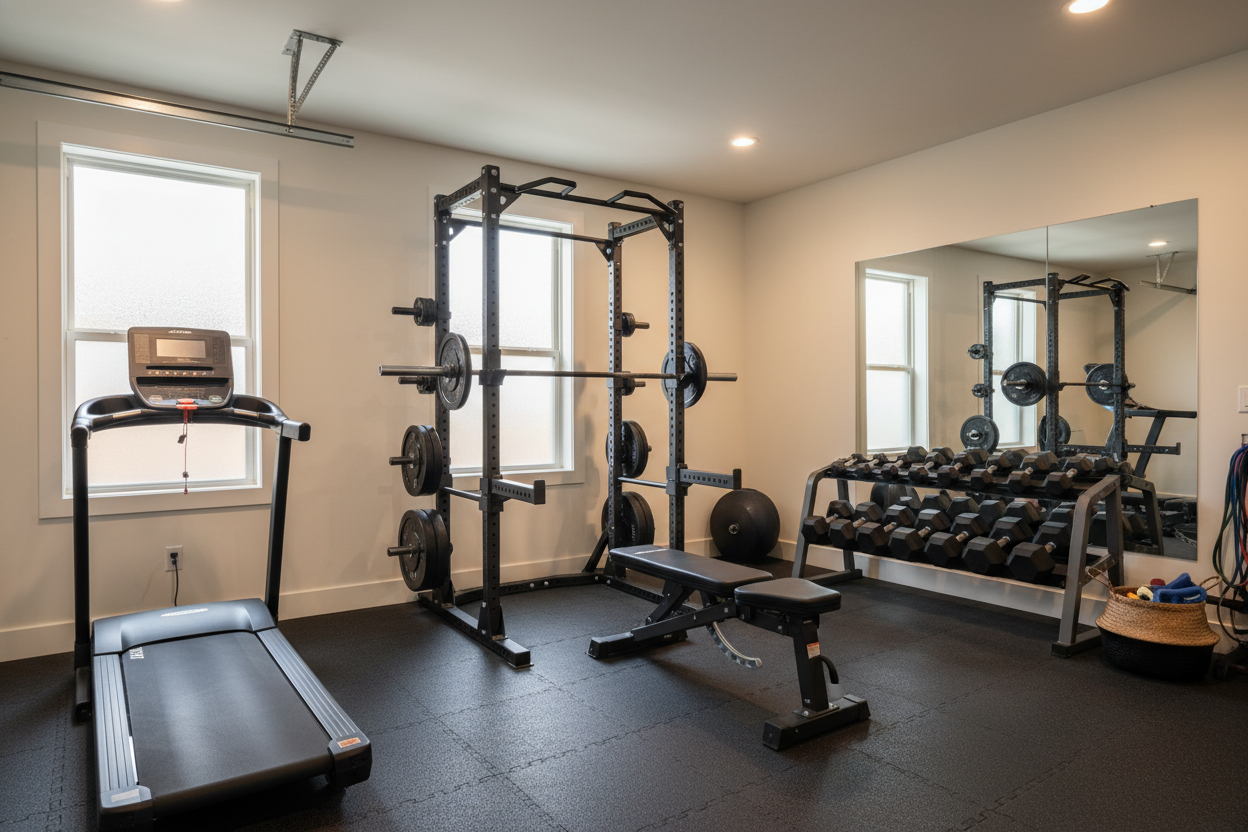
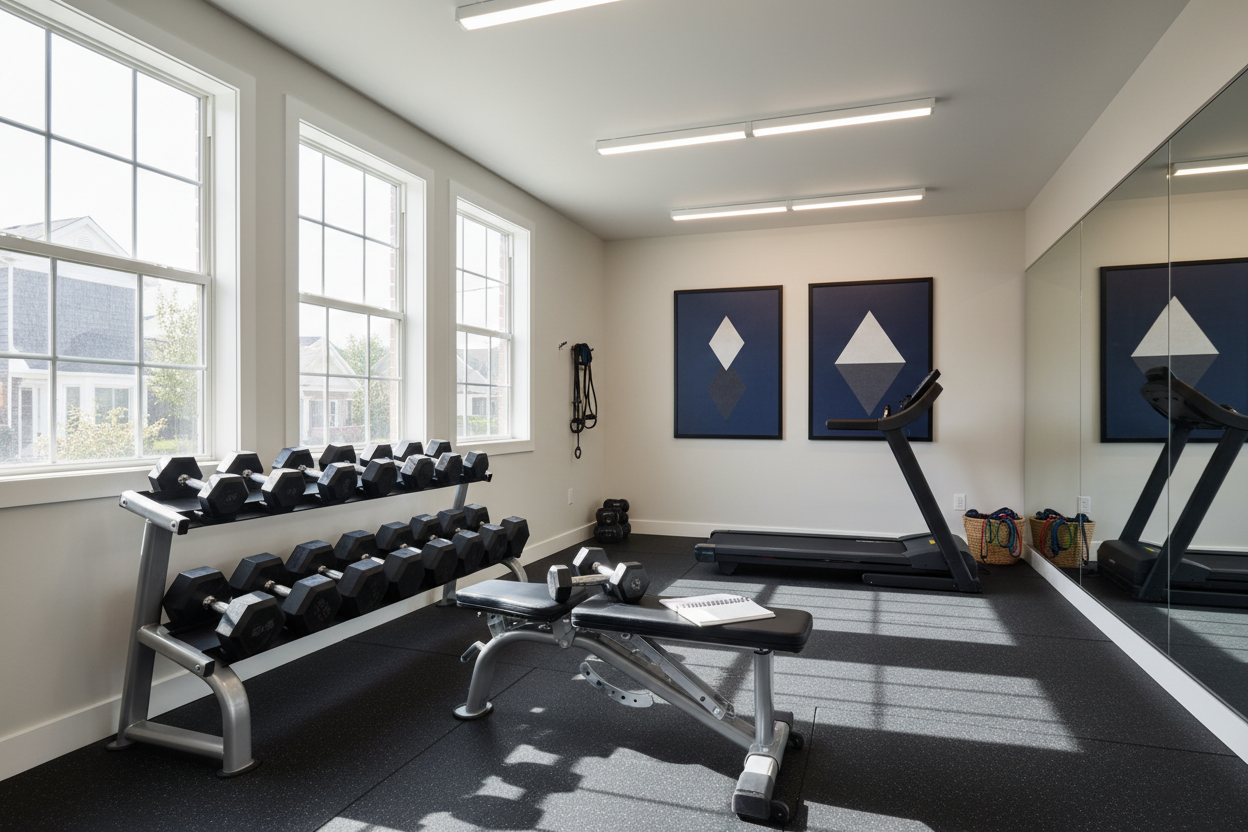
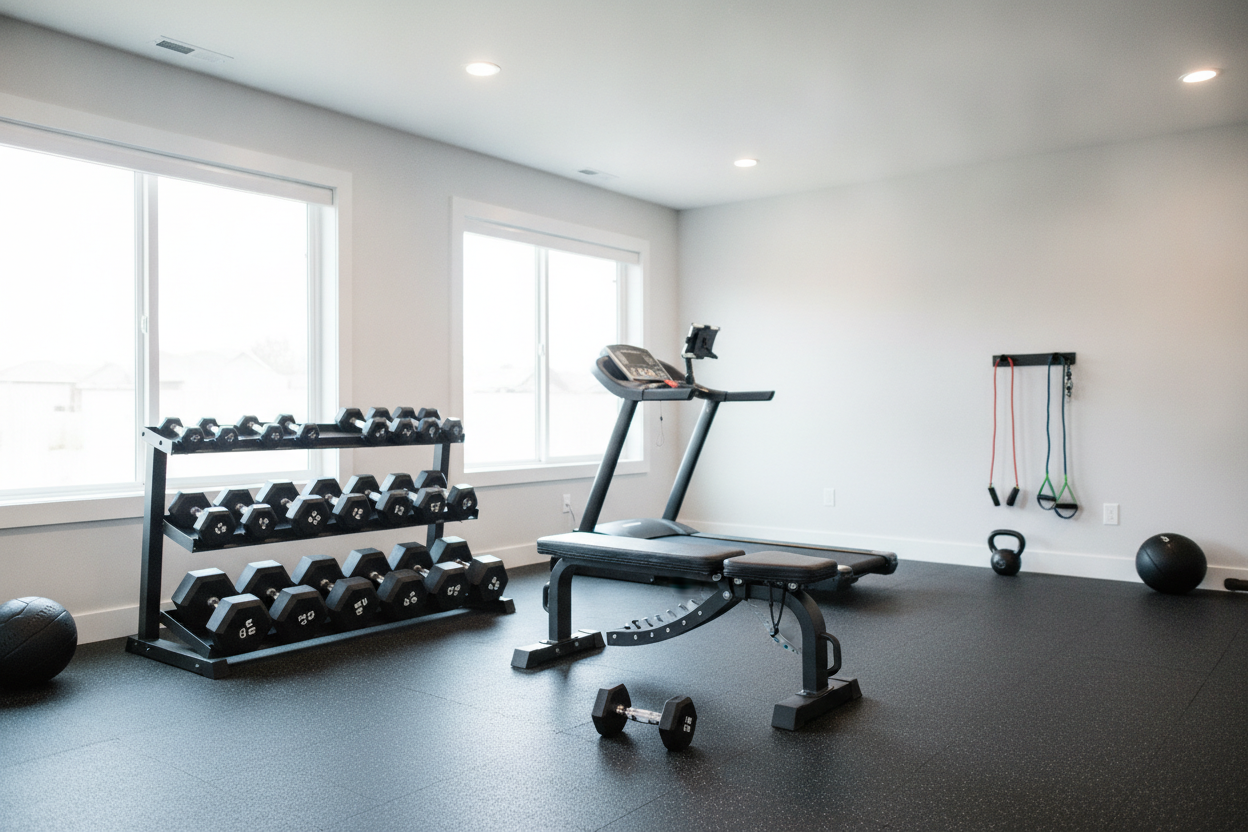
You do not need a $5,000 commercial setup. In fact, most 'home gym' kits sold to women are overpriced junk that you'll outgrow in three weeks. When choosing the best strength and weight training equipment, prioritize a few heavy pieces over a dozen light ones. A single pair of adjustable dumbbells that go up to 50lbs will serve you much longer than a rack of fixed weights that top out at 15lbs.
Focus on a solid bench, a set of dumbbells, and a few strength training accessories like pull-up assist bands or lifting straps. If your grip strength is the limiting factor on your deadlifts, use the straps. The goal is to challenge your large muscle groups, not just your hands. My own garage started with one bar and two 25lb plates; you build the collection as you get stronger, not all at once.
A 3-Day Weekly Schedule That Actually Promotes Recovery
The biggest mistake I see in weight training for females over 50 is overtraining. At 25, you can hit the gym six days a week and bounce back. At 55, your tendons and ligaments need more breathing room. A Monday-Wednesday-Friday full-body split is the gold standard because it gives you 48 hours between sessions to rebuild the tissue you broke down.
A sample weight lifting program for women over 50 might look like this:
- Monday: Goblet Squats, Incline Bench Press, One-Arm Rows.
- Wednesday: Deadlifts (or RDLs), Overhead Press, Lat Pulldowns.
- Friday: Box Squats, Push-ups (elevated on a bench if needed), Lunges.
Personal Experience: My 'Bulky' Fear
I spent years sticking to 'toning' routines because I was terrified of looking like a linebacker. It wasn't until my mid-40s that I finally grabbed a 35lb kettlebell and started swinging. I didn't get bulky; I got smaller, tighter, and for the first time in my life, my chronic lower back pain vanished. The real 'bulk' most of us carry is the inflammation and lack of muscle tone that comes from avoiding heavy resistance. My only regret is not starting sooner.
FAQ
Will lifting heavy weights make my joints hurt more?
Actually, the opposite is usually true. Strengthening the muscles around your joints provides better support and reduces impact. The key is starting with proper form and manageable weights before trying to set world records.
Do I need a barbell for these exercises?
No. Dumbbells or kettlebells are perfectly fine for a long time. A barbell is great for loading more weight, but you can build incredible strength and bone density with just a heavy set of dumbbells.
How long should my workouts be?
If you're working with enough intensity, 45 minutes is plenty. That includes a warm-up. If you have the energy to stay for two hours, you aren't lifting heavy enough to trigger real change.