Why Your Programming for Bodybuilding Looks Like a Messy Spreadsheet
I spent three hours last Sunday staring at a spreadsheet with more tabs than a Chrome window during tax season. I was trying to calculate the exact RPE for my third set of incline curls, meanwhile, my actual barbell was gathering dust in the corner. If your programming for bodybuilding feels more like a data entry job than a workout, you’re probably stalling out.
We’ve all been there. You download a PDF from a pro, realize you don't own a Prime Fitness functional trainer, and spend the rest of the hour Googling how to simulate a seated leg curl with a resistance band and a prayer. It’s time to stop the madness and get back to what actually builds tissue.
Quick Takeaways
- Effort beats a perfect RPE calculation every single time.
- Home gyms require exercise substitutions; don't let a missing machine stop your session.
- Hypertrophy is about tension and proximity to failure, not your 1RM percentage.
- Pick one program and run it for 12 weeks without tweaking the variables every Tuesday.
The Spreadsheet Trap: Why We Overcomplicate Muscle Growth
The internet is a graveyard of unfinished templates. Most lifters spend more time hunting for the best free bodybuilding program than they do actually under a heavy bar. We’ve been conditioned to believe that if we don't optimize every single percentage, the muscle won't grow. That’s a lie sold by people who like making graphs more than they like lifting heavy stones.
Paralysis by analysis is the ultimate gains-killer. When you’re worried about whether a set should be at 72% or 74% of your max, you lose the raw, gritty effort required for hypertrophy. Your muscles don't have calculators. They respond to mechanical tension and metabolic stress. If you’re not sweating through your shirt and feeling a deep burn, the spreadsheet won't save you.
Why Your Garage Doesn't Need 15 Different Machines
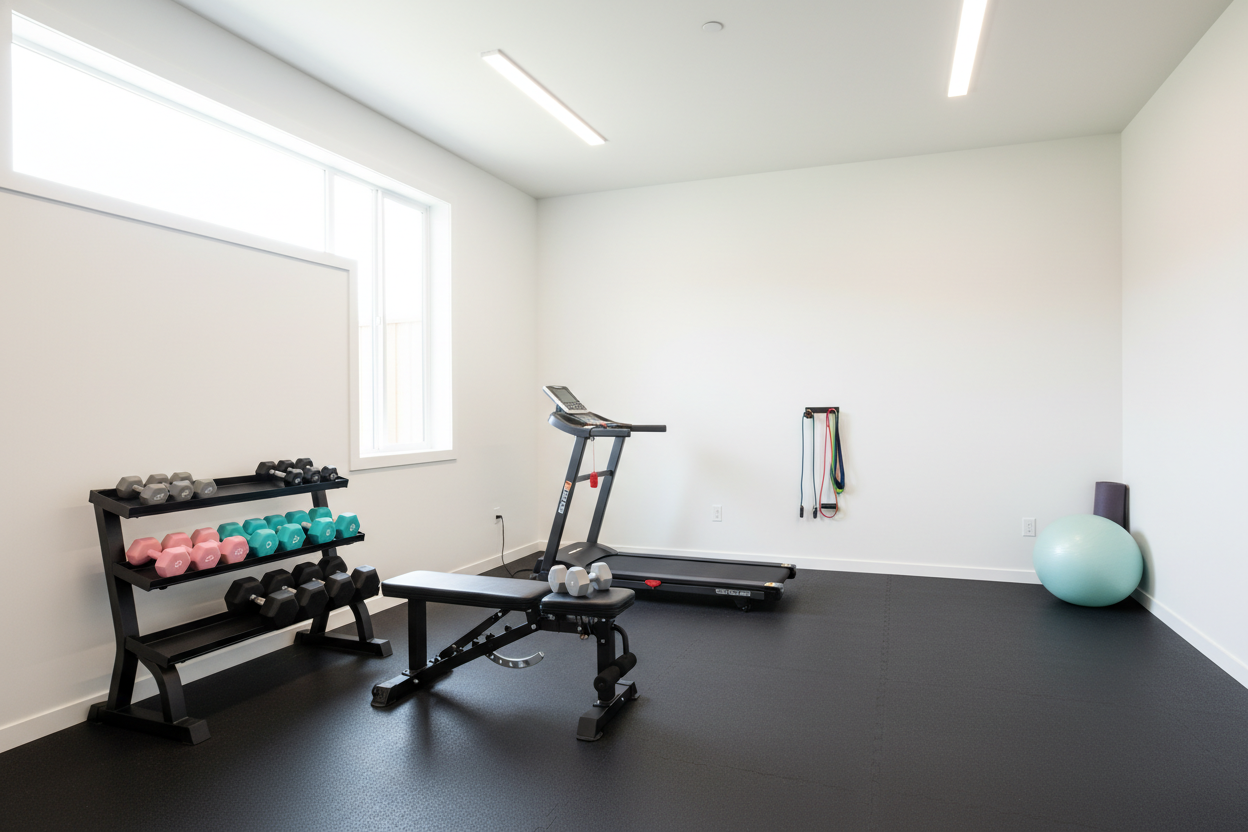
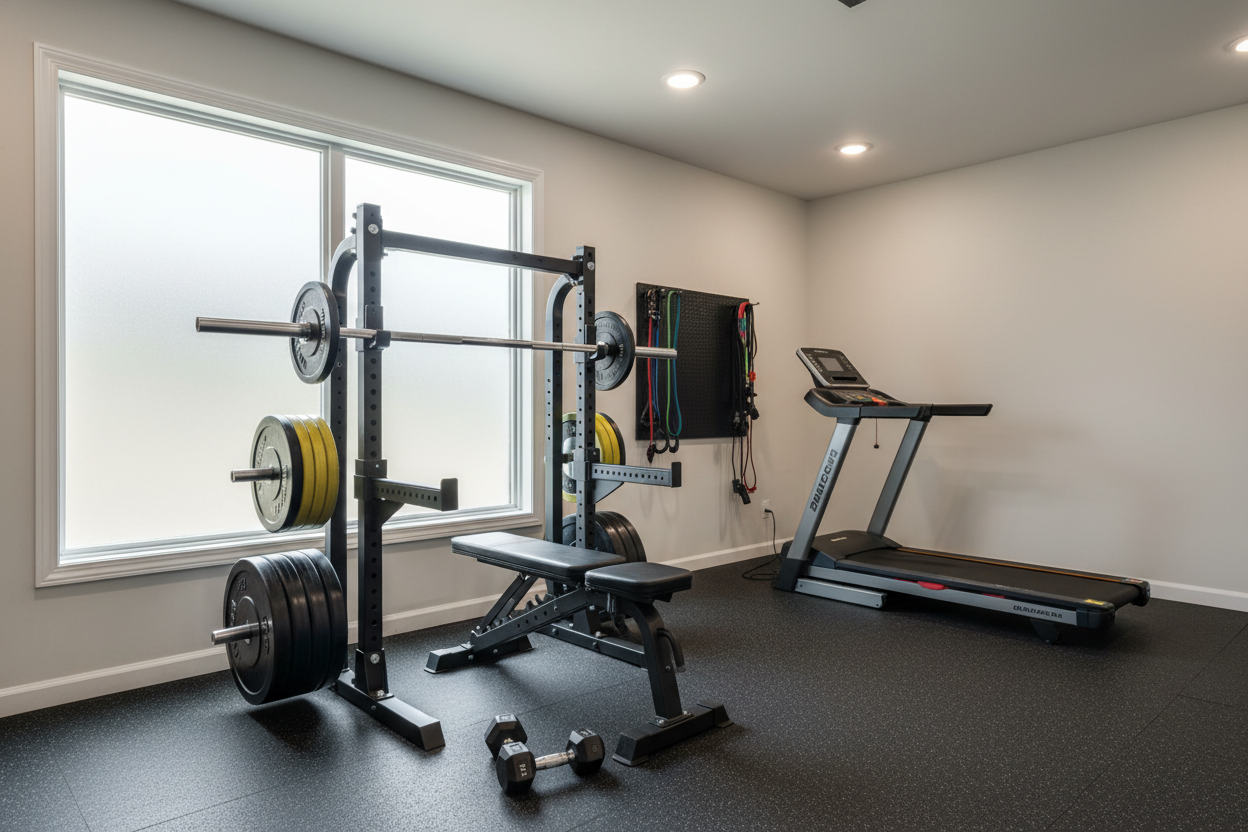
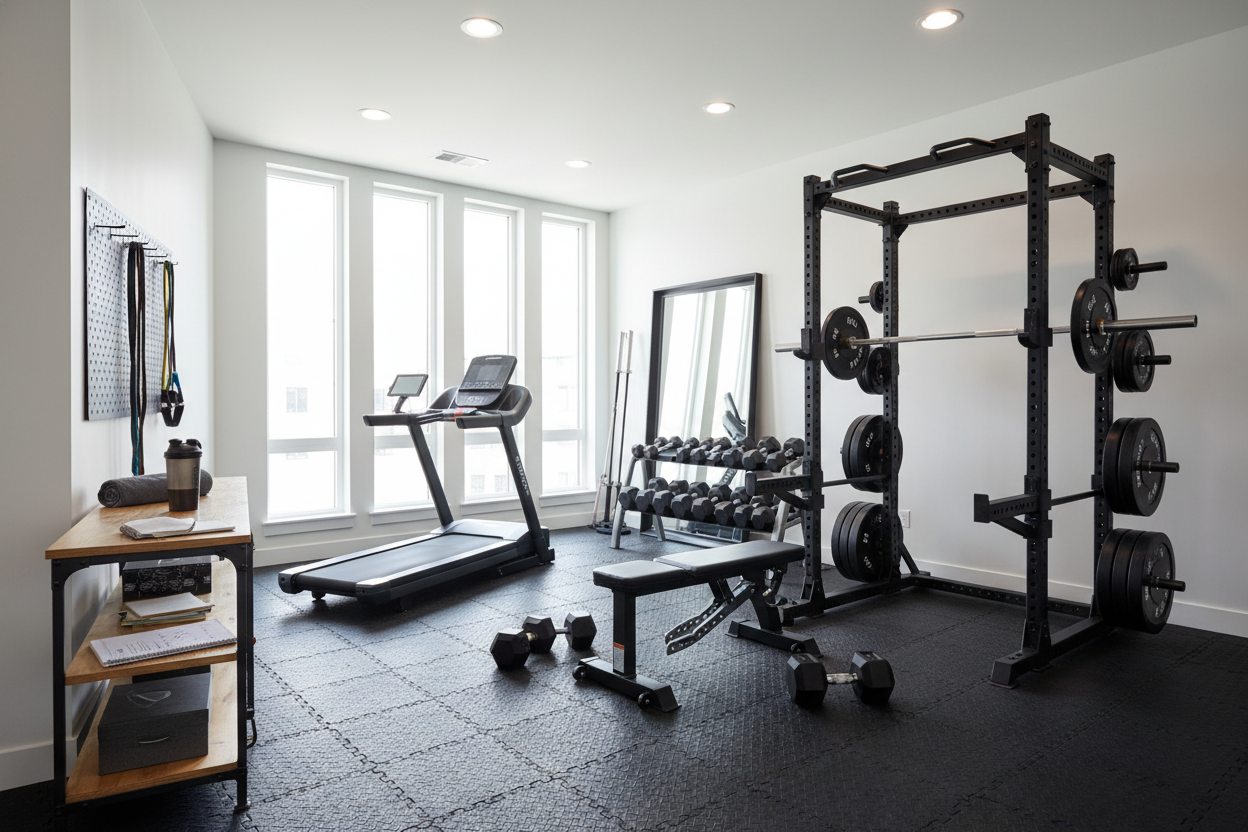
Most popular bodybuilding programs are written for guys training at a 20,000-square-foot commercial gym with three different types of hack squats. When you try to run that in a two-car garage with a power rack and some iron plates, you hit a wall. You don't need a cable crossover to build a chest; a pair of 50-lb dumbbells and a flat bench will do the job just fine.
The secret is knowing which home gym machines for strength and bodybuilding actually matter. A solid lat pulldown or a versatile functional trainer is great, but they aren't mandatory. Swapping out a machine press for a high-rep floor press or a weighted dip is an easy win. Stop trying to build a commercial gym in your driveway and start using the tools you actually have to their full potential.
A Bare-Bones Framework That Actually Works
Effective programming for bodybuilding doesn't need to be complex. Start with a primary heavy compound movement—think squats, overhead press, or rows. Take these for 3 sets in the 6-8 rep range. This builds the base. After that, move into high-rep accessory work where you really chase the pump. This is where you grab the dumbbells and go to town.
I like to keep a large exercise mat for home gym sessions specifically for the finishers. Whether it's high-rep dumbbell flyes, core burnouts, or even some old-school calisthenics, having a dedicated space to drop down and work makes the transition faster. Keep the rest periods short and the intensity high. You’re not trying to recover for a world-record attempt; you’re trying to fatigue the muscle fibers.
Stop Treating Your Sets Like a Powerlifting Meet
If you want to get huge, you need to stop using powerlifting math. Tracking your 1RM is great for the ego, but it’s often counterproductive for pure hypertrophy. Bodybuilding is about the quality of the contraction and taking sets close to failure, usually within 1-2 reps of your limit.
Stop obsessing over the weight on the bar if your form looks like a seizure. Slow down the eccentric, feel the stretch, and squeeze at the top. If you’re just moving weight from point A to point B using momentum, you’re just a very loud, very sweaty physicist. You aren't a bodybuilder yet. Focus on tension, not just the total poundage.
Why Consistency Beats the 'Perfect' Routine
The top bodybuilding programs all have one thing in common: the people who succeeded on them didn't quit after three weeks. Most lifters program hop because they didn't see a visible change in their biceps after fourteen days. Real growth takes months of boring, repetitive, high-effort work.
Close the Excel tab. Pick a routine that fits your equipment and your schedule. If you can only train three days a week, don't pick a six-day PPL split. Progressive overload is simple: add a rep, add five pounds, or decrease your rest time. Do that for a year, and you’ll look like a different person. Consistency isn't flashy, but it’s the only thing that actually builds a physique worth showing off.
My Honest Take
I once tried to follow a high-level IFBB pro’s leg day in my unheated garage during a Vermont winter. I spent forty minutes trying to rig up a leg extension using a landmine attachment and a loading pin. It was a disaster. I ended up frustrated, cold, and with zero pump. I learned the hard way that a simple session of heavy lunges and Romanian deadlifts would have been ten times more effective than trying to mimic a machine I didn't own. Now, my programming is 80% basics and 20% whatever makes the muscle burn.
FAQ
What is the best frequency for bodybuilding?
For most people, hitting each muscle group twice a week is the sweet spot. It allows for enough recovery while keeping protein synthesis elevated. An Upper/Lower or Push/Pull/Legs split usually works best.
Can I build muscle with just a barbell and plates?
Absolutely. Some of the greatest physiques in history were built with nothing but iron. You’ll just need to get creative with movements like Meadows rows, Zercher squats, and floor presses to hit different angles.
How do I know if I'm training hard enough?
If you can hold a casual conversation immediately after a working set, you aren't training hard enough. You should be reaching a point where the speed of your reps naturally slows down despite your best effort to move the weight fast.