Why Your Home Gym Needs a 3x6 Exercise Mat: The Full Guide
We have all been there. You are in the middle of a high-intensity interval set, dropping down for a burpee or stretching out for a lateral lunge, and suddenly you are on the cold, hard floor. Your standard yoga mat just isn't cutting it. It is too narrow, too thin, and moves around too much. This is exactly where upgrading to a **3x6 exercise mat** changes the game.
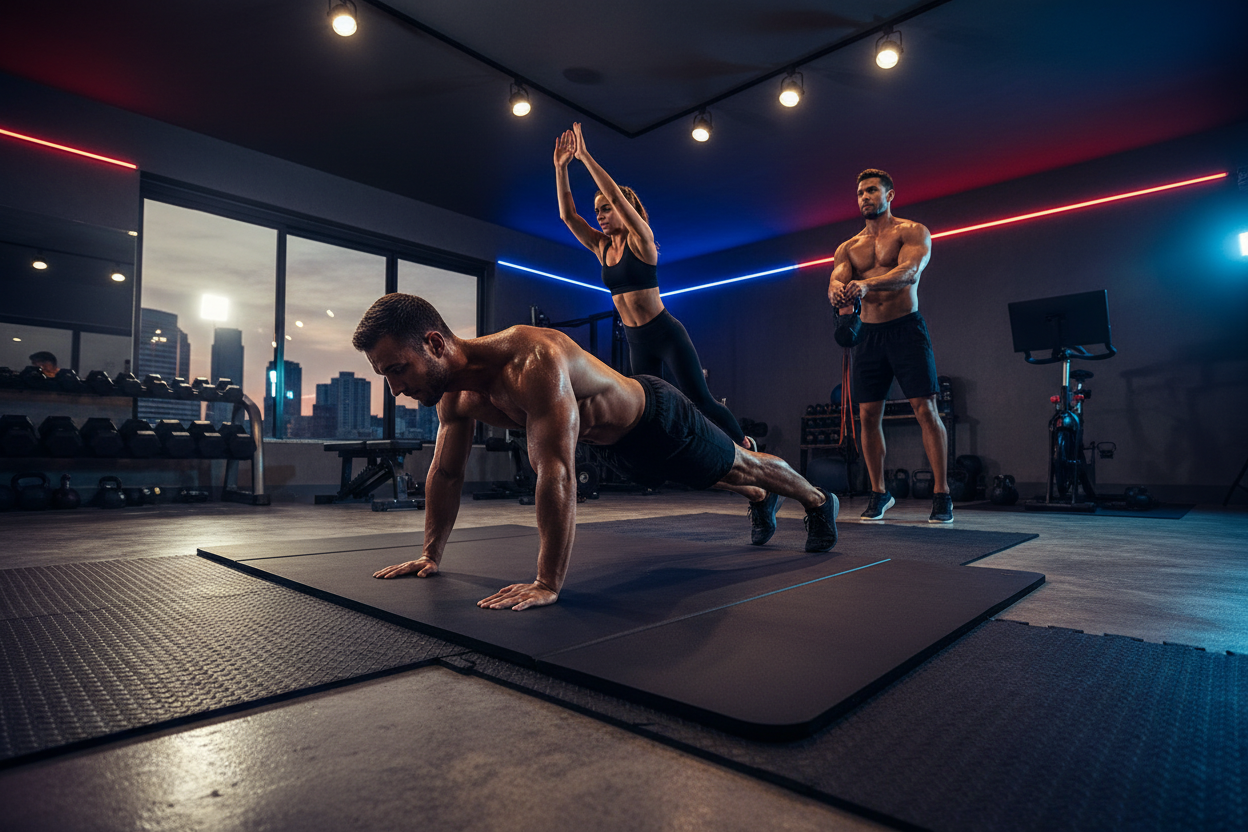
Standard mats are usually 24 inches wide. That extra foot of width you get with a 3x6 mat might not sound like much on paper, but in practice, it creates a dedicated "zone" that allows for actual athletic movement without constantly resetting your position. Let’s break down why this specific size is the gold standard for home gyms and how to choose the right one.
Key Takeaways
- The Width Advantage: A 3x6 mat offers 36 inches of width compared to the standard 24, accommodating lateral movements like side lunges and sprawling burpees.
- Thickness Variance: Folding mats generally offer 1.5 to 2 inches of high-density foam protection, whereas roll-out mats are thinner but offer better stability for balance work.
- Storage Solutions: Tri-fold designs are superior for small apartments, while heavy-duty rubber mats are better for permanent home gym flooring.
- Versatility: Ideally suited for tumbling, martial arts drilling, and plyometrics, but may be too soft for heavy barbell squats.
Why Size Actually Matters
Most people start with a standard yoga mat because it is cheap and available. But if you are doing anything more vigorous than static stretching, you are going to run into space issues. An exercise mat 3 x 6 provides 18 square feet of coverage.
This size is critical for proprioception—knowing where your body is in space. When you have a larger surface area, you stop looking down to check if you are about to step off the mat. You can focus entirely on the movement. For athletes doing plyometrics or calisthenics, that mental freedom translates to better form and fewer injuries.
Folding vs. Rolling: Analyzing the Build
When shopping for this size, you will generally encounter two builds: the roll-out rubber variation and the folding exercise mat 3 x 6 style. Understanding the mechanics of each is vital for your training style.
The Panel Mat (Folding)
These are typically constructed with a vinyl covering over EPE (expanded polyethylene) foam. They usually fold into three 2-foot sections. This design is excellent for impact absorption. If you are doing kneeling movements, sit-ups, or tumbling, the 2-inch thickness saves your joints. However, be aware that the vinyl can get slippery when you sweat, and the foam can be too unstable for heavy standing lifts.
The Utility Mat (Roll-out)
These are denser, thinner, and heavier. They don't offer the cushion of a panel mat, but they offer incredible grip. If your primary focus is weighted lunges, kettlebell work, or yoga flow where balance is key, the stability of a roll-out mat wins.
The "Fitness Gear" Standard
You will often see the term fitness gear 3x6 folding exercise mat ii pop up in searches. This specific model, often found at major sporting goods retailers, has become a benchmark for the category. It is a tri-fold design known for decent durability at an entry-level price point.
While this is a solid option, pay attention to the stitching. The weak point on any folding mat is the seam connecting the panels. If you plan on using the mat daily for high-impact cardio, look for reinforced stitching or heat-sealed seams, regardless of the brand. The "Fitness Gear" model is great for general fitness, but if you are a heavyweight grappler or gymnast, you might need higher density foam found in professional tumbling mats.
My Personal Experience with 3x6 Exercise Mat
I want to be real with you about living with these mats because the product descriptions rarely tell the whole story. I bought a 3x6 folding panel mat about three years ago for my garage gym to handle my ab routines and stretching.
Here is the gritty detail nobody mentions: The "Panel Gap" annoyance.
When I’m doing Russian Twists or V-ups, if I don't position my tailbone exactly in the center of a panel, I end up sitting right on the seam where the foam separates. It creates this weird, uneven pressure point that can actually chafe your lower back if you are doing high reps. I learned the hard way that you have to be intentional about where you sit before you start the timer.
Also, the sound. When you are sweating and doing mountain climbers on a vinyl-covered folding mat, it makes a distinct "squelching" noise that echoes. It’s a small thing, but if you are trying to work out quietly while the kids are asleep, that friction noise is louder than you think. Despite that, the ability to fold it up and slide it behind the couch when guests come over makes the quirks worth it.
Conclusion
Upgrading to a 3x6 exercise mat is one of the most practical investments you can make for a home training space. It defines your workout zone and protects your joints in ways a thin yoga mat simply cannot. Whether you choose a folding panel style for impact protection or a dense rubber roll-out for stability, the extra width will allow you to train harder and safer.
Frequently Asked Questions
Can I wear shoes on a 3x6 folding mat?
Yes, most 3x6 folding mats with vinyl covers are designed to withstand shoe traffic. However, be careful with trail running shoes or cleats, as aggressive tread patterns can eventually puncture or rip the vinyl casing.
Is a 3x6 mat big enough for two people?
Generally, no. While 6 feet is long enough, the 3-foot width is designed for a single person to move dynamically. Two people trying to train on one mat would be dangerously close, risking collision during movement.
How do I clean a vinyl folding mat?
Because the vinyl is non-porous, these mats are easy to clean. Use a mixture of warm water and mild dish soap with a soft cloth. Avoid harsh chemicals like bleach, which can make the vinyl brittle and prone to cracking over time.