Why Your Group Strength Training Class Isn't Building Any Muscle
I dropped into a local boutique studio last week because a friend swore their new group strength training program was 'brutal.' I walked in, saw the neon lights and the DJ booth, and immediately felt my internal alarm go off. Within ten minutes, I was holding a three-pound neoprene dumbbell while the instructor screamed at me to do 'pulses' to the beat of a remix. I wasn't getting stronger; I was just getting annoyed.
Quick Takeaways
- Sweating and 'the burn' are poor indicators of muscle growth.
- True strength training requires rest periods that boutique classes usually skip.
- If you aren't tracking your lifts in a notebook or app, you're just exercising, not training.
- Your garage gym is likely a better environment for real gains than a commercial 'strength' class.
The Dirty Secret of the Boutique Fitness Industry
The fitness industry has a massive incentive to keep you moving. Movement looks like hard work. Movement burns calories. But movement alone is not a group strength class—it is often just a group aerobic exercise routine disguised with five-pound pink dumbbells. Most of these studios are terrified of the 'boring' parts of lifting: the three-minute rest periods, the heavy sets of five, and the technical focus on a proper hip hinge.
When I visited that studio, I realized they weren't selling strength. They were selling a high-heart-rate experience that makes you feel productive because your shirt is soaked. If you're using the same weights every Tuesday for six months, you aren't doing a group strength training program; you're just doing a very expensive dance routine with props.
Why Chasing a Sweat Isn't Actual Strength Work
To build muscle, you need mechanical tension and progressive overload. You need to pick up something heavy enough to make your nervous system take notice, then you need to rest long enough to do it again. Most group workouts gym sessions are designed to keep your heart rate in the stratosphere, which actually blunts the strength signal. When you're constantly gasping for air, your form breaks down and you can't move enough weight to stimulate hypertrophy.
There is a massive difference between cardio or strength training when it comes to body composition. If your goal is to look like you actually lift, you need a group weight training class that prioritizes the load on the bar over the calories on your Apple Watch. High-rep metabolic fatigue has its place, but it shouldn't be the foundation of your entire routine.
Red Flags: How to Spot a Fake Strength Training Group Class
I've spent enough time in commercial boxes to know a fake when I see one. If your instructor yells 'don't stop moving' more than they talk about bracing your core, you're in a cardio class. If the studio doesn't have a single barbell or a squat rack, it's not a group fitness weight training session—it's a circuit. Real strength training requires logging your numbers. If nobody in the room is writing down how much they lifted last week, nobody is getting stronger.
Another red flag: the 'one size fits all' weight selection. If everyone in the room is using the same 15-lb kettlebell for a group weight lifting classes session, the person who can actually squat 200 lbs is wasting their time. Strength is individual. A real coach will push you to add five pounds to the bar, not tell you to do 50 more reps of a movement you've already mastered.
How to Host a Real Group Weight Training Session at Home
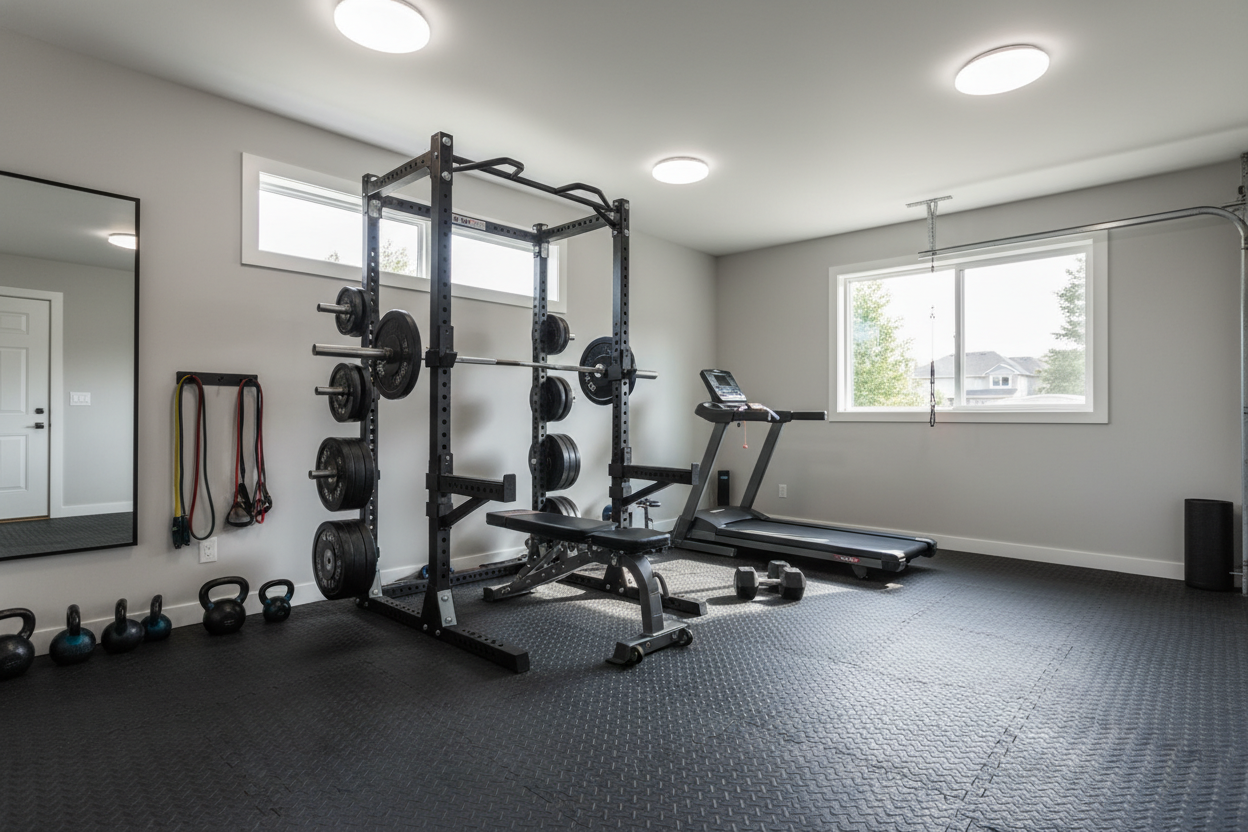
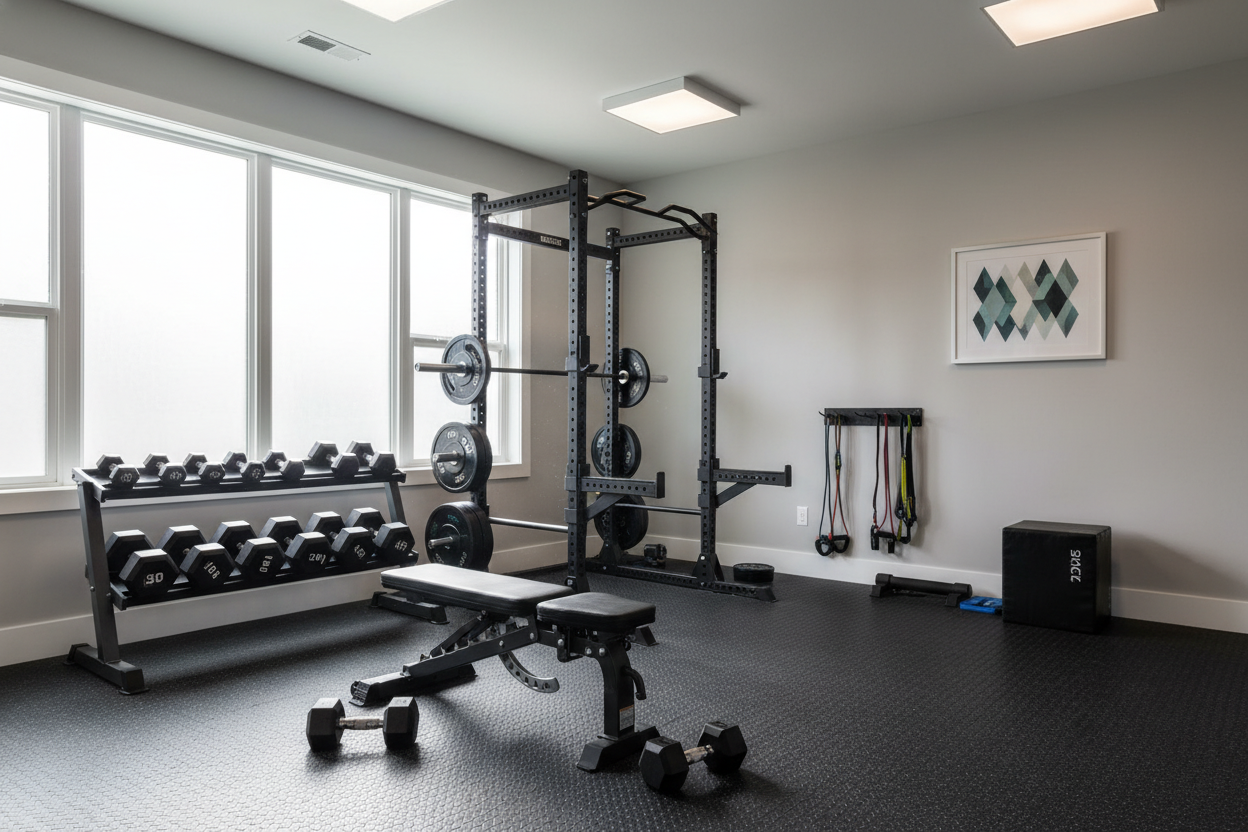
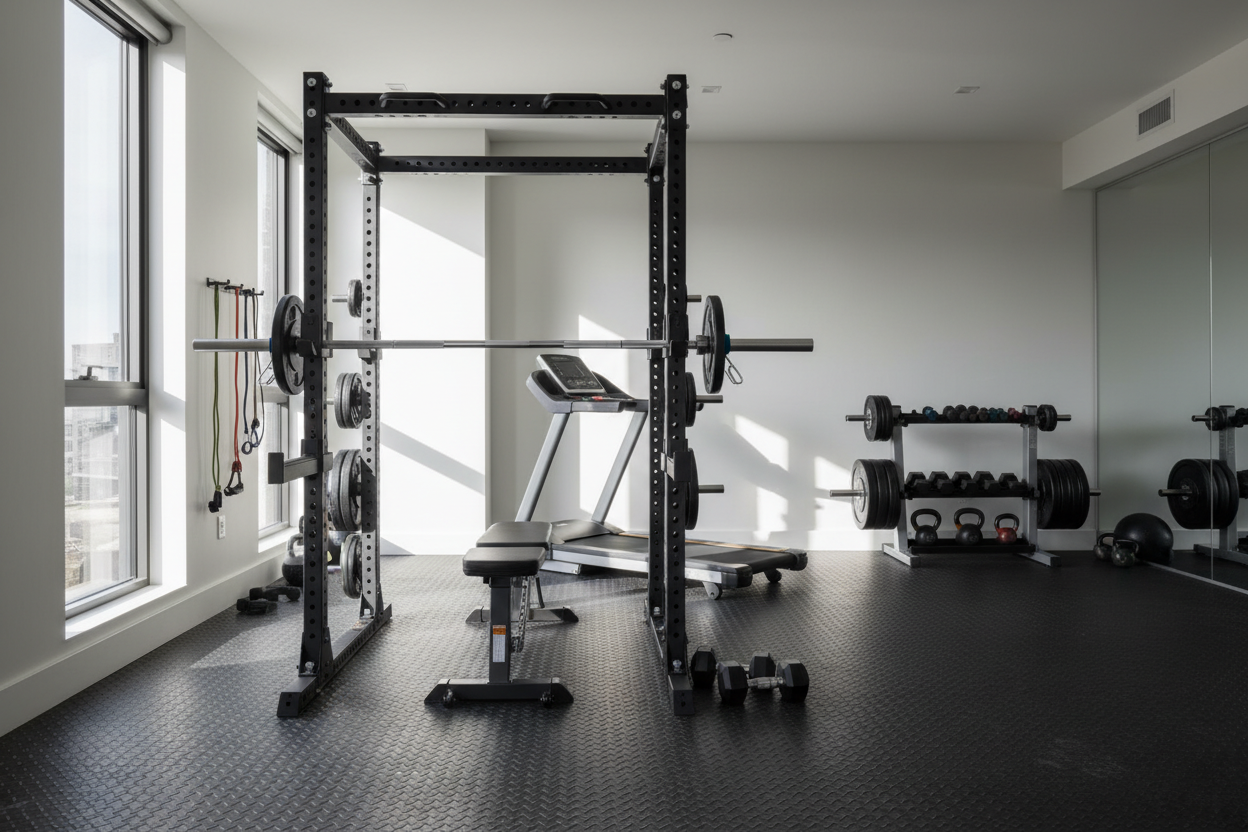
Fed up with the neon lights? I started hosting group lifting classes in my garage three years ago, and it’s the best training I’ve ever done. You don't need a 5,000-square-foot facility. You just need 2-3 friends who are willing to shut up and lift. The key is choosing the right strength and weight training equipment that allows multiple people to work in without tripping over each other.
In a garage setting, you have to be efficient. We run a 'leader-follower' style where one person lifts while the other two spot or prep the next set. It keeps the intensity high but ensures everyone gets that crucial 2-3 minutes of rest. No burpees between sets—just heavy iron and a decent playlist.
Must-Have Gear for Multi-Person Lifting
If you're outfitting a space for group strength training routines, versatility is king. You need an adjustable weight bench that can handle a 600-lb total load and move from flat to incline in seconds. This allows a 6-foot-2 lifter and a 5-foot-4 lifter to swap positions without a ten-minute transition.
Don't forget the small stuff either. Having a bucket of strength training accessories like resistance bands and fractional plates is essential for scaling. Not everyone in your group strength training workout will be at the same level. Fractional plates allow your weaker friends to progress by 1.25 lbs instead of failing a 5-lb jump.
A Sample Group Lifting Routine for the Garage
Here is a template we use for a three-person group strength training exercises session. It focuses on the big three: Squat, Press, and Pull. One person is on the rack, one is on the floor, and one is resting/spotting.
- A1: Back Squats - 3 sets of 5 reps (80% 1RM). Focus on depth and control.
- B1: Overhead Press - 3 sets of 8 reps. Keep the core tight and avoid the 'lean back.'
- C1: Weighted Pull-ups or Rows - 3 sets to failure.
We rotate every 3 minutes. This ensures you're getting a true strength training group fitness experience. You'll leave feeling tired, but you'll also leave feeling capable, which is more than I can say for those 'pulse' classes.
Personal Experience: The Plate Shortage Mistake
When I first started hosting group strength and conditioning workouts, I made a classic rookie mistake: I didn't have enough 45-lb plates. I invited two guys over who both squatted over 315 lbs. We spent more time stripping the bar and moving plates across the gym than we did actually lifting. If you're going to train with others, invest in extra iron before you buy fancy mirrors. It keeps the flow going and prevents the 'cool down' that happens when you're waiting for gear.
FAQ
Is group strength training better than solo lifting?
It depends on your personality. For most, the accountability of a group lifting classes environment prevents the 'I'll just do 3 reps' mentality. You're less likely to skip a session when your crew is waiting in the driveway.
Can you build muscle with high-rep group classes?
You can, but it's incredibly inefficient. You'll hit a plateau much faster than if you used progressive overload with heavier weights and lower reps.
What is the ideal group size for a home gym?
Three is the magic number. It allows for one person to lift, one to spot, and one to rest/change plates. Any more than that and you're standing around too much.