Why Your First Year of Weight Lift Training Should Be Boring
I remember standing in my garage three years ago, staring at a cheap 1-inch barbell that was already starting to bow under 185 pounds. I had spent the previous six months chasing every 'explosive' influencer routine I saw on my feed, yet I looked exactly the same and my joints felt like they were filled with crushed glass. I was doing too much, too often, with zero focus on the actual mechanics of weight lift training.
The truth is, the most effective year of training you will ever have is the one where you do the same five things every single week until you can do them in your sleep. If you are constantly looking for 'new' ways to shock the muscle, you are usually just shocking your progress into a standstill. Real growth comes from the monotony of the heavy basics.
Quick Takeaways
- Mastering four compound movements is more effective than a 20-exercise circuit.
- Progressive overload is the only metric that matters for long-term growth.
- High-quality basics like a rack and bench beat fancy gadgets every time.
- Ego lifting is the fastest way to a six-month injury layoff.
The Social Media Trap: Why Beginners Fail Fast
Social media has ruined how people approach the gym. You see a guy with 3% body fat doing a Bulgarian split squat while balancing on a medicine ball, and you think that is how you lift weights to get big. It isn't. That guy built his base with five years of heavy squats and rows, and now he is just doing circus acts for views. When you are learning how to lift weights, variety is actually your enemy.
Every time you swap an exercise, you reset your neurological learning curve. Your brain spends the first few weeks just trying to figure out the coordination of the movement rather than actually stressing the muscle. By constantly changing your routine, you never actually get good enough at the movement to move heavy weight. You need to learn how to weightlifting by repeating the same patterns until your form is subconscious.
The goal of weight training lifting in your first year should be mastery, not entertainment. If you are wondering 'how do I lift weights' to see results, the answer is usually: do the same thing you did last Monday, but add two pounds. Mastering proper weight lifting techniques takes hundreds of reps, not a different 'workout of the day' every Tuesday.
Why 'Boring' is the Ultimate Muscle Builder
The most successful lifters I know have logs that look incredibly repetitive. They do not 'confuse' the muscles; they demand they grow by applying progressive overload. If you squat 135 pounds for five reps today and 140 pounds for five reps next week, you have provided a reason for your body to change. If you do a different machine every time you walk in, you have no baseline to measure against.
Doing the same 4 to 5 basic lifts every week allows your nervous system to adapt. You stop wobbling, your bracing gets tighter, and you begin to understand how to lift weight correctly under load. While free weights are the gold standard for building stabilizing muscles, incorporating a few basic weight lifting machines can help isolate muscles without requiring complex form, especially when you are too fatigued to maintain a perfect spine on a barbell row.
Consistency in your selection allows you to track progress accurately. If you are doing weights properly, your logbook should be your best friend. When you know exactly what you lifted last session, you have a target. Without that target, you are just exercising, not training. There is a massive difference between the two.
The Only 4 Movements You Need to Care About
If you are learning how to lift weights properly for beginners, ignore the 50 different cable attachments for a minute. You only need to master four movement patterns: the squat, the hinge, the press, and the row. These cover every major muscle group and teach you the proper weightlifting form you will need for the rest of your life.
The squat is your lower body push. Whether it is a goblet squat with a dumbbell or a back squat in a rack, the goal is to keep your chest up and your weight distributed through your mid-foot. The hinge, like a deadlift or kettlebell swing, is your lower body pull. This is where most people mess up their weight lift position. You aren't squatting the weight up; you are pushing your hips back and using your hamstrings and glutes to snap forward.
For the upper body, you need a press and a row. The press (bench or overhead) builds the chest, shoulders, and triceps. The row builds the back and biceps. If you focus on these four, you are doing weight lifting the right way. Most people ask 'how do you lift weights properly' and expect a complex answer, but it really comes down to these four pillars. Master the techniques for weight lifting in these categories before you even look at a bicep curl station.
Gear That Actually Matters (And What to Skip)
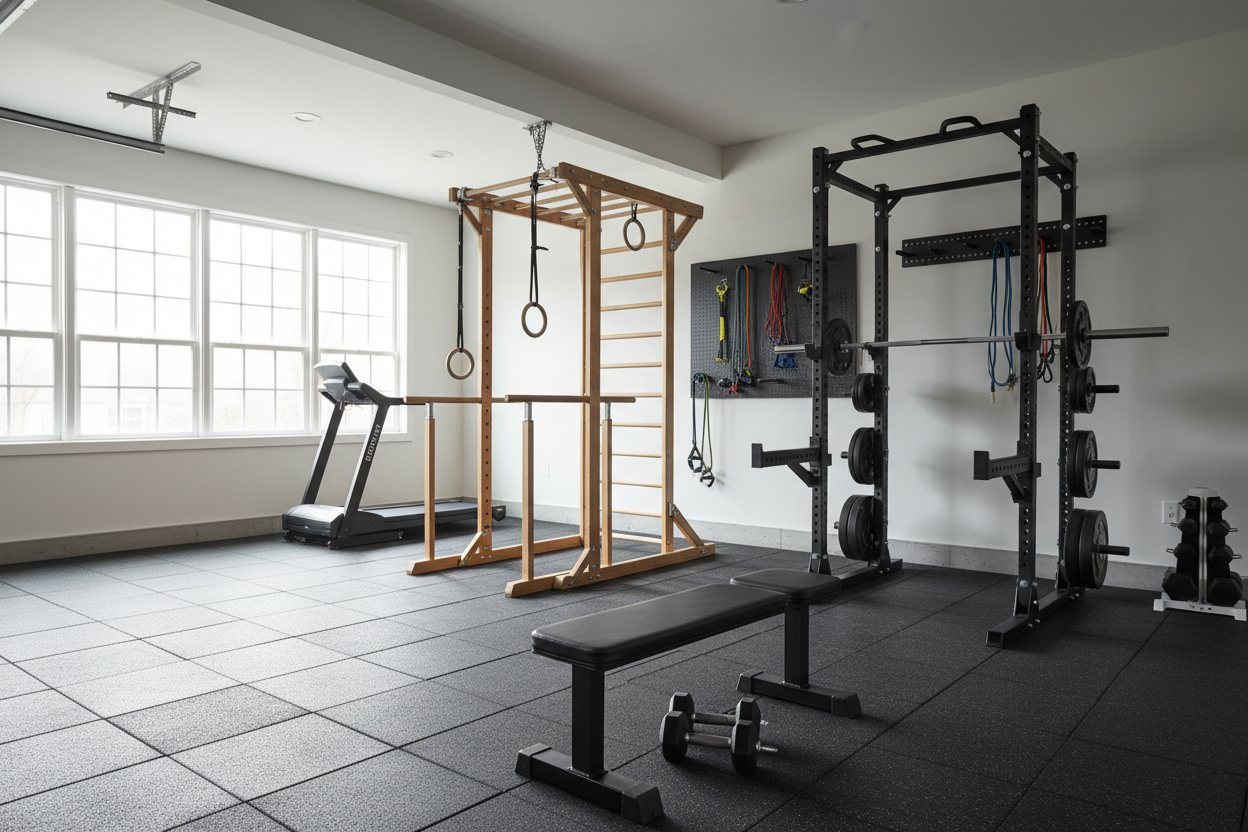
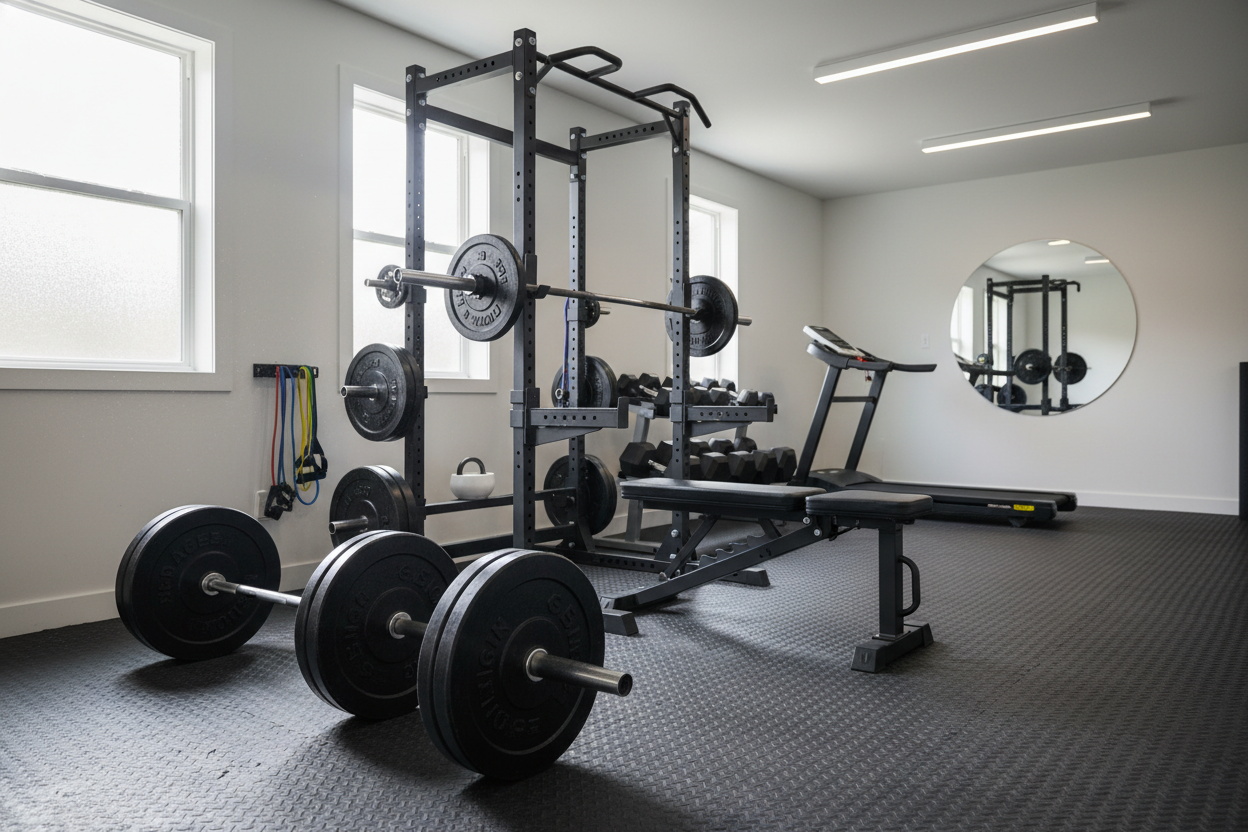
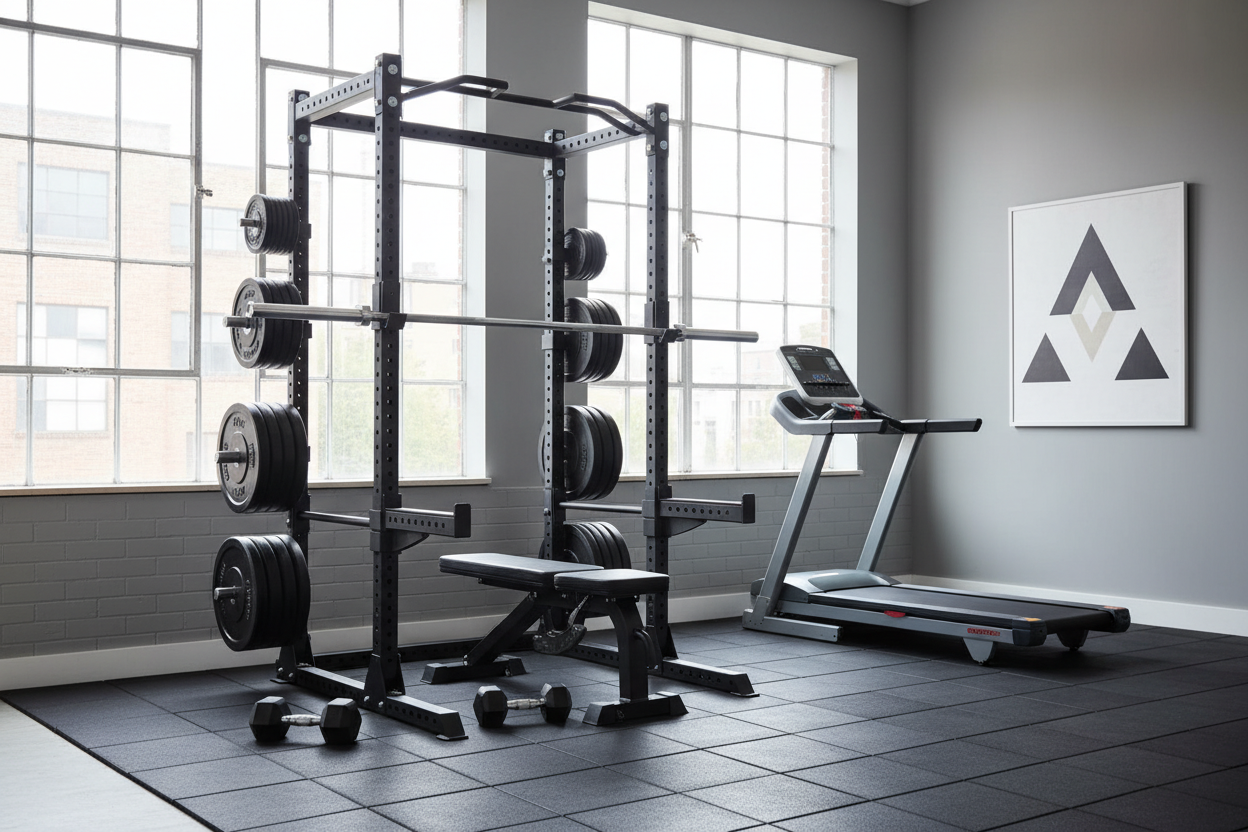
You do not need a $500 pair of shoes or a vibrating massage gun to start lifting weight training. You need a solid floor, a way to hold weight, and a place to lie down. If you are building a home setup, the center of your universe should be a power rack weight bench package. This gives you the safety of spotter arms so you can actually push yourself without worrying about a barbell crushing your windpipe.
I have wasted a lot of money on 'innovative' gear that ended up as a clothes rack. A heavy-duty adjustable weight bench is far more valuable than any fancy abdominal machine. You want something that doesn't wobble when you have 50-pound dumbbells in your hands. If the equipment feels cheap, you won't trust it, and if you don't trust it, you won't lift heavy.
Skip the lifting straps and the 'fat grips' for now. Use your hands. Build your grip strength naturally. The only 'extra' I usually recommend is a decent pair of flat-soled shoes—think Chuck Taylors or dedicated lifters—because squishy running shoes are the worst possible way to try and maintain proper lifting form. You need a stable base to drive through the floor.
How to Stop Hurting Yourself on Day One
The biggest mistake I ever made was trying to 'out-lift' the guy next to me. Ego is the fastest way to ensure you are sitting on the couch with an ice pack instead of hitting a PR. Learning how to lift weight in gym settings means ignoring everyone else. Your only competition is the you from last week. If your weight lifting form for beginners looks like a frantic shrimp, the weight is too heavy.
Focus on your tempo and bracing. You should be in control of the weight on the way down, not just letting gravity take it. If you feel a sharp pinch in your shoulder during a bench press, don't just 'push through it.' You might need to adjust your grip or tuck your elbows. If you are struggling with weight lifting exercises upper body, take a week to focus on mobility and lighter loads to fix the mechanics.
Proper weight training form is about tension. You want the tension in your muscles, not your ligaments. If you feel the lift in your joints, you are doing it wrong. Slow down, reset your weight lift position, and prioritize the correct weight lifting technique over the number on the plates. A 135-pound squat with perfect depth beats a 225-pound quarter-squat every single time.
FAQ
How many days a week should I lift?
For most people starting out, three days a week on a full-body program is plenty. It gives your central nervous system time to recover. Quality over quantity is the rule here.
How do I know if my form is correct?
Record yourself. It is the most humbling and helpful thing you can do. Compare your video to a reputable coach's breakdown. If your back is rounding or your heels are coming off the floor, drop the weight and fix it.
Should I use dumbbells or barbells?
Both are great. Barbells allow for more total weight (better for pure strength), while dumbbells help fix muscle imbalances and allow for a more natural range of motion. Use a mix of both in your 'boring' routine.