Why Your Bodybuilder Daily Routine Fails Outside the Gym
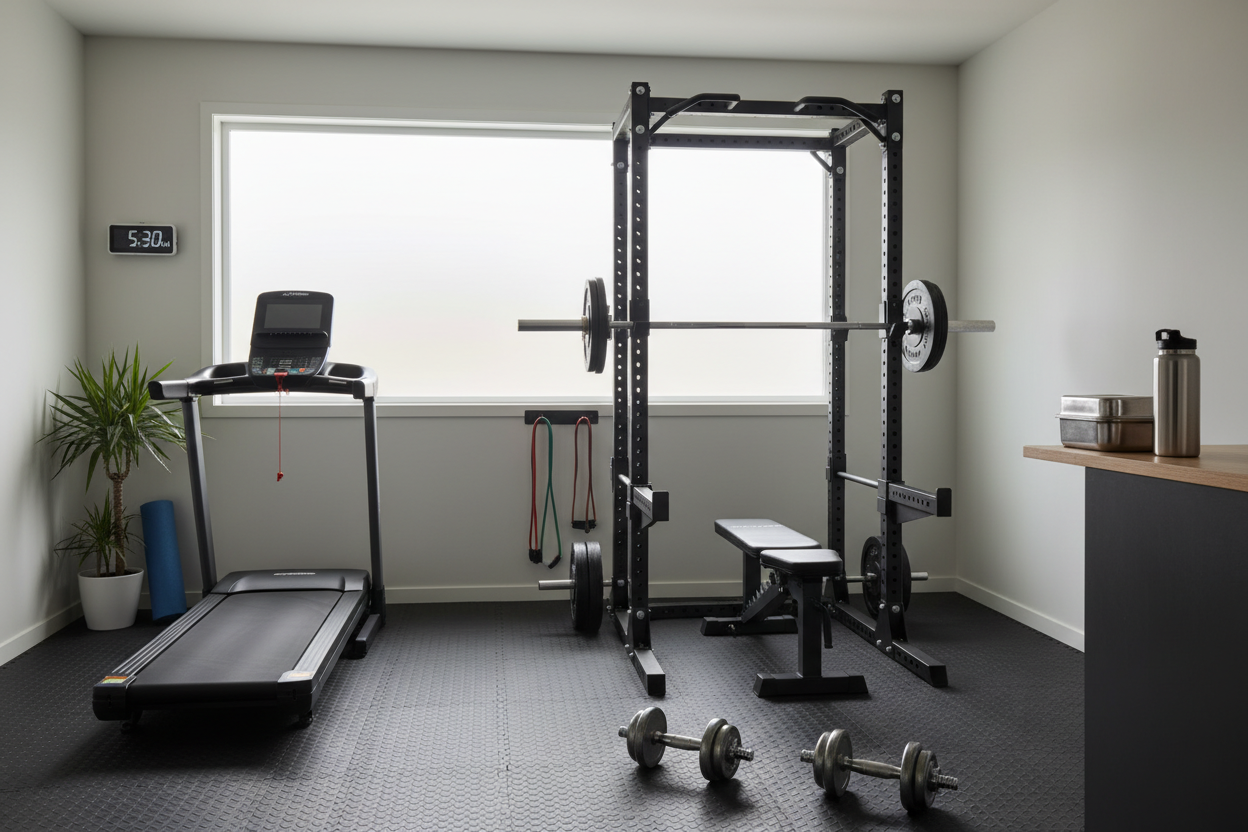
You finally pulled the trigger on that 3x3 power rack and a set of competition plates. You’re hitting your numbers, the garage is humming with the sound of iron, and yet, your physique looks exactly the same as it did three months ago. It’s a bitter pill to swallow, but most guys fail because they treat their bodybuilder daily routine like a 60-minute appointment rather than a 24-hour lifestyle.
I’ve been there—spending $150 a month on pre-workouts and creatine while getting five hours of sleep and wondering why my recovery felt like a car wreck. If you aren't managing the other 23 hours of the day, that expensive barbell is just a decorative piece of steel. Building mass isn't about what you do under the lights; it's about what you do when the gym door is shut.
Quick Takeaways
- Muscle is built during sleep, not during sets of curls.
- Eliminate morning decision fatigue to save willpower for the heavy triples.
- Eat for function, not for 'foodie' points; three big meals and two shakes is the gold standard.
- Psychological triggers, like stepping onto a specific mat, help bridge the gap between 'home mode' and 'beast mode.'
The 23-Hour Muscle Building Problem
Here is the hard truth: lifting weights is a catabolic process. You are literally tearing your muscle fibers apart. The growth—the actual hypertrophy you’re chasing—happens exclusively during the recovery phase. If your daily routine for bodybuilding stops the moment you rack the bar, you’re leaving 90% of your gains on the table.
Natural lifters don't have the luxury of 'out-training' a bad lifestyle. When you’re training in a garage gym, the line between your life and your lifting gets blurred. It’s easy to walk out of the gym and immediately get stressed by a work email or a pile of dishes. That spike in cortisol is a gain-killer. You have to treat your recovery with the same intensity you treat your top set of squats.
Waking Up: Eliminating Morning Friction
The first hour of your day sets the hormonal tone for your evening session. Most people wake up, scroll through Instagram, and dehydrate themselves with three cups of black coffee. Instead, your goal should be immediate physiological 're-up.' I start with 32 ounces of water and 40 grams of whey or egg whites before I even look at a screen.
By automating your morning, you save your mental energy for the weights. This is how you build a frictionless daily routine that ensures you actually make it to the garage at 6:00 PM. If you’re already exhausted from making a thousand small decisions at work, that 400-lb deadlift is going to feel like a mountain you aren't ready to climb.
Feeding the Machine (Without Living in the Kitchen)
I see too many guys failing because they think a bodybuilder daily routine requires six meals of dry tilapia and asparagus. Unless you’re three weeks out from a show, that’s a recipe for burnout. My approach is simpler: three massive, whole-food meals and two strategic shakes. This keeps your insulin stable and your protein synthesis elevated without turning you into a full-time chef.
Focus on 1 gram of protein per pound of body weight. If you're 200 lbs, that’s 200g of protein. Split that into 40-50g chunks. Use a high-quality carb source like cream of rice or sweet potatoes around your workout window. If you aren't tracking your macros, you aren't 'bodybuilding'—you're just exercising. Buy a cheap digital scale and use it.
The Commute: Transitioning to the Garage
One of the biggest hurdles of home training is the lack of a commute. When you drive to a commercial gym, your brain has time to flip the switch. At home, you’re ten feet away from your couch. You need a psychological 'airlock' to get into the right headspace.
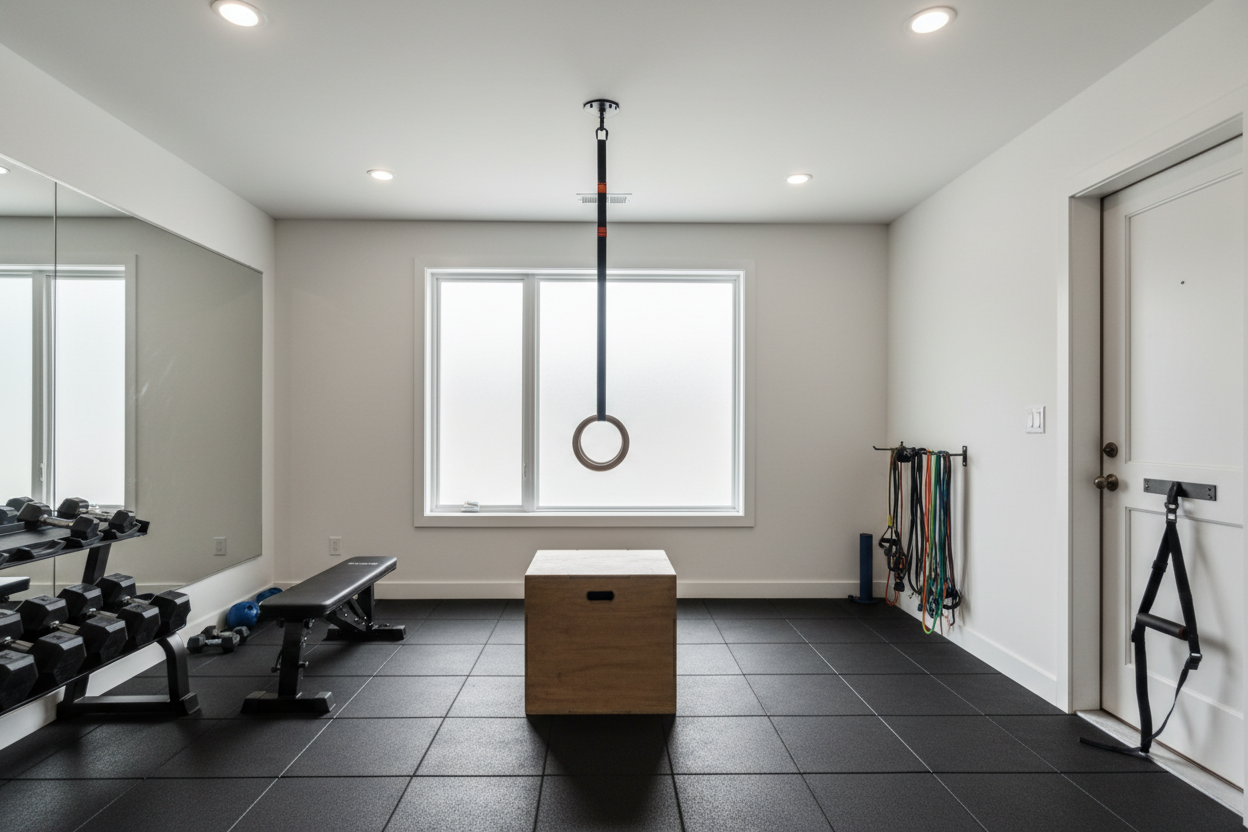
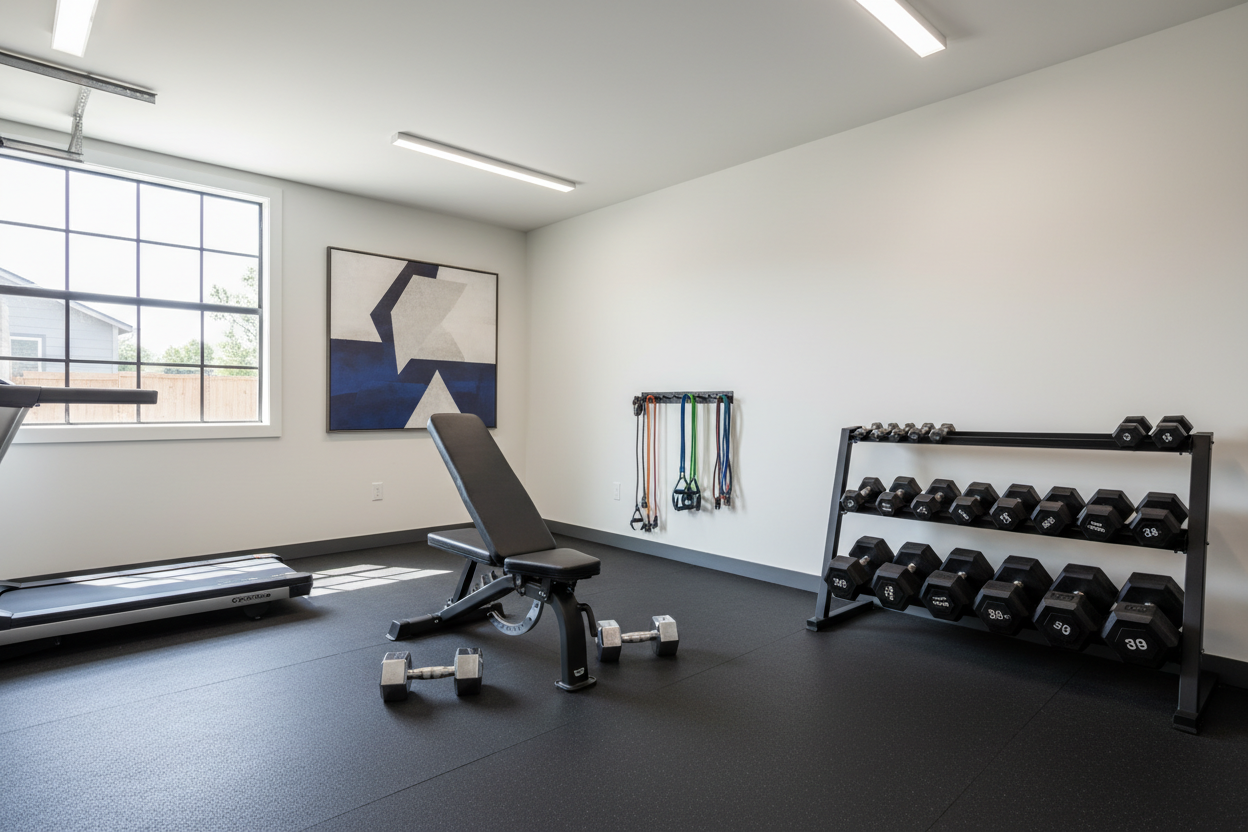
For me, that transition happens the second I step onto my large exercise mat for home gym setups. It’s a physical boundary. When I’m on the mat, the phone goes on 'Do Not Disturb,' the high-intensity LEDs go on, and the heavy metal starts. This ritual tells my nervous system that the workday is over and it's time to produce force. Don't underestimate the power of dedicated flooring to define your workspace.
The 60-Minute Window That Actually Matters
When you finally start your session, don't wing it. I see guys staring at their power rack for ten minutes between sets because they don't have a plan. Your workout should be scripted. You should know exactly what weight, reps, and RPE (Rate of Perceived Exertion) you’re hitting before you even touch the bar.
Get in, move the weight with intent, and get out. If your session is dragging past 75 minutes, you’re likely talking too much or resting too long. Bodybuilding is about tension and volume. Keep the rest periods consistent—60 to 90 seconds for isolation, 3 minutes for the big compounds. Use a logbook. If you aren't beating last week's numbers, you aren't growing.
Evening Wind-Down and the Anabolic Window of Sleep
The most anabolic 'supplement' in existence is eight hours of deep sleep. If you’re hitting a heavy leg day at 7:00 PM and then staying up until midnight watching YouTube, your testosterone levels are going to crater. You need to down-regulate your nervous system. I recommend keeping a comfortable exercise mat for home workout recovery in the living room for some light static stretching or foam rolling while you wind down.
Turn off the blue lights, lower the thermostat to 67 degrees, and shut it down. Your body does the heavy lifting of tissue repair during REM and deep sleep stages. Miss the sleep, and you miss the growth. It’s that simple.
Personal Experience: My Year of No Progress
A few years back, I was obsessed with 'hardcore' training. I was in the garage six days a week, hitting high-volume squats and heavy pulls. But I was also working 50 hours a week and eating whatever was fast. I got stronger for about a month, then I hit a wall so hard I thought I had mono. I was irritable, my joints ached, and I actually lost three pounds of muscle. It wasn't the training—it was the lack of a routine outside the gym. Once I prioritized a 9 PM bedtime and prepped my lunches, the gains returned almost instantly. Learn from my stupidity: the gym is the spark, but your life is the fuel.
FAQ
How many meals do I really need for a bodybuilding routine?
For most natural lifters, 4 to 5 protein-rich feedings is plenty. You don't need to eat every two hours. Focus on the total daily protein and calorie count rather than the frequency. Three solid meals and two shakes is the most sustainable way to hit your numbers.
Can I do a bodybuilder routine if I work a 9-5?
Absolutely. The key is preparation. Pack your meals the night before and have your gym gear laid out. If you train at home, have your program written on a whiteboard in the garage so you don't have to think when you're tired from work.
Is sleep really that important for muscle growth?
Yes. Lack of sleep increases cortisol and decreases protein synthesis. If you're choosing between an extra hour of lifting and an extra hour of sleep because you're exhausted, take the sleep. You'll grow more from the recovery than from a junk-volume workout.