Why Your Beginner Strength Training Schedule Needs More Rest Days
I remember staring at a spreadsheet on my phone at 10 PM, trying to figure out how I was going to fit twelve different accessory movements into a Tuesday night after a ten-hour shift. I was following some pro bodybuilder's 'secret' program, and I felt like absolute trash. If you are just starting, you do not need a six-day-a-week grind that makes you hate your garage gym. A realistic beginner strength training schedule is about doing less, but doing it with way more intensity.
Quick Takeaways
- Training three days a week is more effective for beginners than five or six.
- Recovery happens during rest days, not while you are holding the barbell.
- Focus on compound movements like squats, presses, and rows.
- Progressive overload is the only way to actually get stronger.
The Trap of the 'More is Better' Mindset
We have all seen the fitness influencers posting 'no days off' captions from a commercial gym at 4 AM. It is great for likes, but it is terrible for your progress. When you are new, your body is not adapted to the stress of heavy lifting. Jumping into a high-volume split usually leads to 'the wall'—that moment about three weeks in where you are too sore to move and you just quit.
I have fallen for this myself. I Tried a Pro's Weight Lifting For Mass Routine and Failed because I was trying to recover like a 22-year-old with no job and a supplement sponsor. For a normal person, a beginner weight lifting routine should be built around your life, not the other way around. If you cannot sustain it for six months, it is a bad program.
Why 3 Days a Week is the Absolute Sweet Spot
A three-day lifting program for beginners is the gold standard for a reason. It allows you to hit your entire body in a single session, then gives you a full 48 hours to recover before you do it again. This frequency keeps your protein synthesis elevated throughout the week without redlining your nervous system.
Psychologically, it is also much easier to commit to three days. Missing one workout in a six-day split feels like the end of the world. Missing one in a three-day split is just a minor pivot. Consistency is what builds the muscle, not the sheer number of hours spent sweating on a rubber floor.
You Actually Grow When You're Not Lifting
Lifting weights is the stimulus; sleep and food are the builders. When you squat heavy, you are literally creating micro-tears in your muscle fibers and taxing your central nervous system (CNS). If you hit a weight lift program for beginners every single day, you never give that CNS a chance to reset. You will find your grip strength failing and your motivation tanking. That 48-hour window between sessions is where the actual strength gains are locked in.
A Bare-Bones Setup You Can Do Anywhere
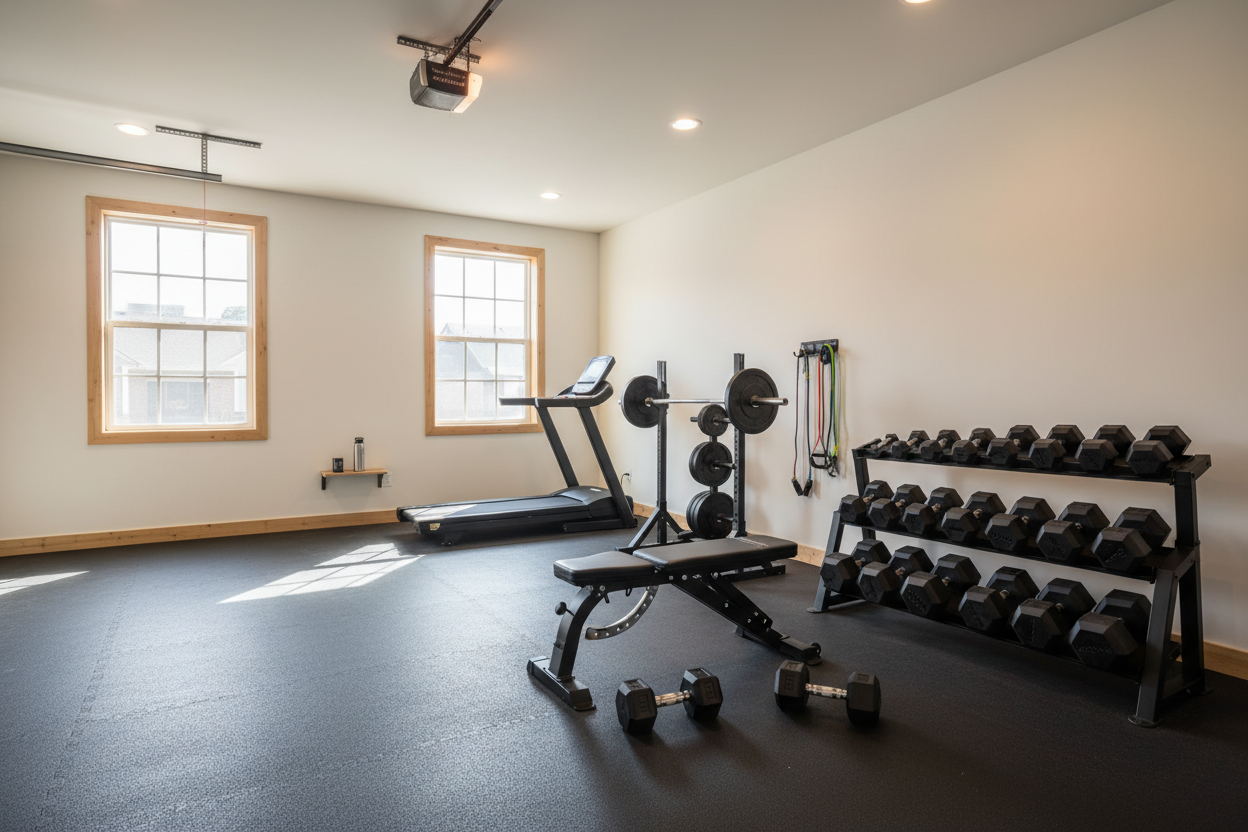
You do not need a $10,000 rig to get strong. In fact, overcomplicating your gear is a great way to distract yourself from the actual work. When selecting your strength and weight training equipment, focus on the fundamentals: a barbell, some plates, and a way to stay safe.
The foundation of any home setup is a solid adjustable weight bench. You need something that does not wobble when you are pressing 135 pounds over your face. Look for a bench with at least a 600-lb capacity to ensure it grows with you as you get stronger. If you have a 6x8 foot space, you have enough room to build a world-class physique.
Exactly What Your Week Should Look Like
This simple lifting routine is a full-body split. You alternate between Workout A and Workout B on Monday, Wednesday, and Friday.
- Workout A: Squats (3x5), Bench Press (3x5), Barbell Rows (3x5)
- Workout B: Squats (3x5), Overhead Press (3x5), Deadlifts (1x5)
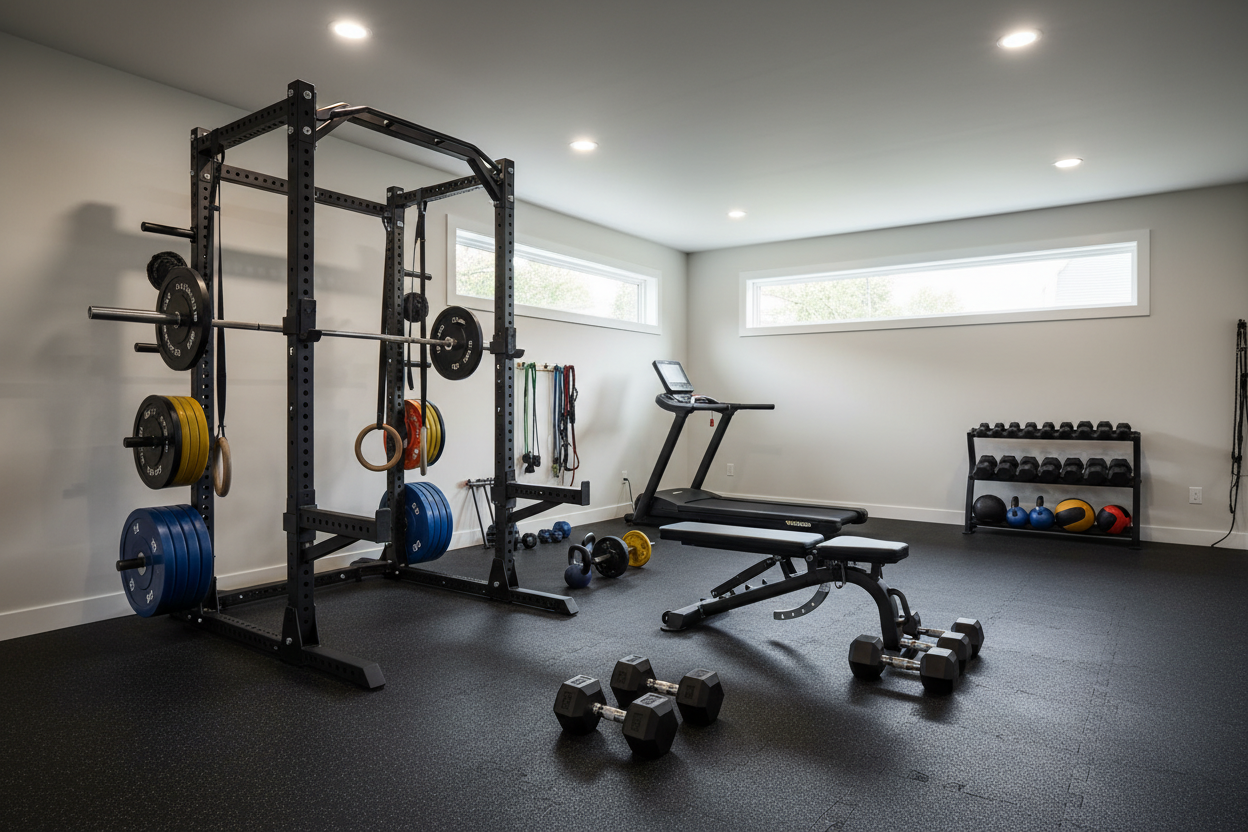
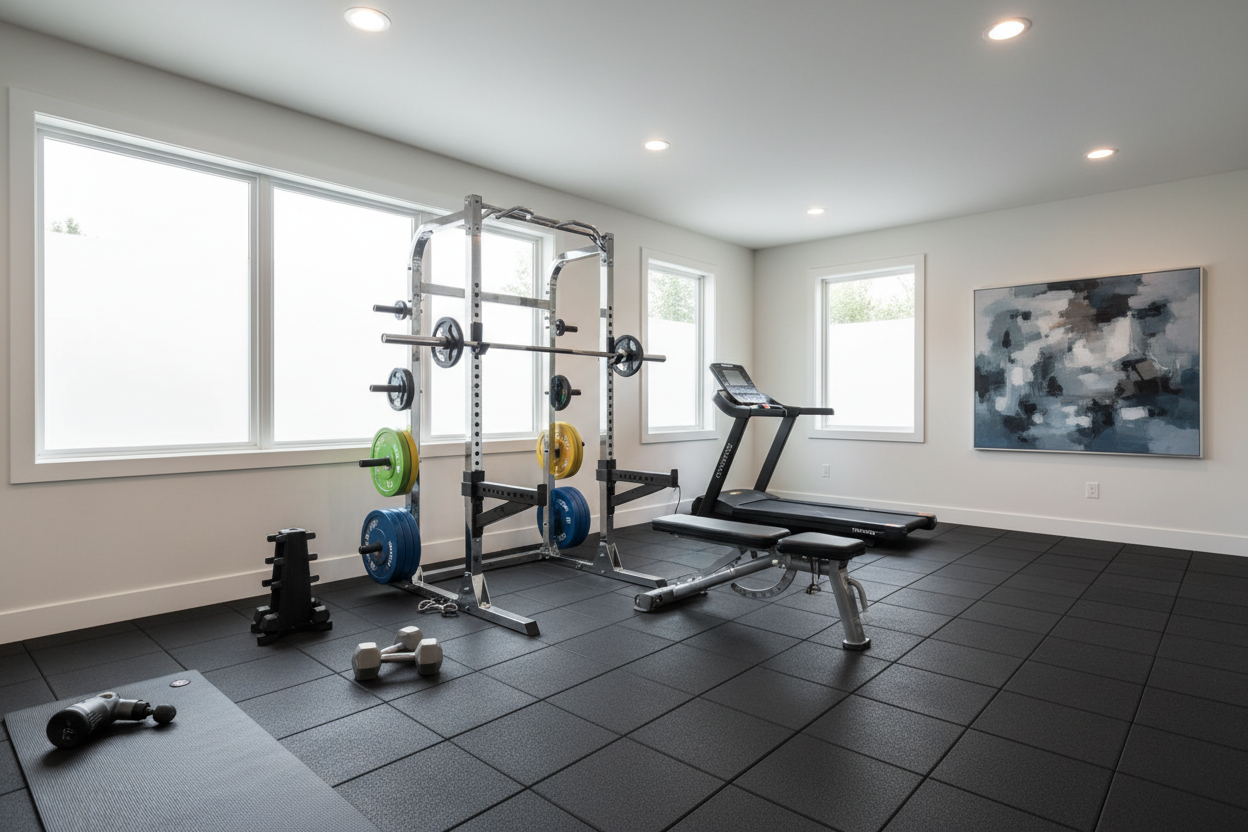
If you are training alone in a garage, safety is your biggest priority. I highly recommend a power rack weight bench package. Having those safety spotter arms means you can push yourself on the bench press or squat without worrying about getting pinned. It is the best insurance policy a lifter can buy.
Keeping It Fresh Without Making It Complicated
People get bored with a simple weightlifting program because they think they need 'muscle confusion.' You don't. You need 'weight progression.' If you want variety, swap your barbell rows for pull-ups every other session, or add two sets of bicep curls at the very end of your Friday workout as a 'finisher.' Keep the core movements the same so you can actually track your progress.
The Idiot-Proof Way to Know When to Add Weight
The secret to a successful beginner lifting routine is progressive overload. If you hit all 3 sets of 5 reps with perfect form, add 5 pounds to the bar next time. It sounds slow, but adding 5 pounds a week to your squat adds up to 260 pounds in a year. Most people fail because they try to add 20 pounds at once, their form breaks down, and they hurt their lower back. Stay disciplined, track your numbers in a notebook, and trust the process.
Personal Experience: My 'Ego Lifting' Phase
Early on, I thought I was 'built different' and tried to run a high-volume squat program five days a week. I lasted two weeks before my knees felt like they were filled with crushed glass. I switched to a basic weight training program three days a week and my squat went from 185 to 315 in less than a year. The lesson? Your muscles can only grow as fast as they can recover. Don't outrun your recovery.
FAQ
Do I need to do cardio on my off days?
Keep it light. A 20-minute walk or some light cycling is fine and actually helps recovery by moving blood. Don't go run a marathon on your rest days or you'll tank your lifting progress.
What if I miss a workout?
Just do it the next day. If you miss Wednesday, do it Thursday and move your Friday workout to Saturday. The calendar is a guide, not a prison.
How long should I stay on a beginner program?
Stay on it until you can no longer add weight every week. For most people, that is anywhere from 6 to 12 months. Don't rush into 'advanced' programs while the simple ones are still working.