Why 'Women in Strength Fitness' Plans Always Ignore the Upper Body
I’ve spent the last decade in garage gyms and commercial boxes, and I’m calling time-of-death on the 'lower body only' era for women. If you scroll through Instagram, women in strength fitness usually looks like a never-ending montage of hip thrusts, kickbacks, and resistance band side-steps. It’s as if the industry decided that women only have muscles from the waist down.
Quick Takeaways
- Upper body training is essential for posture, bone density, and real-world functional strength.
- The 'bulky' myth is a lie; building muscle takes years of intentional, heavy effort.
- A balanced split prevents the rounded-shoulder look caused by excessive glute-and-quad dominance.
- Quality gear, like fractional plates and stiff wrist wraps, is non-negotiable for upper body PRs.
The Glute-Band Epidemic Taking Over Your Feed
Modern marketing has done a number on female lifters. We’ve been sold a version of 'strength' that is almost exclusively aesthetic, centered around the glutes. While there is nothing wrong with a heavy squat, the obsession with banded movements has left a massive gap in total-body development. If your entire workout fits in a 4x4 rubber mat space and involves a piece of elastic, you aren't training for strength; you’re just chasing a pump.
I’ve seen women who can deadlift 225 pounds but struggle to perform three strict push-ups. That’s a massive red flag for long-term joint health and athletic performance. Real women in strength don't just want to look the part; they want to be capable of moving their own body weight and then some. Neglecting the lats, delts, and chest creates a physique that is structurally lopsided and prone to shoulder impingements.
Why We Need to Stop Fearing the Bench Press
The biggest hurdle isn't the weight—it's the fear of 'getting too big.' Let’s be real: unless you are eating in a massive surplus and taking Vitamin S, you aren't going to wake up with a linebacker's chest. What you will get is a stable shoulder girdle and a metabolic engine that burns hotter. Heavy pressing develops the pectorals and triceps, which provides the 'lift' that most women are actually looking for when they buy push-up bras.
Biometrically, women often have a harder time with upper body lifts because of lower relative muscle mass in the torso compared to men. This is exactly why you should prioritize these movements. Incorporating proven chest day exercises for women like the incline dumbbell press or the close-grip bench press will do more for your physique and confidence than a thousand reps with a pink plastic dumbbell.
Dumbbells vs. Barbells: Finding Your Starting Point
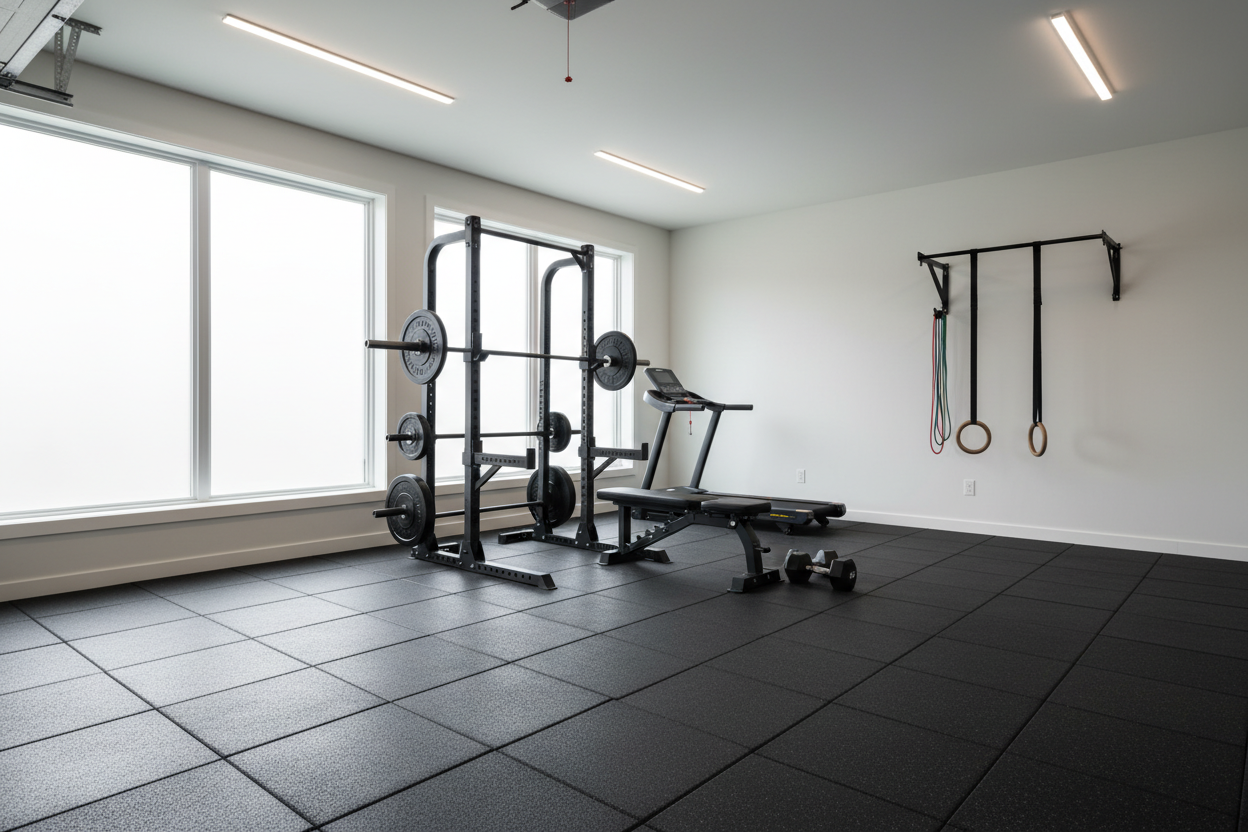
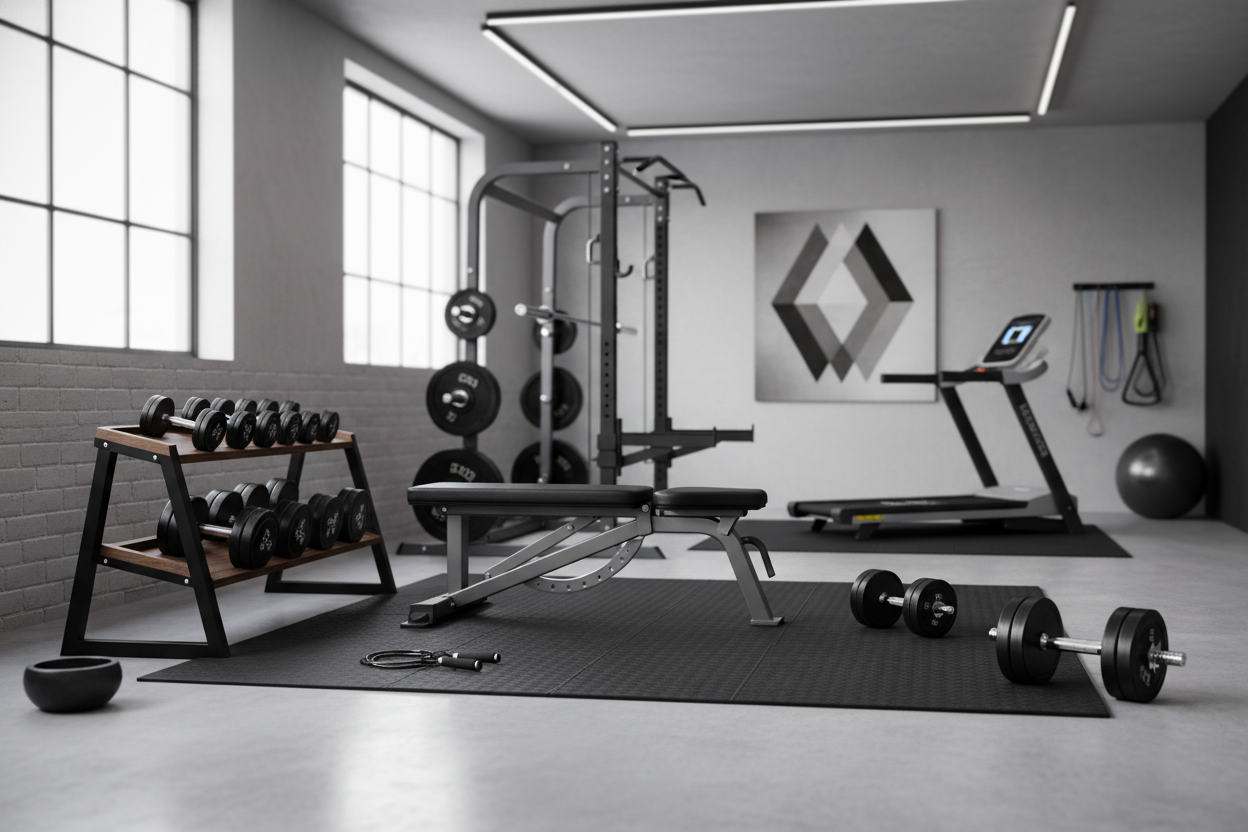
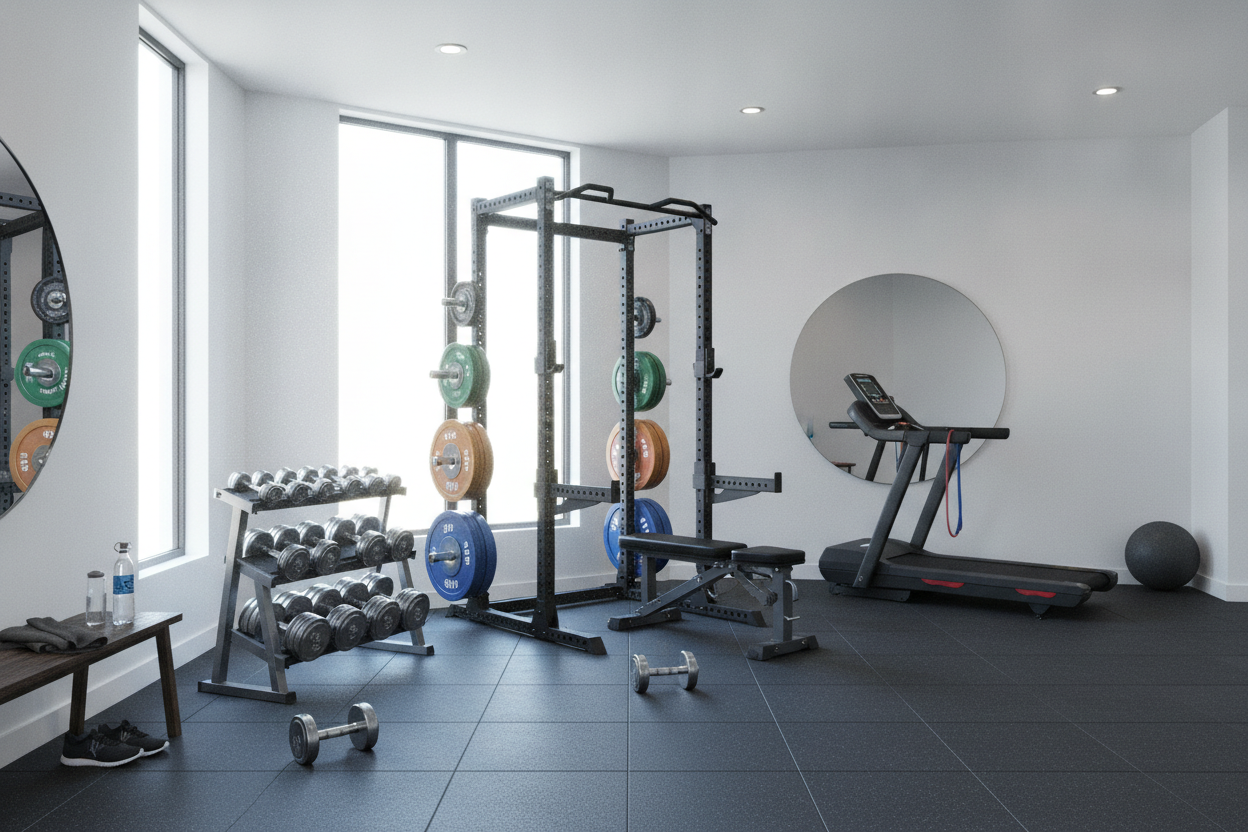
If you’re setting up a home gym, you’re going to hit a wall with those 15-lb neoprene dumbbells within three weeks. To see real progress, you need to move toward heavy home gym strength equipment. I always recommend starting with a solid set of adjustable dumbbells. Something like the 52.5-lb or 80-lb sets allows you to micro-load your progress without taking up a 20-foot wall of rack space.
However, the barbell is the ultimate tool for upper body dominance. There is something transformative about getting under a 45-lb bar and adding iron. If a standard 20kg bar is too heavy to start, look for a 15kg 'women’s' bar with a 25mm shaft. The thinner diameter makes a world of difference for smaller hands, especially on pulling movements like rows and cleans. Don't settle for the cheap 1-inch diameter bars from big-box stores; the knurling is usually non-existent and they’ll bend the moment you try to load them.
How I Finally Structured a Balanced Training Week
I used to train legs four times a week because that’s what the 'influencers' did. I was constantly exhausted and my bench press was embarrassing. I finally saw progress when I switched to a 4-day Upper/Lower split. This gives the nervous system a break and allows you to actually recover. You can’t go 100% on squats every single day and expect your bench to move.
My current rotation involves two dedicated 'Push' and 'Pull' focuses. We use smart chest workouts for women that prioritize compound movements first, followed by high-volume accessory work. A typical Monday might be heavy Bench Press (5x5) followed by lat pulldowns and overhead tricep extensions. This structure ensures that by the time Friday rolls around, my upper body has had time to repair and grow, rather than being an afterthought at the end of a leg session.
The Gear That Actually Helps Your Upper Body Lifts
Stop buying gear because it’s a certain color. Buy it because it works. For upper body training, the most underrated tool in the bag is the fractional plate. Most gyms only go down to 2.5 lbs, but for a female lifter, a 5-lb jump on an overhead press is often too much. Bringing your own 0.5-lb or 1-lb plates allows you to keep the linear progression going when things get tough.
I also swear by stiff wrist wraps for any heavy pressing. They provide the support needed to keep your wrists stacked over your elbows, which is where most power is lost. When looking for durable strength training accessories, look for Velcro that won't fray after a month and stitching that can handle being pulled tight. If you’re serious about your bench, a sturdy flat bench with a 'fat pad' can also help by providing a wider base of support for your shoulder blades.
Personal Experience: My 45-lb Plateau
For two years, I couldn't overhead press more than the empty 45-lb bar. I was frustrated and convinced I just wasn't 'built' for upper body strength. The mistake? I was only training it once a week with high reps and low weight. I was scared to fail. It wasn't until I started treating my upper body days with the same intensity as my squat days—low reps, heavy weight, and long rest periods—that the numbers moved. Now, I can press 95 lbs for reps, and my shoulders have never looked better. Don't be afraid to fail a rep; that's what safety pins are for.
FAQ
Will training chest make my breasts smaller?
No. Breast tissue sits on top of the pectoral muscles. Building the muscle underneath can actually provide a more lifted appearance and a firmer base.
Do I need a spotter to bench press at home?
If you have a power rack with safety arms or 'spotter arms,' you don't need a person there. Adjust the safeties so they are just below your chest height when you have a full arch, but high enough to catch the bar if you go flat.
How often should women train upper body?
At least twice a week. A 1:1 ratio of upper body days to lower body days is ideal for a balanced, strong physique.