Why That Pro Bulking Program Bodybuilding Plan Keeps You Skinny
I remember staring at my rack of iron, wondering why I still looked like a distance runner despite eating 3,500 calories a day. I was following a high-volume bulking program bodybuilding routine I found on a pro’s Instagram, thinking that if I just did more sets, I’d eventually look like him. Instead, I just got really good at being tired and stayed stuck at 165 pounds for a year.
The reality is that most of us are making a massive mistake in our quest for size. We treat the gym like a calorie-burning furnace rather than a growth stimulus. If you’re a natural lifter training in a garage, you can’t afford to spend two hours chasing a pump. You’re literally sweating away the mass you’re trying to build.
Quick Takeaways
- Long, high-volume sessions burn the caloric surplus required for growth.
- Mechanical tension (heavy weight) beats metabolic fatigue (the pump) for mass.
- Natural lifters need more recovery time than enhanced pros.
- A 3-to-4-day split is usually superior to a 6-day marathon.
Why You're Sweating Away Your Caloric Surplus
The fundamental flaw in the average bodybuilding bulking program is the volume trap. You think you’re bulking, so you do more sets. Those extra sets require energy. If you spend 90 minutes doing 25 sets of chest and tris, you’ve burned off the very surplus that was supposed to build your pecs. For the hardgainer, the best bulking plan isn’t the one that leaves you gasping for air on the floor.
Think of your calories like a construction budget. If you spend all your money on the laborers (the workout), you have nothing left for the materials (the muscle). I’ve seen guys add 10 pounds of scale weight just by cutting their workout time in half. They didn’t eat more; they just stopped burning so much through excessive, low-intensity volume.
The Core Rule of a Real Bulking Program Bodybuilding Routine
If you want to grow, you need to understand the difference between mechanical tension and metabolic fatigue. Most people chase the 'pump'—that tight, swollen feeling in the muscle. While it feels cool in the mirror, it’s often just metabolic stress. A truly effective bulking exercise routine prioritizes mechanical tension. That means moving heavy loads through a full range of motion.
Stop rushing your sets. If you’re breathing like a freight train when you start your next set of presses, you aren’t lifting heavy enough to trigger growth. You’re just doing cardio with weights. I started seeing real progress when I bumped my rest periods from 60 seconds to a full three minutes. It felt like I was being lazy, but my bench press numbers finally started moving again.
Stop Training Like an Enhanced Pro
We’ve all seen the 6-day 'bro splits' where you hit one body part for 30 sets. If you aren't on a massive cocktail of 'supplements' that help you recover, that plan is a death sentence for your gains. For us mortals, stripping away the junk volume is the best workout for bulking up. You don't need four different types of lateral raises. You need one heavy press and the discipline to go home and eat.
How to Structure Your Weekly Bulking Workout Plan
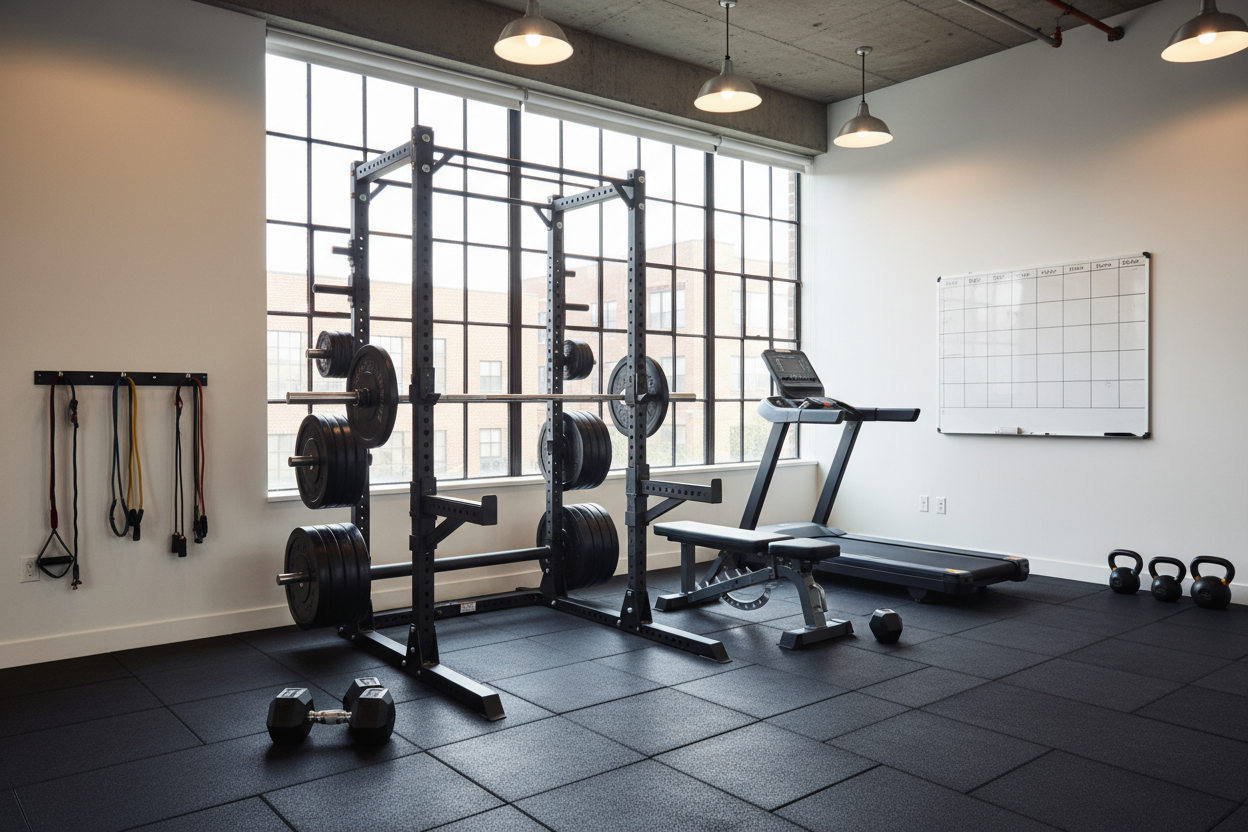
Your home gym is your greatest asset here because you don't have to wait for the squat rack. I recommend a 3 or 4-day split that focuses on the 'Big Rocks.' You can find some solid templates to start with in our Workout Hub, but the logic remains the same: hit the muscle, trigger the growth, and get out.
A typical weekly bulking workout plan should revolve around a Monday/Wednesday/Friday or a Monday/Tuesday/Thursday/Friday schedule. This gives your central nervous system time to actually recover. If you’re always sore, you aren’t growing; you’re just constantly repairing damage. Focus on the 5-8 rep range for your primary lifts and only use higher reps for your finishing movements.
Lower Body Priorities for Mass
You cannot build a massive upper body without training your legs. It sounds like a cliché, but heavy squats and deadlifts are the engine of any bulking lifting plan. They create a systemic demand on your body that bicep curls just can't match. When I finally committed to a dedicated Bulking Leg Workout The Blueprint For Massive Lower Body Gains, my weight jumped five pounds in a month. The hormone response and sheer caloric demand of heavy leg work are what separate the men from the boys.
Managing Your Garage Gym Environment for Hypertrophy
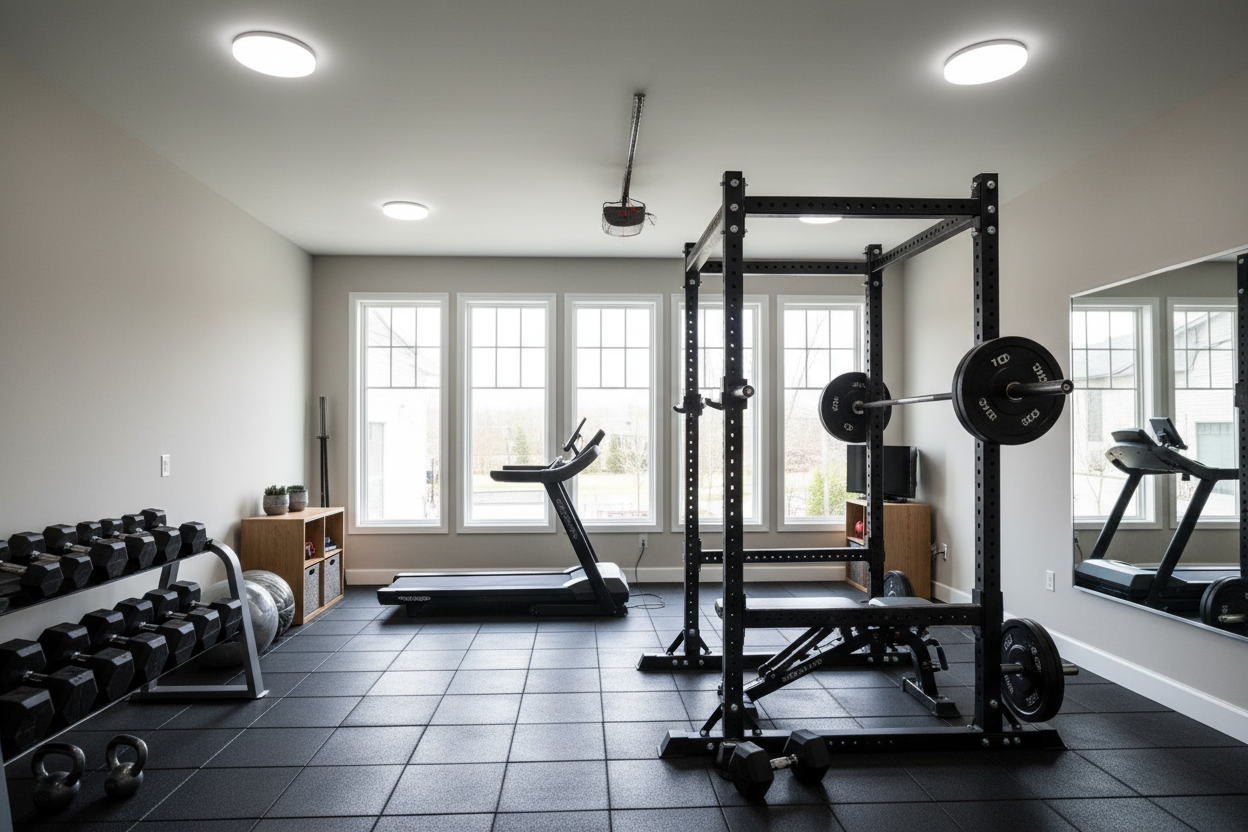
Training for mass at home requires a specific setup. You aren't machine-hopping like you're at a commercial gym. You need stability. If you’re trying to squat 315 lbs on a slippery concrete floor or a squishy carpet, your brain will subconsciously limit your power output to keep you from falling. It's a safety mechanism that kills your bulking muscle workout.
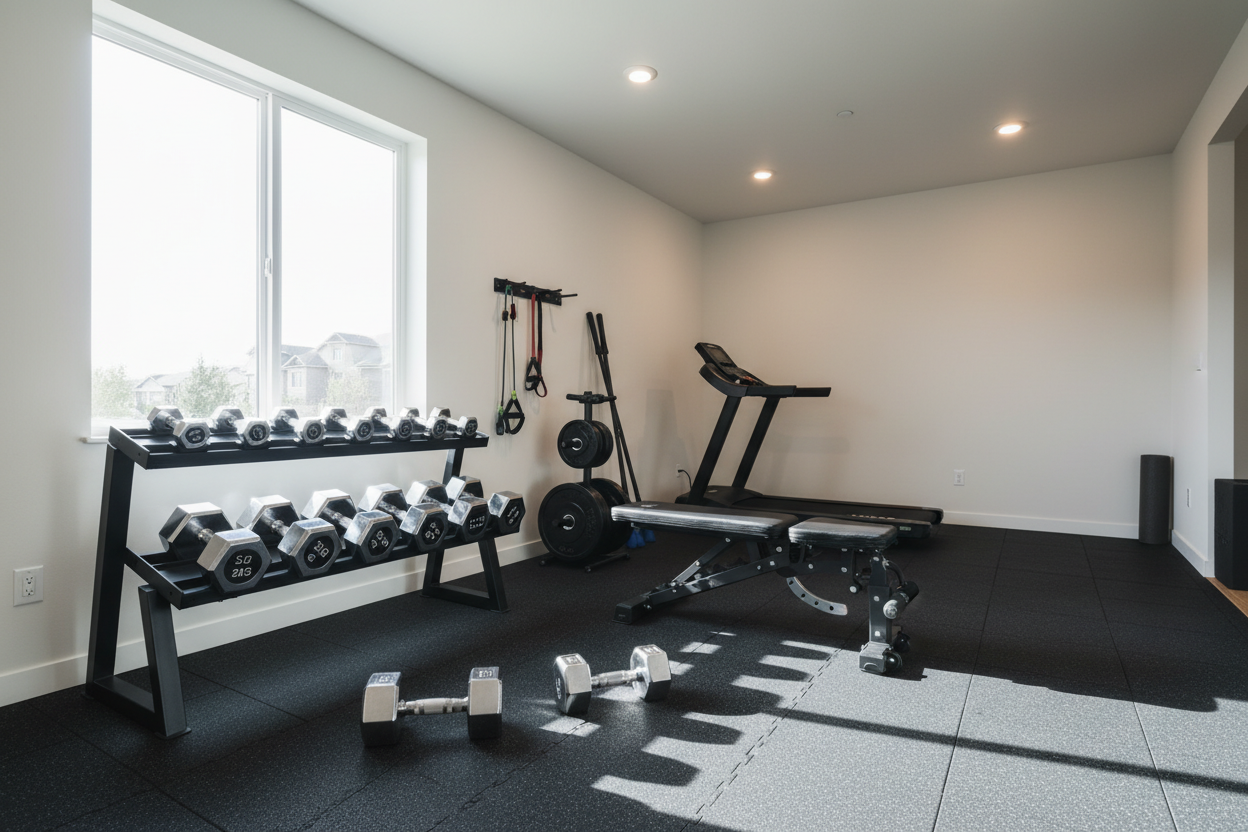
I personally use a 6X8Ft Exercise Mat Yoga Mat Gym Flooring For Home Workout under my rack. It’s dense enough that it doesn't compress under heavy loads, but it provides the grip you need to drive through your heels. Having a dedicated, stable space allows you to focus entirely on the weight rather than your footing. When you're pushing for those last two reps of a heavy set, that stability is the difference between a PR and an injury.
The Final Verdict on Choosing a Workout Program for Bulking
Stop looking for the 'secret' exercise. A successful bulking workout bodybuilding routine is boring. It’s heavy rows, heavy presses, heavy squats, and a lot of rest. If you leave the gym feeling like you could have done more, you’re probably on the right track. You should be exhausted from the weight, not from the duration of the session.
Remember that The Best Workout Program for Building Muscle Ignores Your Spreadsheet if you aren't feeling the weight that day. Auto-regulation is key. If you’re feeling beat up, do two sets instead of four, but make them heavy. The goal of any workout program for bulking is to provide a stimulus and then get out of the way so your body can actually build the muscle.
FAQ
How long should a bulking workout last?
Ideally, 45 to 60 minutes. If you’re going longer than that, you’re likely either talking too much or doing too much junk volume that burns calories without adding muscle.
How many days a week should I lift to bulk?
For most natural lifters, 3 or 4 days is the sweet spot. This allows for maximum intensity on your lifting days and full recovery on your off days.
Do I need to do cardio while bulking?
Keep it to a minimum. A 20-minute walk is fine for heart health, but high-intensity interval training (HIIT) will often eat into the recovery you need for your lifting sessions.
What is the most important lift for bulking?
The back squat. It recruits the most muscle mass and forces the largest adaptation. If you want to get big everywhere, you have to get strong in the squat rack.