Why 'Strength Training for Elderly' Shouldn't Mean Pink Dumbbells
I recently walked through a local community center and saw a 'senior fitness' class in full swing. Everyone was seated in folding chairs, waving those tiny, 2-pound pink vinyl dumbbells like they were warding off a swarm of gnats. It frustrated me because I know these people are capable of so much more. When we talk about strength training for elderly individuals, we often treat them like they are made of glass, which is exactly how you ensure they eventually break.
If you are over 65, your body is in a 'use it or lose it' race against time. Walking is great for your heart, but it won't stop the muscle wasting that makes opening a jar or getting off the toilet a struggle. You need resistance that actually resists.
- Muscle mass is the best predictor of longevity and independence.
- Low-intensity 'toning' does almost nothing for bone density.
- Safety comes from proper mechanics, not from avoiding weight altogether.
- Getting on and off the floor is a mandatory life skill, not just an exercise.
Why the Pink Vinyl Weights Have to Go
The fitness industry has a bad habit of under-dosing older adults. They call it 'clinical' or 'senior-friendly,' but really, it is just ineffective. If a weight is lighter than your coffee mug, it isn't providing the stimulus your body needs to keep its muscle. This 'pink dumbbell' culture is patronizing and, frankly, dangerous because it gives a false sense of security while physical decline continues in the background.
To see real-world results, you have to challenge the central nervous system. I am not saying an 80-year-old needs to hit a 500-pound deadlift, but they should be lifting something that makes the last few reps feel difficult. Without that struggle, your bones won't get the signal to stay dense, and your muscles won't see a reason to stick around.
What Real Strength training for senior citizens Actually Does
Sarcopenia—the age-related loss of muscle—is a thief. It creeps in and steals your balance, your metabolism, and your freedom. The only way to fight it is through progressive overload. This is the same principle I use with 25-year-old athletes: start where you are, then slowly add more weight or more reps over time.
When you engage in strength training for senior citizens, you aren't just building 'beach muscles.' You are reinforcing the structural integrity of your hips and spine. The body is an adaptive machine. It doesn't care what year you were born; it only cares about the stress you put on it today. Give it a reason to be strong, and it will respond.
Why We Always Start on the Floor
Before I ever put a barbell in someone's hands, we work on the floor. The fear of falling is the number one psychological barrier for aging adults. But the real danger isn't just the fall; it's the inability to get back up. We practice 'ground-to-standing' transitions until they become second nature.
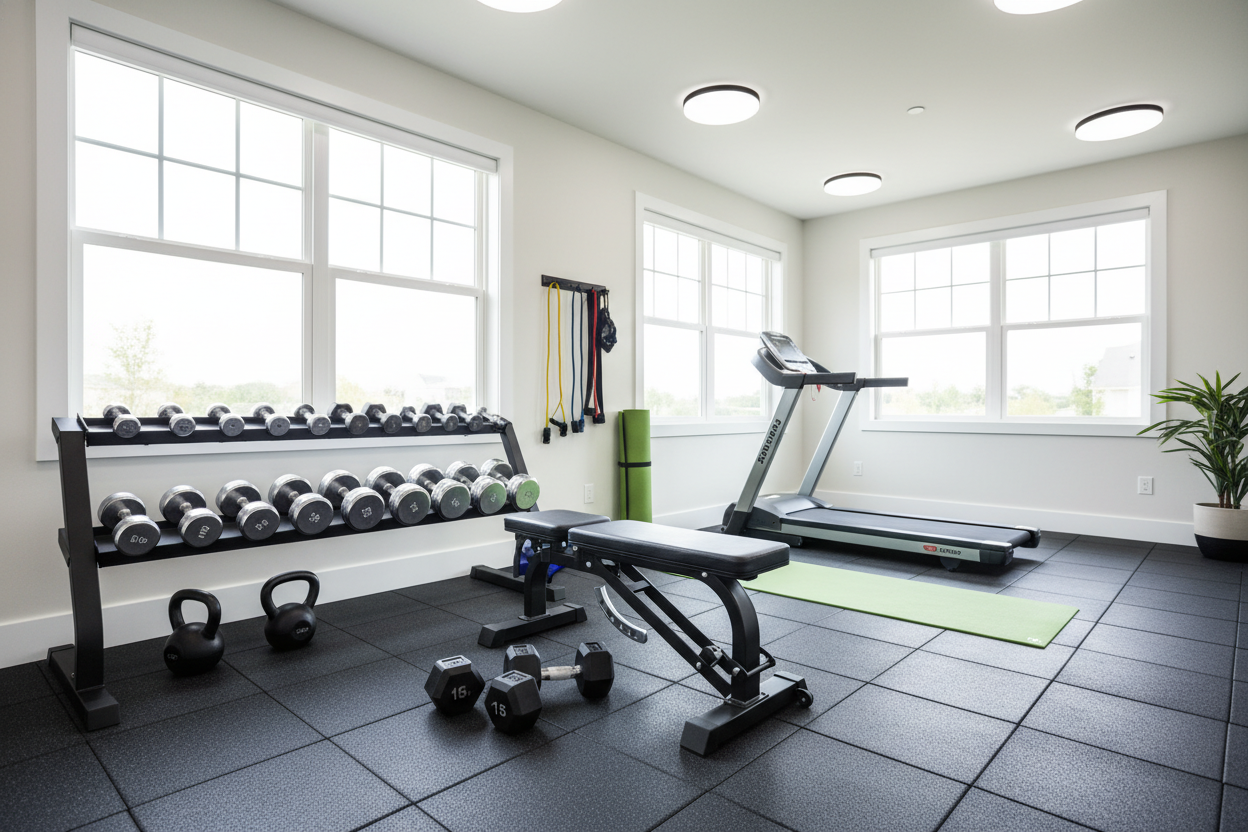
You need a dedicated space for this that isn't a slippery hardwood floor or a thin, bunching yoga mat. I always recommend a large supportive exercise mat because it provides enough grip and cushion to protect knees and elbows during these drills. If you can't confidently get down and back up, you aren't ready for heavy squats yet.
Building a Setup That Doesn't Scream 'Nursing Home'
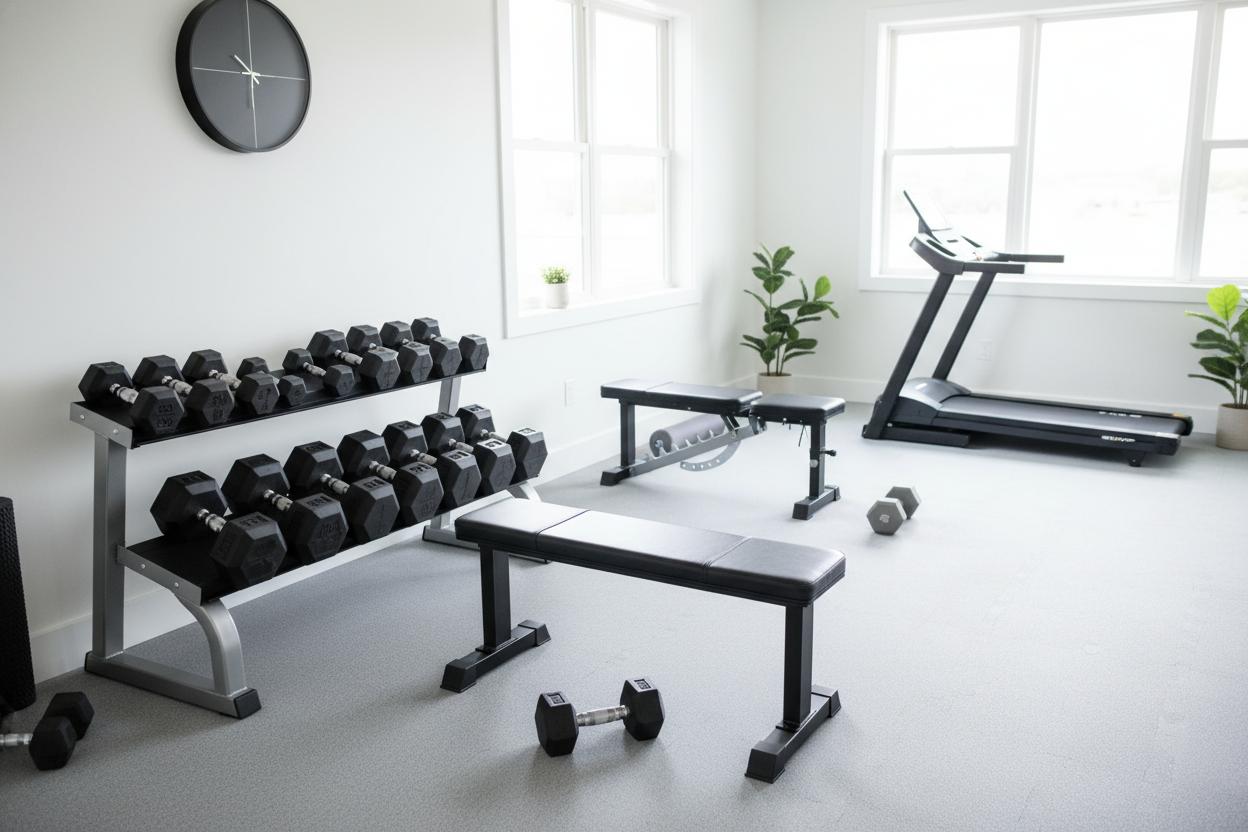
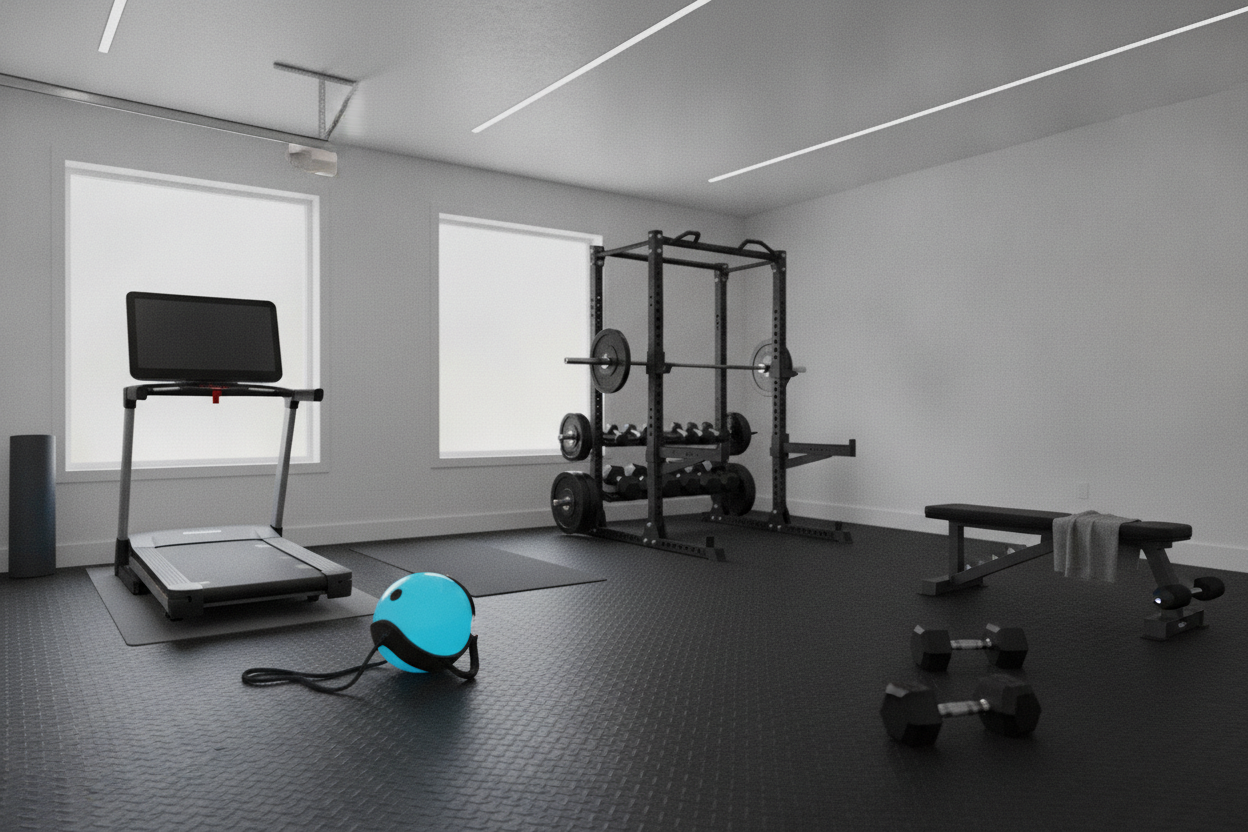
You don't need a room full of chrome machines with pulleys and cables. Most of those are overpriced and limit your range of motion in ways that don't translate to real life. You want real strength equipment that allows your body to move naturally. Think kettlebells, dumbbells, and maybe a sturdy power rack if you have the space.
I usually suggest starting with a solid dumbbell setup for elderly strength training because they are versatile and easy to store. A pair of adjustable dumbbells that go from 5 to 50 pounds can replace an entire wall of fixed weights. This allows you to micro-load, meaning you can increase the weight by just 2.5 or 5 pounds at a time, which is crucial for staying injury-free.
Adding Weight Without Wrecking Joints
The 'no pain, no gain' mantra is garbage, especially as we age. If your joints are screaming, you're doing it wrong. The goal is to stress the muscle, not the connective tissue. This is where smart mechanics and some basic supportive strength training accessories come into play. Knee sleeves or a decent pair of lifting straps can take the pressure off 'cranky' spots so you can keep the focus on the big movers like your legs and back.
Don't be afraid of the iron. Be afraid of the chair. The chair is what makes you weak. Controlled, heavy-ish lifting is the fountain of youth that no supplement can match. Focus on the big four movements: squatting, hinging, pushing, and pulling. Do those twice a week, and you'll be the one helping your neighbors carry their groceries.
My Personal Take
I remember training my father when he hit 72. I was terrified of hurting him, so I kept him on machines for months. He was bored out of his mind and saw zero progress. One day, I finally got him under a light trap bar for deadlifts. His posture improved within weeks, and his chronic lower back pain actually vanished. My mistake was thinking his age was a disability. It wasn't; it was just a different starting point.
FAQ
Is 70 too old to start lifting weights?
Absolutely not. Studies show people in their 90s can still gain muscle mass. The 'too old' mindset is a bigger hurdle than your actual physical condition. Just start with the basics and move slowly.
How many days a week should I train?
Two full-body sessions a week is the sweet spot for most seniors. This provides enough stimulus to grow while allowing plenty of time for recovery, which takes longer as we get older.
Should I use machines or free weights?
Free weights are better for balance and 'functional' strength, but machines have their place if you have a specific injury. Ideally, use a mix, but don't hide on the machines forever.