Why Smart Gyms Are the Worst Setup for Working Out Beginners
I remember standing in my garage three years ago, staring at a $2,500 smart mirror that was supposed to solve all my problems. It looked sleek, the UI was flashy, and the marketing promised I'd never miss a session again. But three weeks in, I realized I wasn't getting stronger—I was just getting better at following a cursor on a screen. For working out beginners, these high-tech setups are often a trap that prioritizes entertainment over actual physical literacy.
Quick Takeaways
- Screens distract you from developing 'proprioception' (knowing where your body is in space).
- Leaderboards encourage ego-lifting, which leads to injury for novices.
- Analog equipment like a barbell or kettlebell never requires a software update.
- Subscription fees are a recurring tax on your discipline that you don't need to pay.
The Allure (and Trap) of the Connected Home Gym
The marketing for smart gyms is genius. They sell you on 'gamified fitness' and the idea that having a world-class trainer in your living room is the only way to stay motivated. If you are just starting your guide to fitness, that sounds like a safety net. In reality, it is a crutch. These machines turn exercise into a passive experience where you wait to be told what to do next.
When you rely on a screen to tell you to move, you aren't building discipline; you're building a dependency. I have seen countless people quit training the moment their subscription expires or their WiFi drops. Real progress happens when you own the process, not when you're renting a digital personality to cheer you on for $39.99 a month.
Why Screens Are a Distraction When Working Out Beginners
The biggest hurdle for any novice is learning how a movement should feel. This is called proprioception. When you are staring at an instructor on a screen, your focus is external. You are trying to match their rhythm instead of feeling your own lats engage during a row or your glutes fire during a squat. This disconnect is why so many fitness beginner guide users end up with nagging lower back pain.
You need to be looking at your own form in a standard mirror or, better yet, filming your sets and reviewing them. A screen-based trainer cannot feel your bracing or see that your knees are caving in from a 2D camera angle. You have to do the work of connecting your brain to your muscles without a digital middleman.
You Are Chasing Metrics, Not Muscle
Most smart equipment is built around 'output scores' or leaderboards. This is fine for a seasoned athlete who knows their limits, but it is a recipe for disaster when it comes to exercise basics for beginners. I have watched people compromise their spine health just to climb three spots on a virtual ranking. You should be focused on the quality of your reps, not a proprietary 'power score' that doesn't translate to real-world strength.
The Analog Antidote: A Real Beginner's Guide to Fitness Spaces
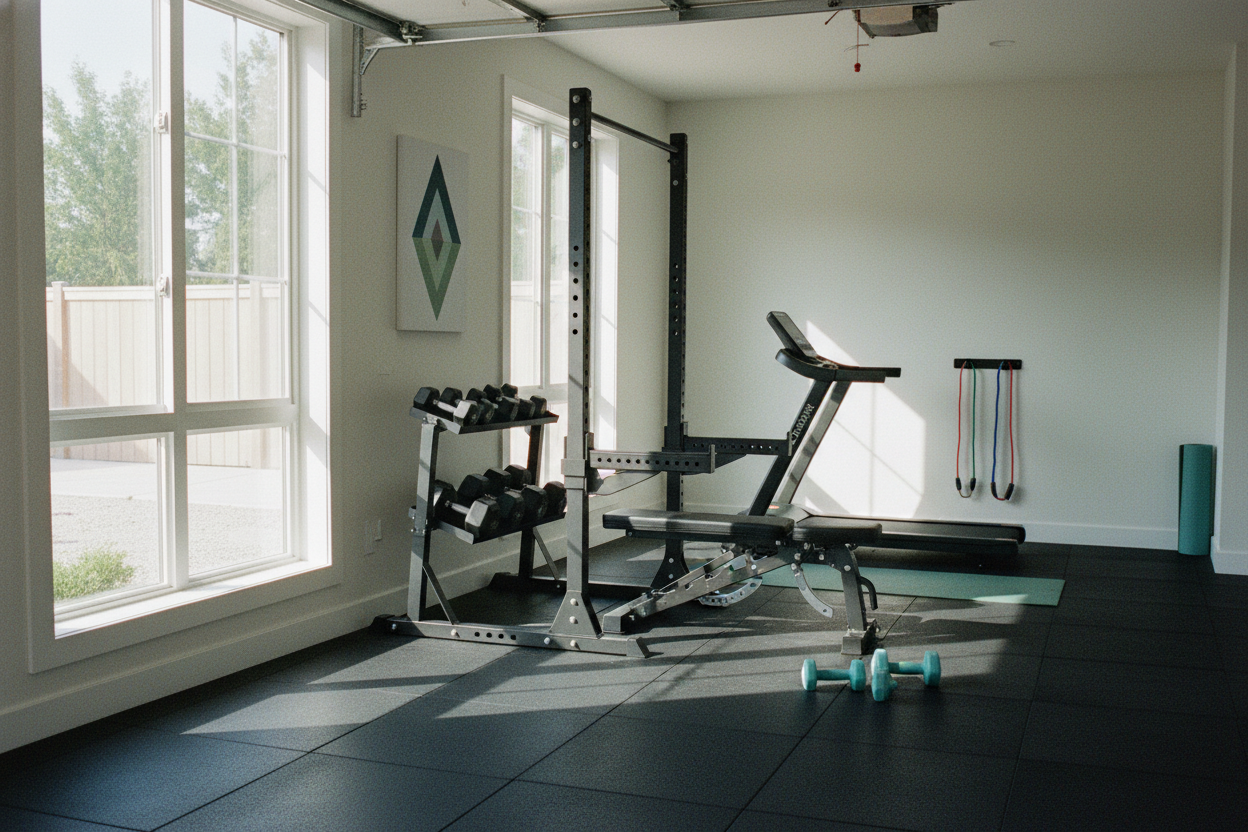
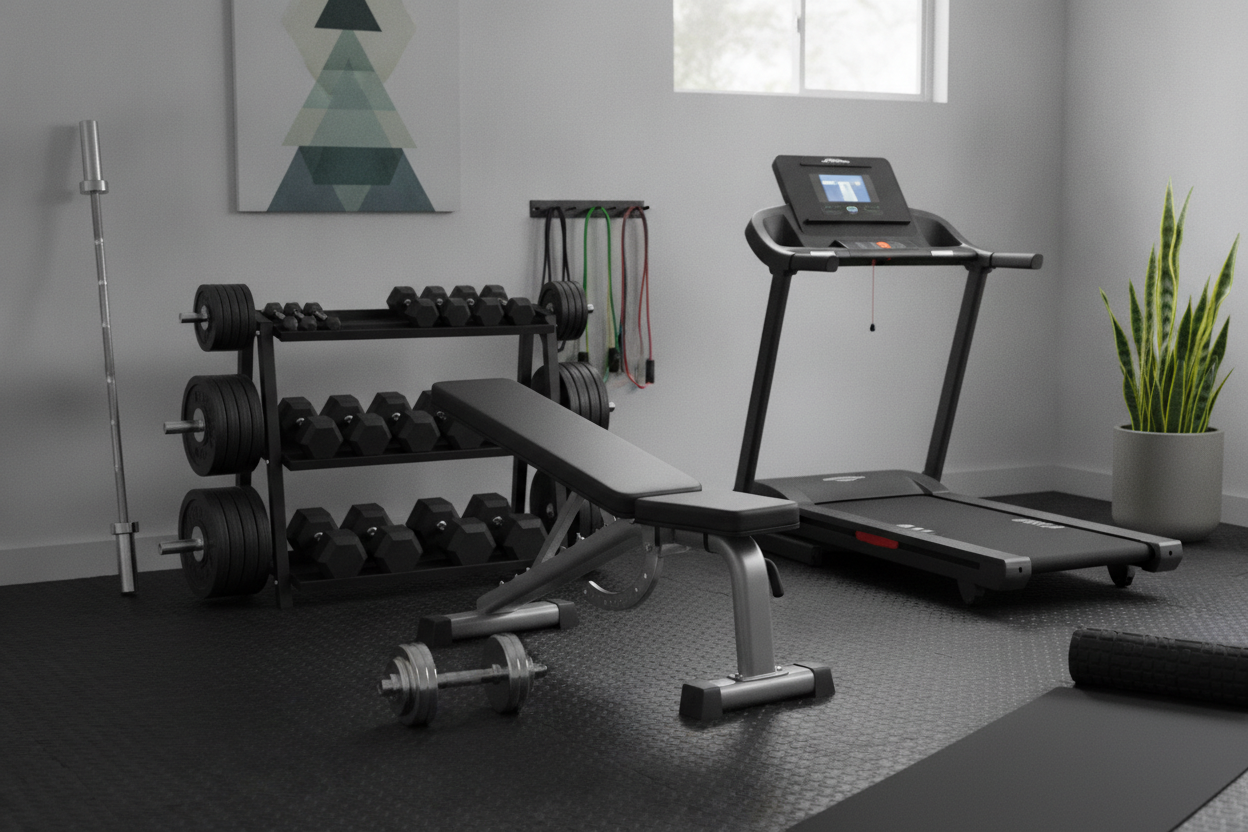
If you want a setup that actually works, go analog. Start with a solid foundation. Instead of a $3,000 screen, invest in a large exercise mat for home gym use. This gives you a dedicated 'zone' for movement that doesn't require a power outlet. It provides the tactile feedback your feet need to stay grounded during heavy lifts.
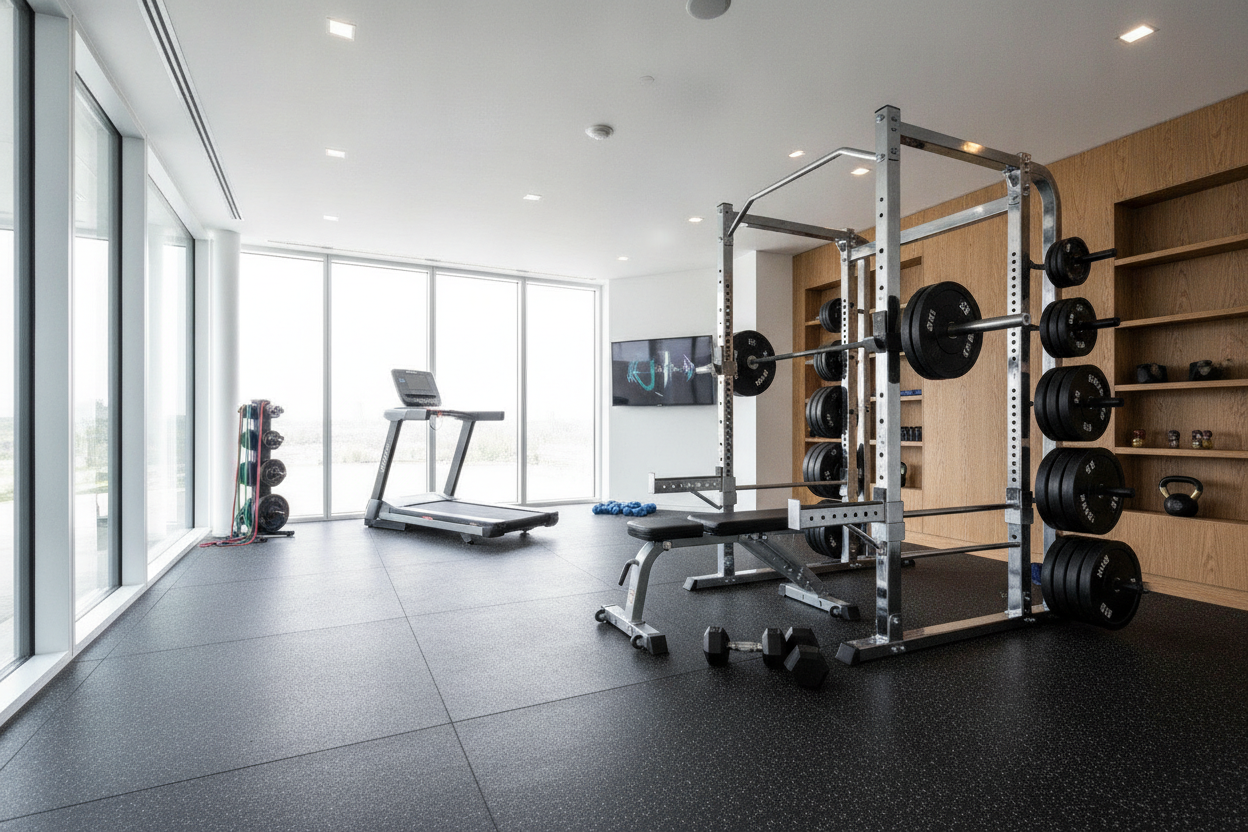
From there, look for the best home exercise equipment for beginners, which usually consists of a few kettlebells, a pair of adjustable dumbbells, and maybe a pull-up bar. These tools are honest. They don't have lag, they don't need firmware updates, and they force you to learn the mechanics of gravity. A 35-lb kettlebell will always weigh 35 lbs, regardless of your internet speed.
How to Exercise for Beginners Without an App Yelling at You
Your first month of training should be quiet. No loud music, no shouting instructors, no flashing lights. This is your time to learn how to move. Follow a basic guide to working out that focuses on the big five: push, pull, squat, hinge, and carry. Write your reps down in a physical notebook. There is a psychological power in manually crossing off a set that a digital 'check' just can't match.
Try this: 3 sets of 10 squats, 3 sets of 10 pushups, and 3 sets of 10 lunges. Do it in silence. Feel your heart rate climb. Notice which side of your body feels weaker. This self-awareness is the foundation of all long-term fitness. You don't need a workout beginner guide that treats you like a toddler; you need a plan that treats you like an athlete in training.
Building a Foundation That Outlasts Your WiFi Connection
True fitness independence is being able to walk into any park, garage, or hotel gym and knowing exactly how to train your body. If your entire workout beginner guide relies on a specific piece of software, you are one power outage away from being sedentary. I once lost a whole week of training because my 'smart' rower's tablet decided to go into a boot loop. Never again.
Challenge yourself to 30 days of unplugged training. No apps, no leaderboards, just you and the iron. You will find that you push harder when you are the one driving the intensity. Build a gym that works for you, not one that works for a tech company's bottom line.
FAQ
Is all fitness technology bad for beginners?
No, but it should be a tool, not the foundation. A simple stopwatch or a heart rate monitor is great. The problem starts when the tech tries to replace your own intuition and discipline.
What if I don't know how to do the exercises?
Use your phone to watch a tutorial video *before* your set. Then put the phone down and perform the movement. Don't try to mimic a trainer in real-time while you are under load.
Aren't smart gyms more motivating?
They provide 'extrinsic' motivation, which fades fast. Real 'intrinsic' motivation comes from seeing your numbers go up in a logbook and feeling your clothes fit differently. That lasts a lifetime.