Why My Quick Workout to Build Muscle Beats a 90-Minute Grind
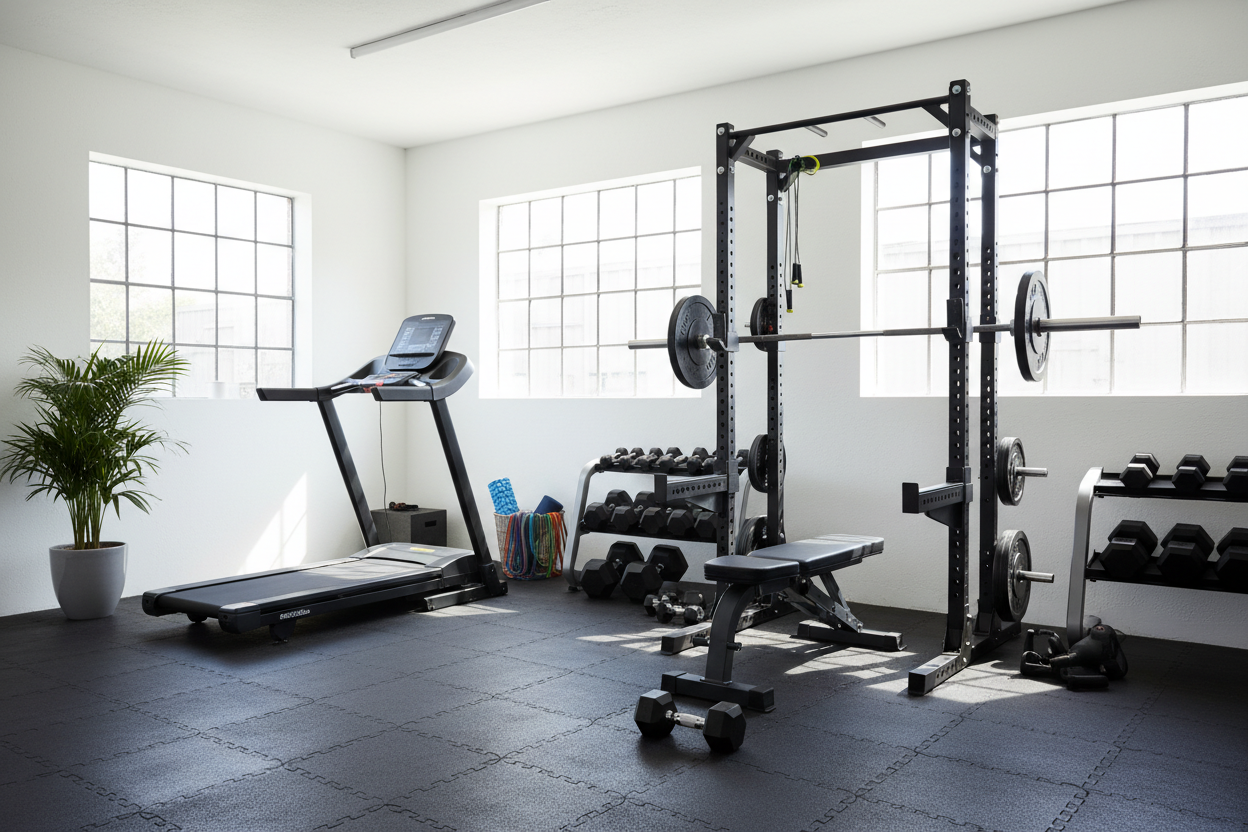
I remember standing in my garage at 6:30 PM, staring at my power rack with a mix of guilt and exhaustion. I’d convinced myself that if I didn’t have a clear 90-minute window for a 'real' session, it wasn't worth starting. I was wrong. I was choosing zero progress over a quick workout to build muscle because I was addicted to the idea of a marathon grind.
- Intensity over Volume: Two sets to absolute failure beat five sets of sandbagging every time.
- Strict Rest: If you aren't watching the clock, you aren't training; you're just hanging out in your gym.
- Compound Focus: Isolation moves are a luxury for people with infinite time.
- Supersets are Mandatory: Pairing opposing muscle groups keeps the heart rate up and the clock down.
I Used to Think Shorter Sessions Meant Losing Gains
I used to be a volume junkie. I thought if I wasn't hitting five different angles for chest and spending at least twenty minutes on a barbell, I was shrinking. That mindset led to burnout and, eventually, a two-month hiatus where my only 'lift' was moving Amazon boxes. When I finally crawled back to the rack, I only had twenty minutes before my kid woke up from a nap. I had to make it count.
I cut the fluff. I stopped doing three sets of 'warm-up' reps that didn't do anything but waste energy. I realized that dropping the junk volume—those extra sets where you're just going through the motions—didn't kill my progress. It actually sparked it. My body finally had the recovery capacity to actually grow because I wasn't digging a recovery hole I couldn't climb out of.
The Real Engine Behind Short Workouts to Build Muscle
Hypertrophy doesn't require a clock; it requires mechanical tension. Your muscle fibers don't know if you've been in the garage for ten minutes or two hours. They only know that they were forced to contract against a load they couldn't handle easily. This is the science behind short workouts to build muscle. If you push a set of 8-12 reps to within one rep of total failure, you've done more for your growth than someone doing half-hearted sets for three hours.
The trade-off is simple: if you reduce the time, you must increase the density. You have to be willing to embrace the discomfort of short rest periods. Most people use long rests as a crutch because they're afraid of the burn. In a short session, that burn is your best friend. It’s the signal that you’re actually hitting the threshold required for adaptation without needing a dozen different exercises to get there.
The Brutal 20-Minute Quick Workout to Build Muscle
When the clock is ticking, I run a ruthless push-pull superset routine. I don't touch a barbell here—it takes too long to load and unload. I grab my 52.5-lb adjustable dumbbells and get to work. I pair a heavy overhead press with a weighted pull-up (or a heavy row if I'm feeling beat up). I do three sets of each, back-to-back, with zero rest between the push and the pull.
After that, I move to legs. I’ll grab a single 70-lb kettlebell for goblet squats and superset them with stiff-leg deadlifts. By the time I hit the third set, my lungs are screaming as much as my quads. The secret sauce? I use a strict rest timer set for exactly 60 seconds. If I'm not ready to go when that beep hits, I've already lost. This isn't about feeling 'ready'; it's about forcing the work into the window you have.
A Floor-Based Warm-Up You Shouldn't Skip
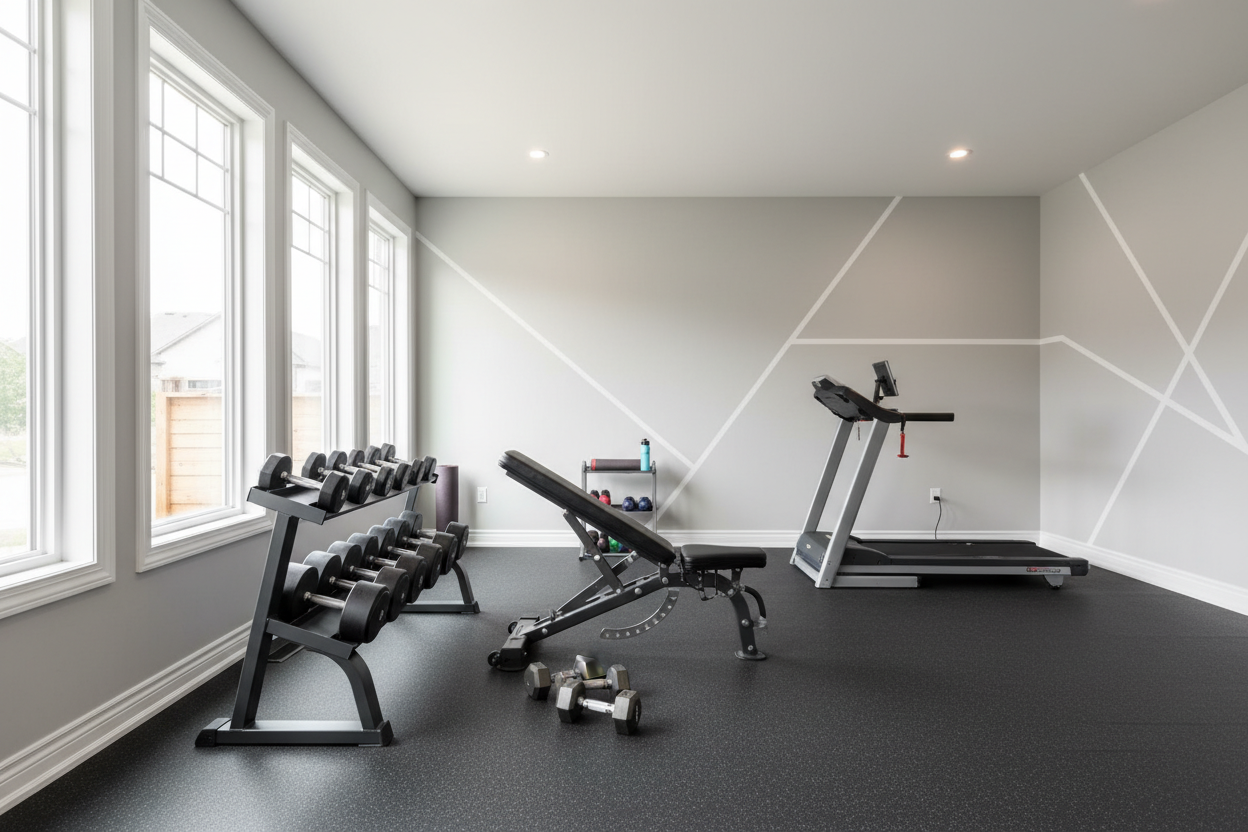
You can't go from zero to a heavy press without some grease in the joints. I spend exactly three minutes on the floor. I do a quick flow of 'World's Greatest Stretch' and some scapular push-ups. I make sure I have durable gym flooring down because doing mobility work on bare concrete is a great way to talk yourself out of a workout. A decent mat means you can drop down, get warm, and get to the weights without feeling like you're punishing your joints before the first set.
Why Short Muscle Building Workouts Demand Complete Focus
The hardest part of a twenty-minute session isn't the weight—it's the mental shift. You can't pace yourself. In a long workout, you can 'save' energy for the big lifts later. Here, there is no 'later.' Every rep has to be high-quality and high-effort. If your mind wanders to your email or your grocery list, the intensity drops, and the workout becomes useless. You have to be 'on' from the second you touch the iron.
This style of training taught me more about my own limits than any 5x5 program ever did. It forced me to stop lying to myself about how hard I was actually working. If you're looking for more ways to squeeze gains into a tight schedule, we have a full library of training templates that cut the nonsense and focus on what actually builds tissue. Stop making excuses about the clock and start making the clock work for you.
FAQ
Can I really build muscle in just 20 minutes?
Yes, provided you train to or near failure. If you're just lifting light weights and not challenging your capacity, you won't grow. But high-intensity, low-volume training is a proven path to hypertrophy.
What equipment do I need for a quick workout?
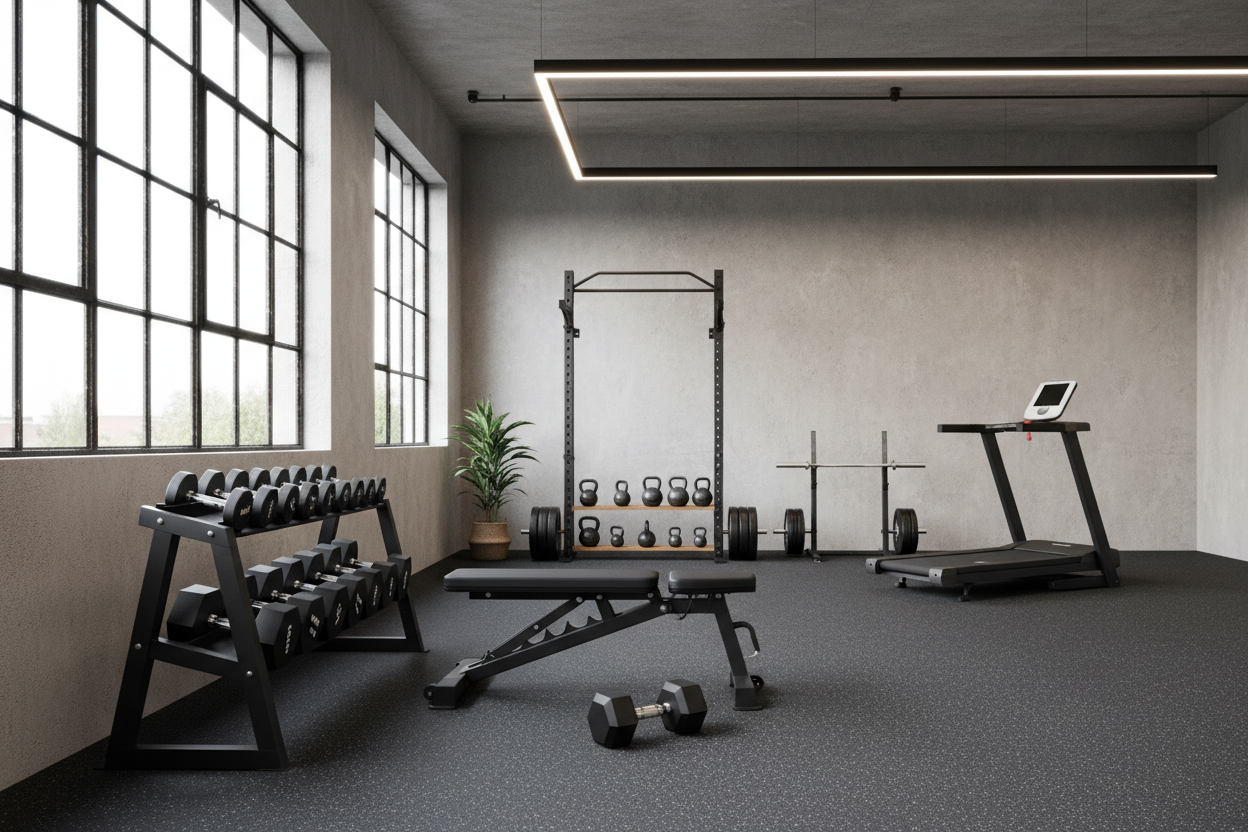
Dumbbells or kettlebells are usually faster than a barbell because there's no setup time. A solid bench and a pull-up bar are the only other essentials you need to hit every major muscle group effectively.
How many days a week should I do this?
Three to four days is the sweet spot. Because these sessions are high-intensity, you need the off-days for your central nervous system to recover. Don't mistake 'short' for 'easy.'