Why Most Exercise Machines for Hips Belong in the Junkyard
I have spent a decade walking past rows of dusty, over-engineered exercise machines for hips that look more like medieval torture devices than tools for athletic performance. Most of them are designed for the 'toning' crowd—people who think three sets of twenty on a machine will fix a bad diet or weak glutes. If you are trying to build a body that actually moves well, you need to be picky.
Most commercial gym equipment for hips forces you into a fixed path that ignores how your pelvis actually functions under load. I have seen more people tweak their lower backs on these machines than I have seen them build actual power. Let's separate the junk from the gear that actually belongs in your training log.
Quick Takeaways
- Most fixed-track machines fail to train the stabilizers you actually need for sport.
- The multi-hip pendulum is the gold standard for versatility and biomechanical alignment.
- Reverse hypers are non-negotiable for posterior chain health and decompression.
- You can replicate 90% of these benefits at home with heavy bands and a solid floor.
The Problem With the 'Hip Deck' at Your Local Gym
The influx of highly specific, poorly designed gym equipment for hips is a plague on the modern fitness landscape. These machines often feature a seat that locks your pelvis in place while forcing your legs to move on a rigid, circular track. This is the opposite of how you move in the real world. When you run or jump, your pelvis and spine need to interact dynamically. When you lock them down, all that torque goes straight into your hip capsules and SI joints.
I have tested dozens of these 'total hip' units where the pivot point is about three inches off from where a human hip actually rotates. It creates a shearing force that feels more like a joint stretch than a muscle contraction. If a machine feels like it is fighting your natural movement, it probably is. Stop using it before you end up in a physical therapist's office.
3 Machines That Actually Translate to Real-World Strength
If your gym has a multi-hip pendulum machine, use it. It is one of the few machines for hips that allows you to stand on one leg, engaging your core and stabilizers while you work the moving leg through flexion, extension, abduction, or adduction. It is basically a cable crossover but with the stability of a padded arm.
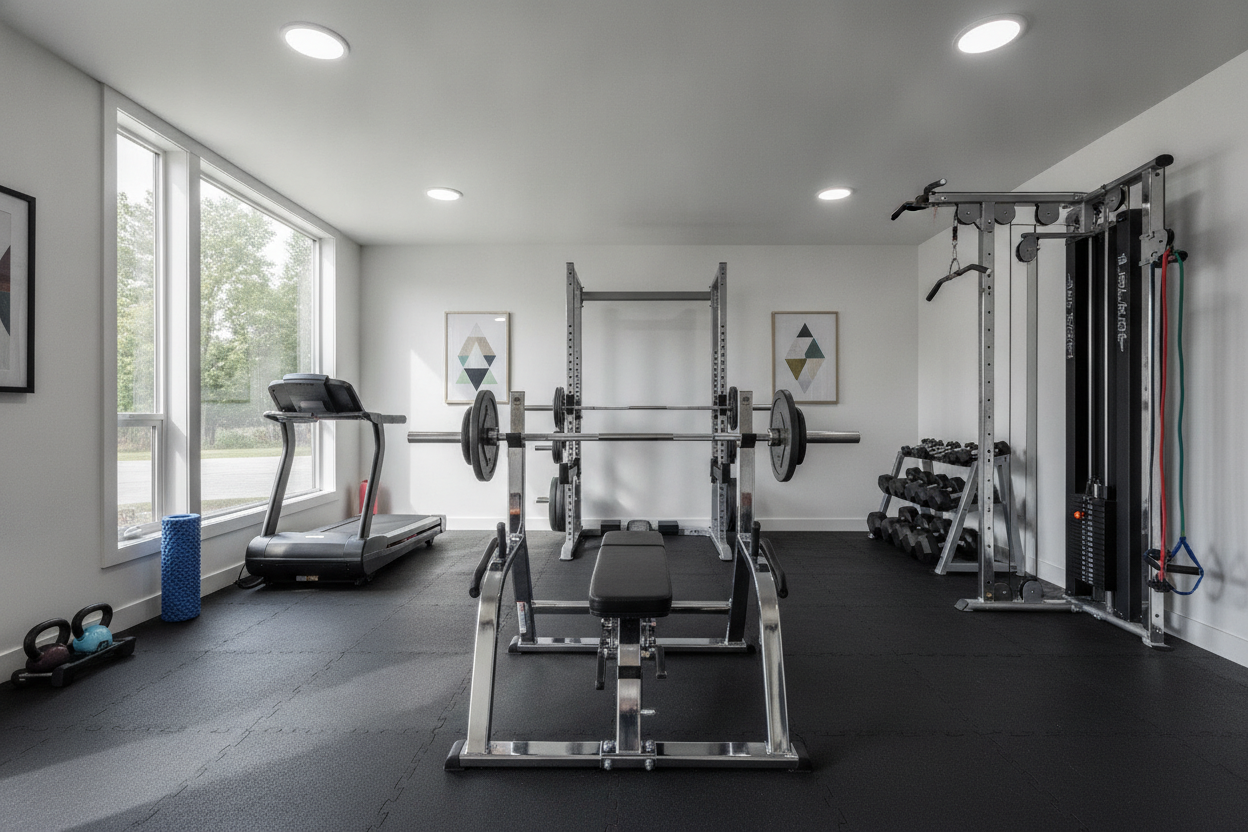
The second winner is the functional cable tower. It is not a dedicated hip workouts machine, but with a simple ankle cuff, it is superior to almost any selectorized unit. You get constant tension and the ability to adjust the line of pull to match your specific anatomy. When you want to build powerful glutes with the right exercise machine, you need something that allows for heavy, horizontal loading rather than just a seated squeeze.
Finally, the reverse hyper. Invented for rehab, it has become a staple in powerlifting for a reason. It builds the glutes and hamstrings while actively decompressing the spine. If you have access to one, it is the single most valuable piece of lower-body specialty equipment you can use.
The Abductor/Adductor Debate: Worth the Awkward Eye Contact?
We have all seen the 'yes/no' machines where you sit and spread your legs against resistance. While they are the subject of endless gym memes, they aren't completely useless. The key is how you use them. Most people go too heavy and use momentum, which is a fast track to a hip flexor strain.
I actually recommend the adductor (inner thigh) setting for serious lifters. Implementing a specific groin exercise machine strategy for bulletproof hips is one of the few ways to prevent those nagging adductor strains during heavy squats. Keep the weight moderate, focus on the squeeze, and do not let the machine slam your legs back together. It is about control, not the weight stack.
Replicating Commercial Hip Machines in a Garage Gym
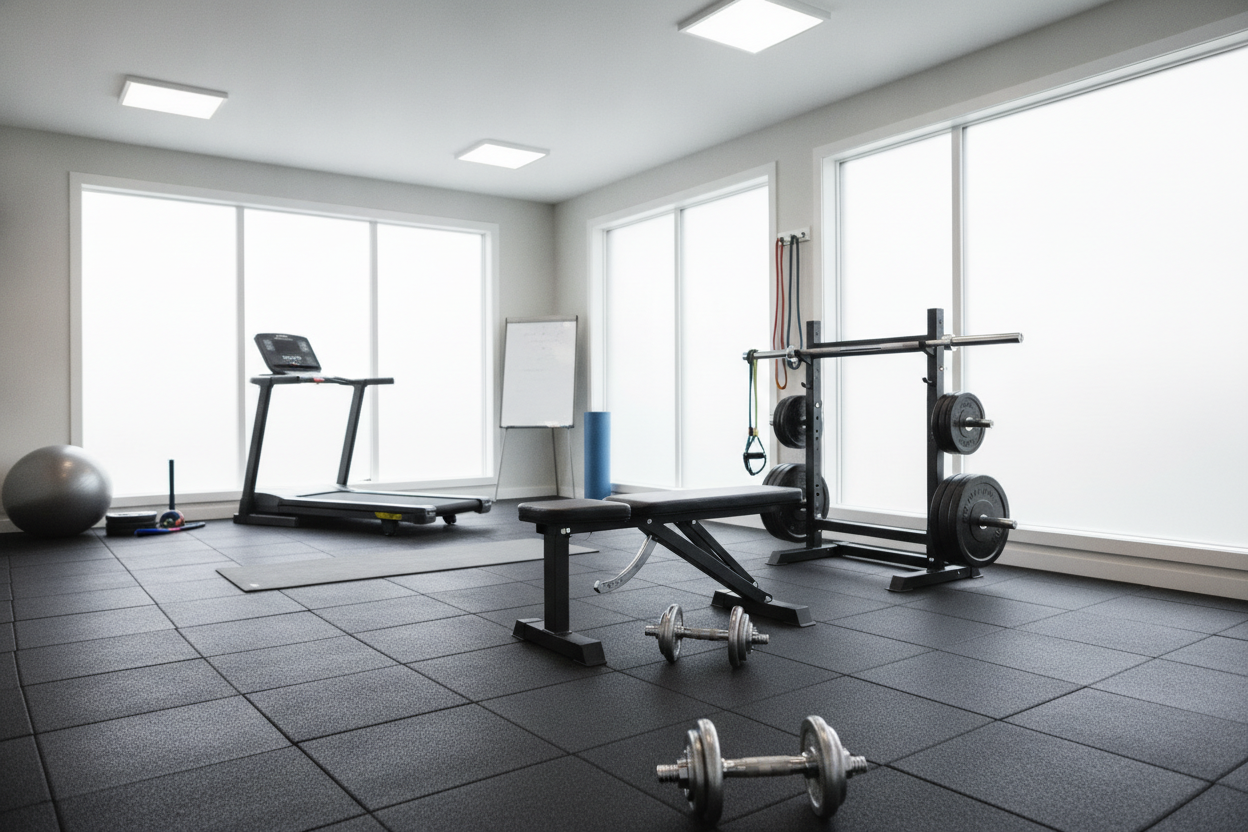
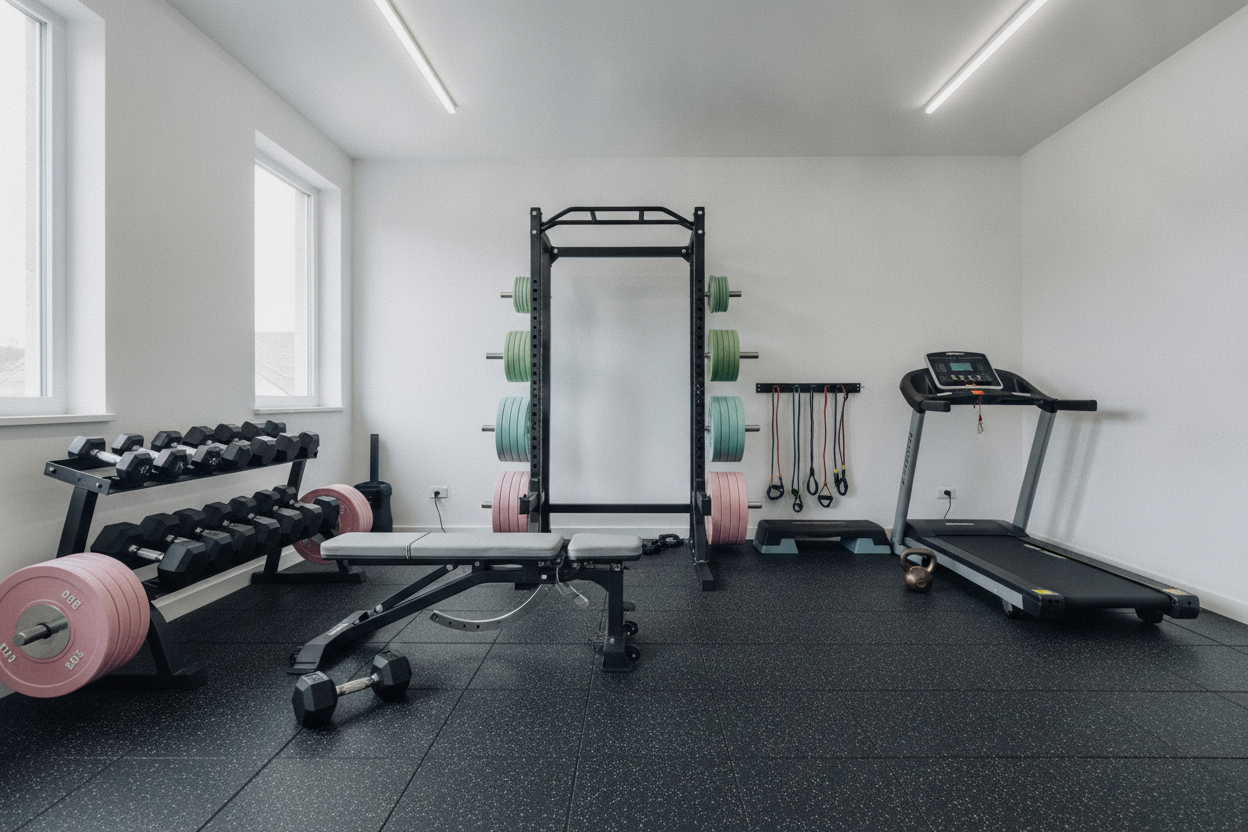
You do not need a $3,000 gym machine for hips taking up a 6x8 foot footprint in your garage. I have gotten better results using heavy 41-inch loop bands and a set of furniture sliders. By anchoring a band to the bottom of a power rack and looping it around your ankle, you can perform every movement a multi-hip machine offers.
If you are doing this on a hard concrete floor, you are going to regret it quickly. Grab a large exercise mat for home gym use to save your knees and provide the grip needed for heavy banded work. Sliders are another secret weapon; lateral lunges on a slider will light up your hip stabilizers in a way that no seated machine ever could. It is cheaper, takes up zero space, and builds more functional stability.
The Final Verdict: Do You Actually Need to Isolate?
Isolation has its place, especially if you are coming back from an injury or you have a specific weak point in your squat. But for 90% of people, your time is better spent on deep lunges, Bulgarian split squats, and heavy hinges. Use a machine as a finisher, not the main event.
If you find a machine that feels smooth and doesn't pinch your joints, keep it in the rotation. But never trade a heavy compound movement for a seated machine just because it feels easier. Real hip strength is built standing up, fighting gravity, and moving through a full range of motion.
My Experience With Hip Machines
I remember the first time I tried a 'Total Hip' machine at a big box gym. I loaded it up, stood on one leg, and tried to swing my leg back for a glute kickback. The pivot point was so poorly aligned with my body that I felt a sharp pinch in my lower back before I even finished the first set. It was a wake-up call. Now, I do 95% of my hip work with cables or bands. I only touch machines if they are high-end brands like Atlantis or Rogue that actually understand biomechanics.
FAQ
What is the best machine for hip mobility?
None of them. Machines are for strength and hypertrophy. For mobility, you need active stretching and loaded eccentrics like Romanian deadlifts or deep Cossack squats.
Are hip abductor machines bad for your knees?
They can be if you have a pre-existing tracking issue. Because the resistance is applied at the knee or ankle while your hip is flexed, it can create an unnatural pull on the IT band. Start light.
Can I build glutes using only hip machines?
You can, but you will be missing out on the stabilizing strength that keeps your back and knees healthy. Use machines to add volume after your heavy free-weight sets.