Why Most "Elite Fitness Equipment" Fails (And What Actually Works)
You have likely seen the flashy ads. A sleek machine promises to transform your physique in minutes a day. But when you actually get under the bar or sit on the seat, something feels off. The movement is jerky, the cables drag, or the stability just isn't there. That is the difference between marketing hype and true elite fitness equipment.
Building a physique requires consistency, and consistency is hard to maintain when you are fighting against your gear rather than gravity. Whether you are outfitting a commercial facility or a garage setup, understanding the engineering behind high-performance gear is the only way to protect your investment and your joints.
Key Takeaways: What Defines "Elite"?
Before you swipe your credit card, use this checklist to separate pro-grade gear from expensive coat racks. Here is what matters:
- Biomechanics over Aesthetics: Does the machine match the natural force curve of the muscle?
- Structural Integrity: Look for 11-gauge steel (or thicker) and continuous welds rather than spot welds.
- High-Tolerance Moving Parts: Sealed bearings and aluminum pulleys ensure smooth operation compared to nylon bushings.
- Adjustability: Elite gear offers micro-adjustments to fit 5'0" and 6'6" users equally well.
- Warranty: A lifetime frame warranty is the industry standard for high-end equipment.
The Science of Stability and Force Curves
When we talk about an elite fitness machine, we are rarely discussing how it looks. We are discussing physics. Cheaper equipment often relies on linear resistance that doesn't match human strength curves. For example, a cheap leg extension machine feels incredibly heavy at the start and light at the top.
Elite exercise equipment is engineered with cams and pivot points that alter the resistance profile. This matches your muscle's natural strength capability throughout the range of motion. This isn't just a luxury; it creates better hypertrophy stimulus and reduces shear force on the joints.
Material Density and Vibration
Have you ever racked a heavy squat and felt the whole frame shudder? That is kinetic energy transferring into the structure because the steel is too thin. Elite training equipment utilizes heavy-duty steel (usually 3x3 inch tubing) to absorb that energy. When the equipment is dead stable, your central nervous system feels safe, allowing you to recruit more motor units for the lift.
Sourcing: The Warehouse vs. The Big Box Store
You will rarely find professional-grade gear at a general sporting goods store. To find the real deal, you often need to look at an elite fitness warehouse or a direct-to-consumer manufacturer specializing in commercial fit-outs.
These suppliers focus on function. They understand that a piece of elite fitness gym equipment needs to survive 100 uses a day in a commercial setting. When you buy from these sources for a home setup, you are essentially buying gear that will outlive you.
Building the Ultimate Home Setup
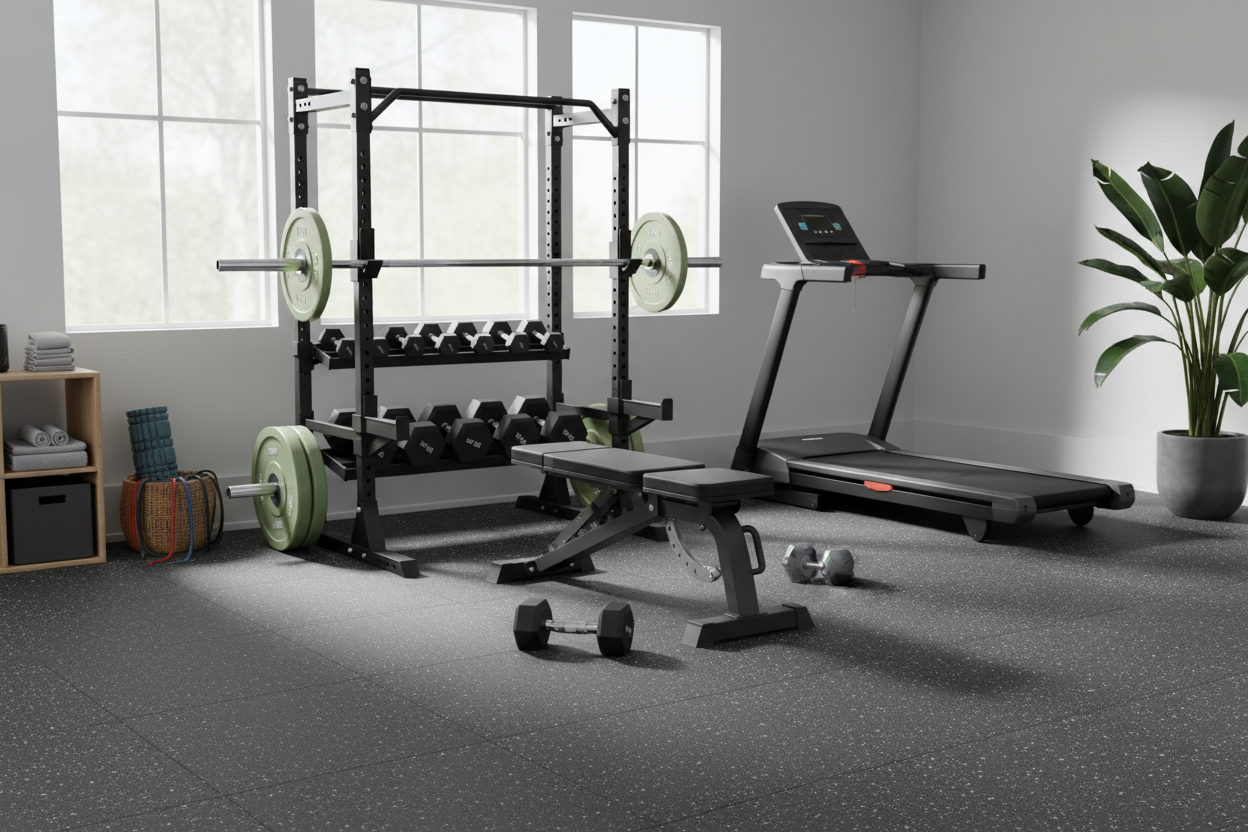
Designing an elite fitness home gym requires a different strategy than a commercial space. You don't have room for twenty different isolation machines. You need versatility without sacrificing stability.
The centerpiece should always be a power rack or a high-end functional trainer. Look for modularity. The best manufacturers now allow you to attach jammer arms, belt squat attachments, and cable systems directly to the rack. This turns a single footprint into a comprehensive training center.
My Personal Experience with Elite Fitness Equipment
I want to be real about the transition from standard gear to the high-end stuff. Years ago, I trained in a garage with a budget barbell I bought off a classifieds site. I didn't think it mattered. It was just iron, right?
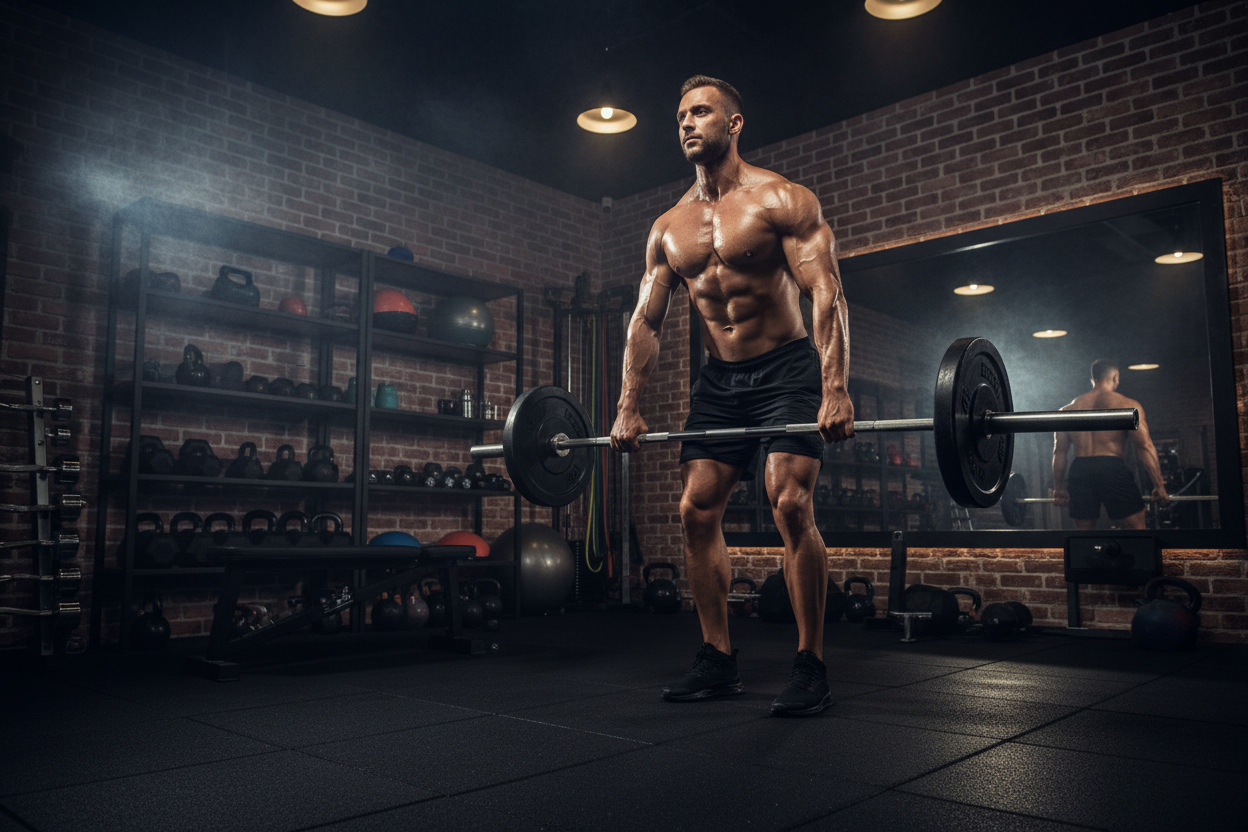
I realized I was wrong during a heavy deadlift session. The knurling on that cheap bar was passive—basically smooth chrome. I was failing lifts not because my back was weak, but because the bar was sliding out of my sweaty hands. I was wasting energy just trying to hold on.
I finally bit the bullet and bought a stainless steel power bar from a top-tier manufacturer. The difference was immediate and physical. The knurling was aggressive—it actually felt like it was biting into my calluses. It hurt a little, to be honest. But when I pulled, that bar felt glued to my hands. There was no 'whip' or wobble at the lockout. It was a rigid, stable connection. That specific tactile feedback—the way the steel bites the skin without tearing it—is something you only get with elite manufacturing. It instantly added 20 pounds to my pull because I stopped worrying about my grip and focused on the hinge.
Conclusion
Upgrading to elite equipment is not about vanity; it is about efficiency and safety. When you trust your gear, you train harder. Whether you are sourcing from a specialized warehouse or building a custom home gym, prioritize steel thickness, biomechanics, and warranty over fancy touchscreens.
Frequently Asked Questions
What is the difference between commercial and residential elite equipment?
Commercial equipment is built for continuous use (8-12 hours a day) and focuses on durability and rapid adjustability for different users. Residential elite gear often prioritizes space-saving features and modularity while maintaining similar build quality.
Is refurbished elite fitness gym equipment worth buying?
Yes, often. A refurbished piece of commercial gear from a reputable brand usually outperforms a brand-new budget machine. Just ensure the cables, pulleys, and upholstery have been replaced or serviced.
Does elite training equipment require maintenance?
Absolutely. Even the best gear needs care. You should wipe down guide rods with silicone lubricant (not WD-40) monthly and check bolts for tightness regularly to maintain that "elite" smooth feel.