Why Most Bodybuilder Tools Belong in a Gym, Not Your Garage
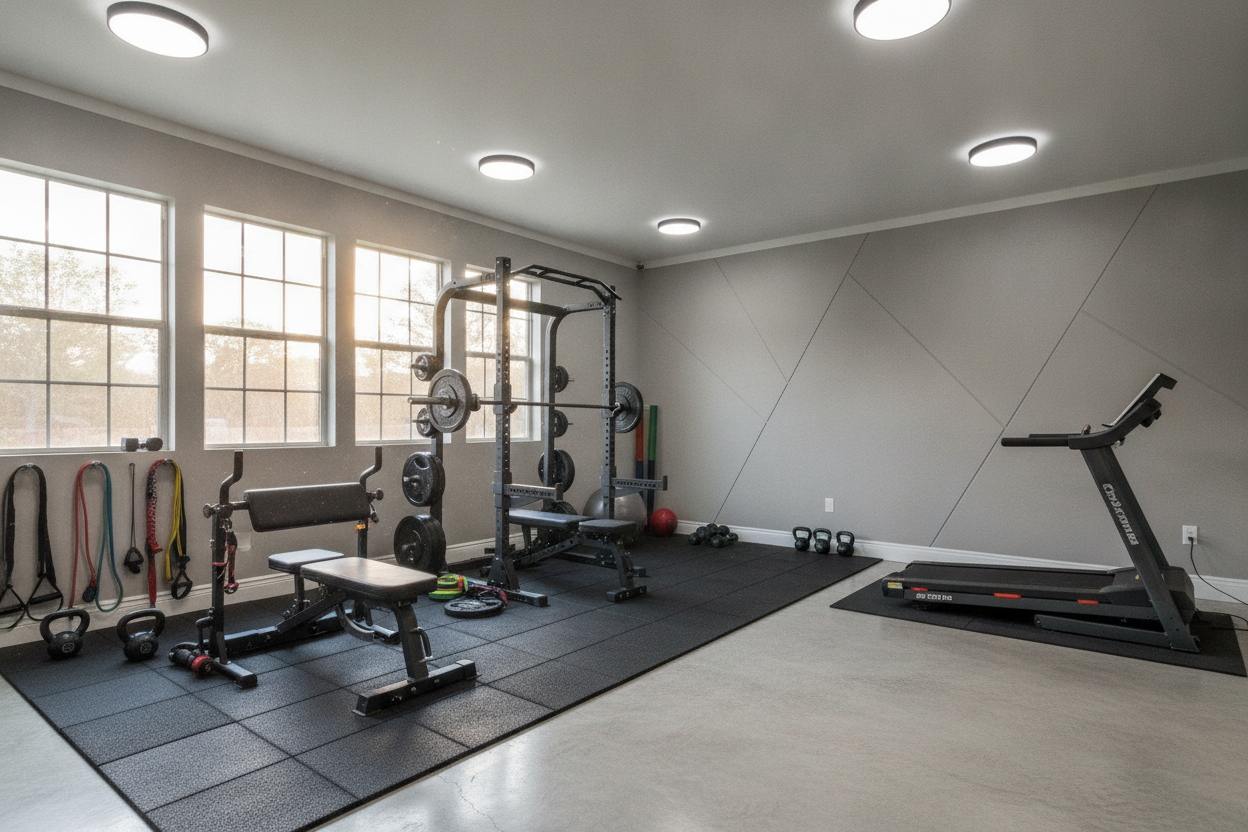
I remember staring at a 100-square-foot corner of my garage, trying to figure out how to fit a hack squat machine and a cable crossover. My local gym had just hiked its prices again, and I was convinced I needed every single piece of bodybuilder tools I’d used at the commercial spot to keep my gains from evaporating. I spent hours scrolling through forums, comparing the footprint of leg presses versus the utility of a power rack, only to realize I was making a massive mistake.
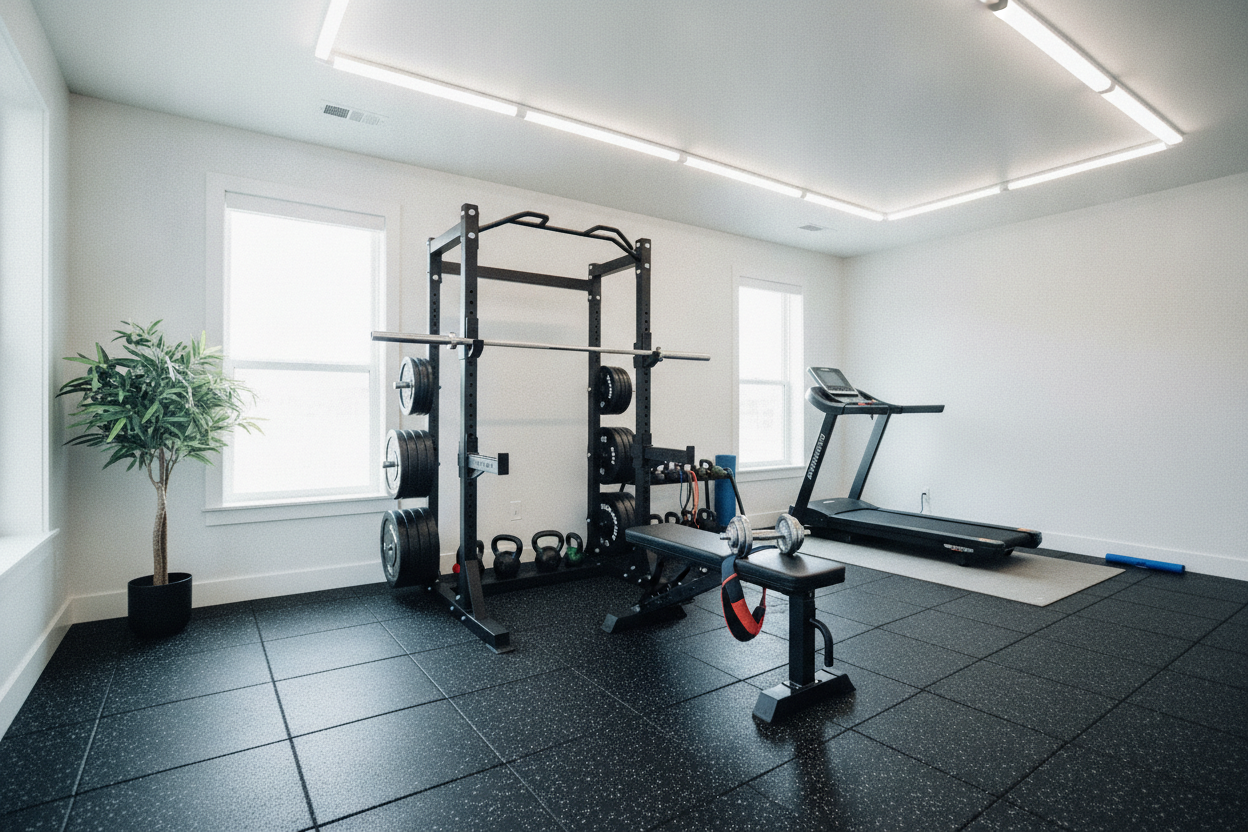
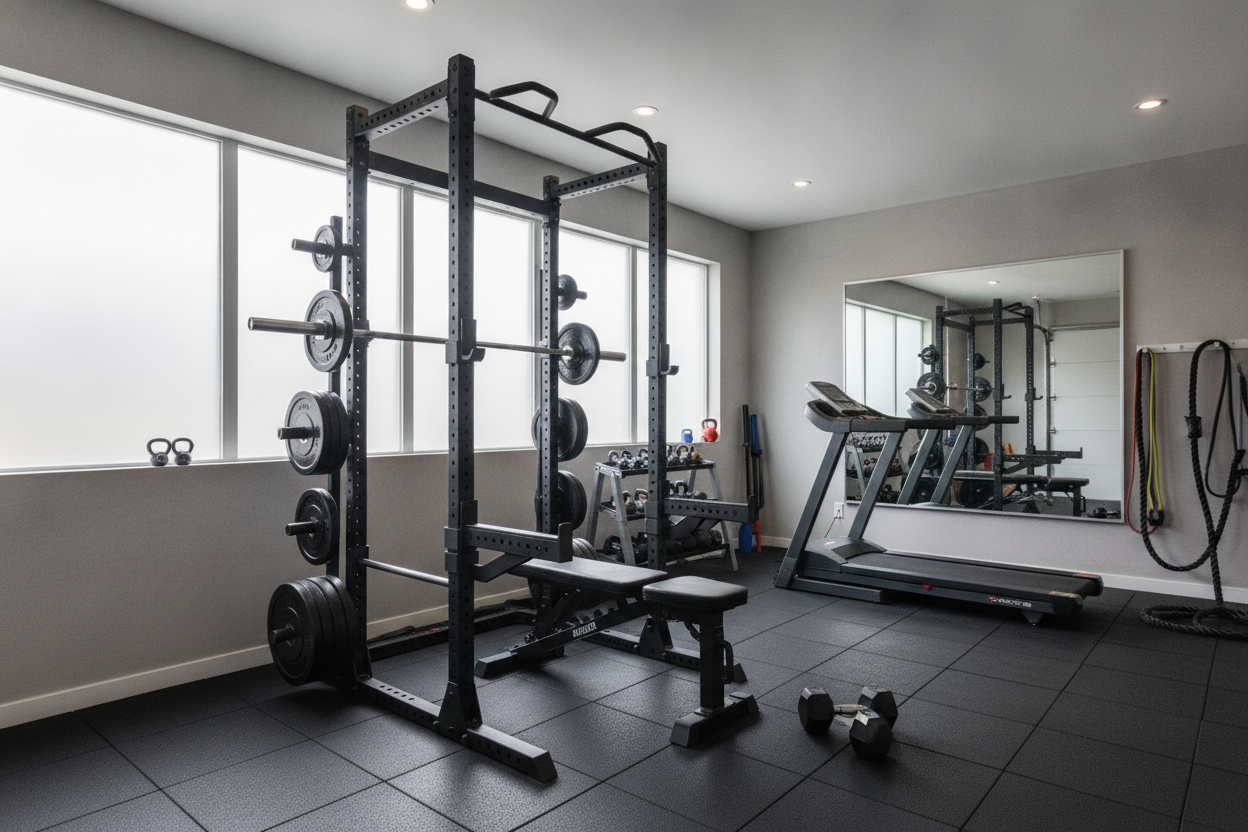
The truth is, most of us don't have a 5,000-square-foot warehouse. We have a two-car garage or a spare bedroom. When you're tight on space, every square inch has to earn its keep. You don't need a sea of chrome to get big; you need a smart selection of must haves for home gym bodybuilding that prioritize tension and versatility over single-use flair.
Quick Takeaways
- Skip the single-use machines like seated calf raises; use a block and a barbell instead.
- Invest in a high-quality adjustable bench with at least a 1,000-lb weight capacity.
- A functional trainer or a high-low pulley is the most versatile piece of bodybuilding tools you can own.
- Don't buy a full run of fixed dumbbells unless you have a dedicated wall for them; selectorized sets save massive amounts of floor space.
The Trap of Commercial Gym Nostalgia
We’ve all been there. You finish a session at a high-end facility and start daydreaming about owning that specific plate-loaded row machine. But trying to replicate a commercial facility inside a residential footprint is a recipe for a cluttered, unusable mess. Most bodybuilding home gym equipment sold to consumers is actually 'prosumer' gear that takes up 40 square feet to do one thing.
The nostalgia for that specific chest-supported row machine often leads to buying gear that ends up as a very expensive coat rack. In a garage, you aren't just a lifter; you're a floor-space manager. If a piece of equipment doesn't allow for at least three different exercises, it’s probably not the right fit for your bodybuilding home gym setup. You have to stop thinking about what looks cool on Instagram and start thinking about your actual training volume and how much room you have to move between sets.
The Minimalist Body Building Kit: What You Actually Need
If I were starting over today with a blank slab of concrete, my body building kit would be lean and mean. First on the list is a heavy-duty adjustable bench. I’m talking about something with a 2-inch gap and zero wobble—if the bench shakes when you’re pressing 100-lb dumbbells, your CNS will limit your output. I spent months testing the best weight equipment for home gym setups and found that most 'budget' benches are built for 150-lb lifters, not someone moving serious weight.
Next, you need home gym equipment bodybuilding enthusiasts actually use: a solid pulley system. Whether it’s a wall-mounted cable tower or a functional trainer, you need that constant tension for flyes, pushdowns, and face pulls. Pair this with a set of selectorized dumbbells—like the Nuobells or PowerBlocks—that go up to at least 80 lbs. This setup covers 90% of your hypertrophy needs without eating up your entire floor. This is the foundation of a real bodybuilding home gym setup that actually works in a residential space.
3 Bodybuilder Tools That Are Total Space Wasters
Let's get honest about the bodybuilding tools that look great but perform poorly in a home environment. First up: the dedicated seated calf raise. It’s a huge footprint for a muscle group you can hit by standing on a 2x4 with a barbell on your back. Unless you're a pro-level competitor, it's a waste of three square feet.
Second is the dedicated preacher curl bench. I love a good pump as much as the next guy, but you can easily replicate this by setting your adjustable bench to a high incline and leaning over the back of it. It’s the same angle, same stretch, and zero extra floor space used. Finally, be wary of the massive leg extension/curl combos. Unless it’s a high-end plate-loaded version with a small footprint, many of these home-grade machines have terrible strength curves that drop off at the top of the movement.
How to Hack Hypertrophy Without the Heavy Machinery
You don't need a $3,000 Prime row machine to get a massive back. You can use resistance bands to add accommodating resistance to your standard barbell rows, which actually helps you mimic bodybuilding in gym chains at home by keeping the tension high where the lever arm is weakest. It’s about being creative with the tools you have.
Using unique angles on your adjustable bench or adding a $20 pair of D-handles to your cable setup can change the entire feel of a movement. I’ve found that a simple set of fat grips can turn a standard pull-up bar into one of the best forearm and bicep tools in my arsenal. These small tweaks allow you to isolate muscles effectively without needing a 400-lb machine for every body part.
The Verdict on Outfitting Your Space for Size
Building a physique at home is about efficiency. When choosing the best home gym equipment for bodybuilding, ask yourself if the piece of gear will still be useful three years from now when you're 20 lbs heavier. Prioritize stability, cable tension, and adjustable angles over specialized machines.
My advice? Start with a rack, a bench, and cables. Master those before you even think about adding niche bodybuilder tools. Your progress depends on the intensity of your sets, not the number of different machines you can sit in. Keep your floor clear, your weights heavy, and your focus on the pump.
My Personal Lesson: The Smith Machine Mistake
A few years ago, I found a used Smith Machine for a steal—only $300. I thought it would be the ultimate addition for high-volume quad work. Within two months, I hated it. It took up nearly 30% of my usable floor space, and because it was a cheaper model, the guide rods were sticky. I ended up avoiding it and going back to my barbell. I eventually sold it for $200 just to get my floor space back so I could actually breathe during my workouts. Don't buy for the 'deal,' buy for the utility.
FAQ
Can I build pro-level legs without a leg press?
Absolutely. High-volume Bulgarian split squats and heavy front squats will build more slab than almost any machine. If you need that 'locked-in' feel, look into a sissy squat bench—it has a tiny footprint and hits the quads like a hammer.
Are selectorized dumbbells worth the high price?
Yes, for bodybuilding specifically. You need to do drop sets and supersets. Changing plates on a loadable dumbbell kills your heart rate and your pump. Spend the money on a set that changes in seconds.
Do I really need a power rack for bodybuilding?
You need a way to safely squat and press. If you aren't doing heavy compounds, you can get away with a half-rack or even heavy-duty squat stands, which saves a lot of room for your cable setup.