Why Most Beginner Fitness Plans Are Actually Intermediate
I remember my first attempt at a 'starter' program. I bought a set of cheap cast-iron plates that smelled like a machine shop and tried to follow a PDF I found online. By day three, my knees felt like they were filled with crushed glass and I couldn't sit on a toilet without holding onto the sink. Most beginner fitness plans fail because they aren't actually for beginners—they are watered-down bodybuilder splits that ignore the reality of untrained joints and zero-base habits.
- Most 'starter' plans are too high-volume for day-one novices.
- Joint and tendon preparation is more important than muscle growth in the first month.
- The first two weeks should be about the habit of showing up, not the intensity of the lift.
- Mastering bodyweight movement on a solid floor is the prerequisite for the barbell.
The 'Day One' Trap That Derails Your Progress
The fitness industry has a volume problem. You see an influencer post a workout plan for beginners at gym that involves five sets of squats followed by three types of lunges. For someone who hasn't trained in years, that isn't a 'start'—it is a recipe for crippling soreness that kills motivation by week two. Your muscles might be able to handle the load, but your connective tissue isn't ready for that kind of repetitive stress yet.
We call this the 'Day One Trap.' You go too hard because you're motivated, you can't walk for four days, and you miss your next three sessions. Suddenly, your new lifestyle is over before it began. A real workout routine for starters should leave you feeling like you could have done more, not like you need a wheelchair to get to the car.
Enter 'Phase 0': The Pre-Routine You Actually Need
Before you jump into a six-week transformation, you need a 'Phase 0.' This is a two-week block where the only goal is establishing the mechanical habit of moving. You aren't worried about progressive overload or hitting personal bests. You are focused on a workout routine at home for beginners that builds movement quality without the ego of the weight room.
During Phase 0, keep it simple: air squats, pushups against a wall or bench, and basic planks. If you can't commit to 20 minutes of movement in your living room, you aren't going to commit to an hour at the local warehouse gym. This phase is about proving to yourself that you can stick to a schedule. It’s the 'boring' work that makes the 'exciting' work possible later.
Making the Floor Your Best Piece of Equipment
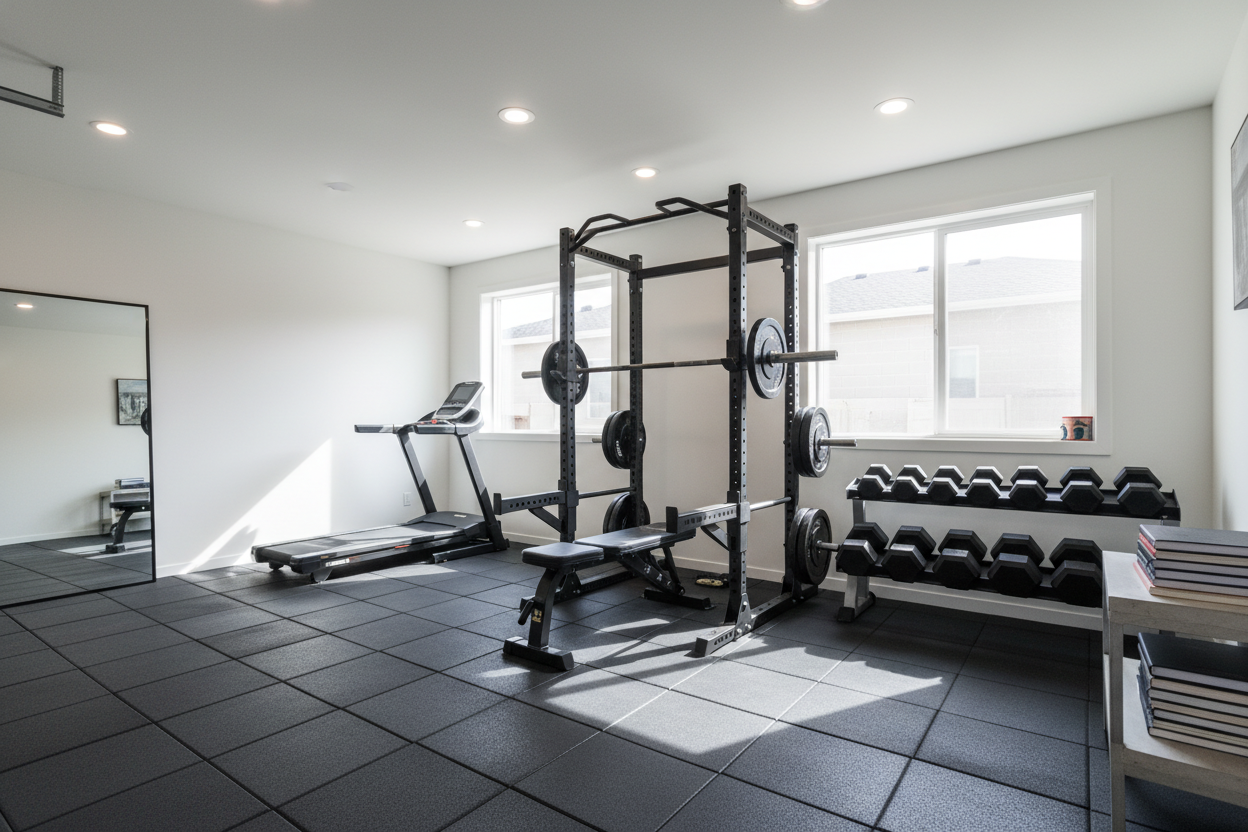
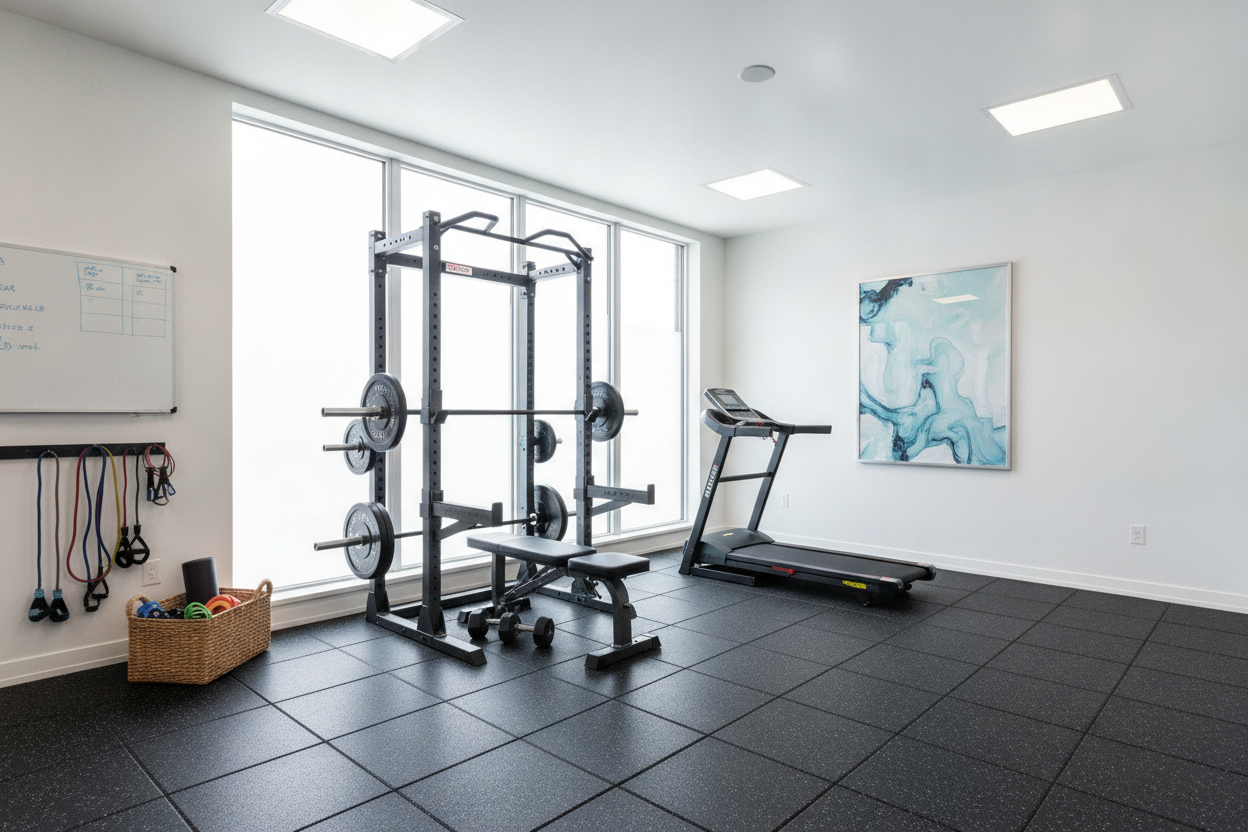
I see people spend thousands on a power rack before they can even do a proper bodyweight hinge. Your floor is the most versatile tool you own. For Phase 0 mobility and core work, I recommend getting a spacious exercise mat. Having a dedicated 6x8 ft space that stays put—unlike those thin, sliding yoga mats—gives you the psychological 'zone' to focus on your form.
Mastering your bodyweight on a stable surface is mandatory. If you can't control your spine during a bird-dog or a glute bridge on the mat, you have no business putting 135 pounds on your back. Use this time to feel how your joints move and where your tight spots are. It's cheaper than a chiropractor.
When Are You Ready to Graduate to Real Weights?
Graduation isn't about a date on the calendar; it's about physical benchmarks. You are ready to move on to more structured beginner exercise routines when you can complete 15 perfect air squats with your heels glued to the floor and hold a 45-second plank without your lower back sagging. Most importantly, you're ready when you haven't missed a scheduled Phase 0 session for 14 days straight.
Once those boxes are checked, you've earned the right to pick up a dumbbell. You'll enter the gym with a base of stability that most 'beginners' lack, meaning you'll actually keep making gains while everyone else is sidelined with tendonitis.
My Honest Take on Starting Out
I once tried to start a high-intensity 'beginner' program while I was working 60 hours a week and sleeping five hours a night. I lasted exactly eight days. I bought all the gear—the belt, the shoes, the supplements—and it all sat in my garage as a monument to my failure. I didn't fail because I was lazy; I failed because I tried to run an intermediate program with a novice's recovery capacity. Don't make that mistake. Start so small it feels easy.
Beginner Fitness FAQ
How long should a beginner workout last?
In the first two weeks, 15 to 20 minutes is plenty. The goal is frequency and habit formation, not exhaustion. You can scale up to 45-60 minutes once your joints adapt to the movement patterns.
Do I need a gym membership to start?
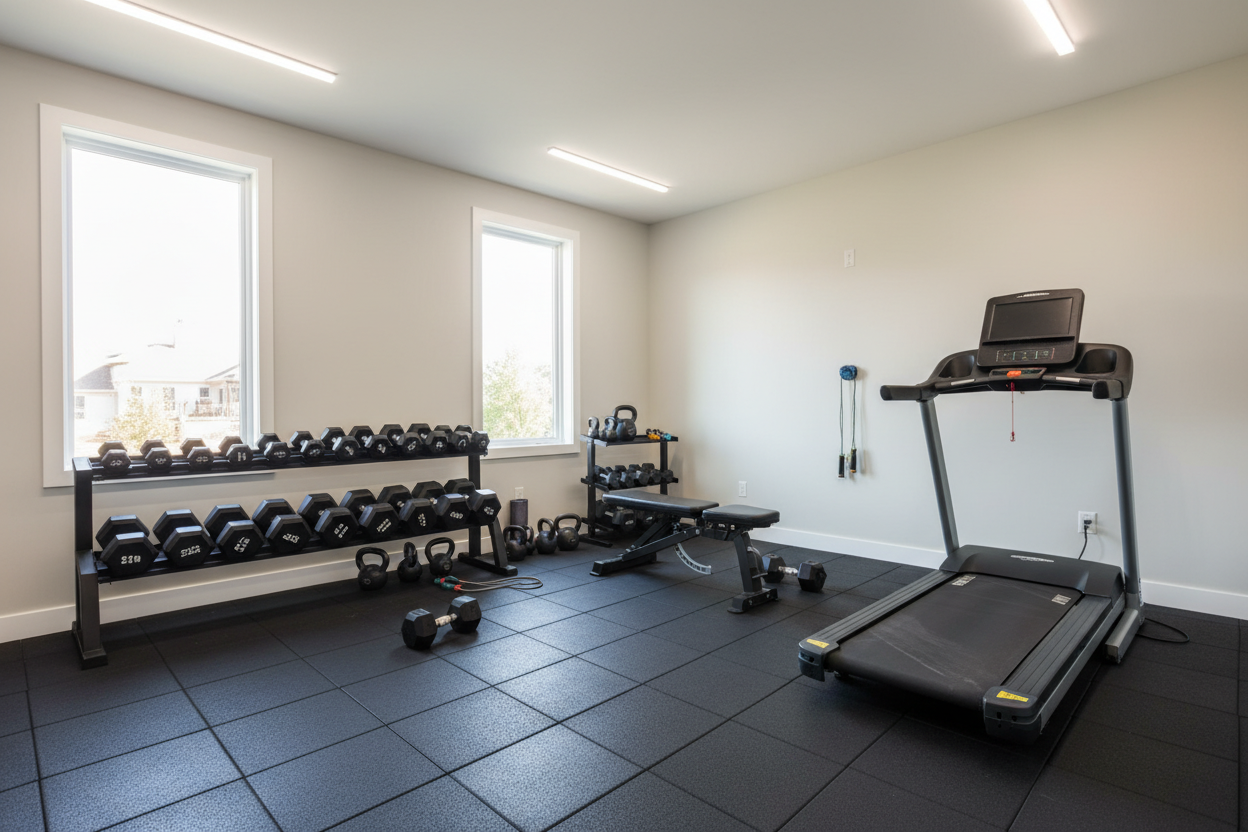
Absolutely not. You can build a massive amount of foundational strength at home with bodyweight exercises and a few basic tools. Only join a gym once you've outgrown the resistance your own body provides.
Should I do cardio or weights first?
For most people, a mix is best, but don't overcomplicate it. If you enjoy walking, do that on your 'off' days. Focus your main sessions on resistance training to build the metabolic engine that keeps you lean and strong long-term.