Why 'Leg Day' Is a Trap: A Better Full Body Senior Workout
I've spent a lot of time in commercial gyms watching guys my age try to follow a 1970s bodybuilding routine. It is painful to watch. They hit chest on Monday, back on Tuesday, and by Wednesday, they are too sore to move, so they quit. If you want to keep your independence and actually enjoy your retirement, you need a full body senior workout that treats your body as a single unit, not a collection of parts.
- Body-part splits are for 20-year-old bodybuilders, not for longevity.
- Frequency beats intensity when it comes to maintaining muscle mass.
- You only need four movement patterns: push, pull, squat, and hinge.
- Training 2-3 days a week is the sweet spot for recovery and joint health.
The Problem With Body Part Splits at 65
The idea of 'Leg Day' or 'Arm Day' is a marketing leftover from the Golden Era. For a 65-year-old, it is a trap. If you only train your legs on Monday and then life happens—the grandkids visit or your back feels stiff—you might go two weeks without hitting your lower body again. That is exactly how muscle loss and frailty start to creep in.
Isolating muscles in a full body workout for seniors is also just plain inefficient. Your body does not pick up a grocery bag with just its biceps; it uses your legs, your core, and your back in unison. Training those parts in isolation fails to teach them how to work together, which is the primary goal of functional strength training.
Why Hitting Everything at Once Actually Works
When you use whole body exercises for seniors, you trigger muscle protein synthesis across your entire frame several times a week. Instead of destroying your chest once a week, you are stimulating it three times with lower volume. This leads to better retention of lean mass without the debilitating soreness that keeps you on the couch.
A total body workout for seniors also keeps your joints lubricated. Moving through a full range of motion frequently is much better than doing 15 sets of one movement and causing localized inflammation. By focusing on the best exercises for a full body workout, you get more 'bang for your buck' in a 45-minute session than most people get in two hours of machine circuits.
The 4 Non-Negotiable Movements You Need
Stop looking for the latest 'miracle' machine at the big box gym. You really only need four movements to build a full body workout seniors routine that actually matters. If you can push, pull, squat, and hinge, you are covered for life.
The Push (Overhead or Horizontal)
I am tired of seeing toning exercises for seniors that involve 2-lb plastic dumbbells and 50 reps of nothing. To keep your bone density, you need to push something with actual weight. Whether it is a dumbbell floor press or a standing overhead press, you are building the triceps, shoulders, and chest. If you cannot put a heavy suitcase in an overhead bin, you are losing your freedom.
The Pull (Rows and Carries)
Pulling is the antidote to the 'senior slump.' Gravity wants to pull your shoulders forward and your head down as you age. Dumbbell rows and farmer’s carries (walking with heavy weights in your hands) force your upper back to stay engaged. It is the most underrated part of a full body workout for older adults.
The Squat (Box or Chair)
The squat is the king of full body workout for elderly routines. If you cannot get off a toilet or out of a low car, you are in trouble. I always start my clients with box squats—sitting down on a bench and standing back up without using your hands. It trains the central nervous system to drive through the heels and stay stable.
The Hinge (Deadlift Variations)
People are terrified of deadlifts, but a hinge is just learning how to pick up a laundry basket without blowing out your back. Using total body exercises for older adults like the Romanian deadlift (RDL) builds the hamstrings and glutes. Keep the weights close to your shins and feel the stretch in your hamstrings, not your spine.
Setting Up Your Living Room for Success
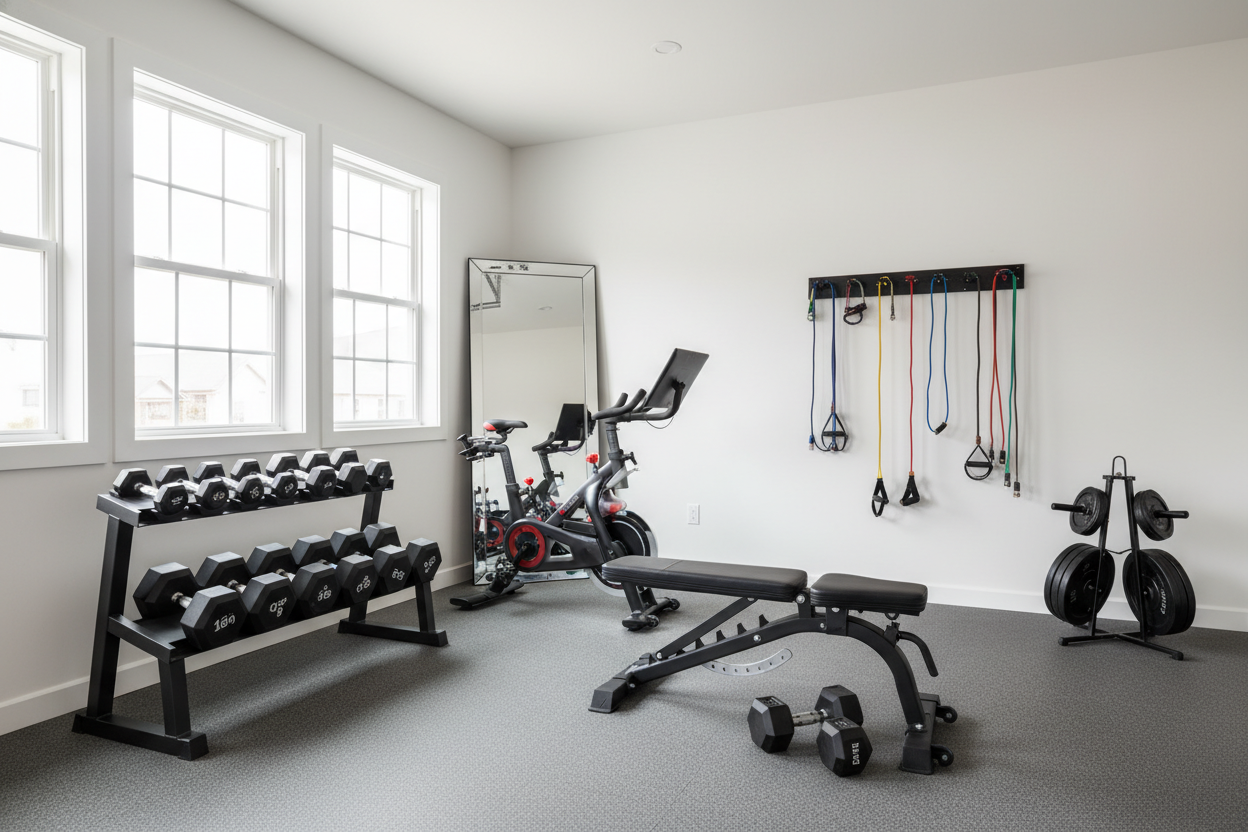
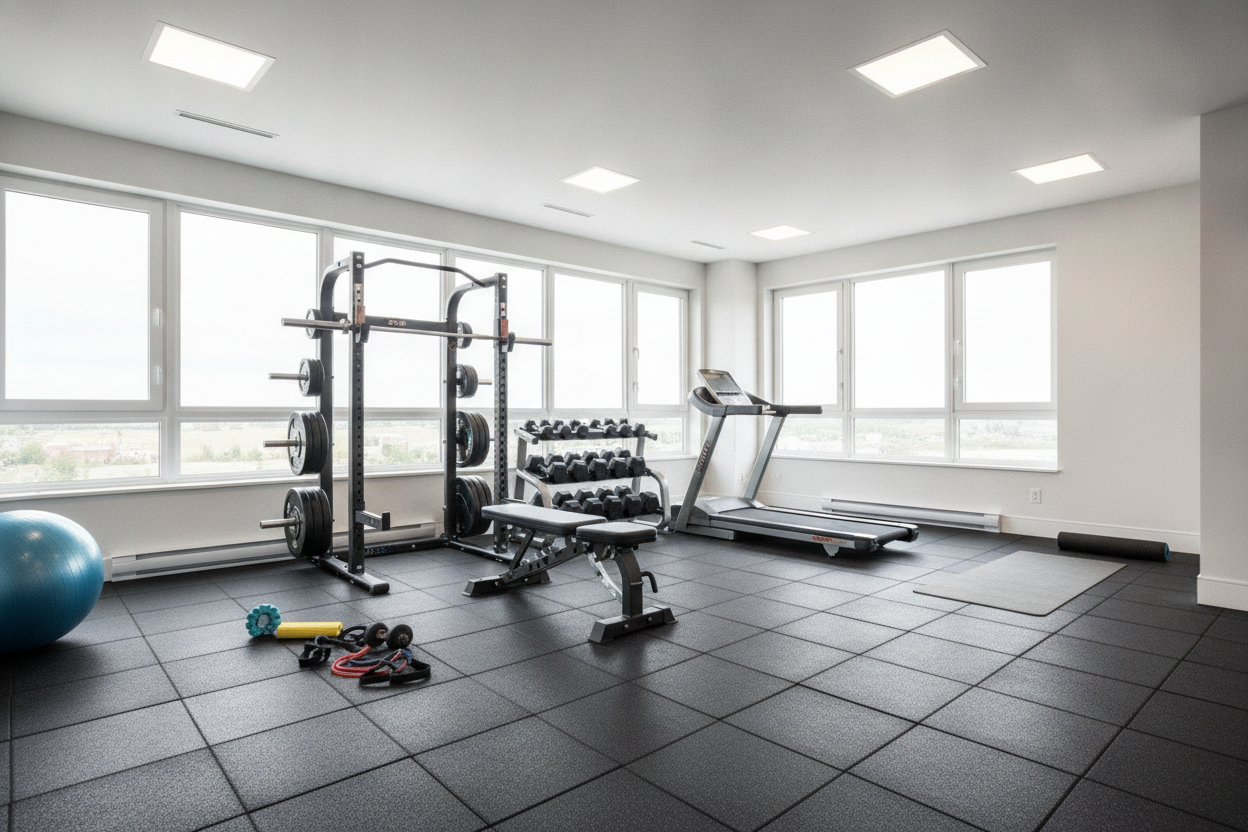
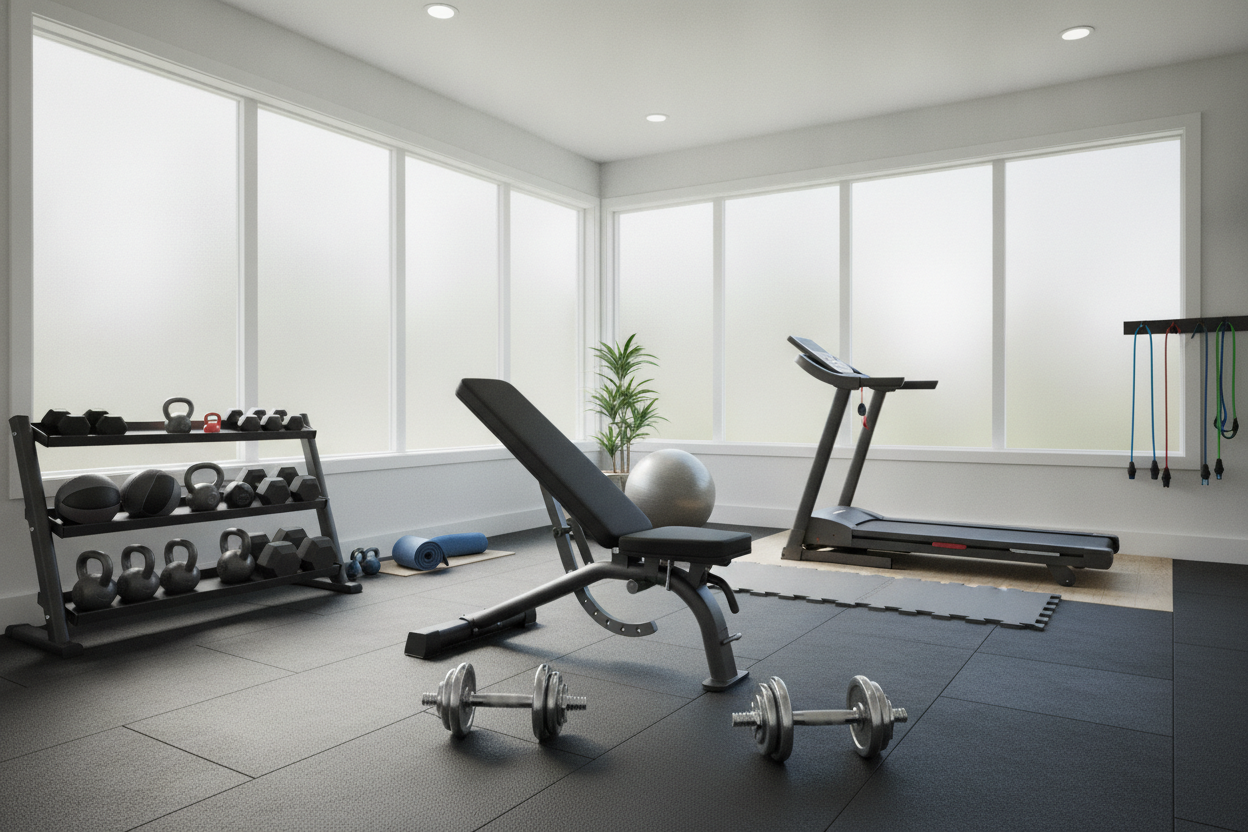
You do not need a $100-a-month gym membership for this. A pair of adjustable dumbbells and a solid surface are all you need. I have seen too many people try to lift on a slippery hardwood floor or a plush carpet. You need a high-traction exercise mat gym flooring for home workout to ensure your feet do not slide when you are holding 30 pounds.
How Often Should You Do This Routine?
Consistency beats intensity every time. Doing a full body exercise for seniors twice a week is the minimum; three times is the gold standard. This leaves days in between for walking or recovery. If you are looking for specific sets and reps, check out our Workout Hub for a structured plan. Usually, 2 sets of 8-12 reps per movement is plenty.
Is this safe for my joints?
Yes, as long as you prioritize form over weight. Full-body movements actually help joint health by moving them through natural patterns rather than locking them into a machine's fixed path.
Can I do this every day?
I would not recommend it. Your muscles grow while you rest, not while you are lifting. At 60+, recovery takes longer. Stick to 2-3 times a week.
What if I cannot do a squat?
Start with a 'sit-to-stand' from a high chair. As you get stronger, find a lower chair. It is about progression, not perfection.