Why Is Everyone Overcomplicating the Strength Training Basics?
I spent twenty minutes yesterday watching a fitness 'expert' explain why your pinky finger needs to be at a 42-degree angle during a lateral raise to actually see results. It is exhausting. If you are just starting out, you do not need a lab coat or a PhD in biomechanics to master the strength training basics. You just need to move something heavy and do it again next week.
The truth is, most of what you see on social media is noise designed to sell you a subscription to a proprietary app. I have spent years in my garage, testing everything from $5,000 power racks to rusty dumbbells I found on the curb. You do not need the bells and whistles to get results. You just need a plan that does not make you want to quit after three days.
Quick Takeaways
- Master the four main movements: squat, hinge, push, and pull.
- Prioritize form over the amount of weight on the bar to avoid injury.
- Apply progressive overload by adding small increments of weight or reps weekly.
- Stick to free weights over machines when starting to build stabilizer muscles.
- Consistency is the only metric that actually determines your success.
The Internet Made Lifting Weights Way Too Confusing
Every time I open an app, I see a new 'hack' for your triceps or a 'must-have' supplement that costs more than my monthly grocery bill. This makes an intro to strength training feel like you are trying to learn a foreign language while blindfolded. It should not be that hard.
The basics of weightlifting have not changed since the 1970s. You pick a weight up, you put it down, and you eat enough protein to let your muscles recover. If you are feeling overwhelmed, it is because people are trying to sell you complexity. Simplicity is free, and in the gym, simplicity is what actually builds a foundation that lasts.
What Actually Matters When You Pick Up a Weight?
When you start your weight lifting introduction, the goal is not to see how much you can struggle through for one rep. It is about learning how to control a load through a full range of motion. I have seen guys at commercial gyms ego-lifting 315 lbs on a bench press with a three-inch range of motion. They are not getting stronger; they are just auditioning for a shoulder surgery.
The basics of weight training come down to tension and consistency. Your muscles do not know if you are lifting a fancy chrome dumbbell or a heavy rock; they only know that they are being challenged. If you show up three times a week and move through your exercises with intent, you are already ahead of 90% of the people who buy a gym membership in January and quit by February.
Form First, Ego Last
Before you even think about stacking plates, you need to master the movement path. Whether you are using an empty 45-lb barbell or a pair of 10-lb dumbbells, your form dictates your longevity. I always tell beginners to film their sets. You might think you are squatting deep, but the camera does not lie. Use your introduction to strength training as a phase to build muscle memory, not just muscle mass.
The Magic of Progressive Overload
This is the secret sauce. Progressive overload is simply doing more over time. If you did 10 reps with 20 lbs this week, try for 11 reps next week, or move up to 22.5 lbs. This constant, incremental challenge is what forces your body to adapt. It is the core of weightlifting basics. You do not need a new workout every day; you need the same workout done slightly better than last time.
The Only 4 Movements You Actually Need to Master
You can ignore the 50 different cable variations you see influencers doing. For weight fitness training that actually works, focus on these four patterns: the Squat (legs), the Hinge (glutes and hamstrings), the Push (chest, shoulders, triceps), and the Pull (back and biceps). If your workout includes a variation of each, you have covered your entire body. Everything else is just extra credit.
Gear That Won't End Up Gathering Dust
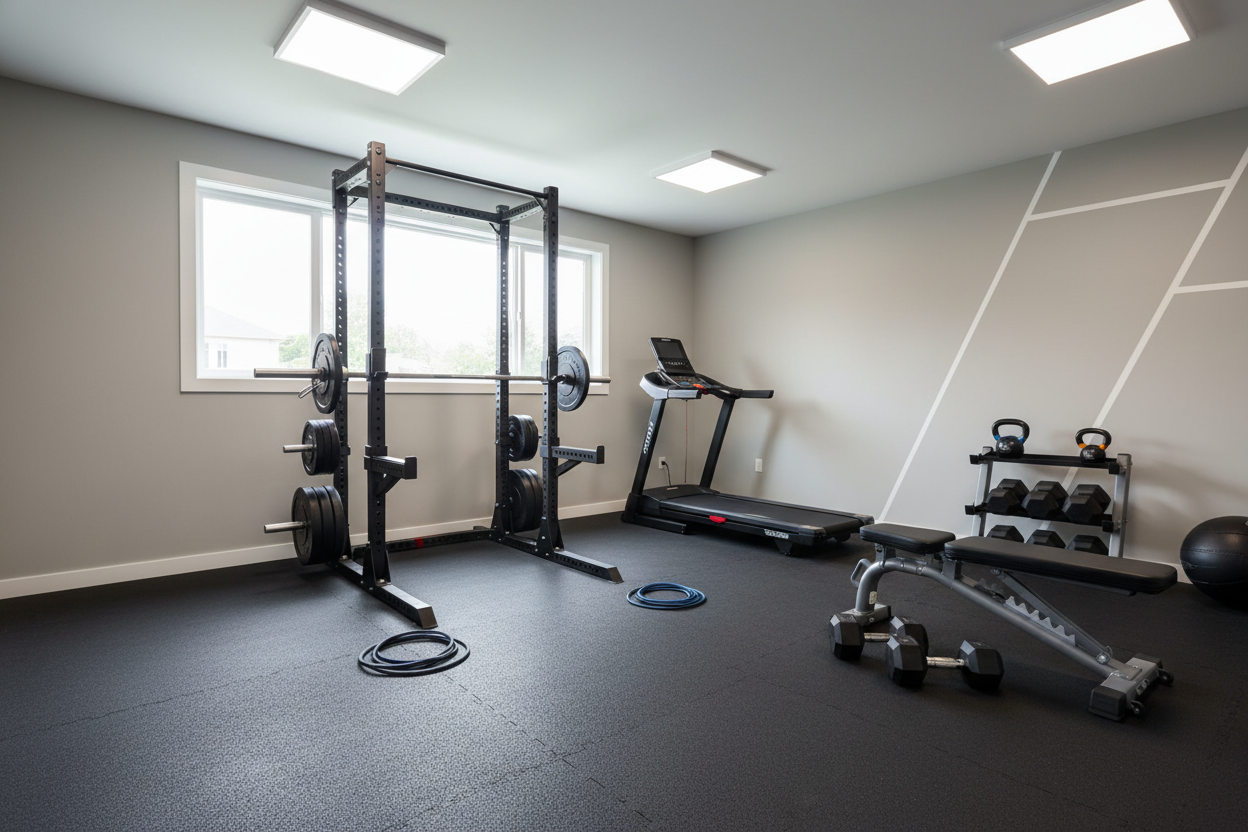
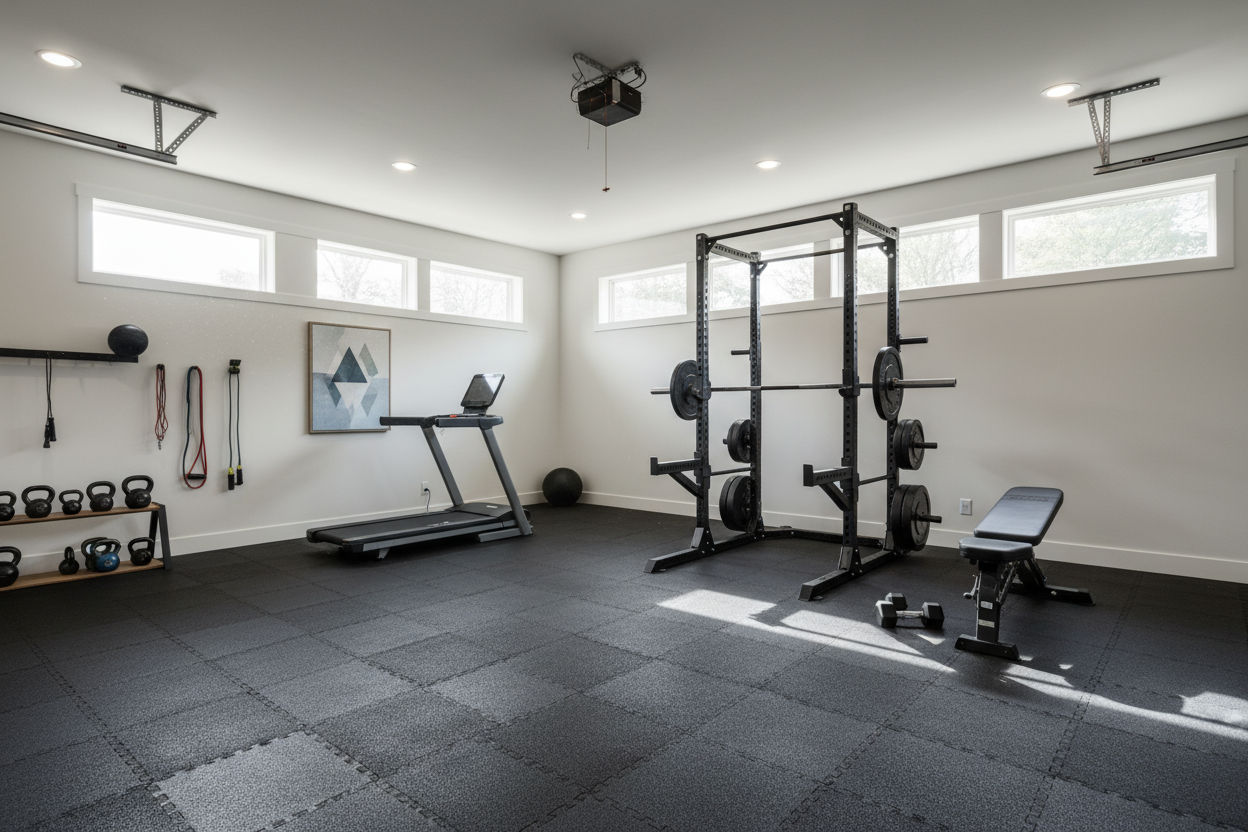
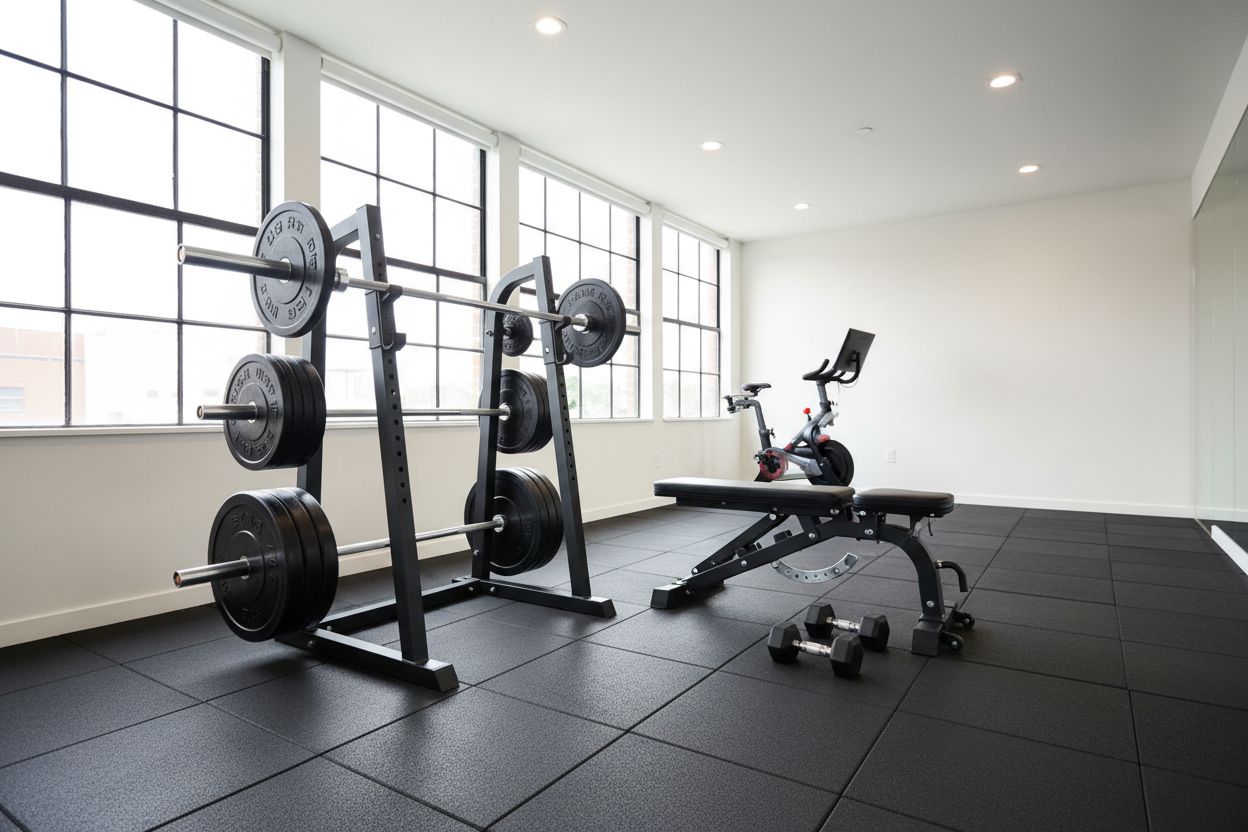
I have a garage full of gear, but I could do 90% of my training with just a few items. If you are building a home setup, start with a solid adjustable weight bench. It is the foundation for everything from chest presses to seated rows. Avoid the temptation to buy complex weight lifting machines that take up half your garage and only do one thing. They are expensive, hard to move, and often limit your natural range of motion.
Instead, look for the best strength and weight training equipment that offers versatility. A set of adjustable dumbbells and a bench can take you through your first two years of lifting easily. Free weights force you to balance the load, which engages more muscle fibers than a machine ever will. Plus, they do not require a maintenance technician when a cable snaps.
How to Build Your First Real Workout Week
Keep it simple: Monday, Wednesday, Friday. Perform one squat variation, one hinge (like a deadlift or bridge), one push, and one pull each session. Do 3 sets of 8 to 12 reps for each. That is it. If you are worried about whether to prioritize cardio or strength training for fat loss, remember that muscle is metabolically active tissue. The more muscle you have, the more calories you burn just sitting on your couch.
Personal Experience: My Biggest Mistake
When I started, I thought I was too good for the basics. I bought a cheap, 1-inch diameter barbell set from a big-box store that bent the second I put 150 lbs on it. I also tried to follow a professional bodybuilder's 6-day split. I burnt out in three weeks and hurt my lower back because I was doing 'advanced' movements I had no business trying. I should have stuck to a 3-day basic program and invested in a decent 2-inch Olympic bar from the start. Don't be like 20-year-old me.
FAQ
Do I need to lift every day?
No. For beginners, three days a week is plenty. Your muscles grow while you rest, not while you are in the gym. If you don't give yourself 48 hours between hitting the same muscle groups, you are just spinning your wheels.
Should I use machines or free weights?
Free weights are generally better for beginners because they build stability and functional strength. Machines have their place for isolation, but they shouldn't be the meat of your program.
How long should my workouts last?
If you are focused, you can get a killer session done in 45 to 60 minutes. If you are spending two hours in the gym, you are likely spending too much time on your phone or doing 'fluff' exercises that don't move the needle.