Why I'll Never Train Without a Power Rack Again: My Journey to Smarter Strength Training
Let me tell you something that changed my entire approach to strength training: the day I realized I'd been holding myself back for years. I was that person who'd hover near the squat rack, mentally calculating whether I could bail safely if things went wrong. I'd skip that extra rep, avoid pushing my limits, and always wonder what I was truly capable of. Then I discovered the difference a proper setup makes—and honestly, it's been game-changing.
When you're serious about building strength, there's no room for second-guessing yourself mid-set. That mental barrier between you and your potential often isn't about capability; it's about safety and confidence. This is exactly where the right equipment comes into play, and why investing in quality gear matters more than most people realize.
The Foundation of Safe Progressive Overload
Progressive overload is the cornerstone of any successful strength program. You need to consistently challenge your muscles with increasing resistance to see real results. But here's the catch: you can't progressively overload if you're constantly worried about getting pinned under a barbell. I learned this the hard way during my own fitness journey.
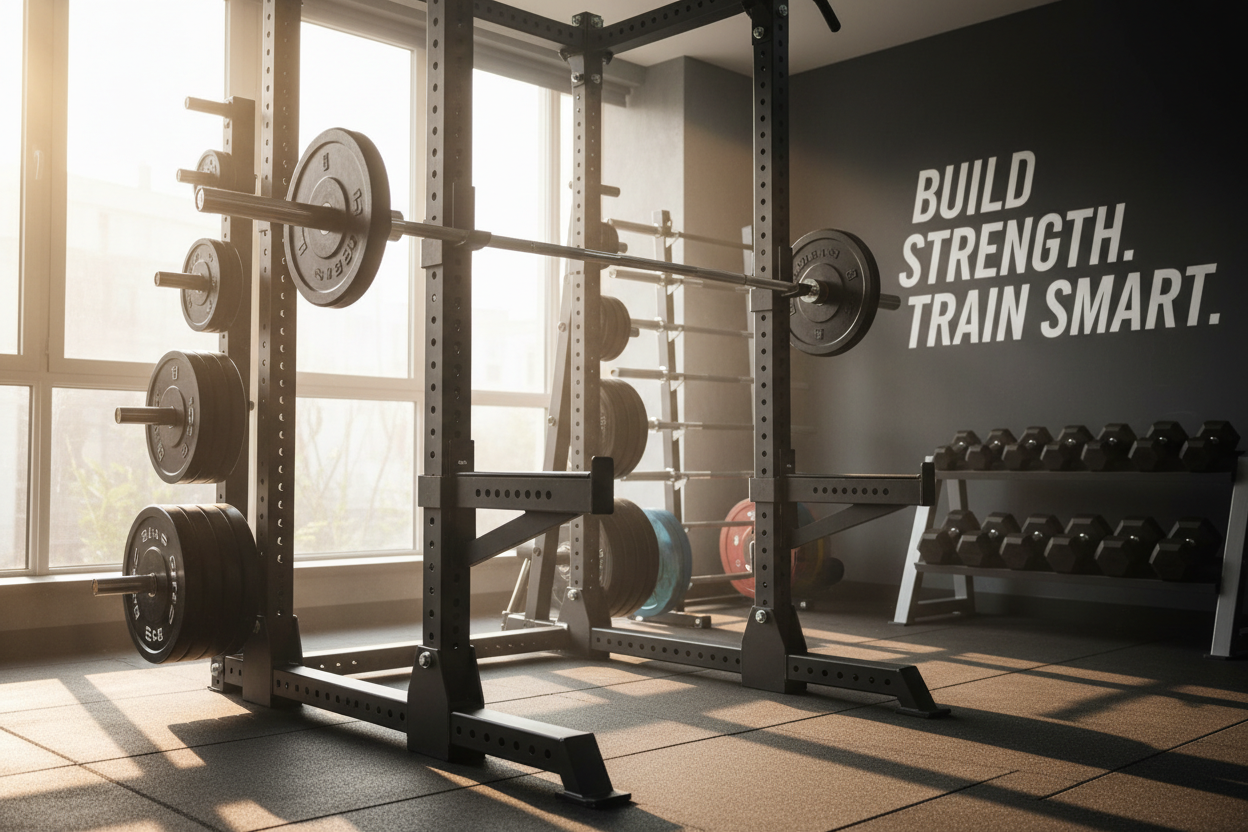
A heavy duty power cage creates an environment where you can truly push yourself. These aren't just fancy frames—they're your safety net, your training partner, and your ticket to breaking through plateaus. The adjustable safety bars catch the weight if you fail a rep, which means you can train to genuine failure without needing a spotter. For someone like me who often trains early mornings when the gym is quiet, this has been absolutely invaluable.
The beauty of training within a cage is the psychological freedom it provides. When you know there's a fail-safe system in place, your entire mindset shifts. Instead of thinking "I hope I can do this," you start thinking "Let's see what I'm actually capable of." That shift in mentality translates directly to better results.
Why Build Quality Actually Matters
I'll be honest—I used to think all power racks were basically the same. Metal frame, some bars, job done, right? Wrong. The difference between a basic rack and heavy duty power racks is like comparing a bicycle to a Land Rover. Both get you from A to B, but one is built to handle serious terrain.
When you're loading up a barbell with significant weight—whether that's 100kg or 200kg—you need equipment that won't wobble, shift, or flex. I remember the first time I squatted heavy in a proper commercial-grade rack versus the wobbly one I'd been using. The stability was incomparable. There was no subtle swaying, no creaking sounds, no moment of doubt. Just solid, reliable support that let me focus entirely on my form and effort.
Heavy duty construction typically means thicker steel tubing, reinforced welds, and a wider base for stability. These features aren't just about holding weight—they're about holding weight safely under dynamic movement. When you're driving up from the bottom of a squat or pressing overhead, forces multiply. Your equipment needs to handle not just the static load, but the momentum and impact of explosive movement.
Versatility That Grows With Your Goals
One of the things I love most about training with a power cage is how it evolves with you. When I first started, I used mine primarily for squats and bench press. Now? It's the hub of my entire strength routine.
Pull-ups, dips, rack pulls, pin presses, floor presses—the exercise variations are nearly endless. You can adjust the safety bars to different heights for partial range movements, which are brilliant for building strength in specific portions of a lift. I use pin squats regularly to work on my drive out of the hole, and rack pulls have done wonders for my deadlift lockout strength.
The versatility extends beyond just exercises. As your strength increases, your training needs change. A quality power rack accommodates this growth. You might start with bodyweight movements and gradually progress to heavy barbell work. The same equipment that supported your first cautious squat will still be there when you're moving serious weight years later.
Training Alone Without Compromise
Here's something that resonates with many of us: life gets busy. Sometimes you can't coordinate schedules with a training partner, or you prefer the focus of solo sessions. This doesn't mean you should compromise on exercise selection or intensity.
With a heavy duty power cage, training alone becomes not just possible, but preferable for many movements. I've had sessions where I've pushed myself harder than I ever did with a spotter, simply because I trusted my equipment completely. The safety systems allow you to explore your true limits without requiring another person to stand by.
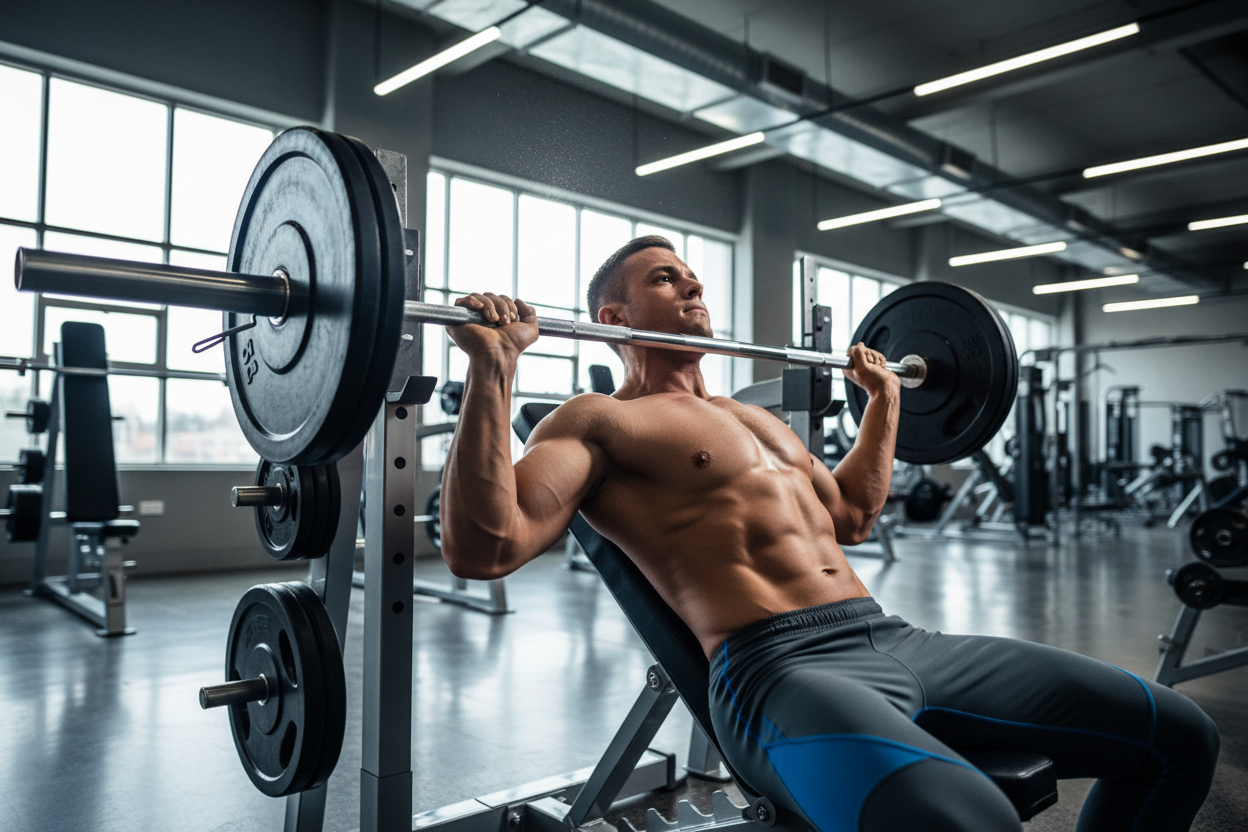
This independence is particularly valuable for bench pressing. It's traditionally the lift where people feel most vulnerable training alone, and rightfully so. But with properly positioned safety bars, you can bench press heavy with confidence. If you can't complete a rep, you simply lower the bar to the safeties. No drama, no danger, no holding back.
Making the Investment Count
I won't pretend that heavy duty power racks are the cheapest option out there. But when I think about cost per use over the years I've been training, it's probably the best fitness investment I've made. This is equipment that doesn't wear out, doesn't need replacing, and doesn't lose value.
Compare this to gym memberships, boutique fitness classes, or equipment that needs regular replacement. A quality power cage is a one-time investment that serves you for decades. It's there at 5 AM when you can't sleep and need to work off some stress. It's there at 10 PM when you've had a long day but still want to get your session in. It's reliable, consistent, and always ready.
When considering which rack to choose, think about your ceiling height, available floor space, and the types of training you plan to do. Look for features like numbered hole spacing for easy adjustment, pull-up bar capacity, and weight rating that exceeds what you'll realistically use. If you're serious about strength training, don't skimp on the foundation of your home gym.
The Confidence Factor
Perhaps the most underrated benefit of training with proper equipment is the confidence it builds. Every time you step into that cage and complete a challenging set, you're reinforcing not just physical strength but mental resilience. You're proving to yourself that you can push boundaries safely and intelligently.
This confidence spills over into other areas of life. When you know you can handle heavy weight under control, when you've experienced the discipline of progressive training, when you've built genuine strength—it changes how you approach challenges outside the gym too.
Your fitness journey deserves equipment that matches your commitment. Whether you're just starting out or you've been training for years, having a solid, reliable setup removes barriers and creates possibilities. That's what proper equipment does—it doesn't just hold weight, it holds space for your potential.