Why I Train My Lats and Delts Together (And You Should Too)
I spent years following the standard bodybuilding split. Chest Monday, Back Tuesday, Shoulders Wednesday. By Thursday morning, my rotator cuffs felt like they had been through a meat grinder and my progress had stalled. I was training my lats and delts on separate days, thinking isolation was the key to that elusive width. I was wrong.
The truth is, your upper body doesn't work in isolation. When I finally stopped treating my back and shoulders like strangers, my V-taper actually started to pop. If you are training in a garage with limited time, stop splitting these groups up. Here is how I combined them to fix my physique and my recovery.
Quick Takeaways
- Training lats and delts together creates a more efficient V-taper stimulus.
- Shoulder stability is heavily dependent on lat engagement.
- Supersetting these groups saves roughly 15-20 minutes per workout.
- Consolidating these muscles prevents the 'constant soreness' trap of traditional splits.
The Bro-Split Trap: Why Separating Back and Shoulders Holds You Back
Traditional splits tell you to hit back on one day and shoulders another. The problem is your rear delts and lats are basically joined at the hip when it comes to movement. If you do heavy rows on Tuesday, your posterior deltoids are already fatigued. When you show up on Wednesday to 'blast shoulders,' you are hitting a muscle that is already half-trashed.
This leads to a cycle of mediocre workouts. You never truly recover, and you never hit either muscle with 100% intensity. In my experience, hitting delts and lats in the same session allows for a dedicated 48-72 hours of total rest afterward. Your joints will thank you, and you will actually be able to add weight to the bar instead of just chasing a painful, unproductive pump.
Lats vs Delts: The Overlap Nobody Talks About
Let's talk biomechanics without the PhD talk. People debate lats vs delts for width, but they are two sides of the same coin. Your latissimus dorsi is the largest muscle in your upper body, and it provides the 'shelf' that your shoulders sit on. If your lats are weak, your scapula won't be stable during heavy overhead movements.
I noticed that my overhead press felt shaky until I started focusing on building 3D delts through the lens of back stability. When you flare your lats, you create a solid base for the deltoids to push from. Think of it like a crane; the lats are the heavy base, and the delts are the arm. You can't have a massive reach without a grounded foundation. Training deltoids and lats together reinforces this neurological connection.
The 'V-Taper' Superset That Changed My Routine
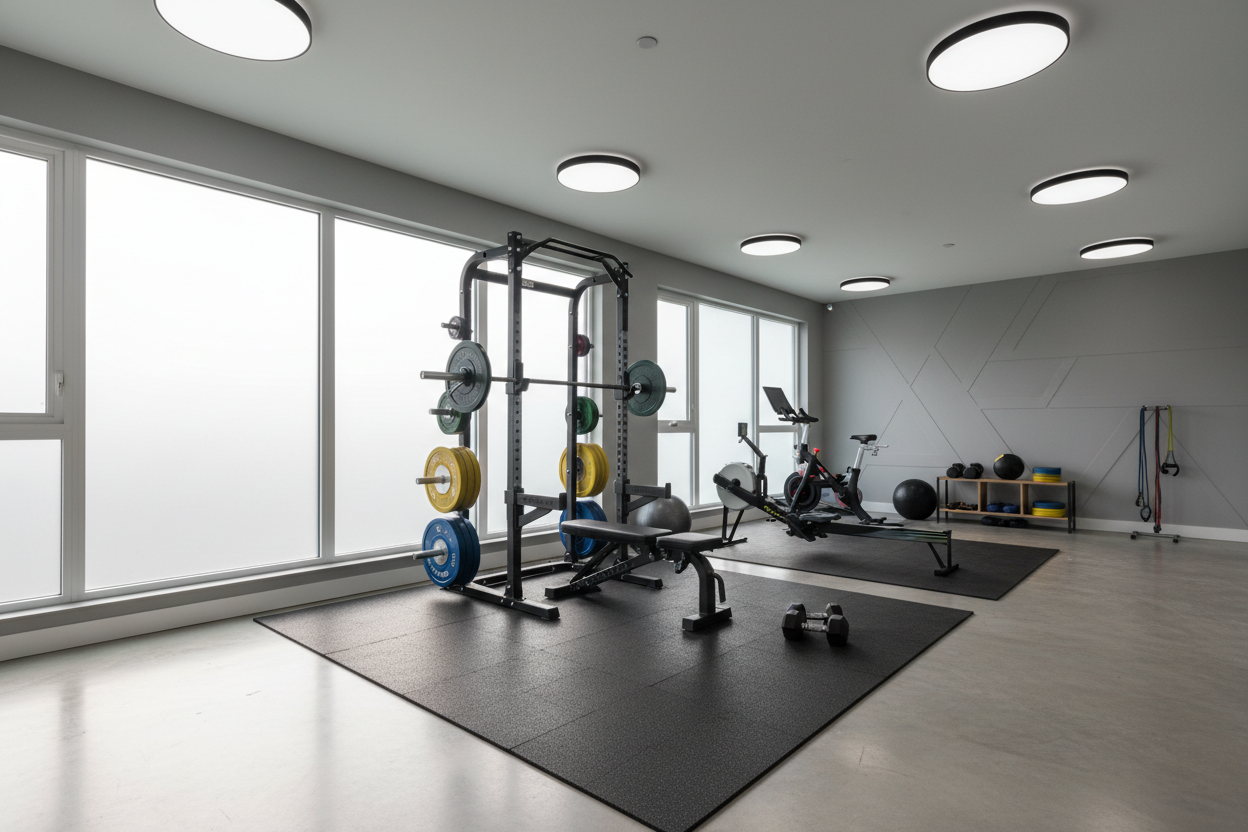
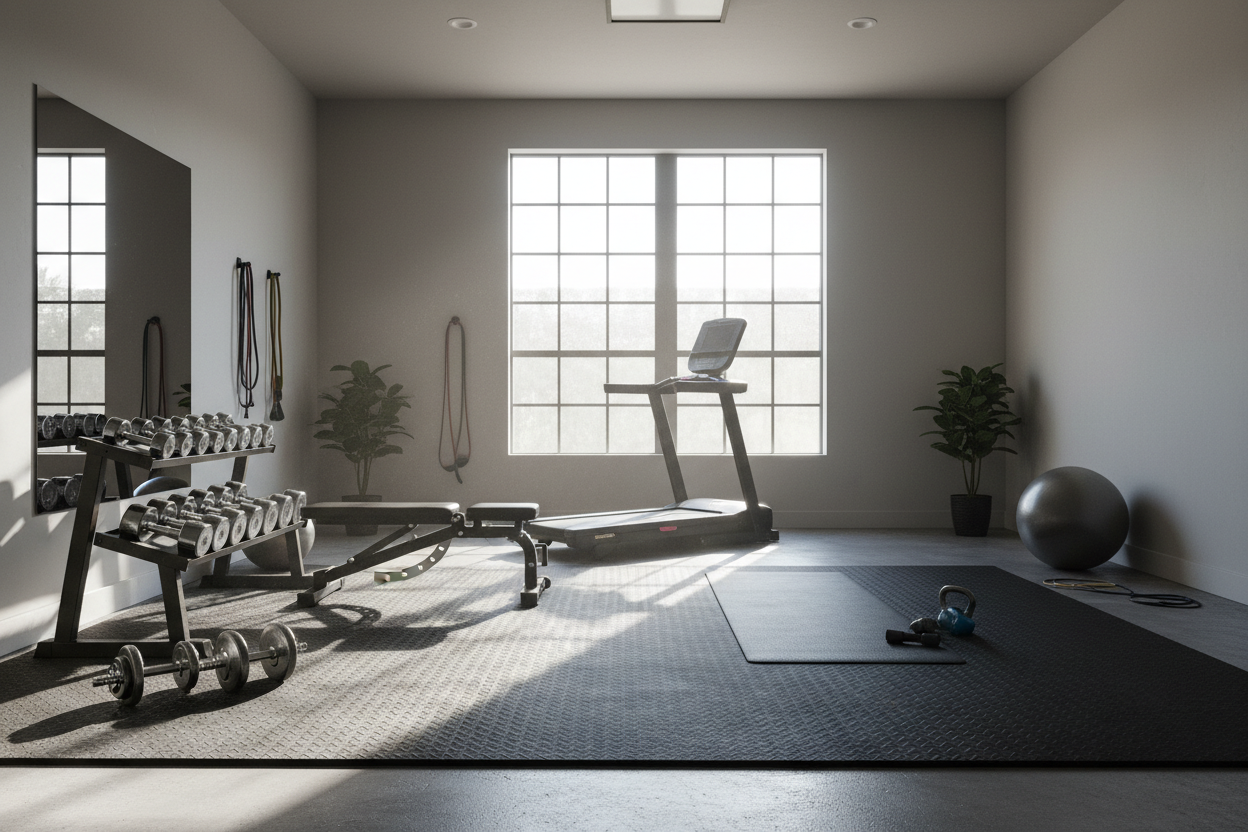
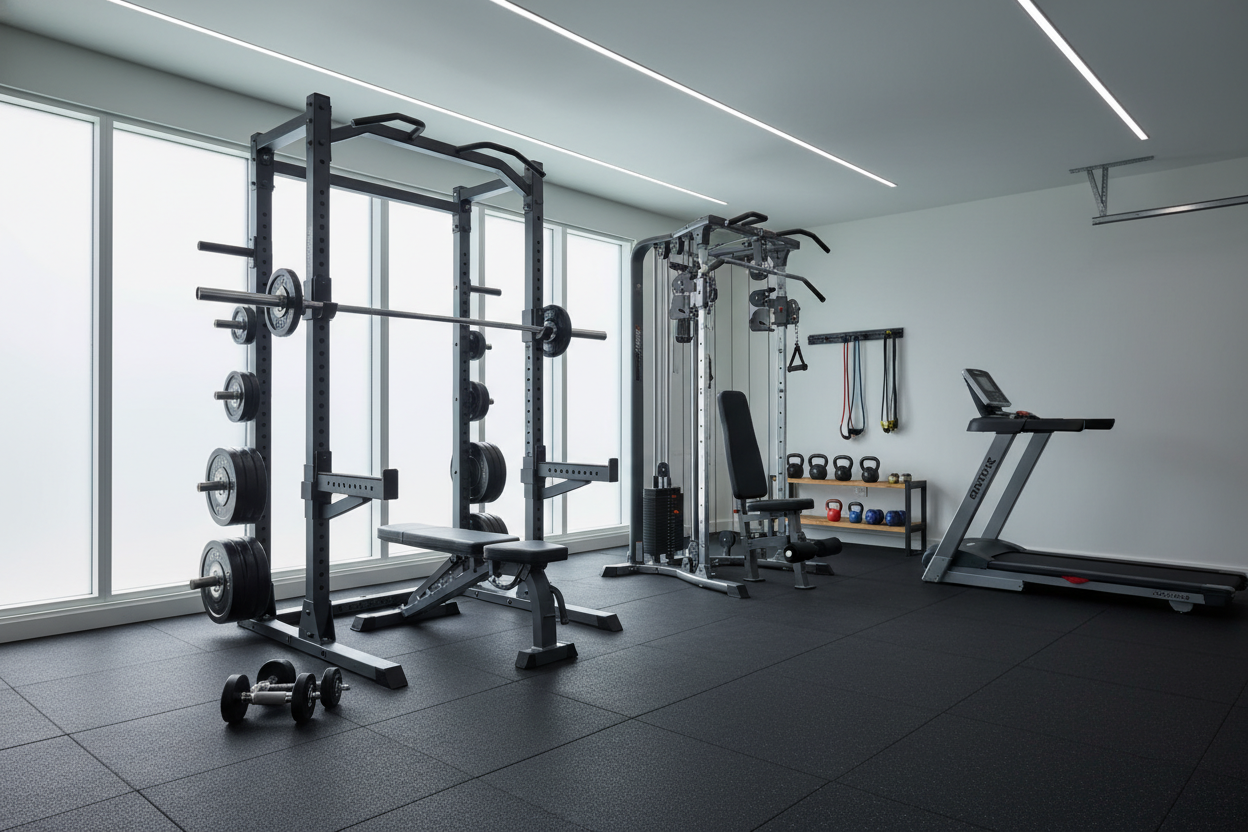
The most effective way to program this in a home gym is through a heavy-to-light superset. I start with a vertical pull, like a weighted pull-up or a heavy lat pulldown, and immediately follow it with a strict lateral raise. You don't need a massive commercial gym setup for this; a solid weight set and bench in your garage is more than enough to get it done.
I usually run 4 sets of 6-8 reps on the pull-ups, followed by 15-20 reps of lateral raises. The lats delts pump is unlike anything else. Because the lats are so much larger, they pull blood into the entire upper torso, which seems to help the smaller deltoid heads feel more engaged. It’s a brutal way to train, but it’s the fastest way I’ve found to add visible width to the frame.
What About Fatigue? Managing Delts vs Lats on Push Days
The biggest concern people have is how this affects their bench press. If you fry your lats and delts on a 'Width Day,' will your 'Push Day' suffer? The key is focusing on the side and rear heads of the delts during your lats vs delts session. Leave the anterior (front) delts for your heavy pressing days.
By shifting side-lateral work to your back day, you keep your shoulders fresh for heavy benching later in the week. I’ve found that my bench actually improved because my shoulders weren’t constantly inflamed from overtraining. It’s about being smart with your volume. If you are doing 10 sets of lats, you only need about 6-8 sets of targeted delt work to see results.
The 10-Minute Lats Delts Finisher
Before you rack the weights and head inside, you need to flush the area with blood. I use a high-rep finisher that combines face pulls with light kettlebell swings or battle ropes. This keeps the heart rate up and ensures the fascia is stretched. If you want to get even more aggressive with your conditioning, you can look into cardio shoulder exercises to really burn out the remaining glycogen.
My go-to is 3 rounds of 50 band pull-aparts and 20 kettlebell swings. No rest. It takes ten minutes, it burns like hell, and it ensures you leave the garage with your lats and delts fully engorged. It’s the difference between a good workout and one that actually forces adaptation.
Personal Experience: My Biggest Mistake
The biggest mistake I made was ignoring my lats during overhead presses. I used to think the press was just a shoulder move. I ended up with a nagging impingement because my shoulders were doing all the work without any back support. Once I started 'tucking' my lats and training them alongside my delts, the pain vanished. My press went from a shaky 135 lbs to a rock-solid 185 lbs in about four months. Don't ignore the foundation.
FAQ
Is it better to train lats or delts first?
Always hit the lats first. They are a much larger muscle group and require more central nervous system energy. Use the delts as the 'accessory' to the heavy back work.
Can I do this with just dumbbells?
Absolutely. One-arm rows and lateral raises are a staple of this style of training. You don't need a cable machine to build a massive V-taper.
How many times a week should I hit this combo?
Twice a week is the sweet spot. It allows for enough volume to grow but gives you enough recovery time so you aren't constantly fighting joint fatigue.