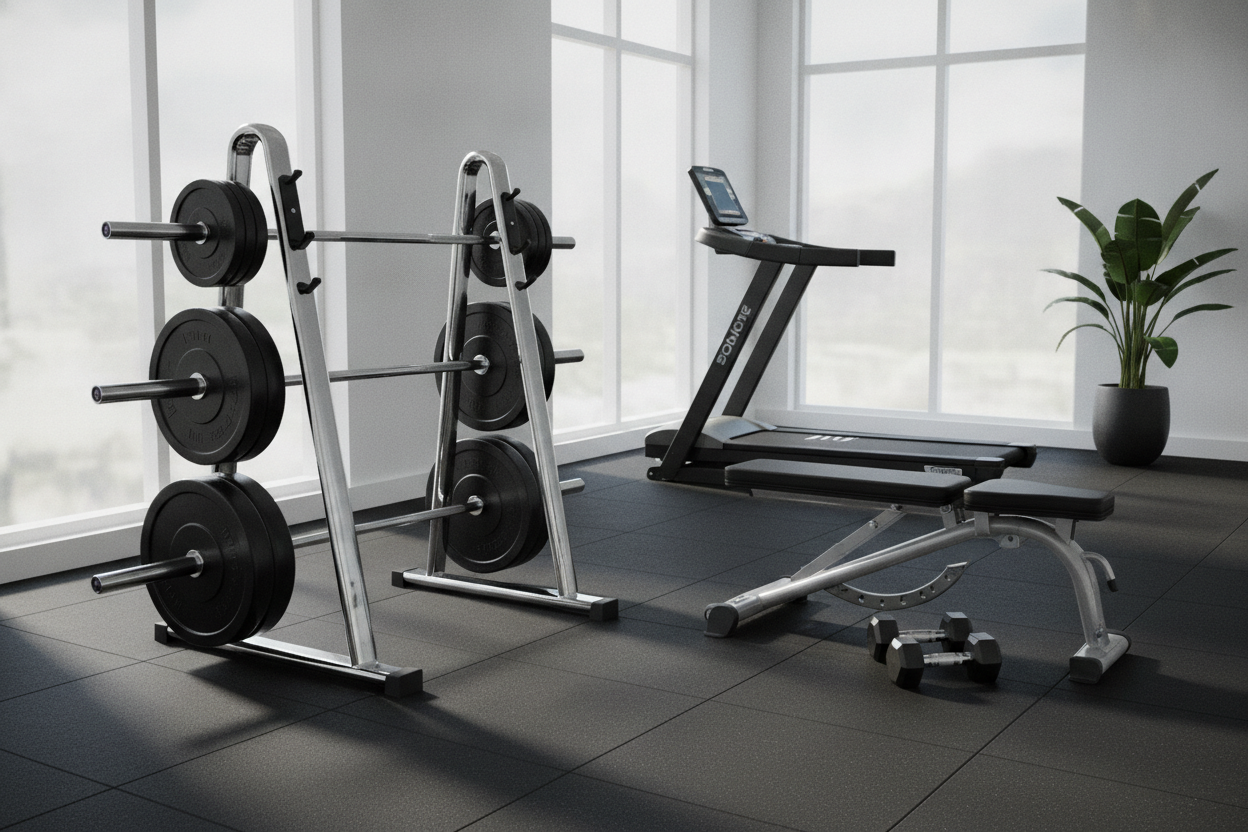
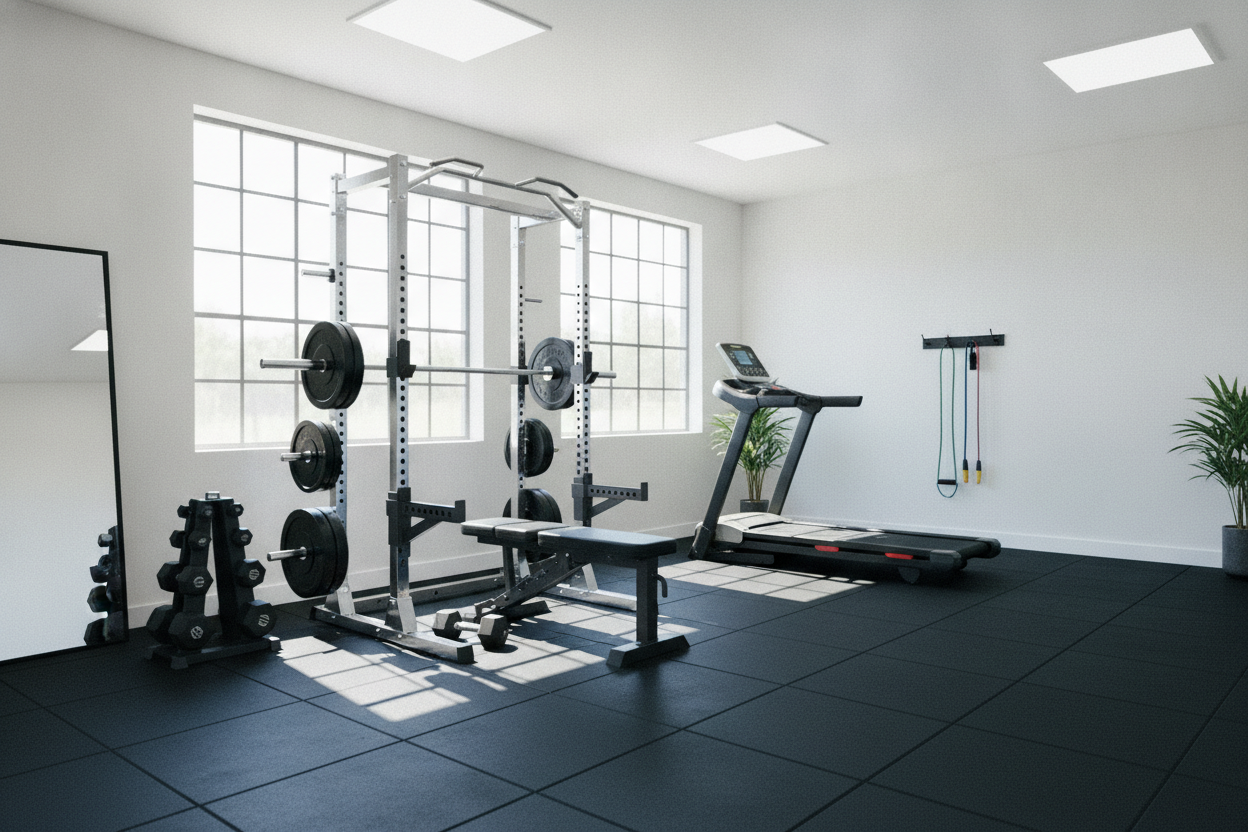
Why I Taped Old-School Exercise Handouts to My Garage Gym Wall
I was halfway through a heavy set of squats when my phone buzzed in my pocket. It wasn't an emergency; it was a notification for a social media comment I didn't care about. By the time I put the phone back down, my rest period had tripled, my heart rate had plummeted, and my focus was shot. That was the day I realized my high-tech tracking was actually killing my gains. I decided to go back to basics with physical exercise handouts and a roll of painter's tape.
Quick Takeaways
- Smartphones are the ultimate distraction in a home gym environment.
- Physical paper allows for total visibility of your entire workout plan at once.
- Analog tracking with a pen and paper builds better mental discipline.
- Removing the screen helps maintain high training intensity and strict rest periods.
Your Smartphone Is Ruining Your Rest Periods
The 'one quick check' of a text message is a lie we all tell ourselves. You open your phone to log a set of presses, see a red notification dot, and suddenly you're three minutes deep into a rabbit hole of fitness memes while your muscles cool down. Intensity is the first casualty of the digital era. If you're serious about moving heavy weight, you need to eliminate anything that breaks your flow.
Using an app feels productive, but it forces you to interface with a device designed to steal your attention. When I switched to paper, my 60-minute workouts magically shrunk to 45 minutes because I wasn't wasting 15 minutes scrolling. I stopped being a consumer and started being an athlete again.
The Case for Printing Your Exercise Handouts
There is something remarkably effective about a printed sheet of paper taped to a squat rack. It reminds me of the old-school rehab sheets physical therapists used to hand out. These documents are clear, concise, and don't require a fingerprint scan to access. I started placing my printed sheet right at the edge of my large exercise mat for home gym setups. It allows me to check my next move mid-stretch without fumbling for a device with sweaty hands.
Total Visibility, Zero Scrolling
When your workout is trapped inside a screen, you can usually only see one exercise at a time. With a physical handout, the entire battle plan is visible. You can see the heavy triples at the start and the high-rep accessory work at the end simultaneously. This visibility helps you pace your energy and mentally prepare for the high-effort sets coming down the line. You aren't just reacting to the next screen; you're executing a plan.
No More 'Just One Quick Text' Distractions
Leaving the phone in the house is a power move for your mental health. Using a physical piece of paper and a simple wall clock forces you to stay present in the garage. You aren't 'just checking the time'—you're looking at an actual clock. You aren't 'logging a set'—you're marking a physical tally with a pen. It’s tactile, it’s permanent, and it’s focused. If the phone isn't in the room, the temptation to check it vanishes.
How to Build an Analog Workout Space
You don't need a fancy office setup in your garage. A simple clipboard or a piece of tape on the wall works wonders. When you choose the best exercise mat for your training zone, designate that specific area as a phone-free sanctuary. If the device enters the perimeter, the workout is compromised.
I personally use a cheap magnetic clipboard that sticks to the side of my power rack. It keeps the paper off the floor and at eye level during rows or presses. If you're worried about sweat ruining the paper, throw it in a plastic sheet protector. It's a $1 solution to a $1,000 distraction problem.
A Basic Floor Routine You Can Print Right Now
Try this 20-minute burner to test the analog method. Print it out, leave the phone in the kitchen, and get to work. I suggest doing this specific routine barefoot on a 6x4 large exercise mat with the paper guide right beside your water bottle.
- Goblet Squats: 3 sets of 12 reps
- Kettlebell Swings: 4 sets of 20 reps
- Push-ups: 3 sets to failure
- Plank: 3 sets of 60 seconds
My personal experience with this was eye-opening. I used to be a data nerd, tracking every micro-gram of volume on an expensive app. One Tuesday, my phone died mid-session and I felt completely lost. I realized I’d become a slave to the screen rather than listening to my body. Now, I print my week's programming on Sunday nights. I’ve dropped my phone twice on the concrete floor of my garage—an expensive mistake I won't repeat now that the phone stays inside.
FAQ
Doesn't paper get sweaty and gross?
Sure does. That's why God invented clipboards and plastic sleeves. Or, just print a fresh one next week. It's a piece of paper, not a family heirloom.
How do I track long-term progress without an app?
Keep your sheets in a three-ring binder. Seeing a thick stack of completed workouts is way more satisfying than a digital graph. If you must have digital data, manual entry at your desk after the workout is a great way to review your performance.
What if I want to change my weights mid-workout?
Use a pen. Cross out the number and write the new one. It takes two seconds and doesn't involve an algorithm trying to tell you what to do.