Why I Stopped Standing Up for Dumbbell Exercises for Rotator Cuff
I spent years standing in front of the dumbbell rack, flapping my arms like a bird trying to take flight, thinking I was bulletproofing my shoulders. I would grab a 5-lb hex dumbbell and rotate my forearm out, feeling like a pre-hab king. I was wrong. I was actually just wasting five minutes of every workout doing dumbbell exercises for rotator cuff that did absolutely nothing.
The realization hit me when I actually looked at the physics. Gravity pulls straight down toward the floor. If you are standing up and rotating a weight horizontally, the resistance isn't challenging your external rotators—it is just taxing your biceps to hold the weight up. It took a nagging impingement and a lot of wasted time to realize I needed to change my perspective, literally.
- Standing rotations are an isometric bicep hold, not a cuff exercise.
- Side-lying positions are mandatory for loading the infraspinatus with free weights.
- Keep the weights light; 2.5-lb to 5-lb plates are usually plenty.
- Control the eccentric phase to actually build tendon resilience.
The Embarrassing Truth About Standing Rotations
Walk into any commercial gym and you will see someone performing rotator cuff gym exercises by standing upright and waving a dumbbell side-to-side. It looks productive. It feels like you are doing something. But unless you have a cable machine or a resistance band pulling from the side, you are fighting the wrong battle.
Because gravity pulls the weight toward your toes, your bicep has to fire to keep your elbow at 90 degrees. Your rotator cuff muscles—the supraspinatus, infraspinatus, teres minor, and subscapularis—are designed to rotate the humerus. When you stand up, there is zero rotational resistance from a dumbbell. You might as well be holding a coffee mug and turning a doorknob. If you want real results from your rotator cuff weight exercises, you have to get off your feet.
How to Actually Load the Small Shoulder Muscles
To make a rotator cuff exercise dumbbell move effective, you have to align the muscle's line of pull with the direction of gravity. This means laying on your side. When you are horizontal, the act of lifting the dumbbell toward the ceiling actually forces the external rotators to work against the weight.
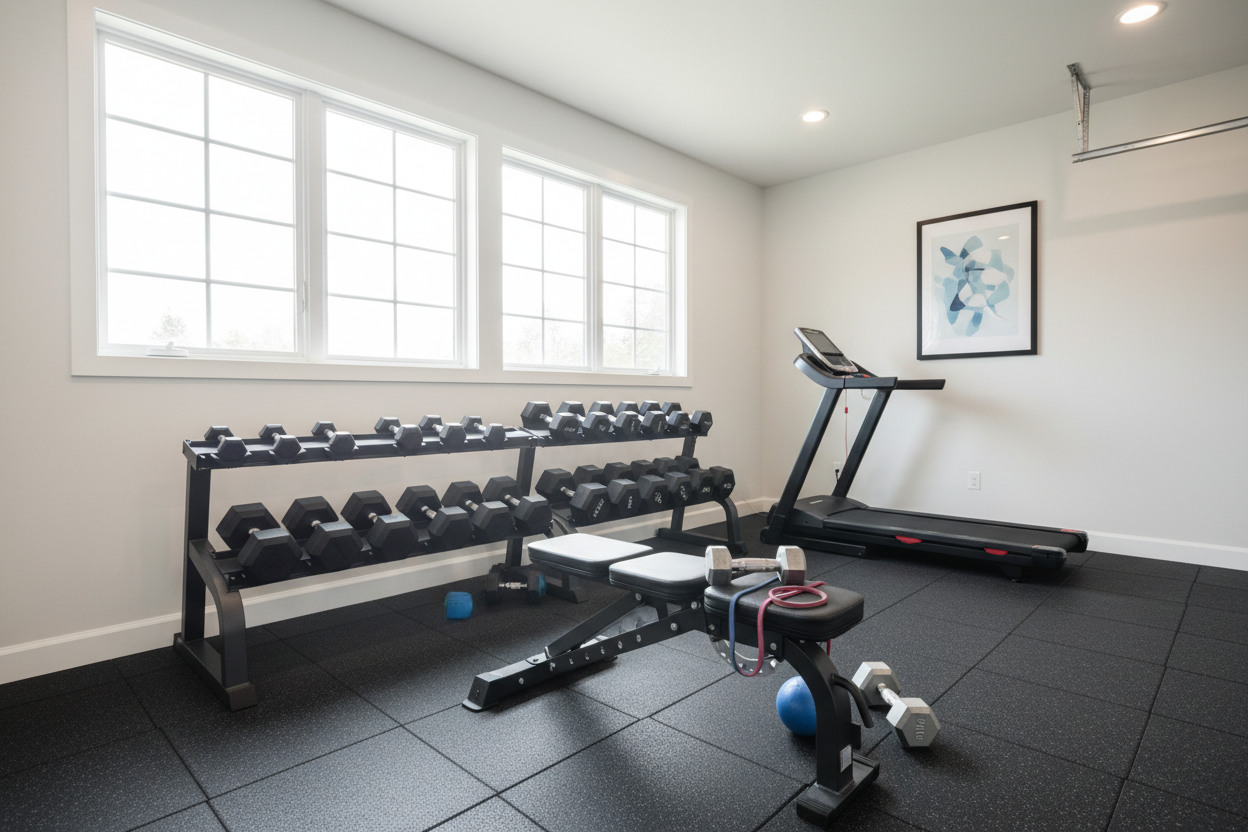
I personally use a Gxmmat Adjustable Weight Bench for this because it provides a stable, flat surface that doesn't wobble when I'm shifting my body weight. You need a bench that allows you to lie completely flat on your side without feeling like you're going to tip over. Once you are positioned correctly, that 5-lb weight will suddenly feel like 50 lbs because the muscle is finally being isolated.
3 Dumbbell Variations That Aren't a Waste of Time
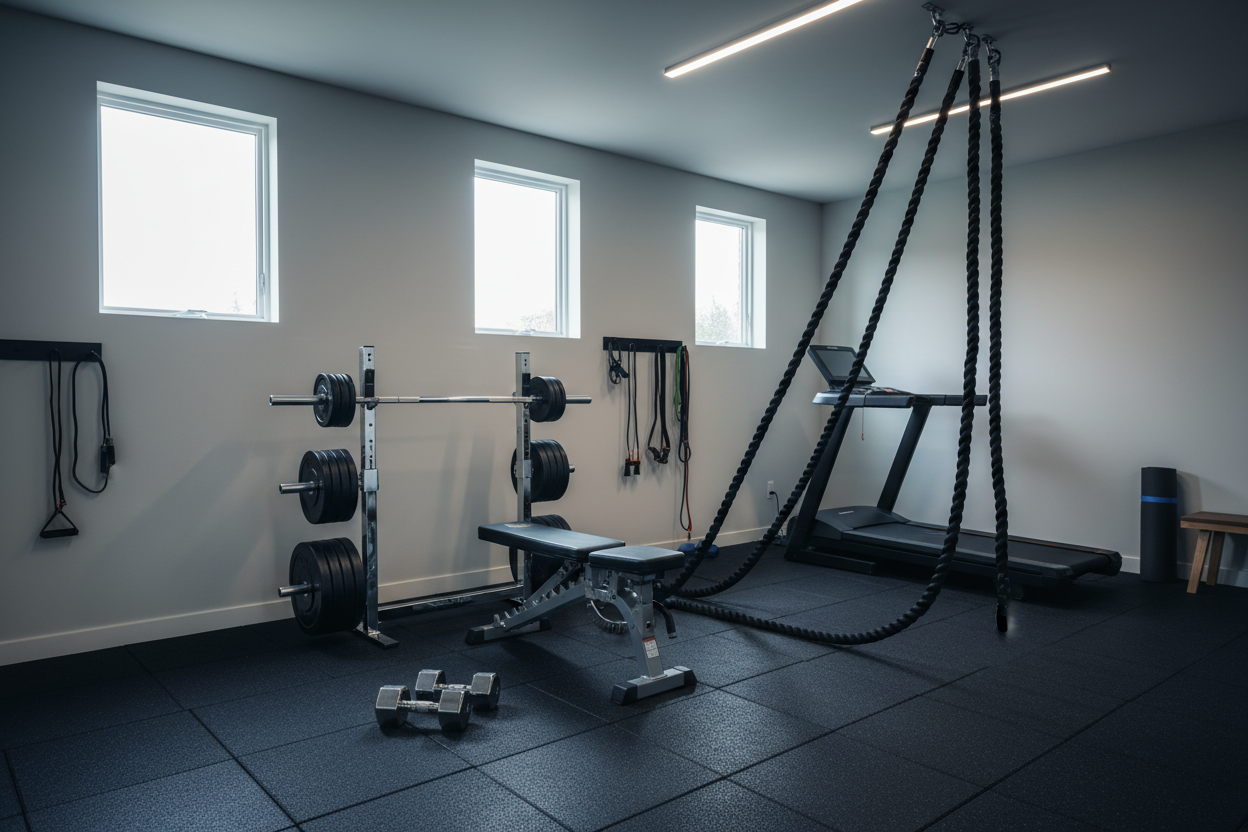
If you are tired of shoulder pain stalling your bench press, stop the fluff. These are the weight exercises for rotator cuff that I actually use in my own garage gym to keep my shoulders moving smoothly.
The Side-Lying External Rotation
This is the gold standard for the db rotator cuff. Lie on your side on a flat bench. Tuck a rolled-up towel between your elbow and your ribs to keep your humerus in a neutral position. Start with the dumbbell touching your stomach, then rotate it upward toward the ceiling. Keep the movement slow. If you start swinging, you're using momentum, not your infraspinatus.
The Prone Y-Raise for Lower Traps and Cuff
Set your bench to a 45-degree incline and lie face down. Hold light dumbbells with a neutral grip (palms facing each other) and raise your arms to a 'Y' position. This is one of the best rotator cuff workout dumbbell moves for overhead stability. I often include this in my I Built an Exercises for Shoulders Dumbbell Routine Using One Weight because it bridges the gap between rehab and actual muscle building.
The Bench-Supported 90/90 External Rotation
This one mimics the mechanics of a heavy overhead press. Sit on the bench and prop your elbow up on the backrest or your knee so your upper arm is parallel to the floor and your elbow is bent at 90 degrees. Rotate the weight from a horizontal position to a vertical one. This specific db rotator cuff movement is great for athletes who need stability at the top of a snatch or press.
Programming Your Cuff Work (Without Overdoing It)
When it comes to rotator cuff weight lifting exercises, more is not better. These are tiny muscles. If you treat them like your quads and try to max out, you're going to end up in a physical therapist's office. I recommend 2-3 sets of 12-15 reps at the end of your upper body days. The goal is a light burn, not failure.
If you have a history of issues, check out the Weight Lifting After Rotator Cuff Surgery The Definitive Timeline to see how to scale back. For most people, a 5-lb dumbbell is the ceiling. I’ve seen guys who bench 405 struggle with a 7.5-lb dumbbell on side-lying rotations when their form is actually strict. Leave the ego at the door and focus on the tension.
FAQ
Can I use soup cans instead of dumbbells?
Absolutely. For these small muscles, 1-2 lbs is often plenty to start. If you don't have light dumbbells, a heavy soup can or a full water bottle works perfectly for high-rep stability work.
Should I do these before or after my main lift?
Do them after. You don't want to fatigue your primary stabilizers right before you try to hit a heavy bench press or overhead press. Use them as a 'finisher' to ensure the joints are healthy.
How often should I train my rotator cuff?
Twice a week is usually the sweet spot. It provides enough stimulus to strengthen the tendons without causing chronic fatigue that interferes with your heavy lifting days.