Why I Finally Made Space for Back and Shoulder Workout Machines
I spent a decade as a total barbell snob. If a movement didn't involve a 45-pound bar and a lot of grunting, I didn't think it belonged in my garage. I was convinced that back and shoulder workout machines were just expensive coat racks for people who didn't want to work hard. Then I hit my mid-30s, and my lower back started sending me invoices for all those 'hardcore' sessions.
I realized that my ego was holding back my gains. My lats and delts had more to give, but my spine was the bottleneck. I finally cleared out a corner of my gym, sold a rack I barely used, and brought in some dedicated steel. It was the smartest move I've made for my longevity and my physique.
Quick Takeaways
- Fixed-path machines eliminate the 'lumbar tax' of heavy free-weight rows.
- Isolation is easier when you don't have to balance the weight.
- Modern home-gym machines have a much smaller footprint than commercial versions.
- Using machines allows you to train to true muscular failure safely.
The Free Weight Trap: When Barbells Stop Working
We've all been there: you're halfway through a heavy set of bent-over rows, and your lats feel great, but your hamstrings and lower back are shaking like a leaf. That is systemic fatigue. When you use free weights for everything, your stabilizer muscles often give out before the target muscle even gets a real stimulus. This is why a dedicated back shoulder exercise machine isn't a luxury; it’s a tool for precision.
I noticed that my overhead press stalled for six months because my core was fried from squatting the day before. By switching to a seated machine press, I could actually load my delts without worrying about my bracing failing. You aren't 'cheating' by using a machine. You are removing the weak link in the chain so the primary movers can actually do their job. If you want a thick back, you need to be able to pull without your lower back rounding under the pressure of a 225-pound barbell.
The reality is that your central nervous system can only handle so much. Fixed-path equipment allows you to keep the intensity high on your back and shoulders even when the rest of your body is beat up from a heavy squat or deadlift session. It is the difference between a productive workout and just digging yourself into a recovery hole.
The Only Gym Machines for Shoulders and Back Worth Buying
You don't need a 5,000-square-foot facility to get the right gym machines for shoulders and back. If I'm spending my own money and sacrificing my own floor space, I'm looking for high ROI. First on the list is the chest-supported row. This is the gold standard. By pinning your chest against a pad, you eliminate all momentum. No more 'humping' the weight up. You get a pure, deep stretch in the lats and a peak contraction that a barbell simply can't mimic.
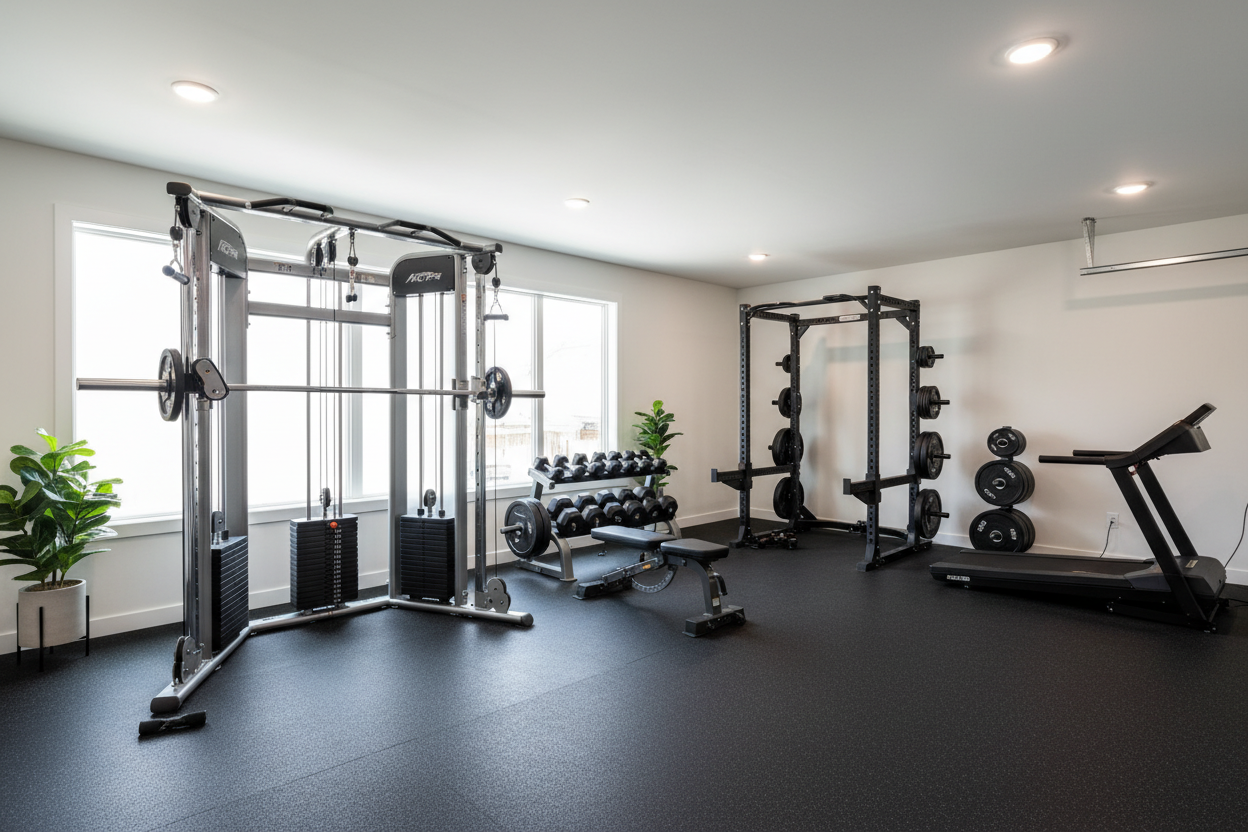
Next is the lat pulldown and low row combo. Most of these units take up about a 4x5 foot footprint. The ability to switch between vertical and horizontal pulls with a selectorized stack or plate-loaded pegs is huge. I prefer plate-loaded for home gyms—they're cheaper and you already own the plates. Look for one with a 1:1 ratio so the weight actually feels like what it says on the tin.
Finally, if you have the room, get a dedicated lateral raise machine. Cables are fine, but a machine that pivots at the elbow removes the grip and forearm from the equation. It targets the side delts with a level of tension that makes dumbbells feel useless. My side delts grew more in three months with a machine than they did in three years of 'cheating' my lateral raises with 35-pound dumbbells and too much body english.
How to Program Fixed-Path Equipment Into Your Current Split
I don't suggest ditching your barbells entirely. The best way to use a back and shoulder machine is as a 'finisher' or a secondary movement. I usually start my session with a heavy compound lift—maybe a weighted chin-up or a standing press—while my energy and focus are at their peak. Once I’ve done the heavy lifting, I move to the machines to chase the pump and push to absolute failure.
This strategy works for everyone. Whether you are a powerlifter looking for accessory volume or someone following a shoulder and back workout for females at gym, machines provide a safety net. You can reach that point where your muscles are screaming without the fear of a bar crashing down on your head or your form breaking down into something dangerous. It allows for high-intensity techniques like drop sets and rest-pause sets that are nearly impossible to do safely with heavy free weights.
I usually program 3 sets of 12-15 reps on my machines. Since the path is fixed, I focus entirely on the mind-muscle connection. I'll hold the squeeze for a full second at the top of a row or slow down the eccentric on a shoulder press. This is where the actual hypertrophy happens—high tension, high volume, and zero 'junk' reps.
Don't Wreck Your Concrete: Setting Up Heavy Equipment
Before you go dragging a 300-pound row machine into your garage, think about your floor. These machines have small contact points that concentrate a lot of weight. If you bolt them directly to bare concrete, you're asking for cracks, and the vibration from a heavy stack dropping will echo through your whole house. I made the mistake of skipping flooring once; I ended up with a spiderweb crack under my lat tower within a month.
You need a large exercise mat for home gym use to act as a buffer. I'm talking at least 3/4-inch stall mats or high-density rubber. Not only does it protect the slab, but it also keeps the machine from 'walking' or shifting during a heavy set. If the machine isn't stable, you won't feel confident pushing it to the limit. Level your machine, put it on a solid mat, and bolt it down through the mat if the manufacturer recommends it. Your foundation (and your ears) will thank you.
FAQ
Do machines build as much muscle as free weights?
Yes. For hypertrophy, your muscles don't know if the resistance comes from a plate, a cable, or a rock. They only know tension. Machines actually make it easier to maintain that tension on the target muscle.
Are plate-loaded machines better than selectorized ones?
For home gyms, plate-loaded is usually better. They are significantly cheaper to ship and maintain. Selectorized stacks are convenient but add $500-$1,000 to the price tag for the same movement.
How much space do I need for a back machine?
Most combo units (like a lat pulldown/row) need about 20-30 square feet of floor space to account for the machine itself and the room you need to sit and move comfortably.