Why I Finally Got a Foldable Pull-Up Bar (And How It Changed My Home Workouts)
Let me tell you something I've learned over the years – you don't need a massive home gym to build serious upper body strength. I used to think pull-ups were only for people with dedicated workout spaces or fancy gym memberships, but I was completely wrong. When I discovered foldable pull-up equipment, it genuinely changed how I approach fitness at home, and I want to share why this might be the missing piece in your routine too.
The Space Problem We All Face
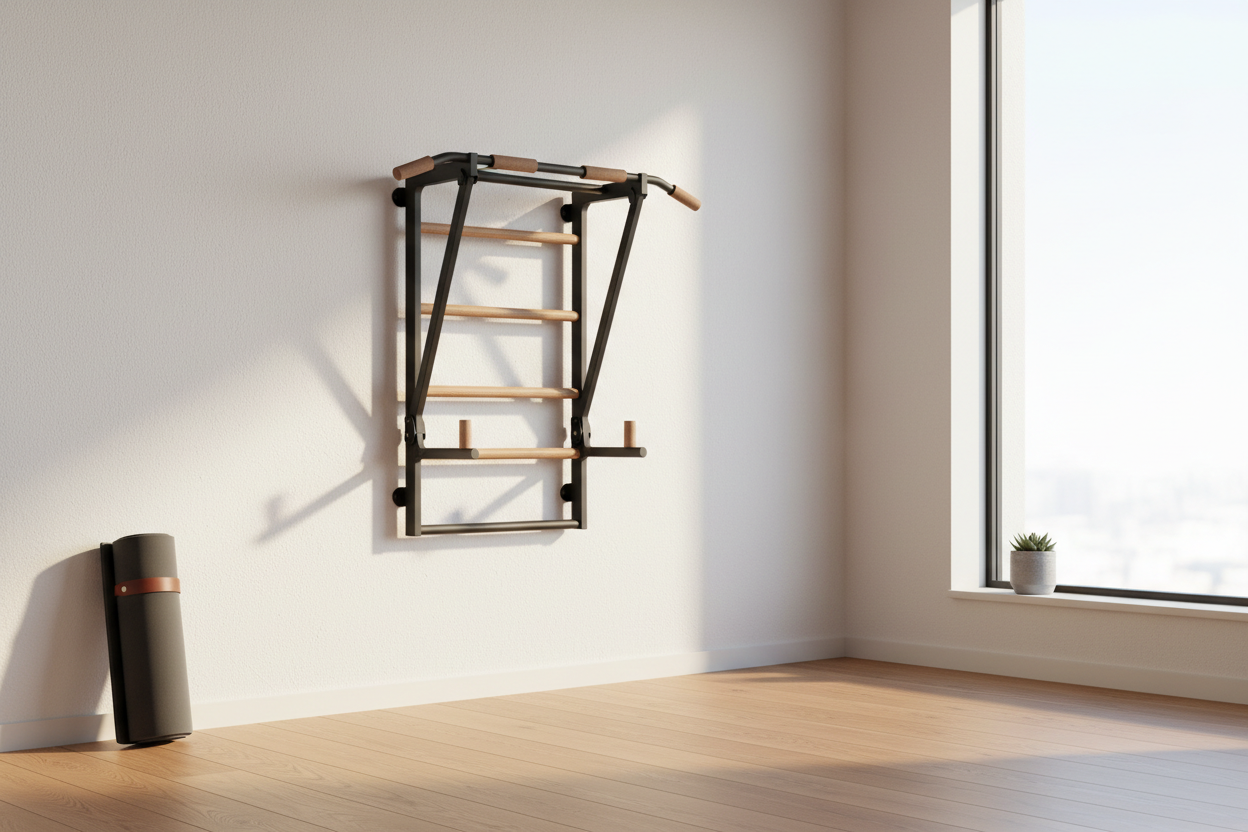
Here's the thing about modern living – most of us don't have endless space for bulky gym equipment. I've moved house a few times, and each time I've had to think carefully about what fitness gear actually earns its place in my home. That's where a folding pull up rack becomes absolutely brilliant. Unlike traditional fixed bars that dominate your doorway or require permanent wall mounting, these clever designs fold away when you're done, tucking neatly into a cupboard or behind a door.
I remember visiting a friend who had one of those old-school doorway pull-up bars. Every single time anyone walked through that door, they had to duck or remember it was there. It drove everyone mad! A pull up bar stand foldable solves this completely – you set it up when you need it, get your workout done, and fold it away. Your living space remains yours, not a permanent obstacle course.
Why Pull-Ups Deserve a Place in Your Routine
Before we go further, let's talk about why pull-ups are worth the investment. This exercise works your back, shoulders, arms, and core all at once. It's what fitness professionals call a compound movement – you're engaging multiple muscle groups simultaneously, which means you're getting more bang for your buck with every rep.
Research consistently shows that bodyweight exercises like pull-ups build functional strength – the kind you actually use in daily life. Whether you're lifting shopping bags, playing with your kids, or just maintaining good posture at your desk, the strength you build from pull-ups translates directly into real-world benefits.
What I love most is that pull-ups are scalable. When I first started, I couldn't do a single one. Not even close! But with a free standing pull up bar foldable at home, I could practice assisted variations using a resistance band whenever I wanted. No gym intimidation, no waiting for equipment, just me and my goals.
What Makes a Good Foldable Pull-Up Station
Not all pull-up equipment is created equal, and I learned this the hard way. When you're looking at options, stability is absolutely paramount. A wobbly bar isn't just annoying – it's dangerous. Look for models with a wide base and solid construction. The best ones I've used have rubber feet that grip the floor properly and don't slide around mid-workout.
Weight capacity matters more than you might think. Even if you're not particularly heavy, you want something rated well above your body weight. When you're doing dynamic movements or kipping pull-ups, you're generating force beyond just your static weight. I always recommend checking that the equipment is rated for at least 150kg, even if you weigh much less.
A portable pull up bar station should also offer multiple grip positions. Your hands should be able to grip wide, narrow, and neutral positions. This variety isn't just about preference – different grips target different muscle groups. Wide grips emphasize your lats, close grips work your biceps more, and neutral grips are often easier on your shoulders.
My Experience Making the Switch
I'll be honest – I was skeptical at first. I'd been using a gym for years, and the idea of doing pull-ups at home seemed like a compromise. But after my daughter was born, getting to the gym became a logistical nightmare. I needed something at home, and I needed it to not take over my living room.
The portable freestanding pull up bar I chose took me about ten minutes to assemble, and another minute to learn how to fold and unfold it. That first workout, I did my pull-ups, some hanging leg raises, and even used it for resistance band exercises. When I finished, I folded it up and slid it next to my sofa. My partner didn't even notice it was there until I told him.
What surprised me most was how much more consistent I became with my training. When your equipment is accessible and doesn't require a whole production to use, you actually use it. I started doing quick sessions in the morning before my daughter woke up, or even during her nap times. That convenience factor is genuinely priceless.
Beyond Just Pull-Ups
Here's something that makes these setups even better value – they're incredibly versatile. Yes, pull-ups are the main event, but I use mine for so much more. Hanging leg raises are fantastic for core strength. You can drape resistance bands over the bar for assisted pull-ups or for completely different exercises like banded rows.
Some people even use them for stretching and mobility work. Hanging from a bar decompresses your spine beautifully after a long day sitting at a desk. I've started doing what's called 'dead hangs' – just hanging there for 30 seconds to a minute – and my grip strength has improved noticeably, plus my shoulders feel more mobile.
Making It Work for Your Space
The beauty of a folding pull up rack is its adaptability to different living situations. I've had friends use them in apartments, garages, even outdoor spaces when the weather's nice. The key is measuring your ceiling height before you buy – you need enough clearance to hang freely without your feet touching the ground.
Most foldable models need about 2 meters of height and roughly 1.5 meters of floor space when set up. When folded, they're usually about 10-15cm thick, so they'll fit in most storage spots. I keep mine in the space between my wardrobe and the wall – completely out of sight but accessible in seconds.
Building Strength Progressively
One of the best things about having a pull up bar stand foldable at home is that you can practice progression without pressure. Start with negative pull-ups – jump up to the top position and lower yourself down slowly. This builds the exact muscles you need for full pull-ups.
Resistance bands are your best friend here. Loop one over the bar and put your foot or knee in it for assistance. As you get stronger, use lighter bands until eventually, you don't need them at all. Having the equipment at home means you can practice these progressions daily if you want, which accelerates your progress significantly.
Investment in Your Long-Term Health
When I look at the cost of a quality foldable pull-up station versus a year of gym membership, the math is pretty clear. You're looking at a one-time purchase that lasts for years. Mine has been going strong for over three years now with zero maintenance beyond occasionally tightening a bolt.
More importantly, it's an investment in consistency. The biggest predictor of fitness success isn't having the perfect program or the fanciest equipment – it's showing up regularly. When showing up means walking to your spare room instead of driving across town, you're far more likely to actually do it.
Your upper body strength impacts everything from your posture to your confidence. Being able to do pull-ups isn't just about looking good – though that's a nice bonus! It's about feeling capable and strong in your own body. That's something worth investing in, and a portable freestanding pull up bar makes that investment accessible and practical for most people.
If you're serious about building upper body strength but space or convenience has been holding you back, I genuinely can't recommend foldable pull-up equipment enough. It's been one of the smartest fitness purchases I've made, and I use it more consistently than any other piece of equipment I own.