Why I Fight Myself During Weight Free Shoulder Exercises
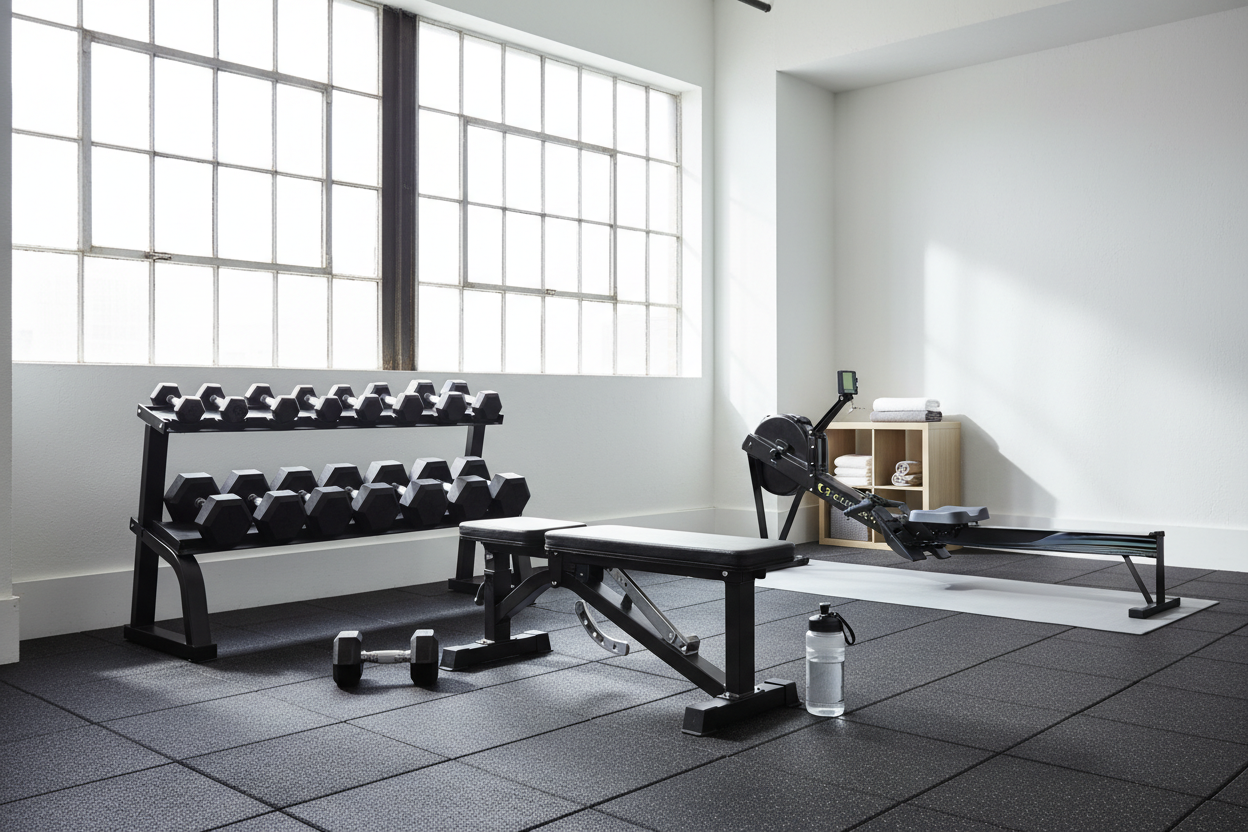
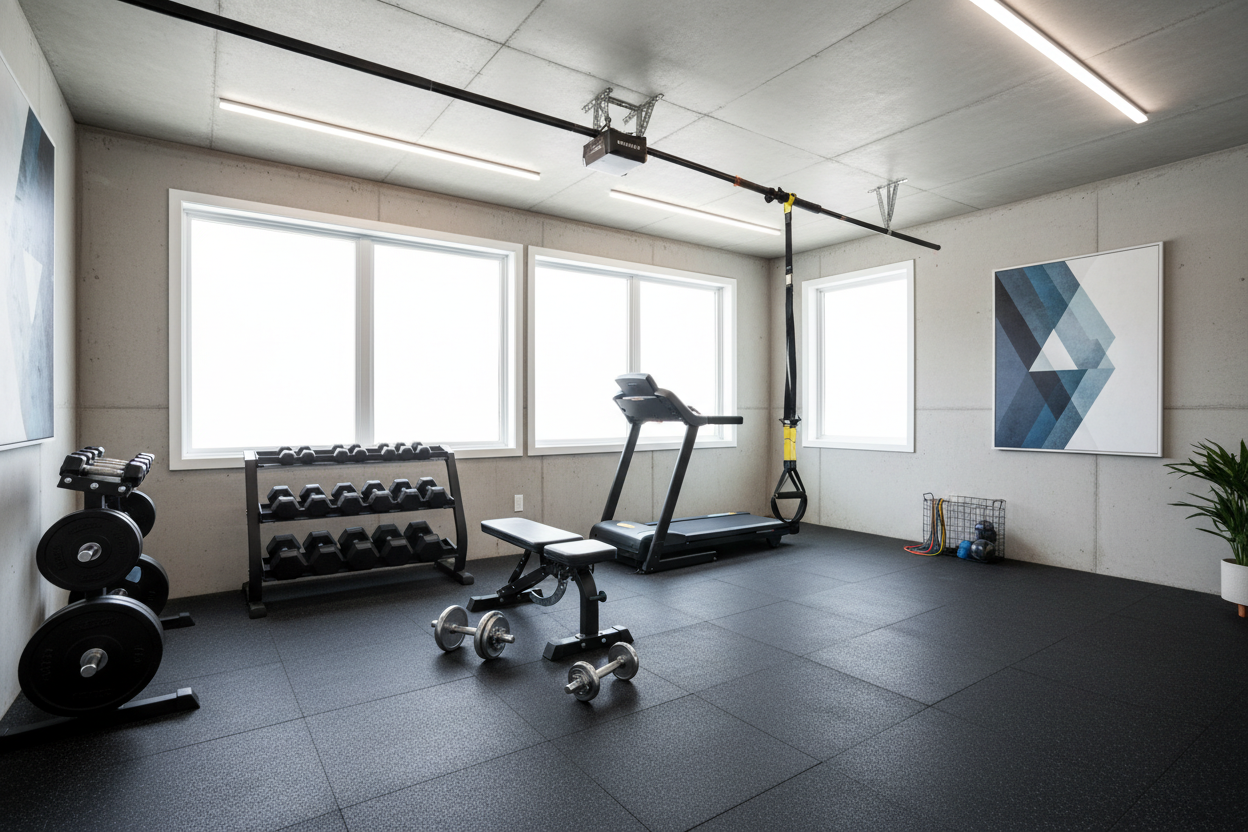
I have spent thousands of dollars turning my garage into a temple of iron, but sometimes life traps me in a hotel room with nothing but a thin towel and a television that only plays weather loops. In those moments, standard weight free shoulder exercises usually feel like a massive waste of time. You can only do so many arm circles before you just feel like a bird trying to take flight, and pike push-ups eventually become a test of wrist endurance rather than shoulder strength.
The problem with most bodyweight training is that gravity is a static coach. It doesn't care if you're having an 'on' day or if you've plateaued. To actually grow, you need tension that scales. I started using manual self-resistance—literally using my left arm to try and beat my right arm into submission—and the results were more humbling than any 100-rep set of air squats. If you want a pump that makes your skin feel three sizes too small without touching a dumbbell, you have to start fighting yourself.
Quick Takeaways
- Manual resistance provides infinite 'micro-loading' because you control the force.
- It eliminates the 'balance' requirement of handstand holds, focusing purely on the deltoid.
- These moves are the ultimate travel hack for keeping your shoulder width intact.
- Time Under Tension (TUT) is the only metric that matters here, not reps.
Gravity Has a Limit (And Your Shoulders Know It)
Gravity is great for squats and pull-ups because your body weight is significant. But when it comes to the deltoids—specifically the lateral and posterior heads—bodyweight gravity is often either too much or too little. A pike push-up is a fantastic compound move, but it’s hard to isolate the side delt when you're worried about face-planting into your living room rug. Eventually, you hit a wall where you can do 20 pikes, but you aren't actually getting any wider.
This is the fundamental frustration of the bodyweight athlete. In a standard at home dumbbell shoulder workout, if 20 lbs gets easy, you grab the 25s. It’s linear, simple, and effective. With bodyweight, the 'next step' after a handstand push-up is... a one-arm handstand push-up? Good luck with that. For 99% of us, that jump is impossible. Manual resistance solves this by letting you add 'weight' in 1-lb increments just by pressing harder with your opposing hand.
I’ve found that my shoulders stopped growing when I relied solely on pikes. They only started popping again when I figured out how to create tension that didn't rely on being upside down. You need a way to fail at rep 8, not rep 80, and gravity just isn't heavy enough to make that happen on a lateral raise without external help.
The Arm Wrestling Trick: Unlocking Manual Resistance
Manual resistance is essentially 'Self-Isometric' or 'Self-Isotonic' training. You are the gym. You are the cables. You are the weights. By using your non-working hand to provide a downward force against your working arm, you create a closed-loop system of tension. It’s like arm wrestling yourself, and because your brain knows exactly how much force your muscle can handle, you can stay at the 'edge' of failure for the entire set.
There are two ways to play this game: yielding and overcoming. Yielding is when you try to hold a position while your other hand tries to crush it. Overcoming is when you try to move through a full range of motion while your other hand provides just enough friction to make every inch a struggle. This is the secret to a high-intensity shoulder workout at home no equipment style. You aren't just moving through space; you are fighting for every degree of movement.
The beauty of this is the mind-muscle connection. You can’t 'cheat' a manual lateral raise. If you swing your hips, your other hand just follows. It forces the deltoid to do 100% of the work. I’ve used this technique to rehab a labrum tear because I could dial the resistance back to exactly 2% if I needed to, or crank it up to 100% for a brutal muscle-building set.
The 3-Move Manual Tension Shoulder Circuit
If you’re ready to feel ridiculous but look great, try this circuit. Do not rush. If a rep takes less than five seconds, you’re cheating yourself.
1. Self-Resisted Lateral Raises: Stand tall. Place your left hand on top of your right wrist. Attempt to raise your right arm out to the side while your left hand pushes down with 80% of your max strength. Resist on the way up, and—this is key—keep resisting on the way down. That eccentric burn is where the growth happens.
2. Cross-Body Rear Delt Pulls: Reach your right arm across your chest. Grab your right wrist with your left hand. Try to pull your right arm back (horizontal abduction) while your left hand tries to keep it pinned to your chest. This targets the rear delts better than almost any band work I’ve ever done. It’s a tiny range of motion, but the tension is absolute.
3. The Crusher Front Press: Interlock your fingers in front of your chest. Press your palms together as hard as you possibly can—try to crush your own knuckles. While maintaining that inward pressure, press your arms straight out in front of you and then up toward the ceiling. Your front delts and upper pecs will start screaming within three reps.
Keep your neck relaxed during these. A common mistake is shrugging your traps to your ears to help the movement. Keep the shoulders pinned down. If your neck starts to cramp, you’re trying to move the weight with your jaw, not your delts.
How to Program This Without Feeling Ridiculous
You will look weird doing this. Accept it. Because you aren't moving actual plates, your metric for success has to shift from 'reps' to 'Time Under Tension' (TUT). I recommend aiming for 45 to 60 seconds of continuous 'fighting' per set. If you can go longer than a minute, you aren't pressing hard enough with your resisting hand.
I usually slot these moves into a larger back and shoulder workout no equipment routine. I’ll start with big movements like pull-ups or inverted rows using a sturdy table, then I’ll use the manual resistance moves as 'finishers' to completely exhaust the deltoids. It’s the difference between just being tired and having a localized pump that makes it hard to wash your own hair in the shower afterward.
Try 3 sets of the circuit above, resting 60 seconds between sets. Focus on the 'mushy' part of the contraction—that middle range where the muscle is most active. Since there’s no risk of dropping a weight on your foot, you can take every single set to absolute mechanical failure.
When It Is Time to Graduate to Real Iron
Manual resistance is a superpower when you're traveling or if you're a minimalist, but I’ll be honest: it’s hard to track long-term progress. You can’t easily measure if you’re 'pushing 5% harder' than you were last month. Eventually, if you want to move serious poundage and build a truly thick yoke, you’re going to want to get back to the basics of progressive overload.
Once you’ve maxed out the 'self-fight' and you’re ready to see the numbers on the bar go up, it’s time to invest in a solid weight set and bench. Having the ability to load a bar with 2.5-lb plates gives you a data-driven way to grow that manual resistance just can't match. An adjustable weight bench opens up dozens of angles for incline presses and seated isolations that keep the stimulus fresh.
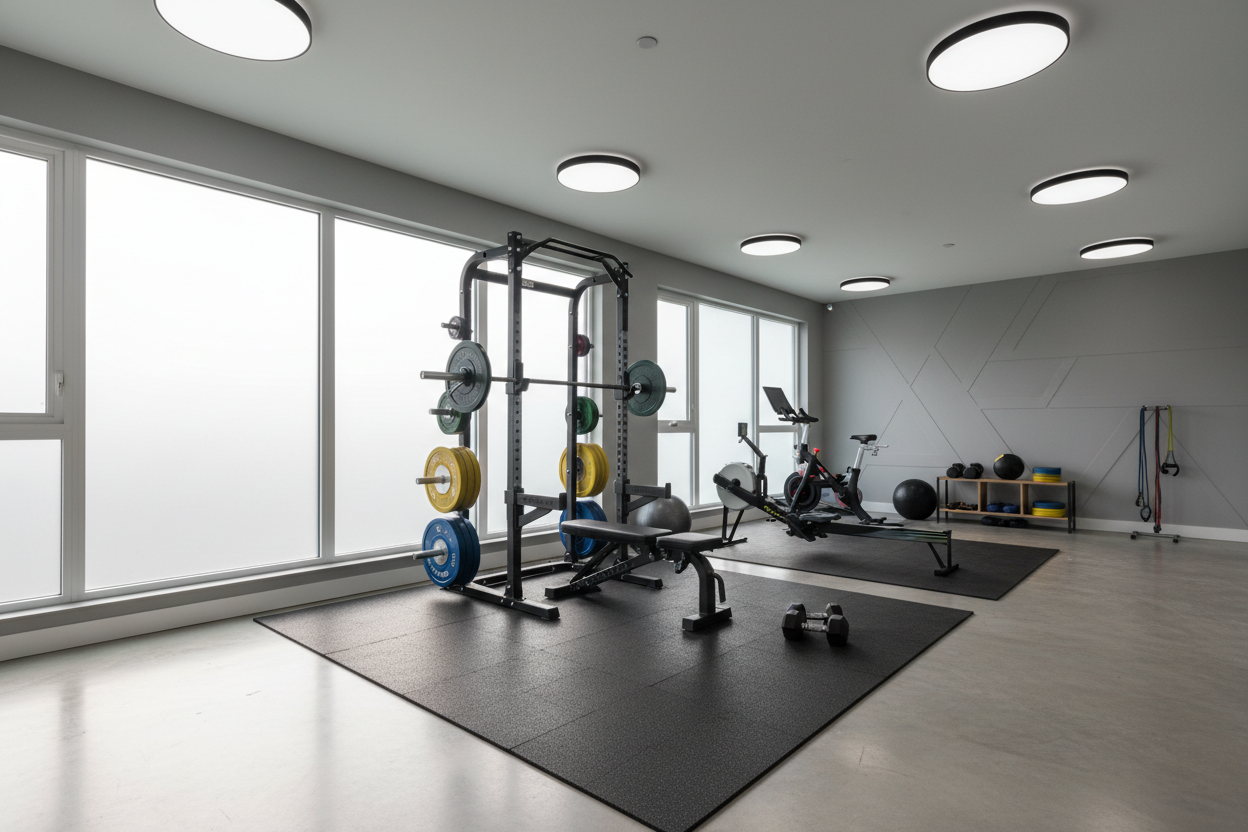
I still use manual resistance on my 'active recovery' days or when I’m stuck in a hotel in Des Moines, but my garage rack is where the real size is built. Use the 'self-fight' to master the feel of your muscles, then take 그 intensity back to the iron.
Personal Experience: The Hotel Room Revelation
I remember being stuck in a boutique hotel in Seattle that had a 'fitness center' consisting of a broken treadmill and a single 15-lb dumbbell. I tried to do a shoulder workout and it was pathetic. I started doing manual lateral raises out of pure frustration. I pushed so hard my legs were shaking. The next morning, my side delts were more sore than they’d been after a heavy barbell overhead press session. It taught me that the muscle doesn't know if the resistance comes from a piece of iron or your own stubbornness; it only knows tension.
Frequently Asked Questions
Can you actually build muscle without weights?
Yes, but you have to work twice as hard mentally. Muscle grows from mechanical tension, metabolic stress, and muscle damage. Manual resistance provides the tension; you just have to be disciplined enough to provide the force.
Is manual resistance safe for joints?
It’s actually safer than weights in many ways. Because you are the one providing the force, you are unlikely to push past a point of sharp pain. It’s self-regulating. If something hurts, you instinctively stop pressing as hard.
How many times a week should I do this?
Since the recovery demand is slightly lower than heavy eccentric barbell training, you can do these 3-4 times a week. They work great as a supplement to your main lifts or as a standalone 'pump' session on off days.