Why Good Gym Exercises Look Nothing Like Common Workouts
I spent ten years training in commercial gyms before I finally built my own. I have seen the same three guys waiting for the same chest press machine every Monday for a decade. They haven't changed, their progress has stalled, and their shoulders always seem to hurt. Finding good gym exercises shouldn't feel like being part of a secret society, but when you look at the floor of most big-box clubs, it clearly is. We default to what is visible, what is shiny, and what has the shortest line, regardless of whether it actually builds muscle or just grinds our joints into sawdust.
Quick Takeaways
- Popularity does not equal effectiveness; many machines are designed for insurance liability, not biomechanics.
- Prioritize movements that allow your joints to move through a natural, pain-free arc.
- Ditch high-risk moves like behind-the-neck presses for stable alternatives like the landmine press.
- A solid home setup starts with the floor, not the fancy machines.
The Trap of Following the Gym Floor Crowd
There is a psychological comfort in doing what everyone else is doing. When you walk into a facility and see five people performing the same common gym exercises, your brain assumes they must be onto something. It's social proof in action. You see a line for the cable crossover or the Smith machine, and you jump in. But here is the reality: most people in the gym are just as lost as you are. They are following a routine they found on a generic fitness app or copying a pro bodybuilder whose genetics allow them to grow by just looking at a dumbbell.
Commercial gyms are laid out to maximize floor space and minimize maintenance. That is why you see rows of selectorized machines that lock you into a fixed, 2D plane of motion. These machines are great for the gym owner because they are hard to break and easy for a novice to use without getting sued. However, your body doesn't move in a fixed line. Your joints have nuances. When you default to popular gym exercises just because they are available, you are letting the gym's equipment buyer dictate your orthopedic health. I’ve seen guys with 400-lb squats who can’t do a single-leg lunge without their knees sounding like a bag of chips. That is the result of following the crowd instead of following the physics of your own skeleton.
What Actually Makes a Movement Worth Doing?
If we are going to audit your common workouts, we need a better rubric than 'does it give me a pump?' A movement earns its place in my program based on three criteria: safety, scalability, and structural balance. Safety is the most obvious, but the most ignored. If an exercise causes a 'sharp' pain rather than a 'muscular' burn, it’s a fail. Period. I don't care how much weight is on the bar. If you are training around an injury you created in the gym, you aren't training—you're just vibrating in place.
Scalability is about the long game. A good lift is one where you can incrementally add weight for years. This is why the barbell squat is a king and the leg extension is a jester. You can't safely max out a leg extension without eventually shearing your ACL, but you can squat for a lifetime if your form is dialed. Finally, we look at structural balance. Most common gym exercises focus on the 'mirror muscles'—the chest, shoulders, and quads. A biomechanically sound routine balances that out with posterior chain work. If your program doesn't have you pulling as often as you are pushing, you are building a house on a sinking foundation. You need to look at your training log and ask: 'Will this movement still be possible for me when I'm 50?' If the answer is no, why are you doing it at 25?
Three Popular Moves You Should Probably Ditch
Let’s get controversial. There are several popular gym exercises that offer a terrible risk-to-reward ratio. First on the chopping block is the behind-the-neck press. Unless you have the shoulder mobility of a circus contortionist, this move puts your rotator cuff in a compromised, 'high-five' position under heavy load. It is a recipe for impingement and labrum tears. I haven't done one in eight years, and my shoulders have never been bigger or healthier.
Next up is the heavy upright row. People love this for traps and side delts, but pulling a straight bar up to your chin with an internal rotation of the humerus is a disaster. It is one of those popular gym exercises that are secretly bad for shoulders because it jams the bone into the rotator cuff tendons. Finally, I’d argue most people can ditch the traditional 45-degree leg press. While it lets you move a lot of weight, it often encourages the lower back to round at the bottom of the rep, which is a fast track to a herniated disc. We trade the ego boost of 'stacking the plates' for actual spinal integrity. If you can't do the movement through a full range of motion without your butt leaving the seat, the exercise is working against you, not for you.
The Boring Swaps That Will Save Your Joints
The best alternatives are often the ones that look 'boring' on Instagram. Instead of the behind-the-neck press, try the landmine press. Because the bar moves in a slight arc, it allows your shoulder blade to rotate naturally, protecting the joint while still torching your delts. Instead of upright rows, do high-rep face pulls with a rope. It builds the rear delts and traps while actually improving your posture. These are the good gym exercises that professionals use when they want to stay in the game for decades.
When you start prioritizing good gym exercises that protect your joints long-term, your progress actually speeds up. Why? Because you aren't taking three weeks off every month to nurse a 'tweaked' shoulder or a 'cranky' knee. Consistency is the only real 'secret' in fitness, and you can't be consistent if you're constantly in physical therapy. Swap your heavy back squats for Bulgarian split squats once in a while. You’ll find that you can get a massive growth stimulus in your legs with half the weight on your spine. It’s not about being soft; it’s about being strategic. I’d rather lift 200 lbs correctly for thirty years than lift 500 lbs poorly for three.
Taking These Movements Home
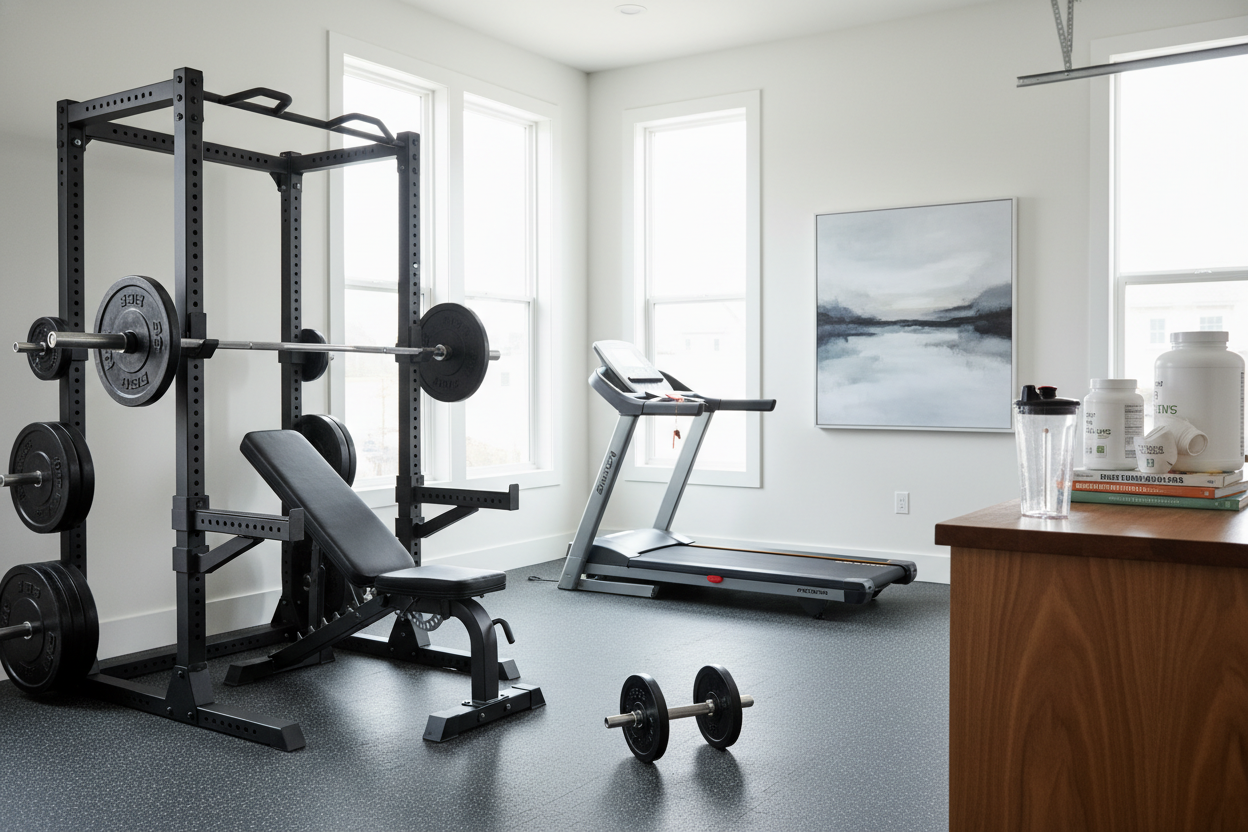
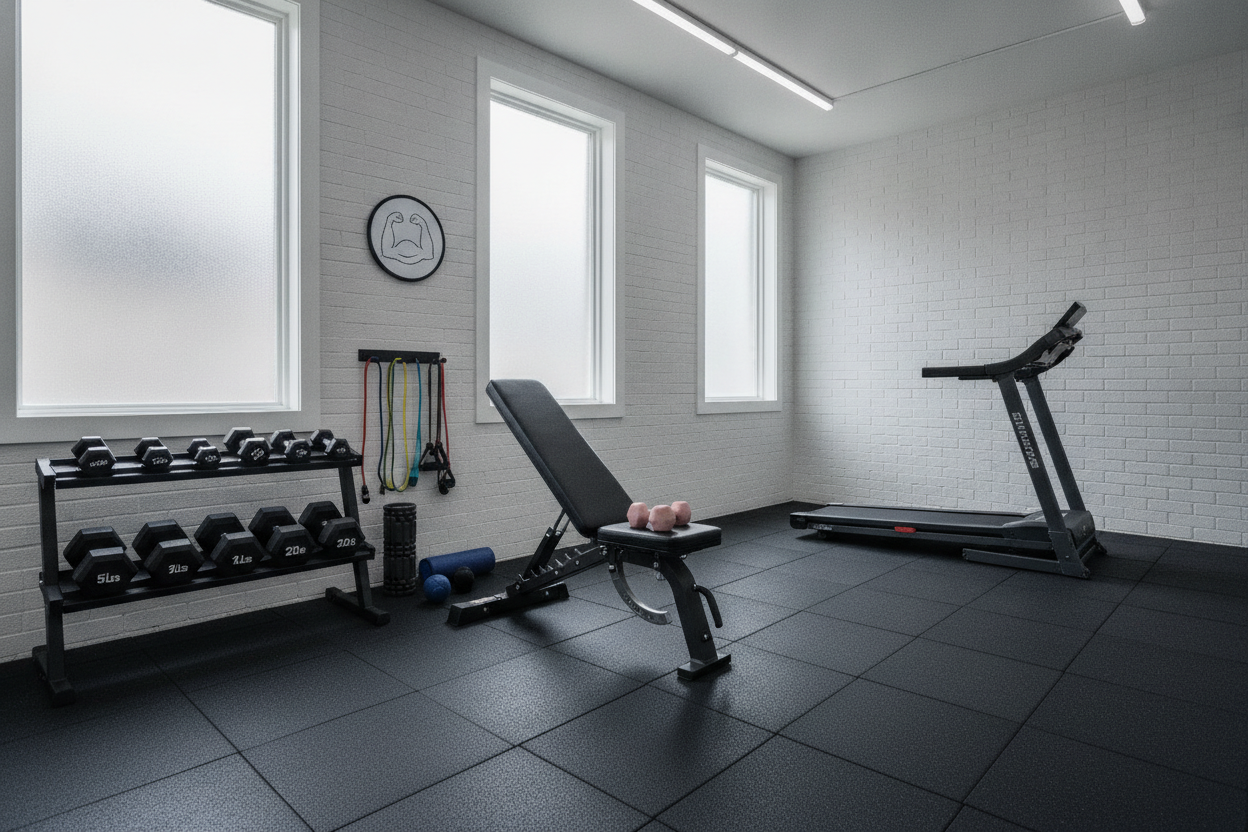
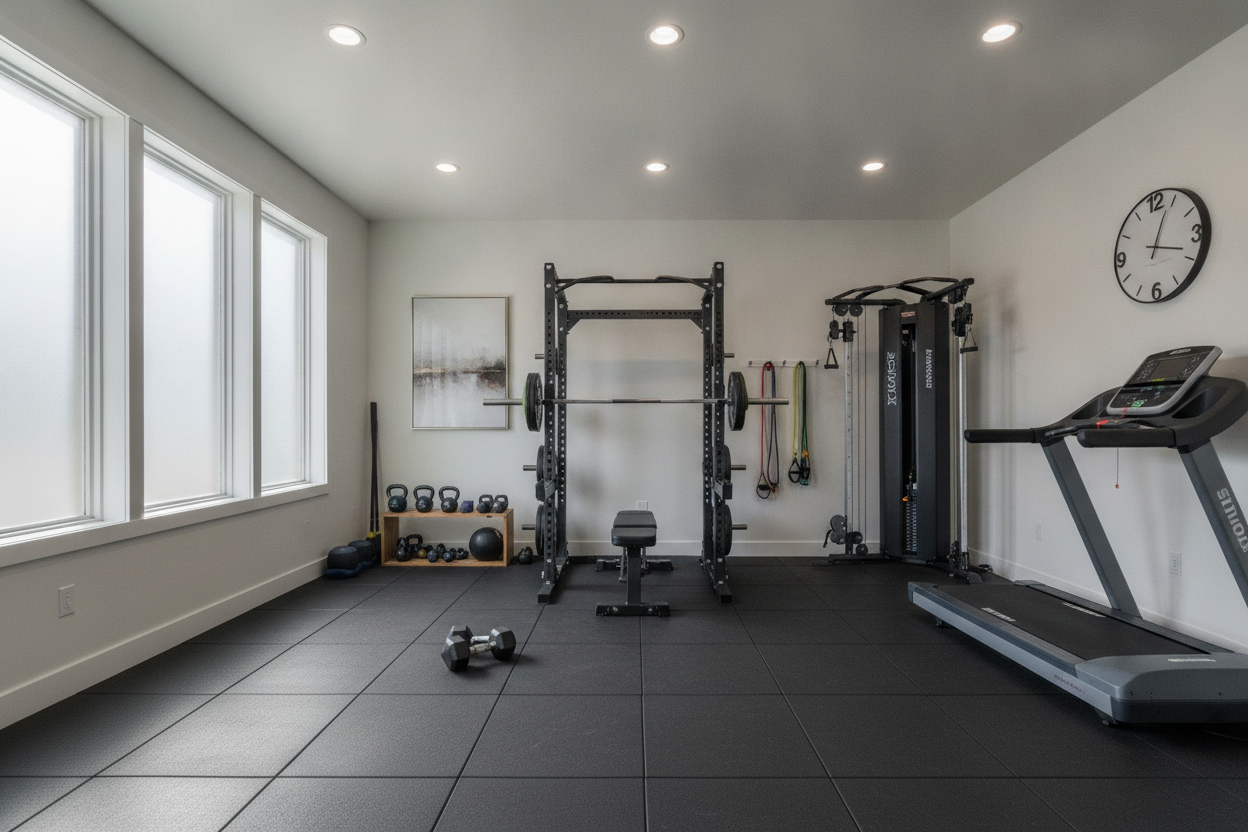
The beauty of these joint-friendly movements is that they don't require a $50,000 commercial circuit. In fact, most of the best exercises are done with basic tools: dumbbells, a barbell, and a solid floor. If you are moving your training to a garage or spare room, don't make the mistake of buying a cheap, thin mat. When you're doing heavy dumbbell goblet squats or lunges, you need a stable base that won't compress or slide. A thick 6x8ft exercise mat is the literal foundation of a smart home gym. It protects your joints from the hard concrete and protects your floor from the inevitable dropped weight.
Before you go out and buy a multi-gym, measure your space. Most people overestimate how much gear they need and underestimate how much room they need to move. A large exercise mat for home gym use gives you a dedicated 'work zone' where you can perform your lunges, rows, and presses without bumping into the lawnmower. You don't need a leg press machine that takes up half the garage; you need enough space to move your body through space. Build your gym around the movements, not the other way around. Focus on the basics, protect your hinges, and stop following the crowd.
Personal Experience: My $2,000 Rotator Cuff Mistake
Back in 2016, I was obsessed with upright rows. I saw a pro bodybuilder doing them with 185 lbs and thought that was the key to 'capped' delts. One afternoon, I felt a sharp 'zip' in my right shoulder. I ignored it and finished the set. That 'zip' turned into a three-month layoff where I couldn't even reach into the backseat of my car without wincing. I spent thousands on physical therapy only to realize that the exercise itself was the problem. I swapped them for face pulls and landmine presses, and not only did the pain vanish, but my shoulders actually grew more because I could finally train them consistently. Don't be like 2016-me.
FAQ
Is the bench press a bad exercise?
No, but it is often overused. If your shoulders hurt every time you bench, try using dumbbells or a neutral-grip 'Swiss' bar. The fixed position of a standard barbell doesn't allow for the natural rotation your shoulders might need.
Why do machines feel easier than free weights?
Machines stabilize the weight for you, meaning your smaller 'stabilizer' muscles don't have to work. This lets you lift more weight, but it doesn't always translate to real-world strength or joint stability.
How much space do I need for a home gym?
You can get a world-class workout in a 6x8 ft space. As long as you have enough room to extend your arms and perform a lunge, you can do almost any biomechanically sound exercise with dumbbells or a kettlebell.