Why Glute Reduction Exercises Are Making Your Lower Body Bigger
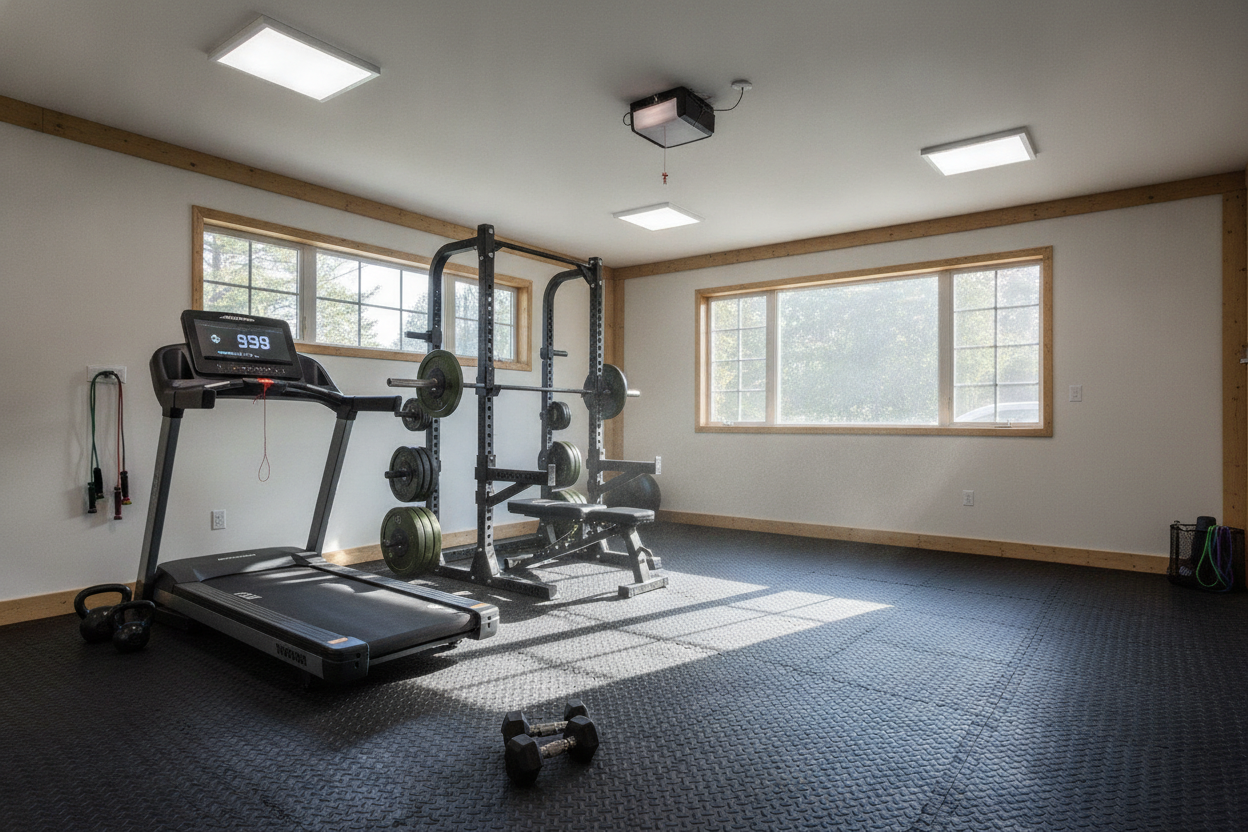
I’ve spent more hours in my garage gym than I care to admit, usually surrounded by the scent of stall mats and chalk dust. One thing I see constantly on social media is the promise of specific glute reduction exercises that supposedly shrink your backside. It’s a seductive idea, but after years of testing gear and programming for different goals, I can tell you most of these 'solutions' are doing the exact opposite.
- Spot reduction is a biological myth; you cannot choose where fat leaves your body.
- Heavy resistance training builds muscle mass, which can actually increase your measurements.
- True reduction comes from a systemic caloric deficit, not localized movements.
- Cardio and high-rep, low-load training are better for fat loss without adding bulk.
The Harsh Reality of Spot Reduction
Let’s be real: your body doesn’t care about your aesthetic goals. When you do a set of kickbacks, the fat sitting on top of those muscles isn't being burned for fuel by that specific muscle. Instead, your body pulls energy from fat stores all over. People often ask, do buttocks reduction exercises actually work, and the answer is a hard 'no' if you're looking for localized fat loss. You’re just working the muscle underneath.
Think of it like a sponge under a layer of oil. Squeezing the sponge doesn't make the oil disappear; it just makes the sponge stronger. To get rid of the oil, you have to change the environment. Doing hundreds of reps of 'toning' moves won't melt the tissue in that specific area any faster than a brisk walk would.
Why Your Current Routine is Probably Adding Bulk
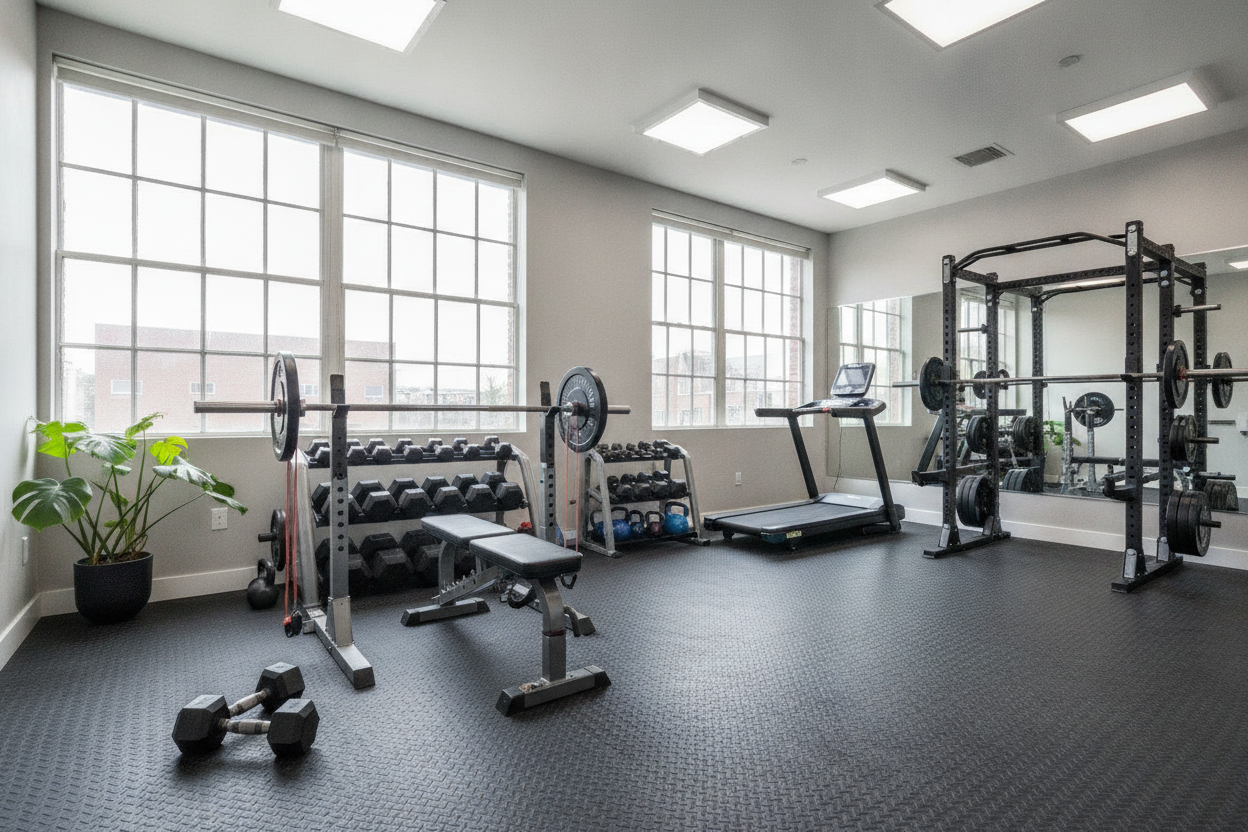
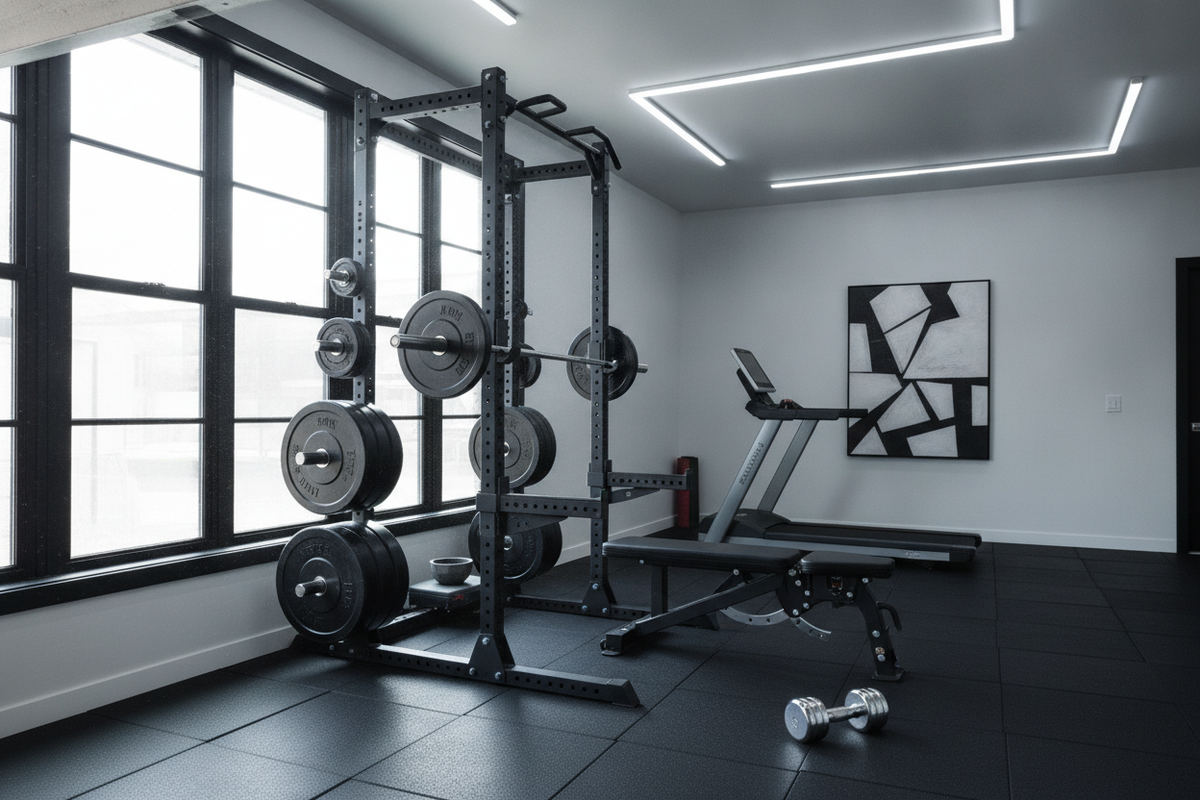
If you're hitting the heavy rack and loading up the barbell for squats and hip thrusts, you're training for hypertrophy. That is muscle growth. If you do these exercises for a firmer buttocks while eating at maintenance or a surplus, you’re just building a bigger engine under the hood. The muscle pushes the fat out further, making the area look larger, not smaller.
I see people all the time complaining that their jeans are getting tighter despite 'working out more.' It's because they've added five pounds of muscle to their glutes but haven't dropped the body fat covering it. If your goal is reduction, stop chasing personal records on the hip thrust machine. You're giving your body the signal to grow, not to shrink.
So, What Exercises Reduce Your Buttocks?
When people ask me what exercises reduce your buttocks, I tell them to stop thinking about isolation and start thinking about metabolic expenditure. You want to move your whole body to burn the most calories possible. Sprints are a powerhouse here. Not a casual jog, but 30-second all-out efforts on a hill or a treadmill that leave you gasping. This spikes your metabolic rate and forces your body to tap into fat stores globally.
Low-Intensity Steady State (LISS) cardio is also your friend. Walking for 45-60 minutes at a brisk pace burns fat without triggering the massive hunger spikes or the muscle-building stimulus that heavy lifting does. It’s boring, but it works for leaning out the lower body without adding the 'shelf' look that many lifters end up with.
The Nutrition Equation (You Can't Out-Train a Bad Diet)
You can't out-train a bad diet. Period. If you aren't in a caloric deficit, no amount of movement will shrink your lower body. I’ve seen guys spend thousands on high-end rowers only to wonder why they aren't losing weight while they keep eating like they're bulking. Kitchen habits dictate your measurements more than any rep count ever will. Track your macros and stay consistent.
How to Train for Fat Loss Without Adding Size
To lean out without adding mass, pivot to high-rep, low-resistance work and plenty of mobility. Think yoga, long-distance walking, or bodyweight circuits. I like to clear some space on extra wide exercise mats for metabolic conditioning that focuses on heart rate rather than muscle failure. This keeps the stimulus on your cardiovascular system rather than triggering the grow signal in your glute fibers.
A typical week should involve three days of full-body metabolic work and four days of low-intensity movement. Keep the weight light—if you can't do 25 reps with perfect form, the weight is too heavy for this specific goal. You want to flush the muscle with blood and burn calories, not tear fibers for growth.
Personal Experience
A few years back, I thought I could 'lean out' my legs by doing high-rep weighted lunges. I was doing 50 reps per leg with 30-lb dumbbells, thinking the burn meant the fat was melting. Instead, I ended up having to buy new pants because my quads and glutes grew three inches in two months. I was eating too much and training for hypertrophy without realizing it. I had to switch to fasted walking and a strict 500-calorie deficit to actually see the reduction I wanted. It was a humbling lesson in exercise physiology.
FAQ
Can I lose butt fat by just doing squats?
No. Squats build the gluteus maximus muscle. If you have fat over that muscle, squats will likely make the area look larger until you lose the fat through a caloric deficit.
How long does it take to see results?
Fat loss is a slow process. Expect 4-8 weeks of consistent dieting and systemic cardio before you notice a significant change in how your clothes fit.
Are there any specific machines I should avoid?
Avoid the heavy leg press or the hip abduction machine if your goal is size reduction. These are designed specifically to build mass in the lower body through isolated resistance.