Why Flexibility and Stretching Feel Like a Waste of Time (And the Fix)
I spent years thinking my tight hamstrings were a permanent genetic curse. I would sit on my garage floor, reach for my toes, and groan for thirty seconds every morning, only to feel just as stiff when I stepped into the rack for squats that afternoon. If you have ever felt like your flexibility and stretching routine is a treadmill to nowhere, you are not alone. Most of us are taught to stretch like we are in a middle school PE class, and frankly, that does not work for people who lift heavy things.
Quick Takeaways
- Passive stretching fails because it doesn't build strength in new ranges of motion.
- Loaded stretching (using weights) is the most effective way to see permanent change.
- Surface quality matters; your brain won't let you relax if your joints are digging into concrete.
- Hypermobility is a real risk—sometimes you need stability, not more stretch.
The Trap of 'Passive' Range of Motion
Passive stretching for flexibility is basically telling your brain, 'Hey, I am going to pull on this cold rubber band.' Your nervous system, which is smarter than you give it credit for, responds by tightening up to protect your joints from what it perceives as a threat. This is why you can spend twenty minutes on flexibility and stretching exercises and feel like a tin man again the next morning.
The issue is a lack of control. Sinking into a deep stretch on a high-quality exercise mat is a comfortable way to start, but if you are just hanging out there without tension, you are not triggering a permanent adaptation. Your brain needs to know that you are strong and stable in that new range of motion before it will 'unlock' it for good.
Treat Your Stretching Exercises to Improve Flexibility Like a Lift
If you want stretches for increased flexibility that actually stick, you need to add load. Think about a Romanian Deadlift. When you lower that bar slowly, your hamstrings are being pulled into a deep stretch while simultaneously fighting to control the weight. This is active flexibility. It forces the muscle fibers to lengthen while staying 'on,' which signals to your nervous system that this new range is safe.
I started seeing real progress when I stopped doing stretch and flexible exercises as a separate, boring ritual and started integrating them into my accessory work. A deep, paused goblet squat is one of the best stretching exercises to improve flexibility in the hips because the weight of the kettlebell acts as a lever, pulling you deeper than you could go on your own while your core stays braced.
The Floor Matters When You're Digging Deep
Mechanics matter. If you are trying to perform a half-kneeling hip flexor stretch and your back knee is grinding into a cold, hard garage floor, your body is going to subconsciously tense up. You cannot achieve stretch exercise flexibility when your brain is screaming about a bruised patella. I learned this the hard way after a month of 'toughing it out' on bare concrete resulted in bursitis rather than better mobility.
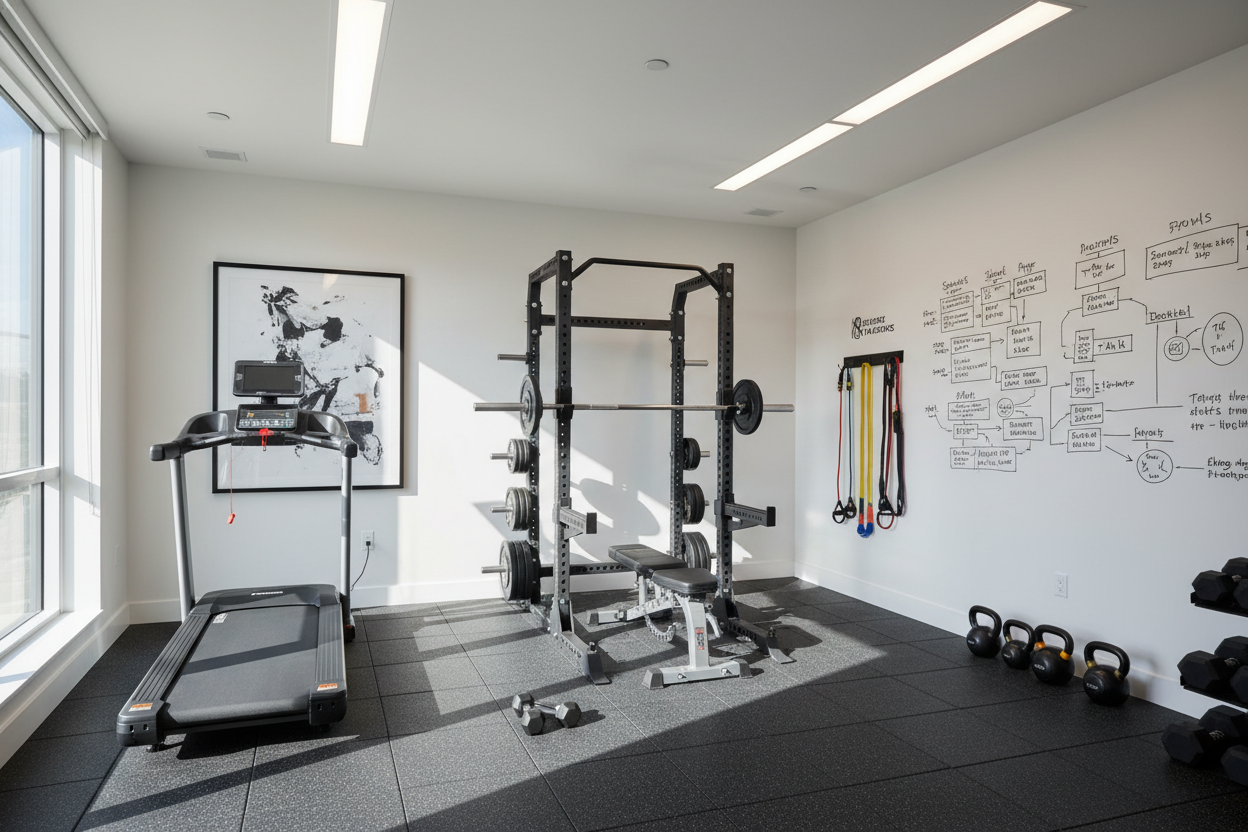
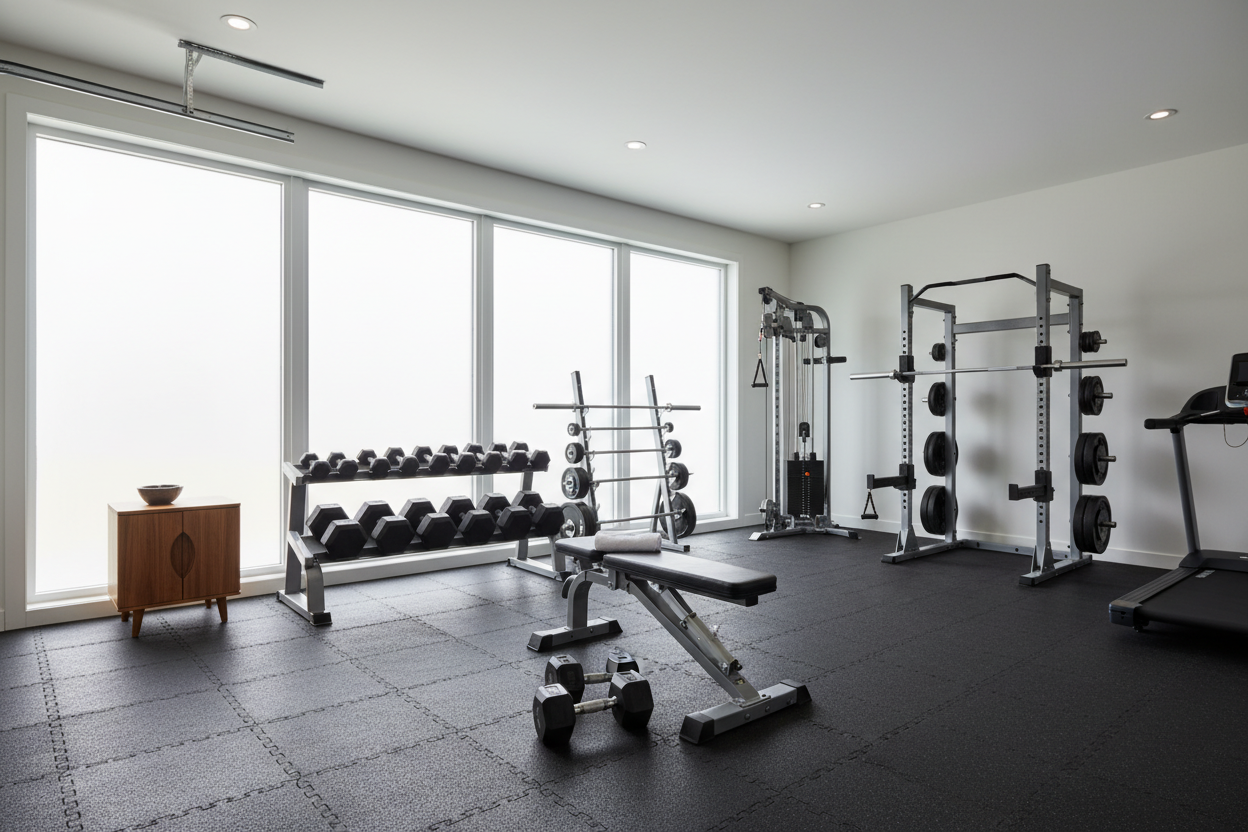
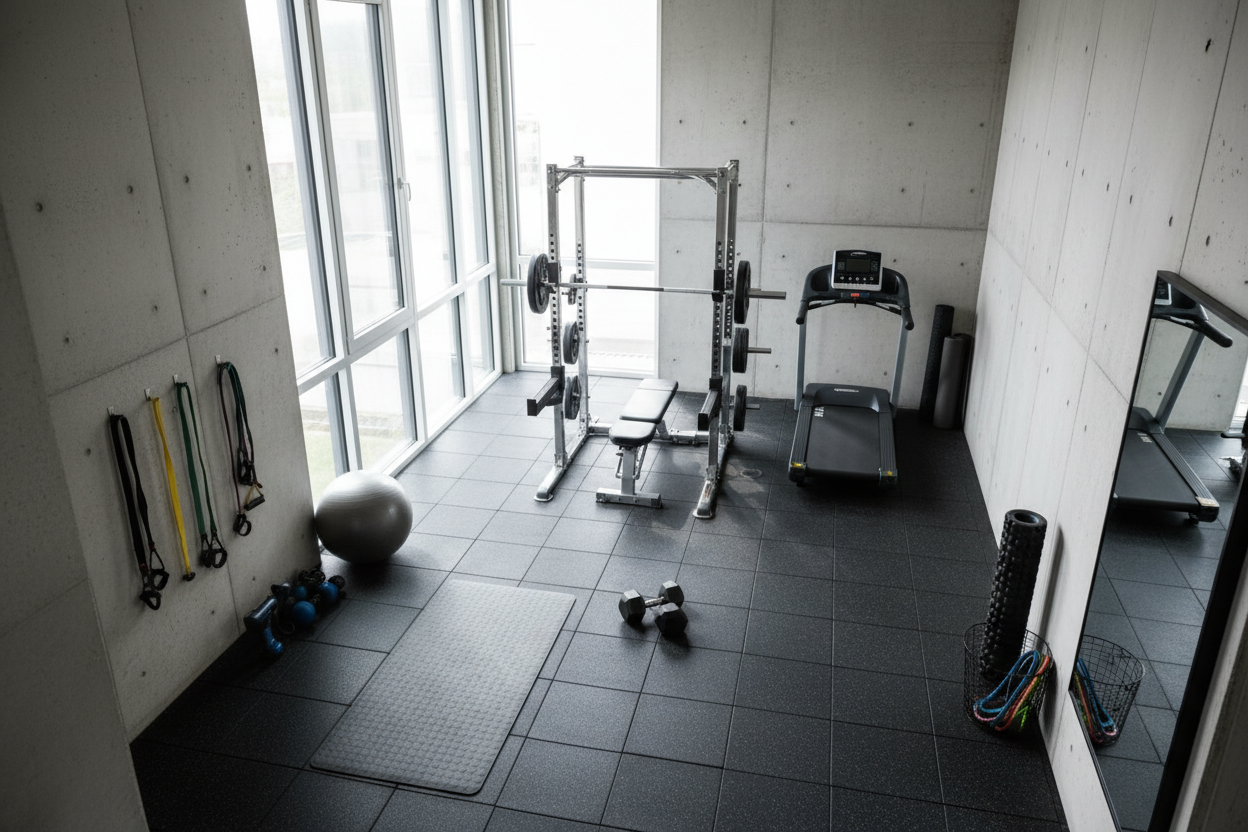
Investing in thick gym flooring for home workout spaces is a non-negotiable prerequisite for deep mobility work. When you have a stable, cushioned surface, you can actually drive your knee into the ground to create the necessary tension for PNF (Proprioceptive Neuromuscular Facilitation) stretching. This surface allows you to focus on the muscle you are targeting rather than the pain in your joints.
When to Back Off: The Hypermobility Warning
More is not always better. Some lifters are naturally 'bendy' but lack the stability to control that range. If you can already put your palms flat on the floor without a warmup, more stretching exercises to increase flexibility might actually be making you less resilient. You might have joint laxity that requires more stability training rather than extra length.
Forcing extra range on a joint that is already loose is a recipe for a labrum tear or a dislocation. If your shoulders feel 'clicky' or unstable during overhead presses, stop the aggressive stretching exercise for flexibility and look into exercises for hypermobile shoulder stability. Sometimes the 'tightness' you feel is actually your muscles guarding a joint that doesn't have enough structural support.
A 3-Move Loaded Routine for Real Results
To see actual flexibility training stretches pay off, try these three moves twice a week. First, the Deficit Split Squat: elevate your front foot on a plate and sink your back knee as low as possible. Second, the Jefferson Curl: slowly roll down spine-segment by spine-segment holding a light 15-lb dumbbell. Third, the Dumbbell Pullover: use a bench to let the weight pull your arms overhead, opening up the lats and thoracic spine.
This active approach is the gold standard for increase flexibility stretches. If you are looking for a structured flow to follow, this stretching workout at home is a solid starting point for integrating active hip mobility into your routine without needing a full commercial gym setup.
Personal Experience: My Biggest Mobility Mistake
For two years, I followed a generic 'yoga for lifters' video every night. I would get through the 20 minutes, feel 'loose' for an hour, and then wake up the next day with the same hip impingement. My mistake was chasing the 'feeling' of a stretch rather than the 'strength' of the range. Once I swapped the passive yoga for weighted eccentric work—like 5-second descents on my squats—my hip pain vanished. I realized I didn't have 'short' muscles; I had weak muscles that were terrified of being stretched.
Stretching FAQ
How long should I hold a stretch?
For active, loaded stretching, focus on 5-10 slow, controlled reps with a 3-5 second pause at the bottom rather than a long, static hold. This builds strength and length simultaneously.
Is it better to stretch before or after a workout?
Save the deep, loaded stretching exercises to increase flexibility for after your main lifts. Dynamic movement is better for the warmup; you want your muscles warm and your nervous system ready before you push into new ranges.
Why do my muscles feel tighter after I stretch?
You likely overstretched a cold muscle or have an underlying stability issue. If the brain feels the joint is at risk, it will 'lock' the muscle down even tighter as a protective mechanism. Back off the intensity and add some light resistance.