Why Every Fancy Leg Exercise Name Just Means 'Squat or Hinge'
I remember opening a training app last year and seeing a leg exercise name that sounded like a spell from Harry Potter. It was a 'Banded Transverse Goblet Pivot,' and it was the moment I realized the fitness industry has officially lost its mind. My garage floor is a mosaic of chipped concrete and spilled pre-workout, and in all my years of lifting, I’ve never seen a curtsy lunge build a 500-pound total.
We’ve traded heavy iron and simple movement for complexity that doesn’t actually build muscle. You don't need a PhD to figure out a leg workout name; you just need to know if you're pushing with your quads or pulling with your hamstrings.
Quick Takeaways
- Most leg exercises are just variations of the squat, hinge, lunge, or bridge.
- If a movement has more than three words in its name, it’s probably over-marketed fluff.
- Focus on movement patterns, not memorizing a massive leg exercise list.
- Home gym setups should prioritize movements that work with limited space and equipment.
The Fitness Industry Loves Confusing Jargon
Why do influencers use a different name of leg exercises every time they post a video? Because 'Barbell Squat' doesn't get clicks anymore. They need you to think they’ve discovered a secret different type of leg workouts that bypasses the hard work. It’s all about the algorithm, not your anatomy.
When you search for names of exercises for legs, you get hit with a wall of terminology designed to make you feel like you need a coach. In reality, your knee and hip joints only move in a few specific ways. Whether you call it a 'Sumo Squat' or a 'Wide-Stance Goblet Squat,' you are still just performing a squat pattern with a slightly different load placement.
The Core Four: Stripping Down the Types of Leg Workouts
To keep your sanity, you need to categorize every list of leg exercises into four buckets: Squats (knees go forward), Hinges (hips go back), Lunges (one leg at a time), and Bridges (hips go up). If you can identify these, you’ll never be confused by a list of leg workouts again.
Influencers want you to believe that high-rep 'sculpting' moves are the key to aesthetics, but the real science of exercise for losing thigh fat and building dense muscle always points back to high-effort compound movements. These fundamental types of leg workouts allow you to move the most weight and create the most metabolic stress. Stop worrying about 'toning' and start worrying about your 5-rep max.
The Ultimate BS-Free Leg Exercise List
Here is a no-nonsense list of leg exercises translated into plain English. If you see these on a program, don't panic. They are just the same old movements wearing a new hat. This is the only workout names for legs guide you actually need to keep in your notes app.
Quad-Dominant Movements (The Squat Family)
This includes the Goblet Squat, Front Squat, and Hack Squat. They all focus on knee flexion. If your goal is to grow the 'teardrop' above your knee, these are your bread and butter. I’ve found that for home lifters, the Goblet Squat is the king of teaching form, while the Barbell Back Squat is the king of building raw power.
If your front squat form is trash because your wrists won't bend, you might be better off investing in a dedicated leg machine like a hack squat or a leg press to really isolate the quads without the technical breakdown. Sometimes, the barbell isn't the best tool for every job, especially if you're chasing hypertrophy over powerlifting totals.
Hamstring and Glute Focused (The Hinge Family)
The name of leg exercises in this category usually includes RDLs (Romanian Deadlifts), Good Mornings, and Kettlebell Swings. The goal here is to keep the shins vertical and push the butt back as far as possible. If you feel it in your lower back, you're doing it wrong. It should feel like your hamstrings are about to snap like a guitar string.
Unilateral Torture (Lunges and Split Squats)
Bulgarian Split Squats are the ultimate love-hate relationship. It’s a 10/10 on the leg day hell surviving the kind of workout scale, but nothing builds stability or fixes muscle imbalances faster. Whether it’s a reverse lunge or a step-up, unilateral work ensures your dominant side isn't doing all the heavy lifting.
Matching the Right List of Leg Exercises to Your Home Setup
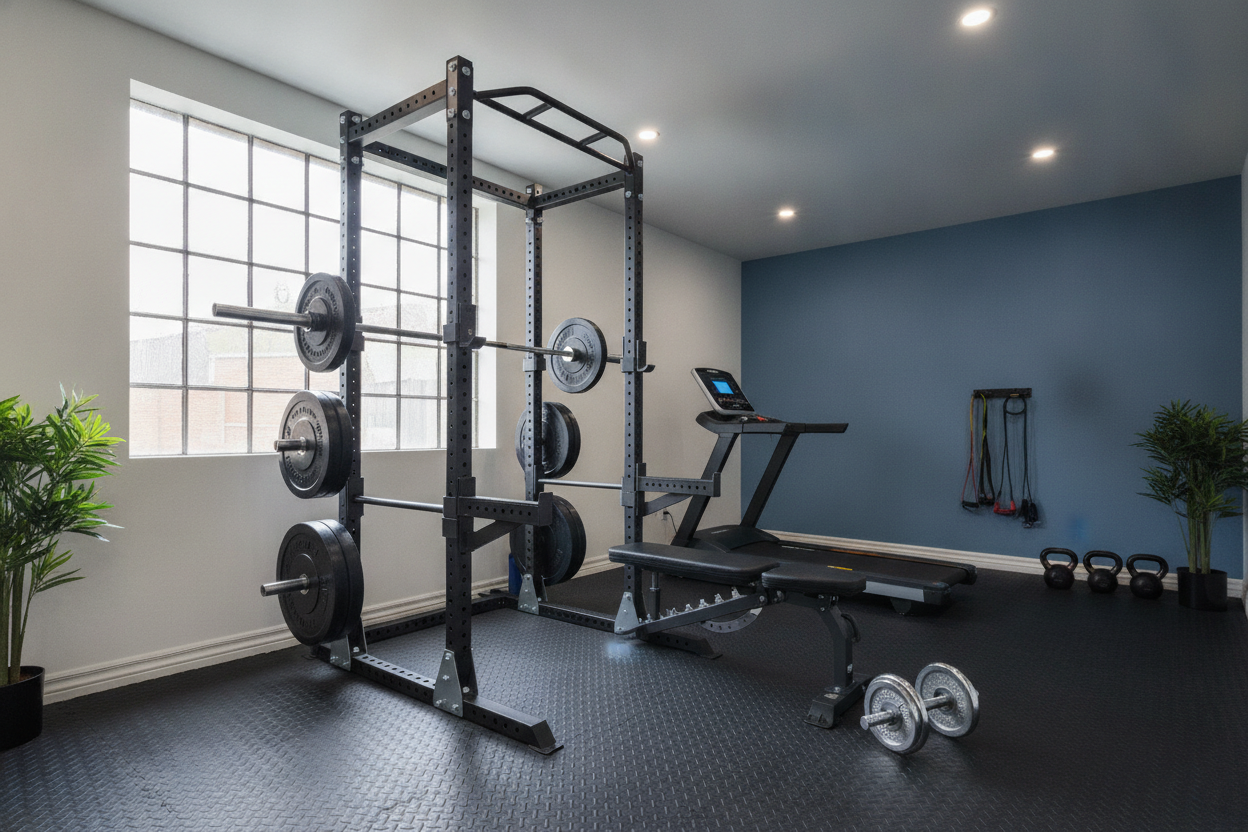
You don't need a 20,000-square-foot commercial gym to get huge legs. You just need to adapt. If a leg exercise list calls for a Leg Press but you only have dumbbells, do a Rear-Foot Elevated Split Squat. It’s actually harder and requires zero 1,000-pound machines. I’ve built more leg mass in my 200-square-foot garage than I ever did at a big-box gym.
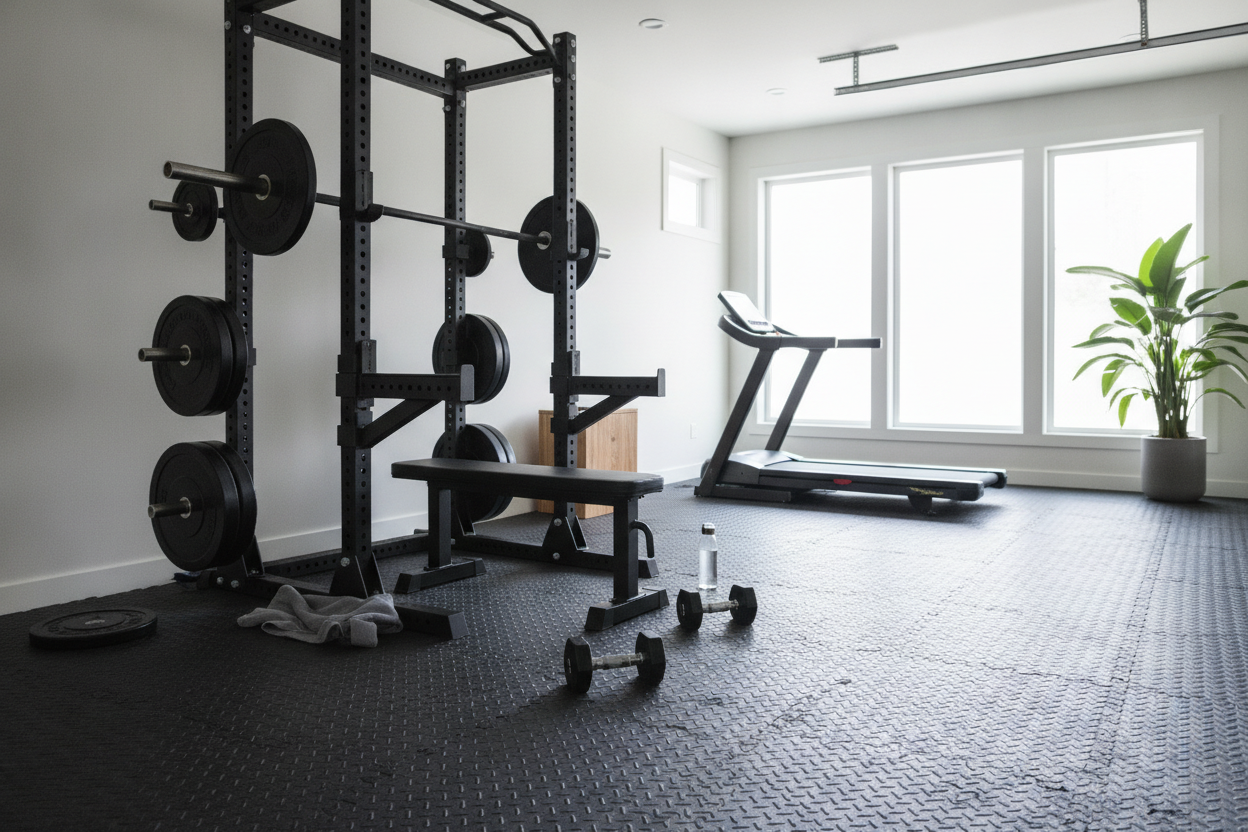
If you’re doing heavy lunges or kettlebell swings on bare concrete, your knees will let you know about it by next Tuesday. I finally laid down some thick gym flooring for home workout setups and it saved my joints during high-rep sessions. Don't let the hard floor be the reason you skip the most effective different type of leg workouts.
Stop Searching for 'Leg Workout Names with Pictures'
People spend hours scrolling through leg workout names with pictures on social media instead of just getting under a bar. Pictures are great for a quick reference, but they don't show you the bracing, the tension, or the grit required to actually grow. Pick one squat, one hinge, and one lunge. Get incredibly strong at them over the next six months. That is the entire 'secret' to leg development.
FAQ
What is the best leg exercise name for beginners?
The Goblet Squat. It forces you into a good position, keeps the weight in front of you to balance your torso, and is much harder to screw up than a back squat.
Are all names of exercises for legs interchangeable?
Not exactly, but they usually fall into the same movement pattern. A 'Pendulum Squat' and a 'High-Foot Placement Leg Press' both target the quads, even if the equipment looks different.
How do I know if a leg workout name is just hype?
If the name includes the words 'toning,' 'shredding,' or 'booty-blast,' and involves a lot of swinging your legs around without any actual weight, it’s hype. Stick to the movements that let you add weight over time.